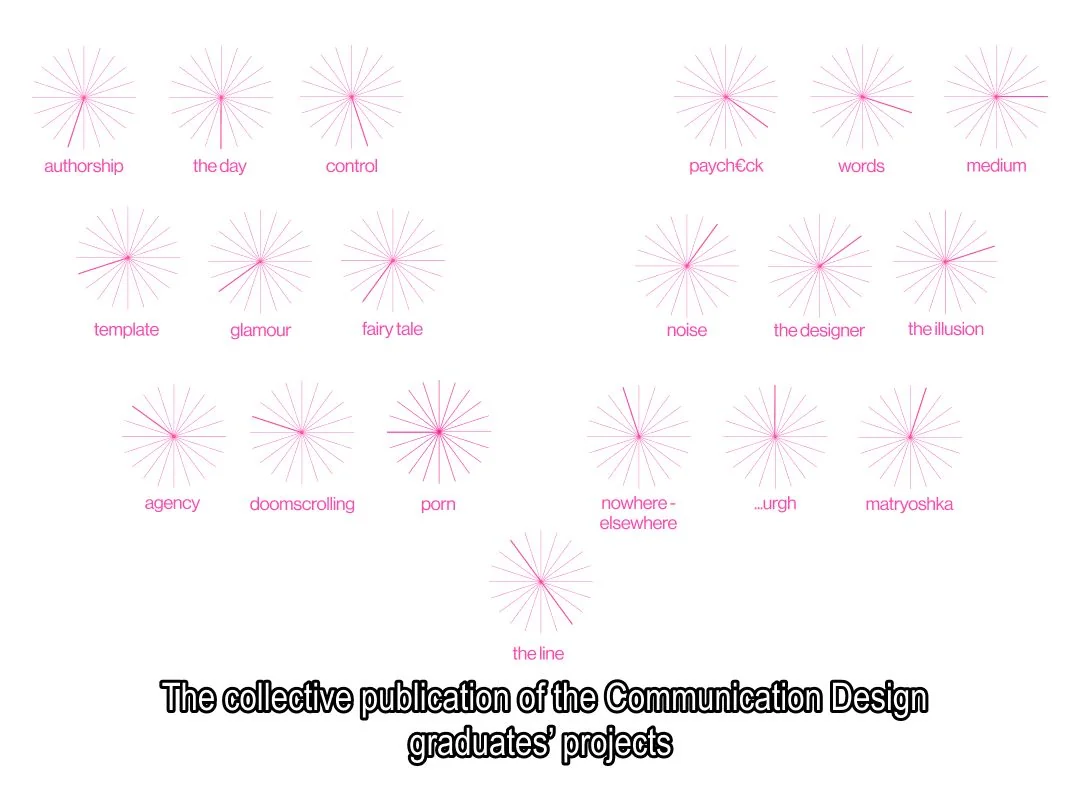
a designer at the end of urgh template the line words the illusion the designer the day porn paych€ck nowhere-elsewhere noise medium a matryoshka glamour fairy tale doomscrolling control authorship agency
urgh
template
the line
words
the illusion
the designer
the day
porn
paych€ck
nowhere-elsewhere
noise
medium
a matryoshka
glamour
fairy tale
doomscrolling
control
authorship
agency
close
A DESIGNER AT THE END OF...
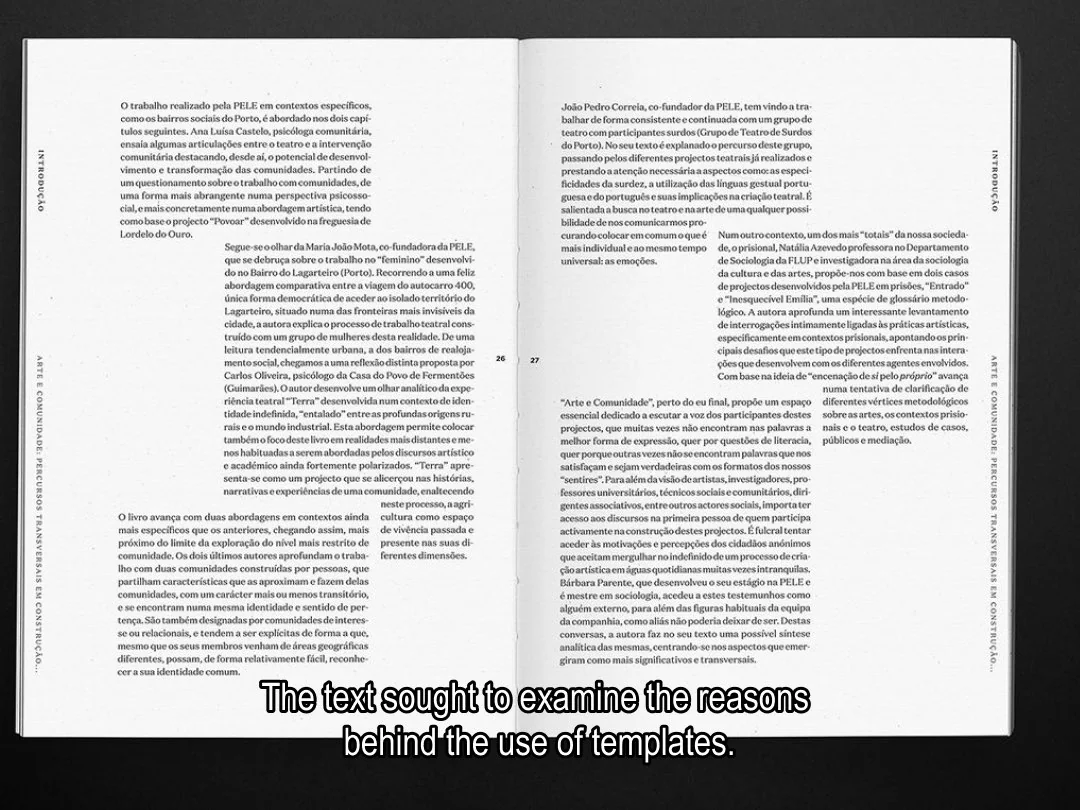
Template (PUBLICATION)

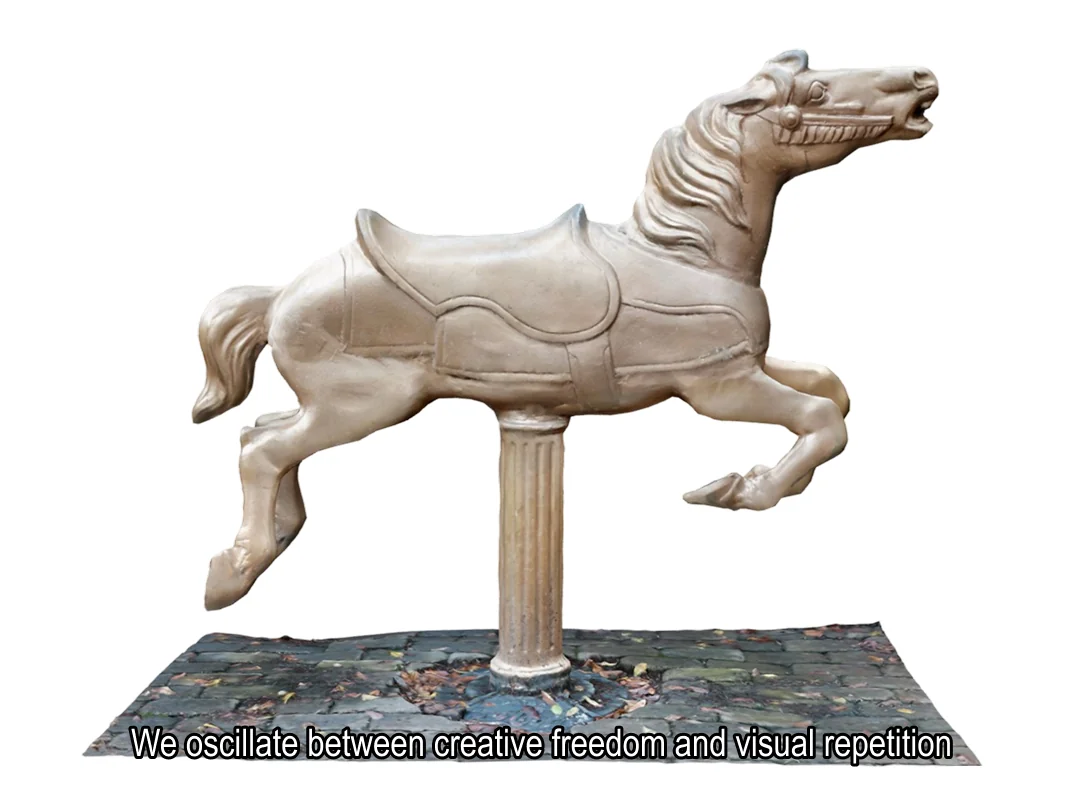
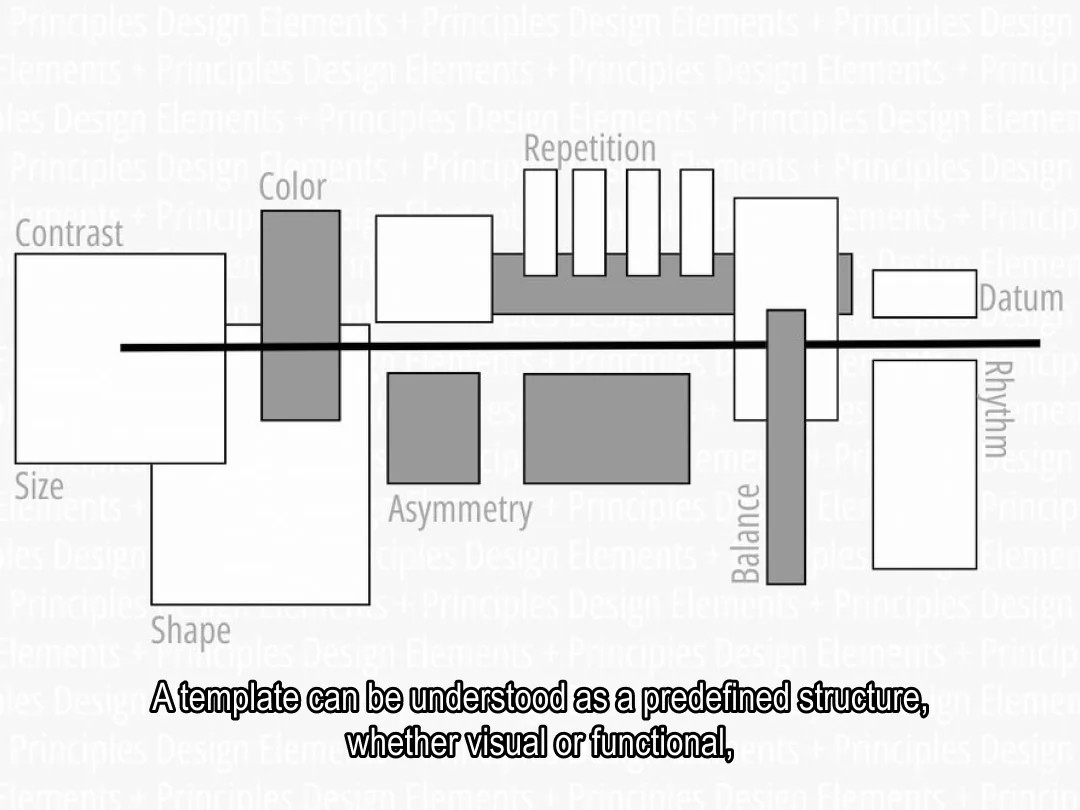
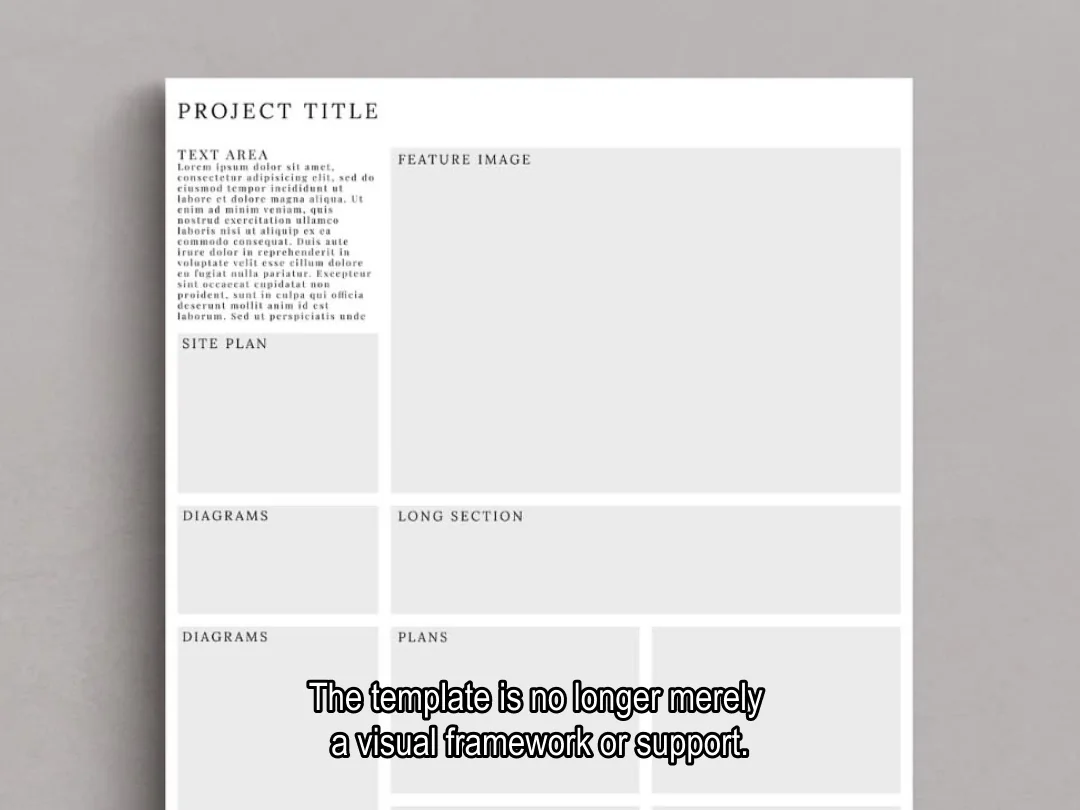
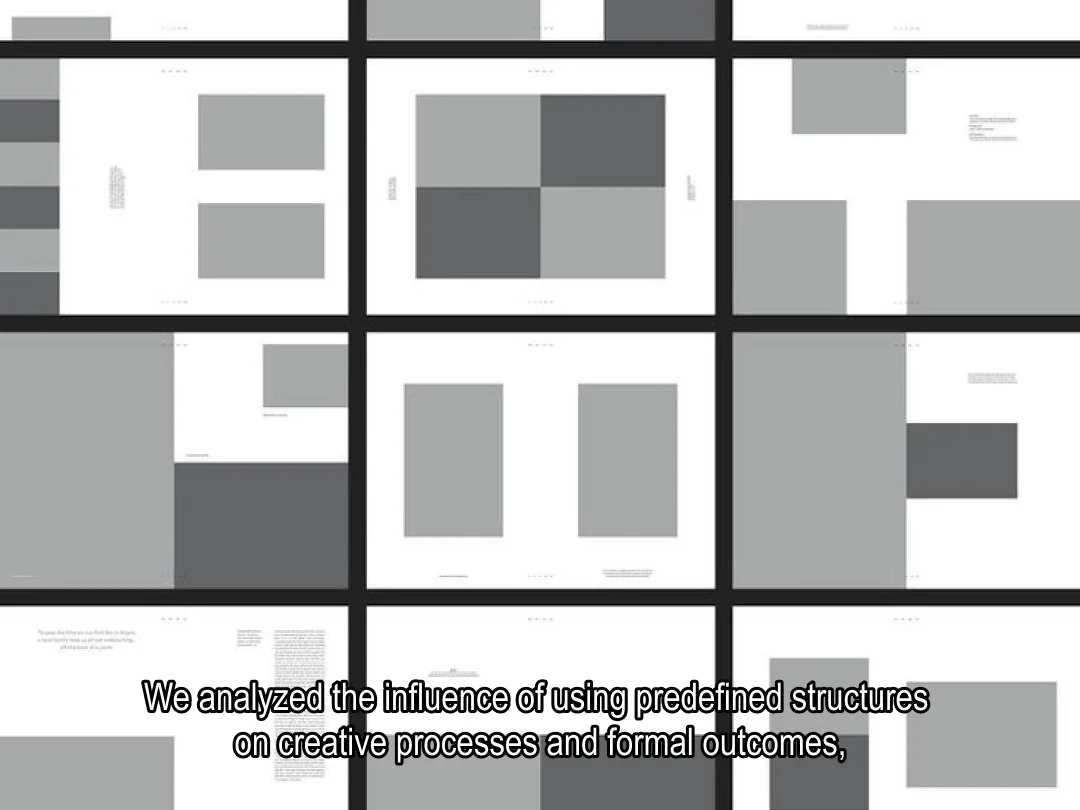
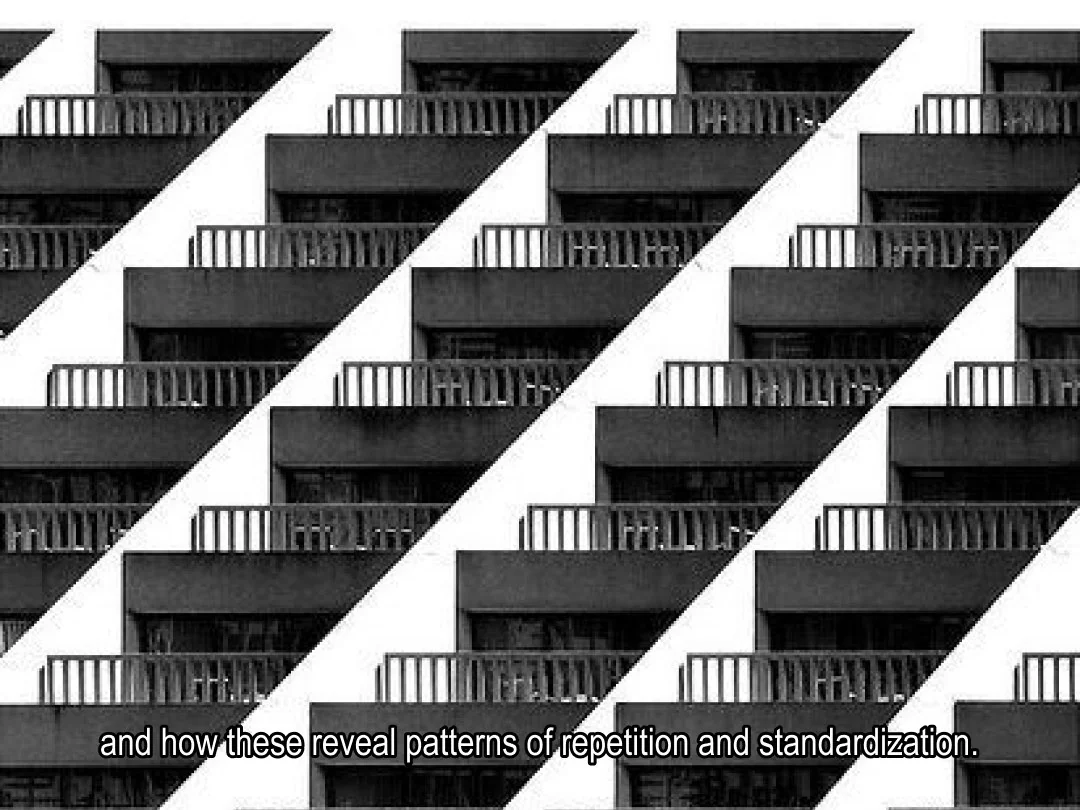
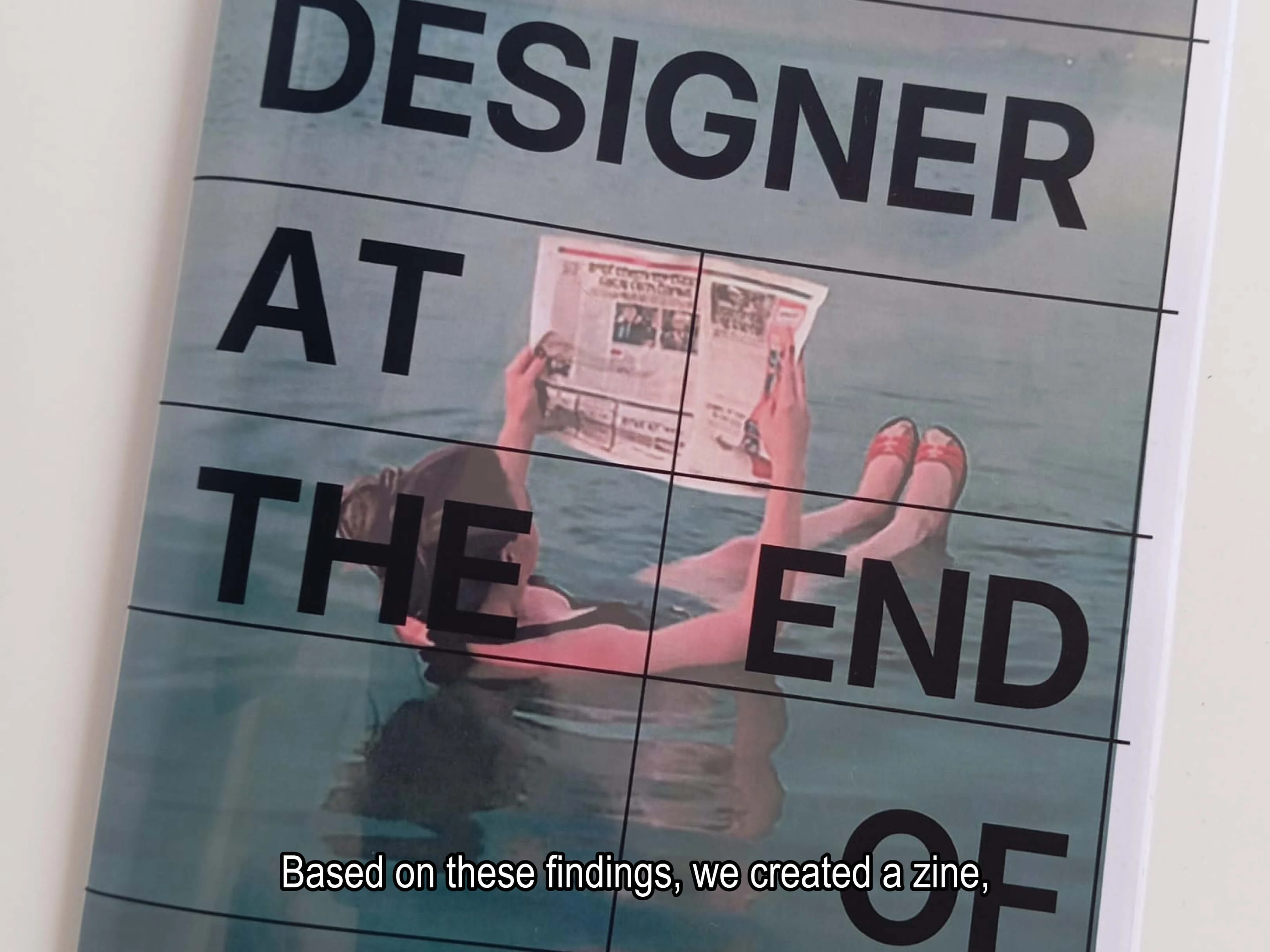
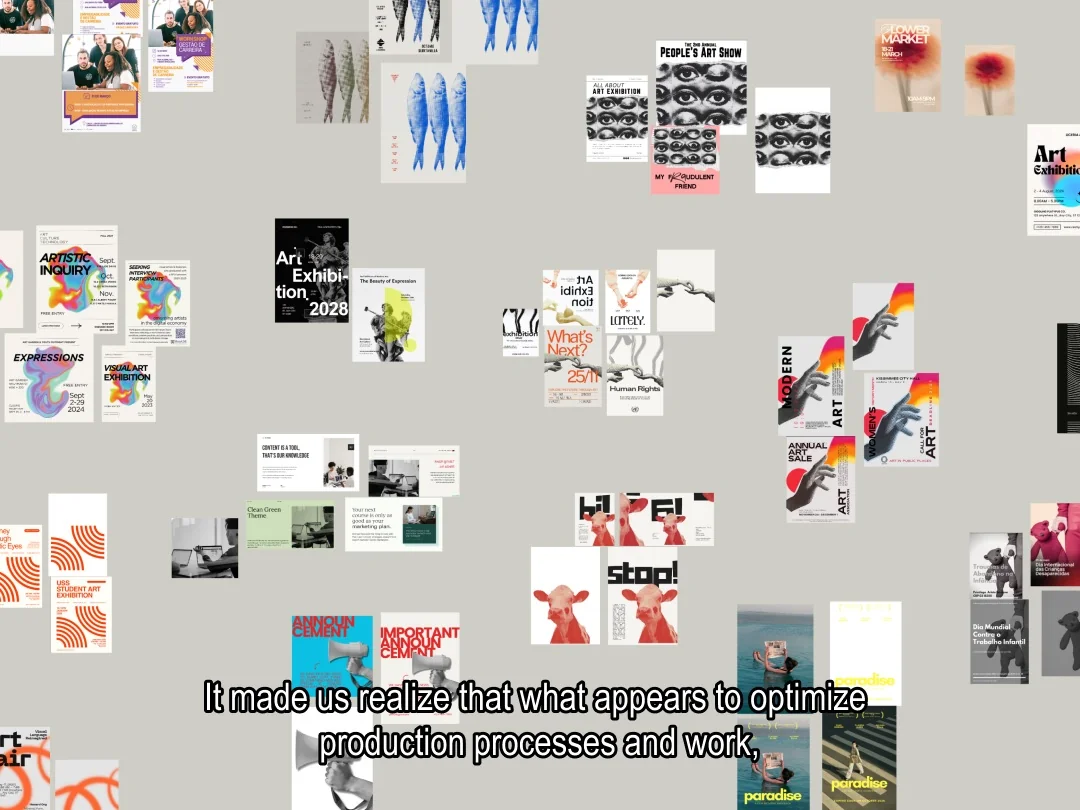
A Designer at the End of Template reflects on the impact of the widespread use of templates in design. A template can be understood as a predefined visual or functional structure, designed to be used and adapted to different content. In the context of graphic design, templates often take the form of models that pre-organise elements such as composition, typography, colour and visual hierarchy, offering quick and accessible solutions for the production of visual artefacts. However, this very logic raises questions regarding the limits of creativity, authorship and aesthetic diversity.

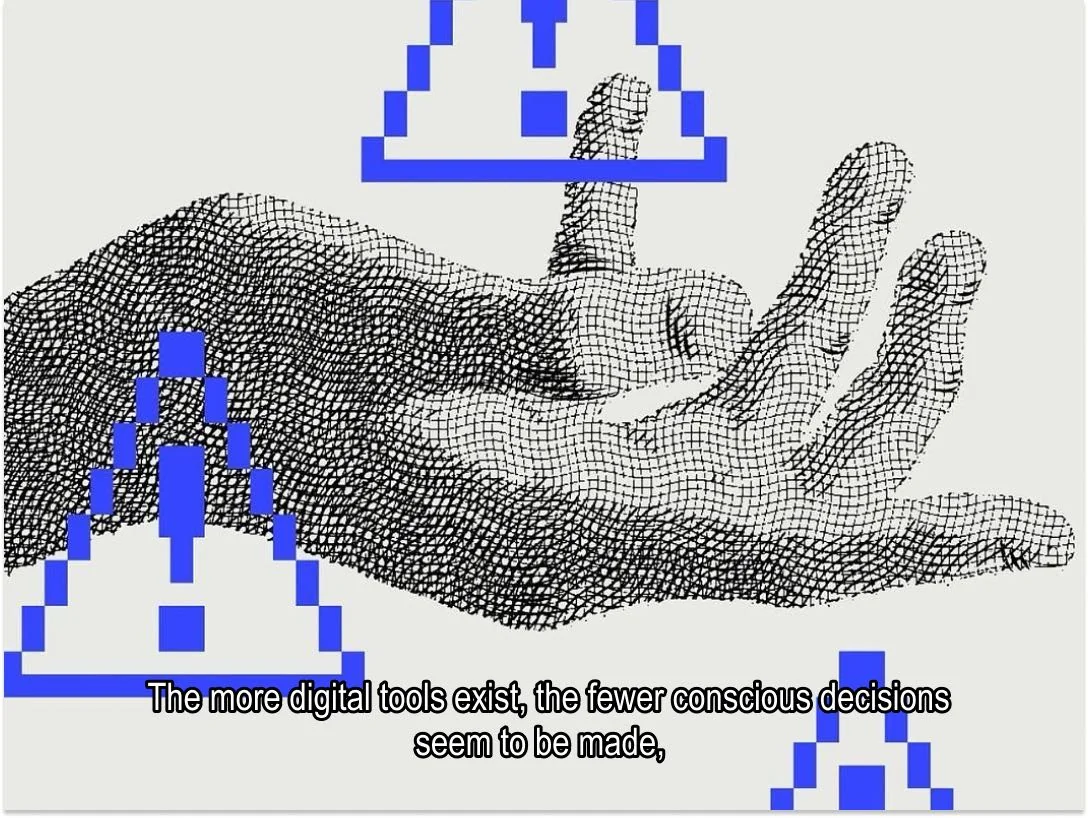
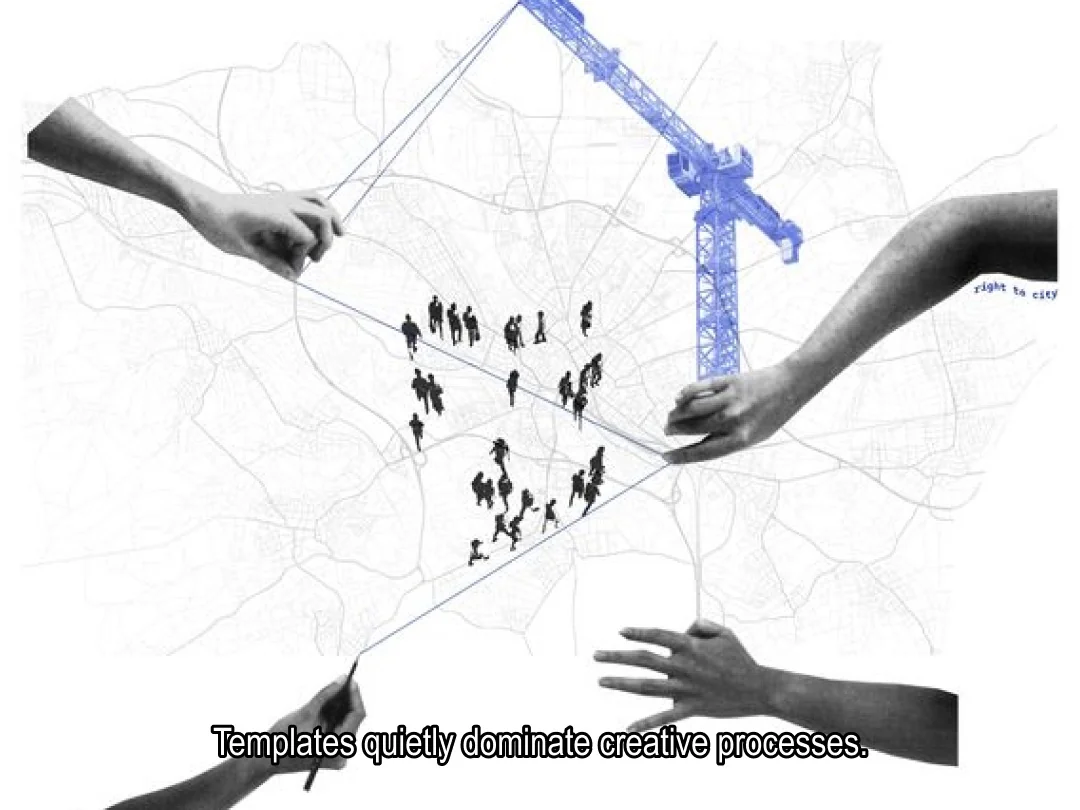
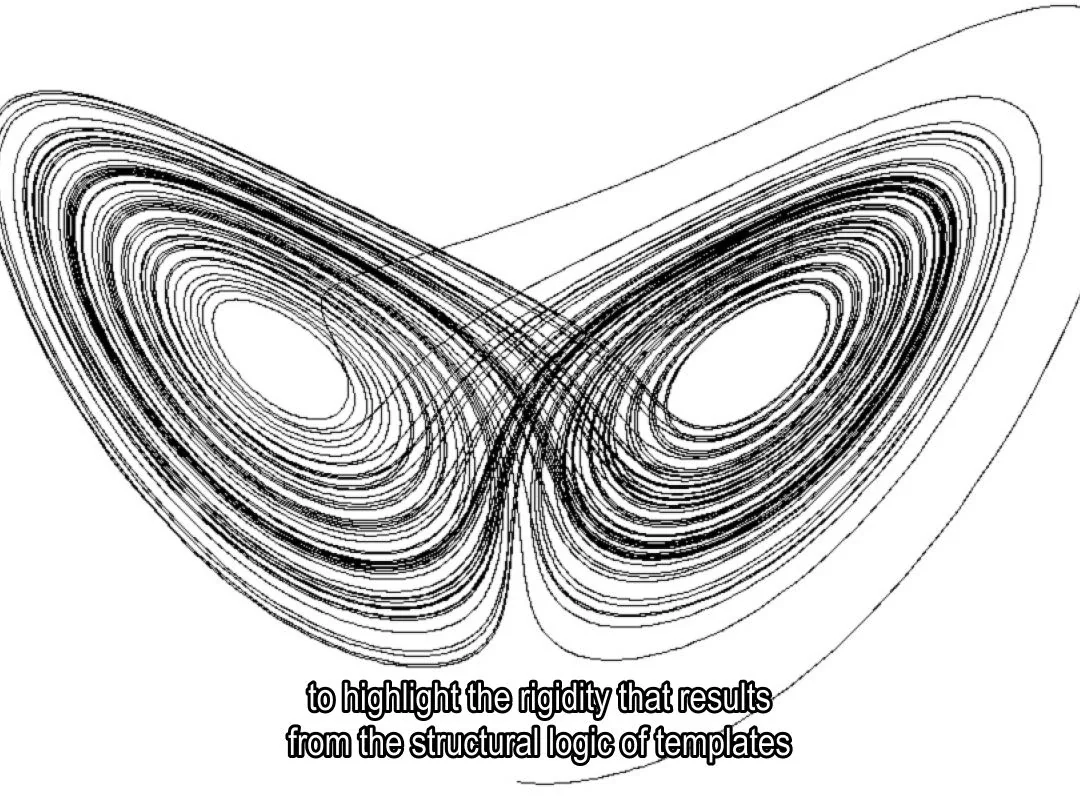
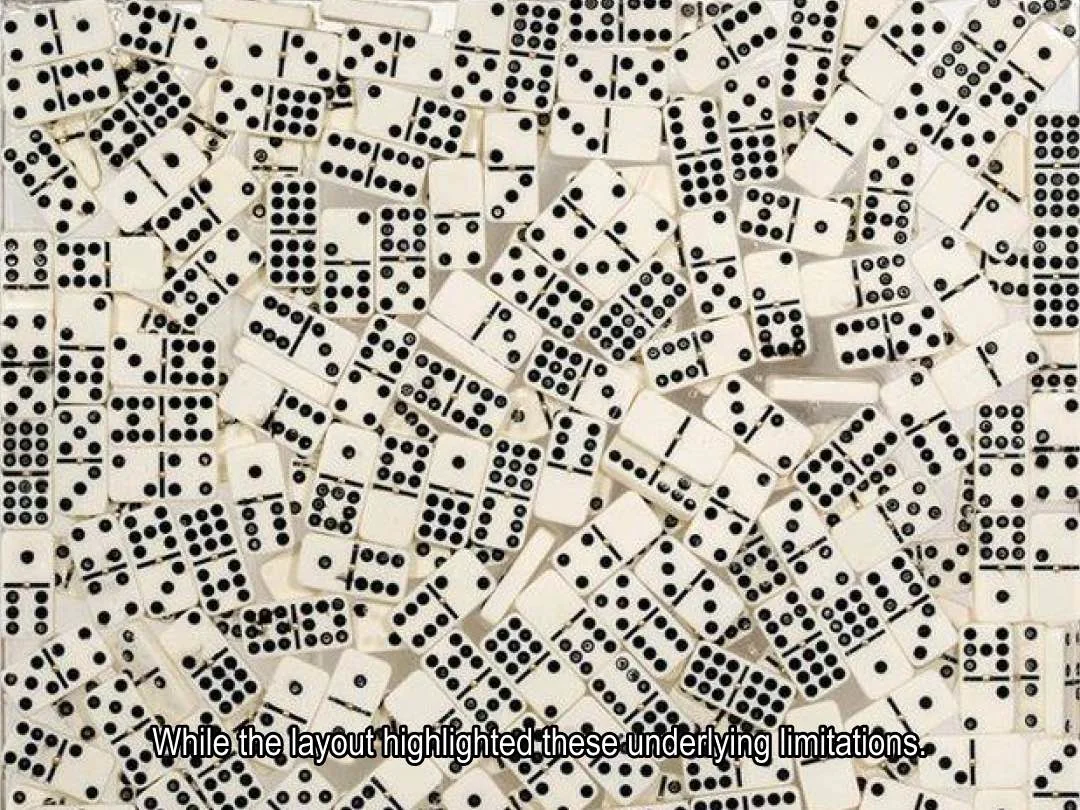
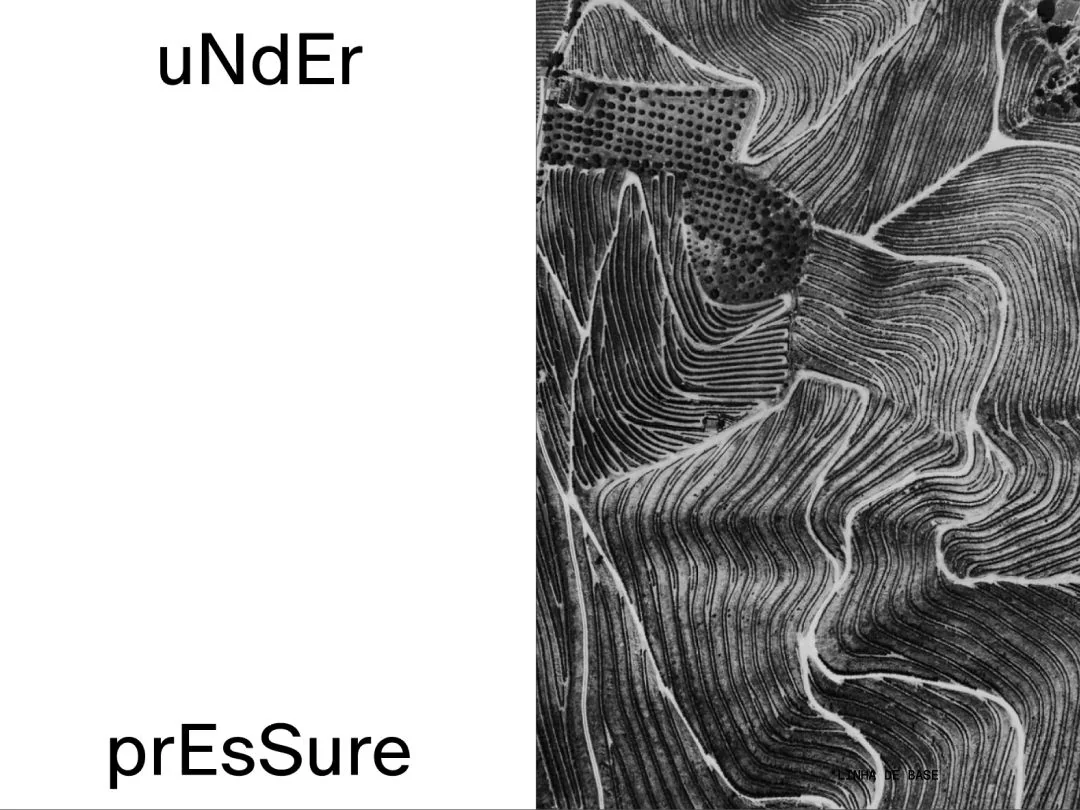
At a time of rapid development and implementation of systems driven by Artificial Intelligence, the project views templates not as neutral tools, but as structures that shape design thinking and practice. Through repetition, simplification and standardisation, these systems contribute to predictable and homogeneous visual output. Through a publication, the aim is to expose, explore and question this condition, investigating the consequences for design practice when it operates within closed creative systems.

PROJECT BY Inês Lopes
Maria Silva
Salete Correia

close
A DESIGNER AT THE END OF...
Urgh (PUBLICATION & PERFORMANCE)

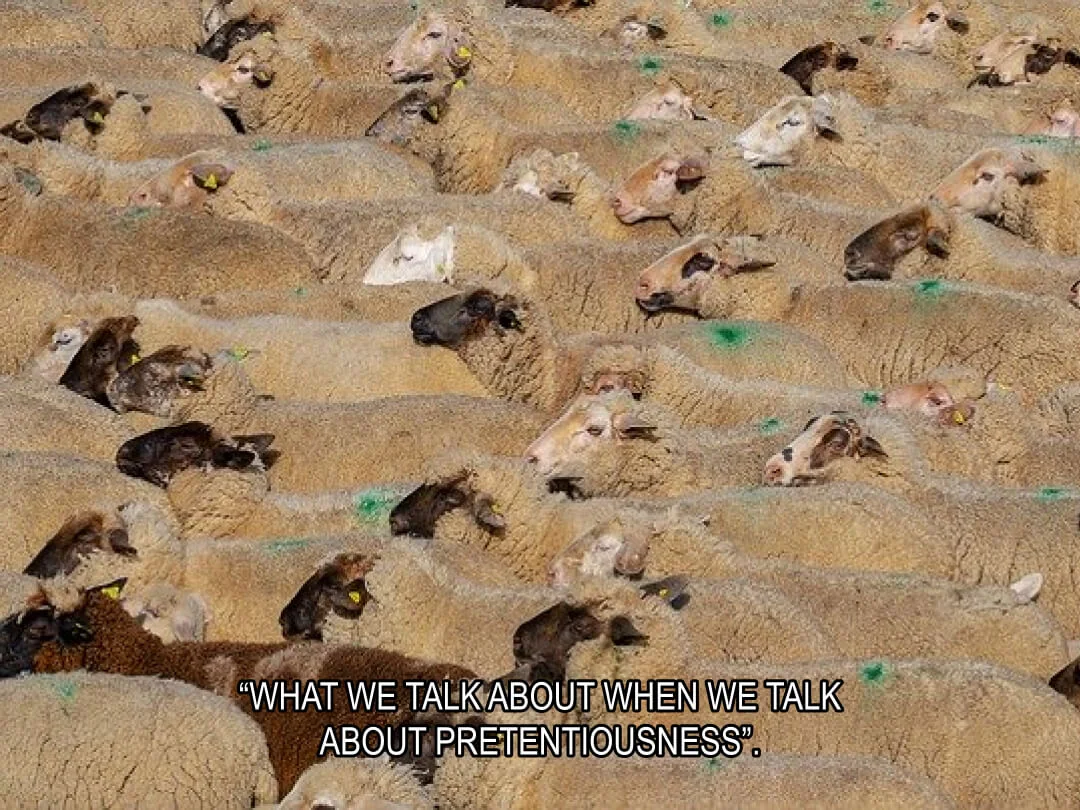
A Designer at the End of Urgh ventures to interrogate the multifaceted phenomenon of pretentiousness, navigating its aesthetical, cultural, and linguistic complexities through an interplay of visual and textual inquiry.

Despite the apparent impossibility of fully grasping such a multifaceted and difficult phenomenon, the project navigates its complexities and reconfigures them into an accessible framework, facilitating engagement across diverse audiences.

In summation, it is imperative to elucidate that the object presents itself in a manner that initially did not lend itself to translation into visual language, and we would argue that it is profoundly self-aware, perhaps even meta-projectual in nature.

PROJECT BY Jorgina da Silva
Maria Ceregeiro
Maria Ribeiro
Vicente Romão
close
A DESIGNER AT THE END OF...
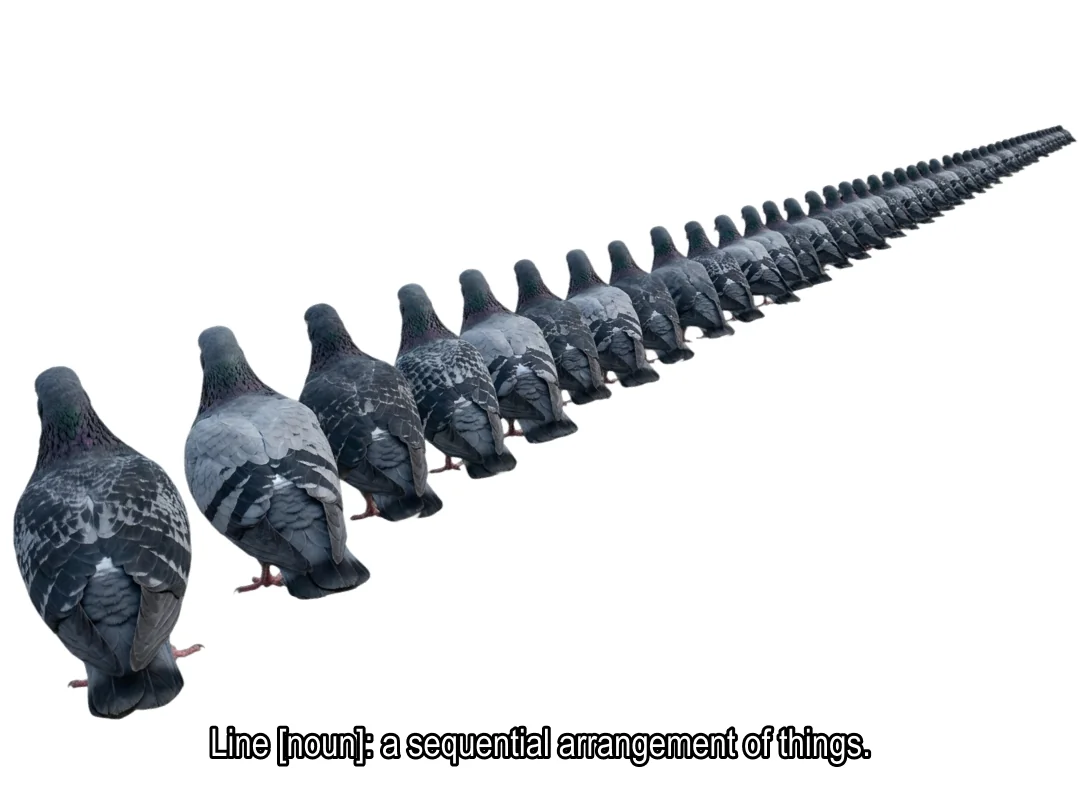
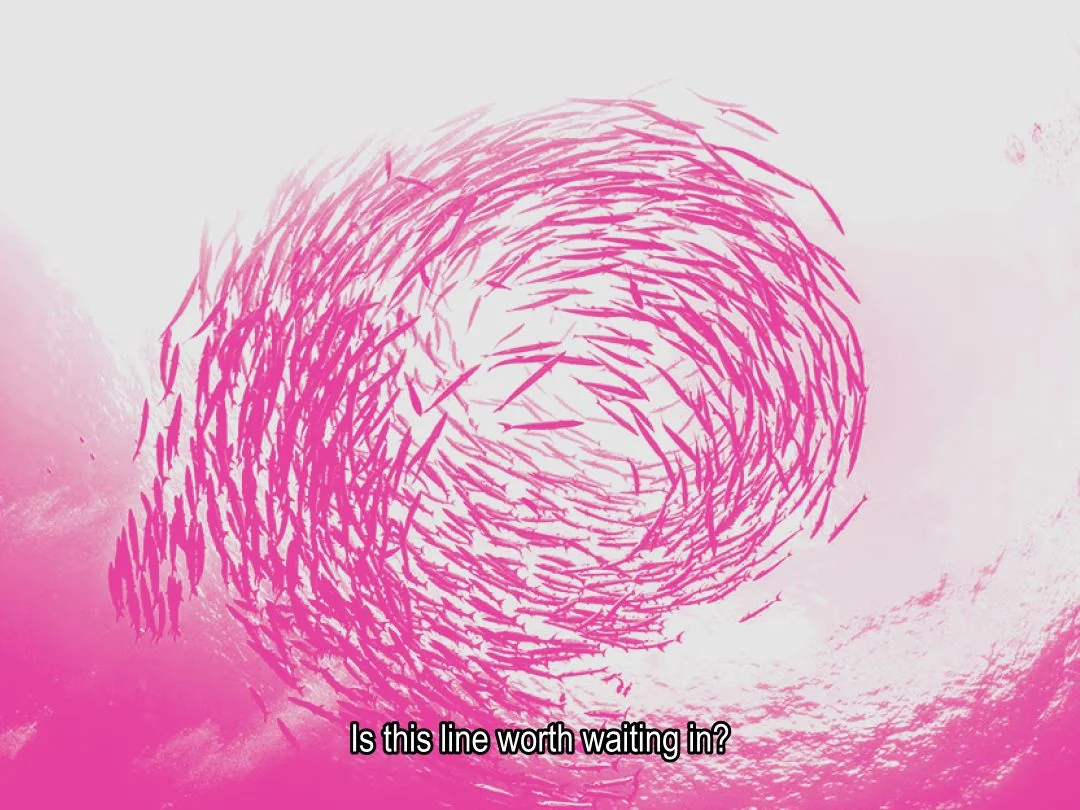
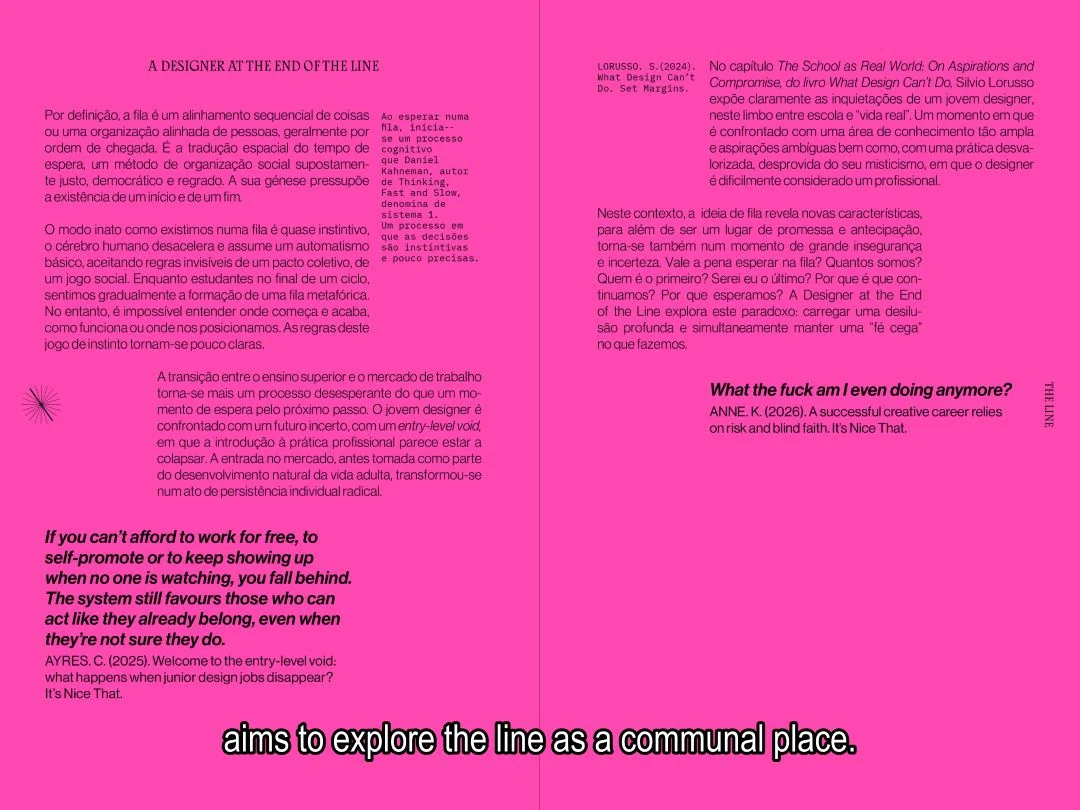
The Line (PUBLICATION)

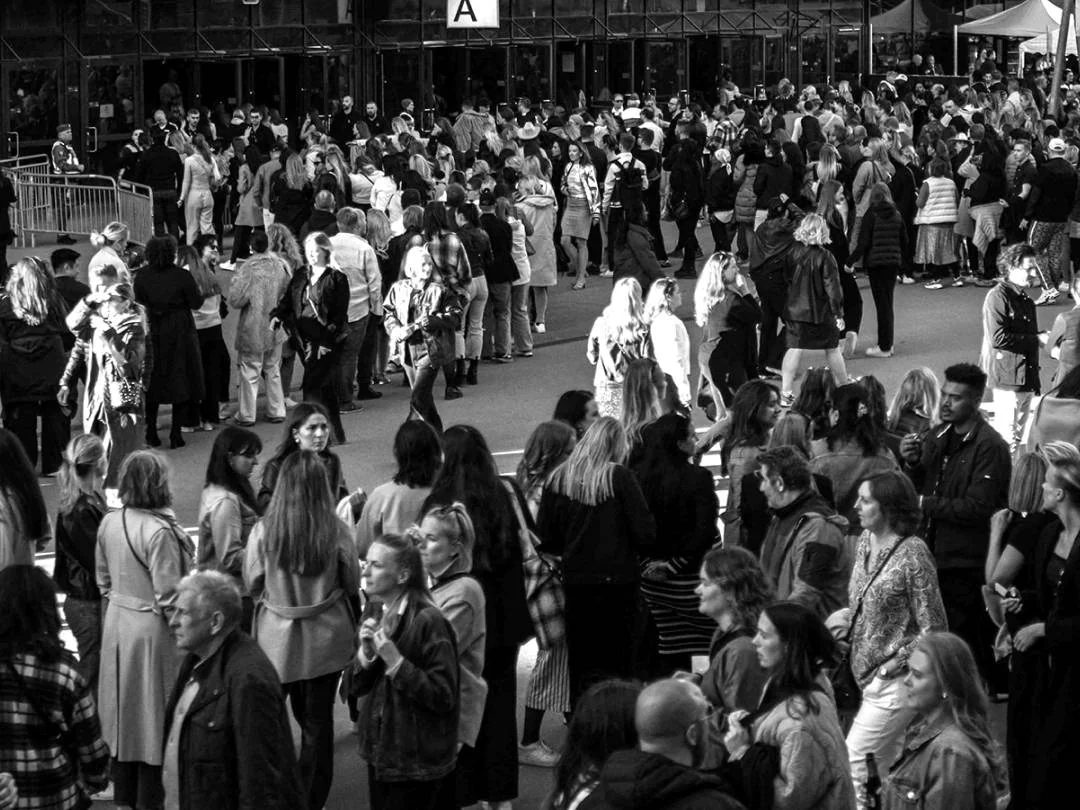
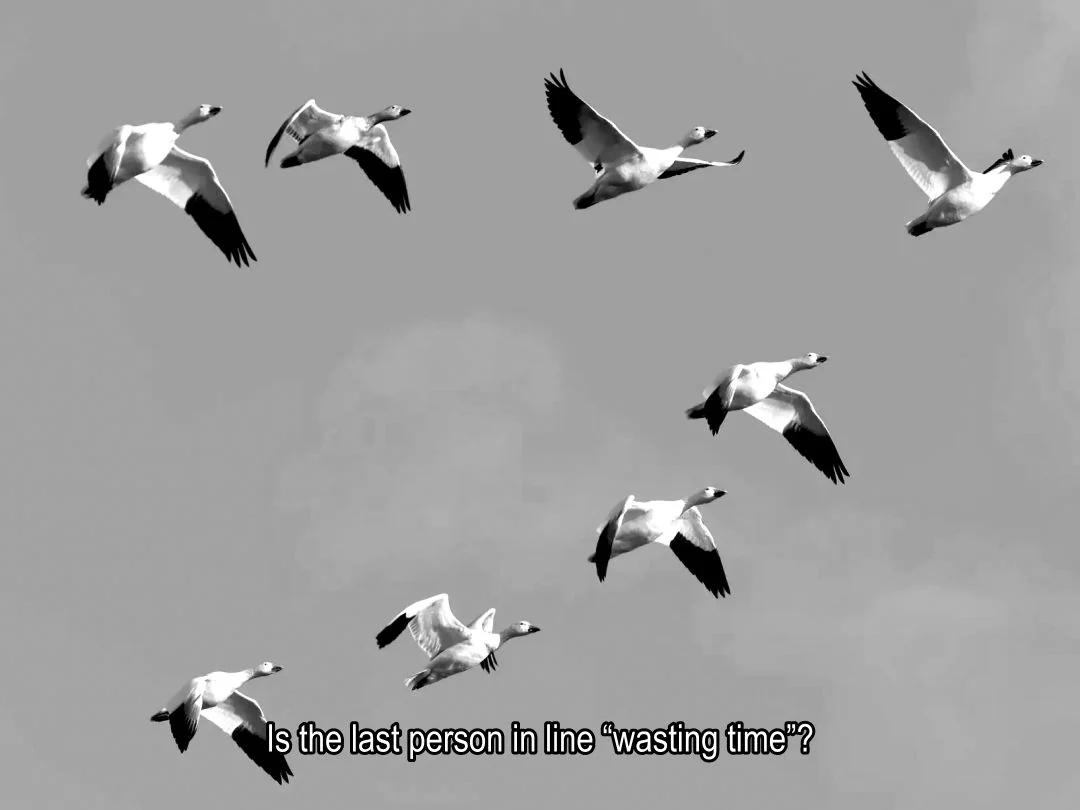
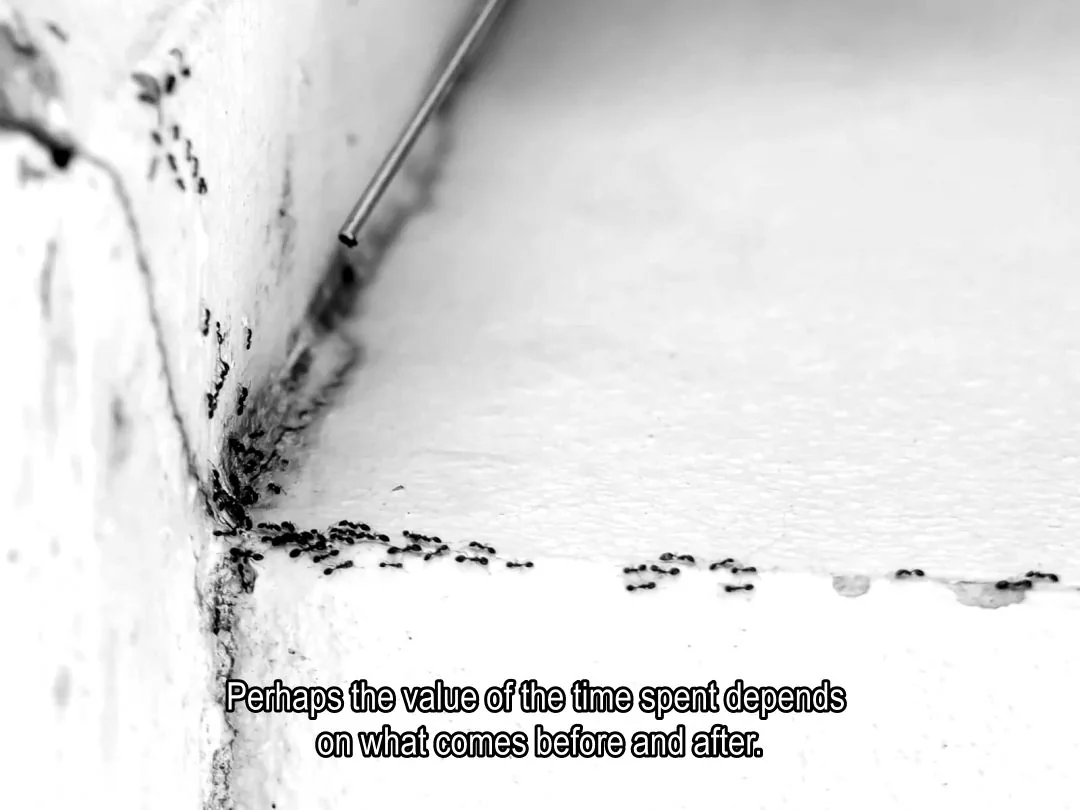
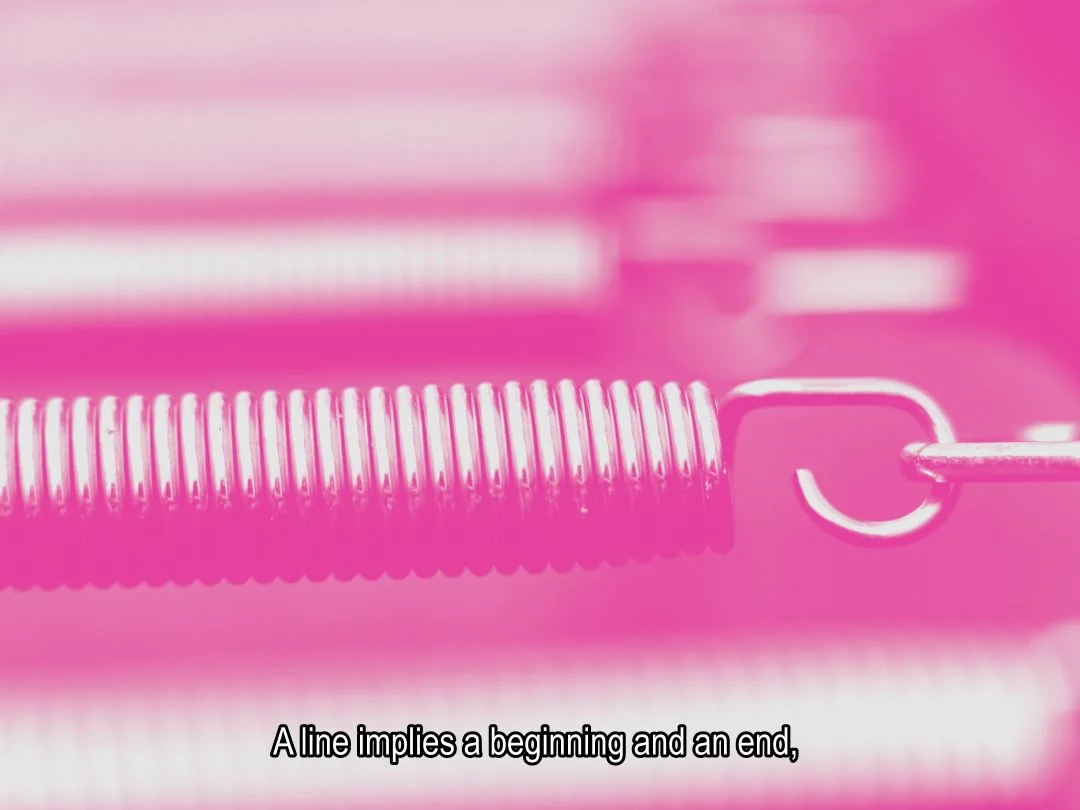
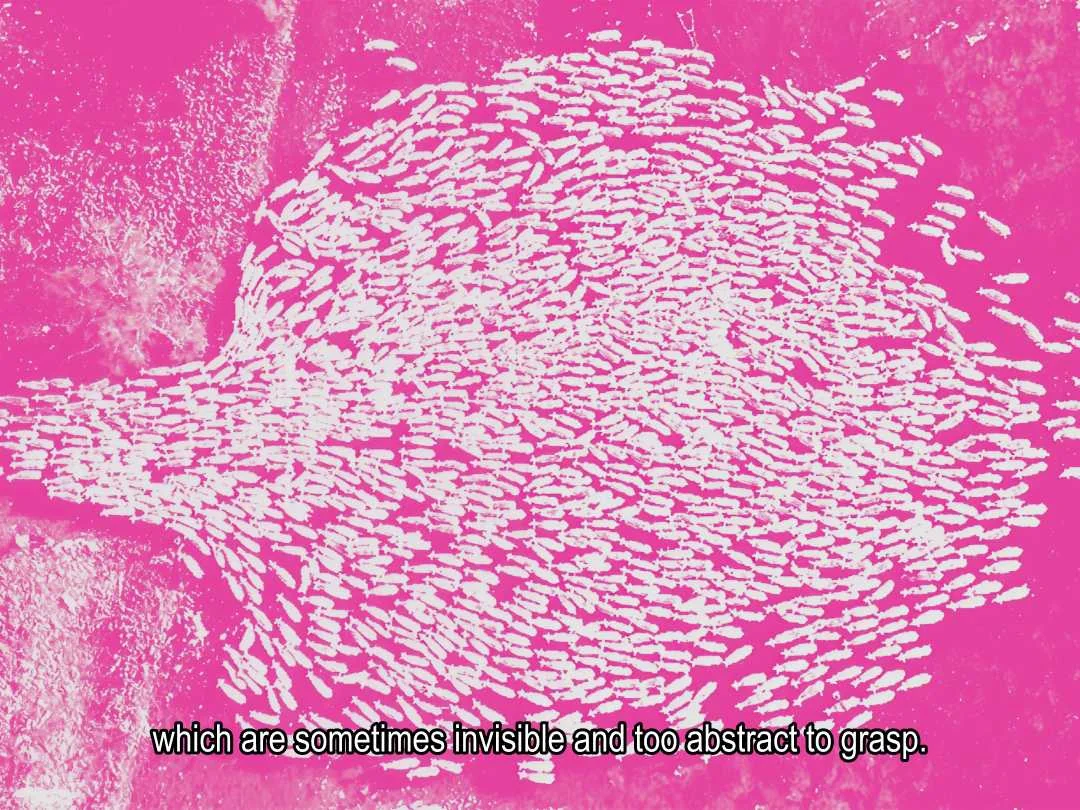
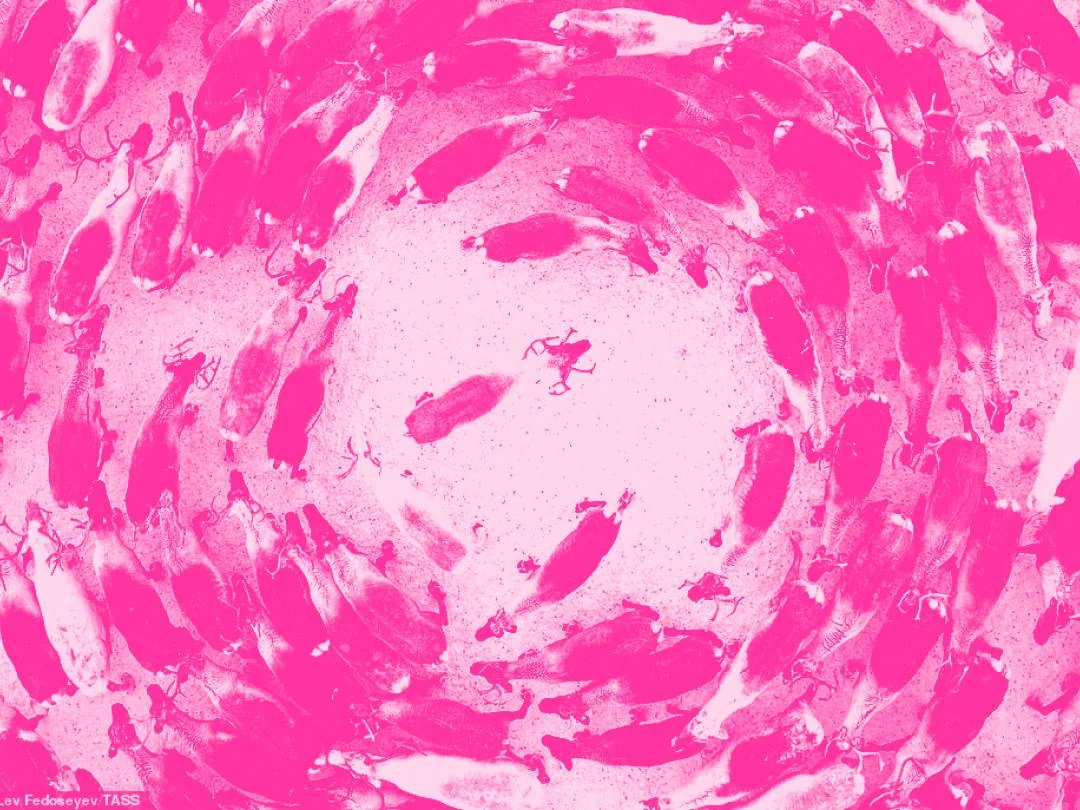
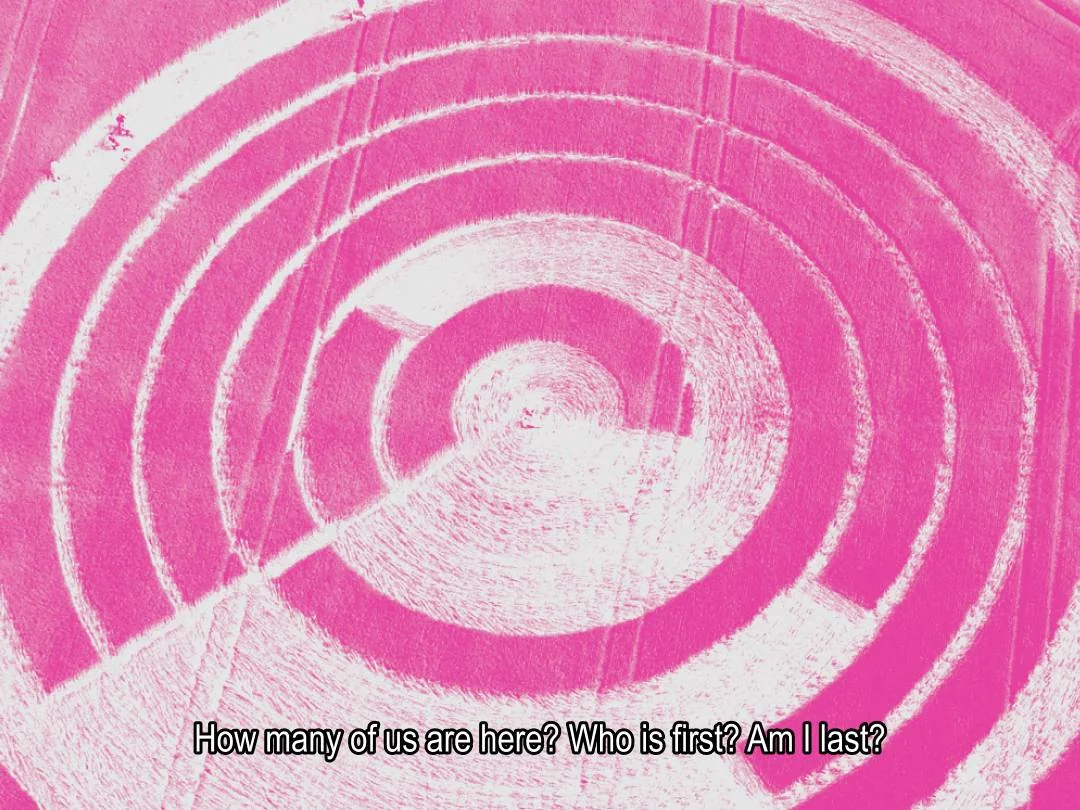
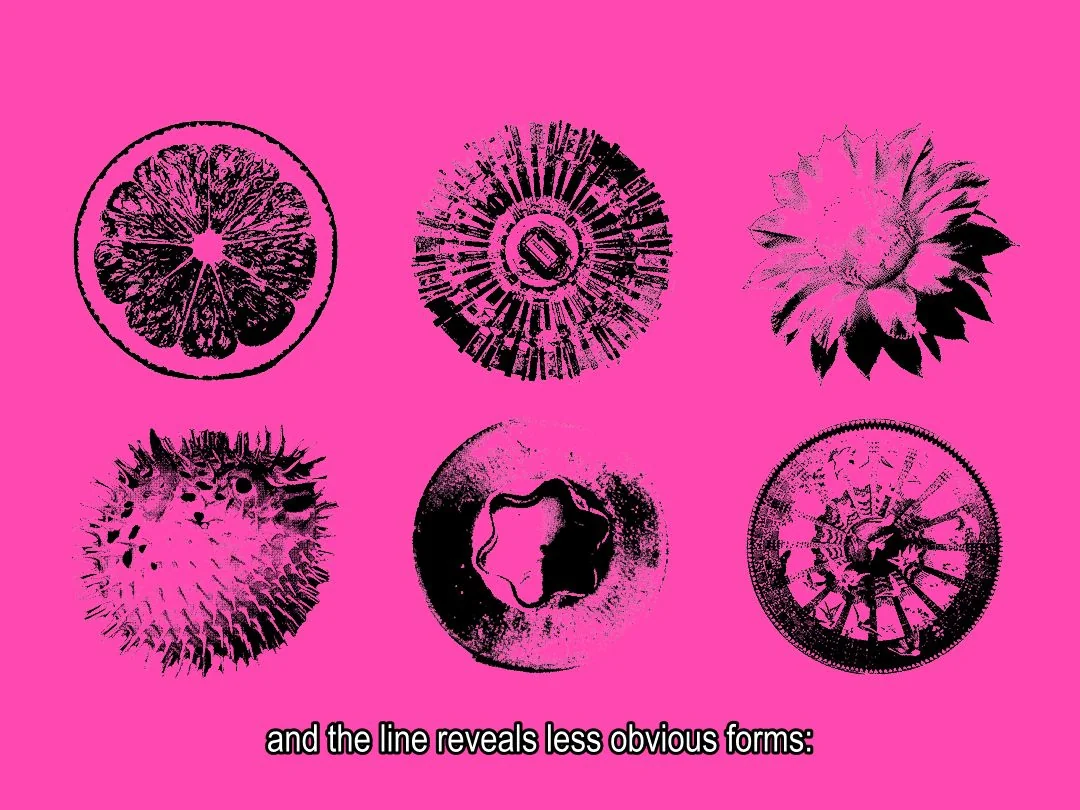
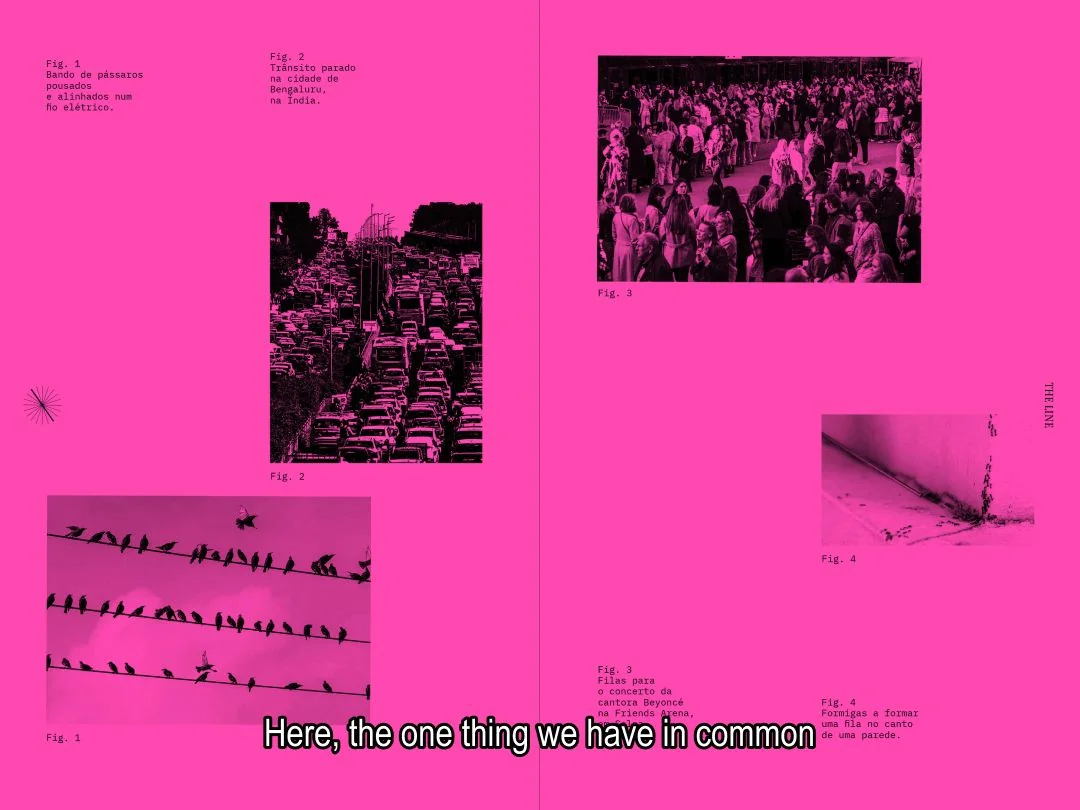
By definition, a queue line is a fair and orderly method of social organisation, a spatial representation of waiting time. Its very existence presupposes a beginning and an end. However, an emotional reflection on its end reveals less definitive dimensions.

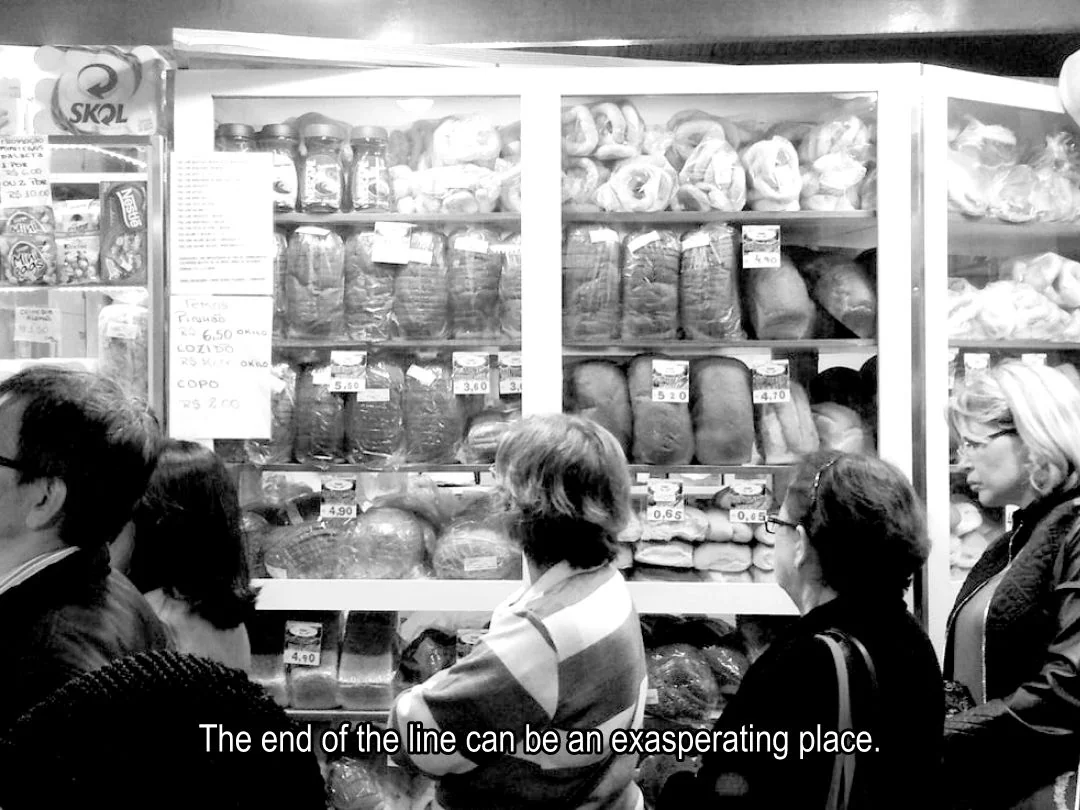
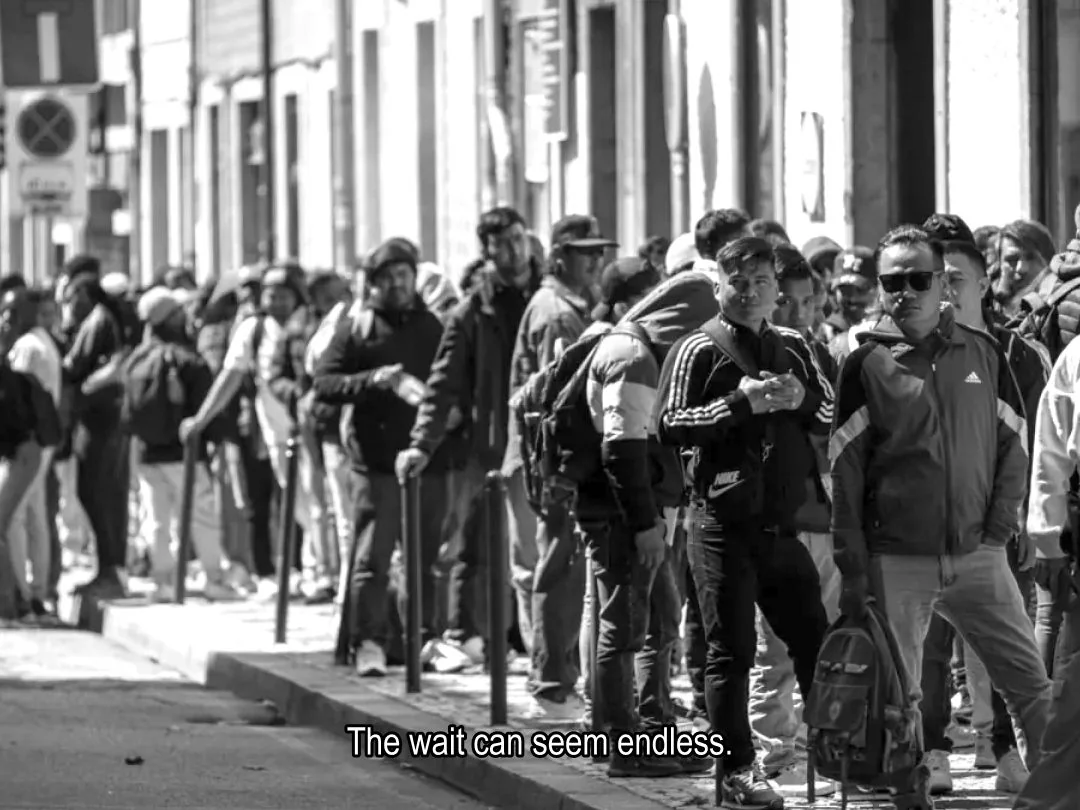
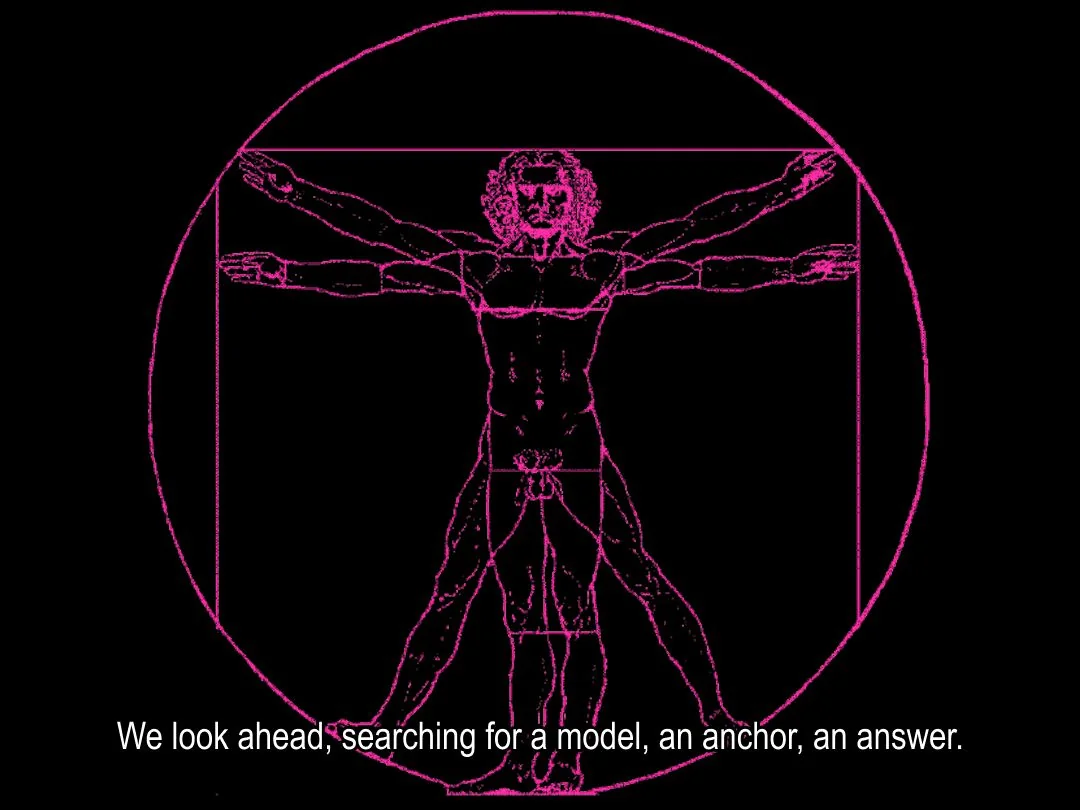
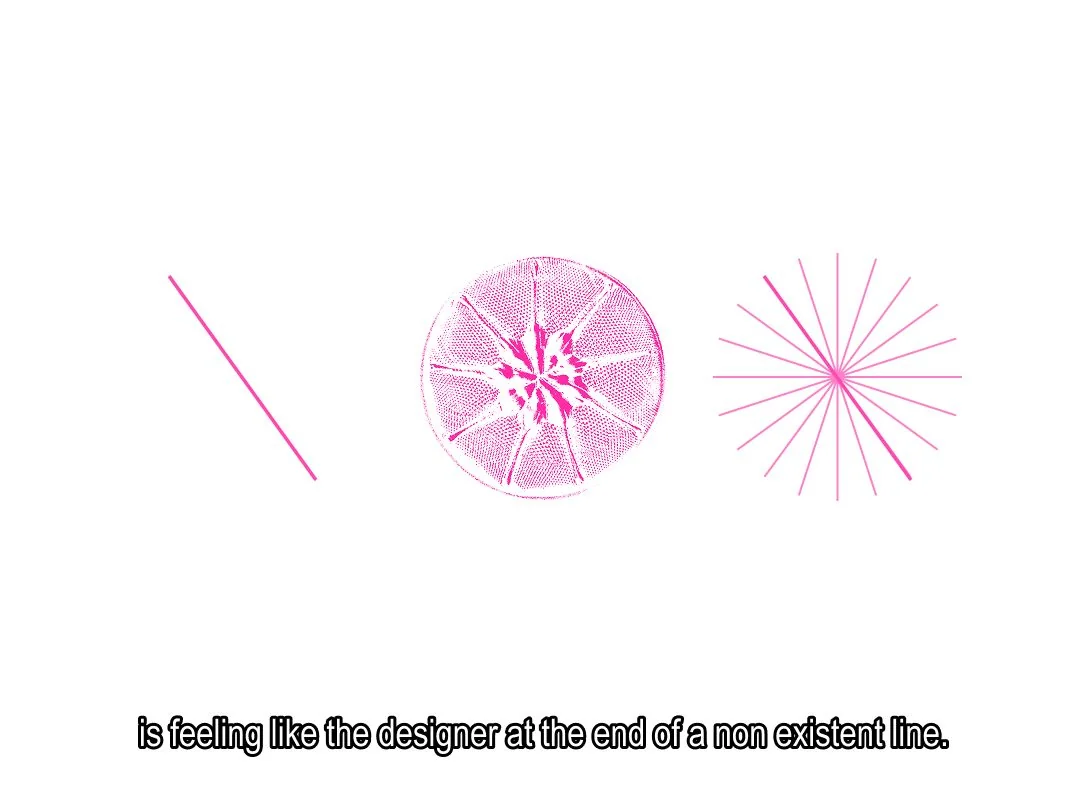
Being at the end of the line can be exasperating, a vantage point from which the wait seems eternal. A Designer at the End of Line places the young designer precisely in this position, confronting them with the anxiety of a devalued profession, with an uncertain future and no guaranteed entry. The end becomes a place of insecurity, anxiety and expectations. Yet the designer remains in the queue line, looks ahead and seeks a model, an anchor or an answer, nurturing the hope of moving forward or discovering an alternative path.

This duality dictates the sequential presentation of the contributos from final-year students on the Communication Design degree at FBAUL to the project A Designer at the End of... The visual and conceptual narrative of this edition begins with logical and concrete thinking, gradually evolving towards more speculative responses.

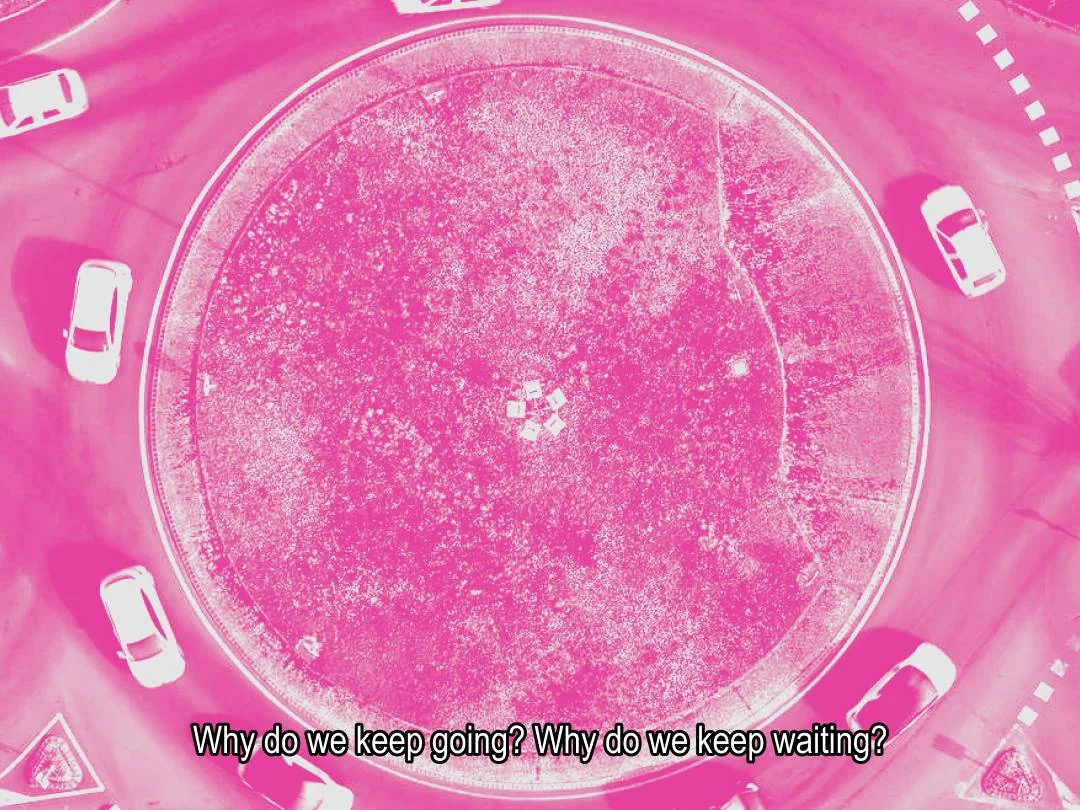
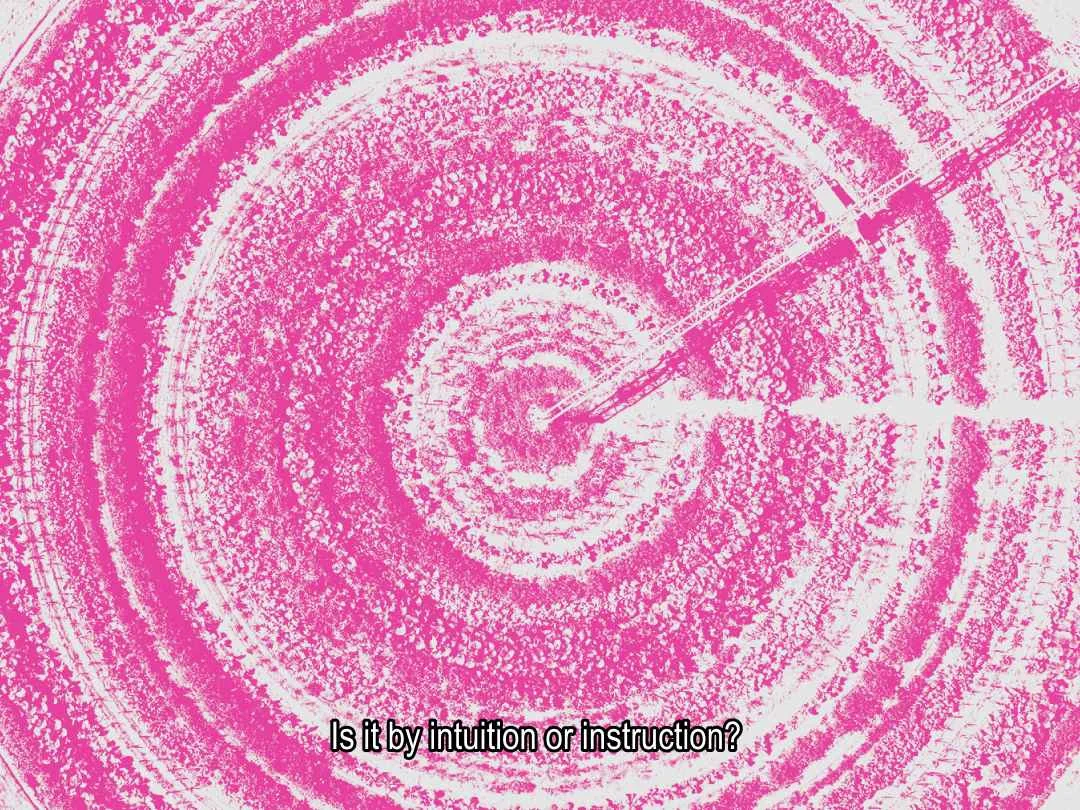
The publication takes 'Designer' and 'End' as its central themes, viewing the end of the line as a position shared by final-year students. The diversity of the projects reflects different ways of thinking about and engaging with this place, exploring the paradox between disillusionment and hope, as well as the idea of a cyclical, ever-moving line, where the end and the beginning become relative (but not deterministic) positions.

PROJECT BY Clara Neves
Carolina Serra
Inês Martinho
Vera Mendes

close
A DESIGNER AT THE END OF...
Agency (PUBLICATION)

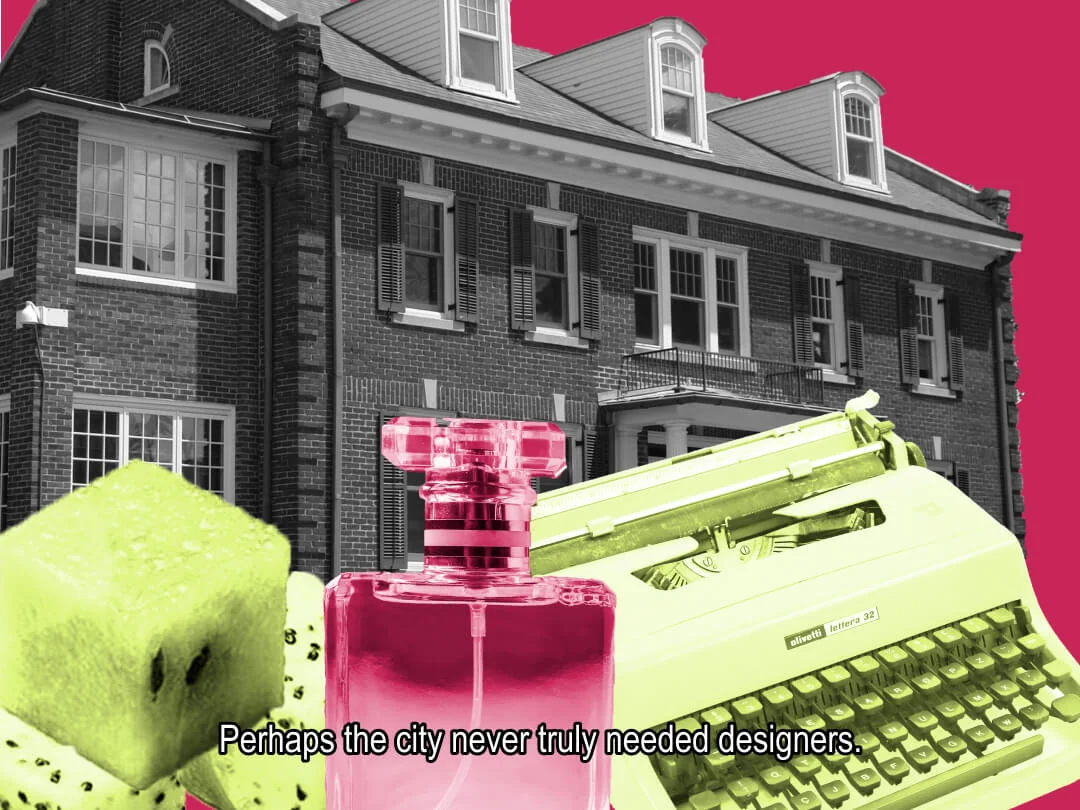
Contemporary design has been progressively reduced to execution and results. The devaluation of the process and the designer’s loss of agency have contributed to a context in which decisions are often made without their effective involvement. In this scenario, design responds to externally defined objectives, rather than questioning or reformulating them. The designer thus sees their role limited, sidelined from decision-making moments and increasingly reduced to a simplistic notion of implementation.

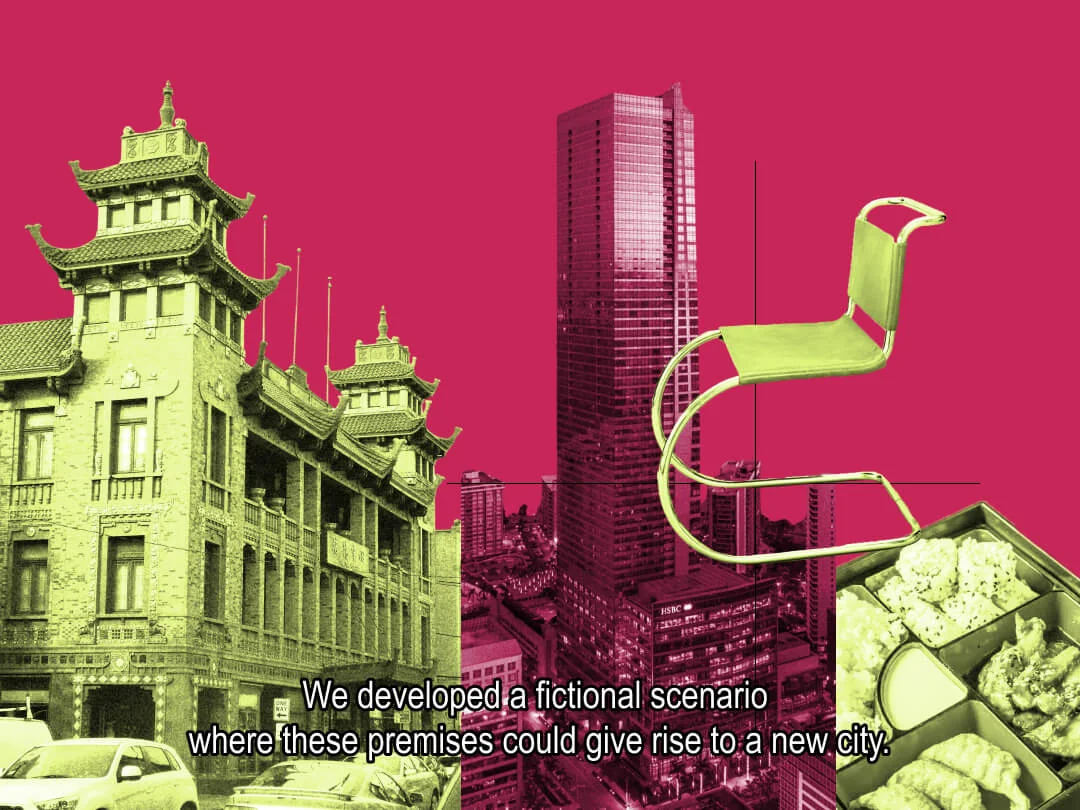
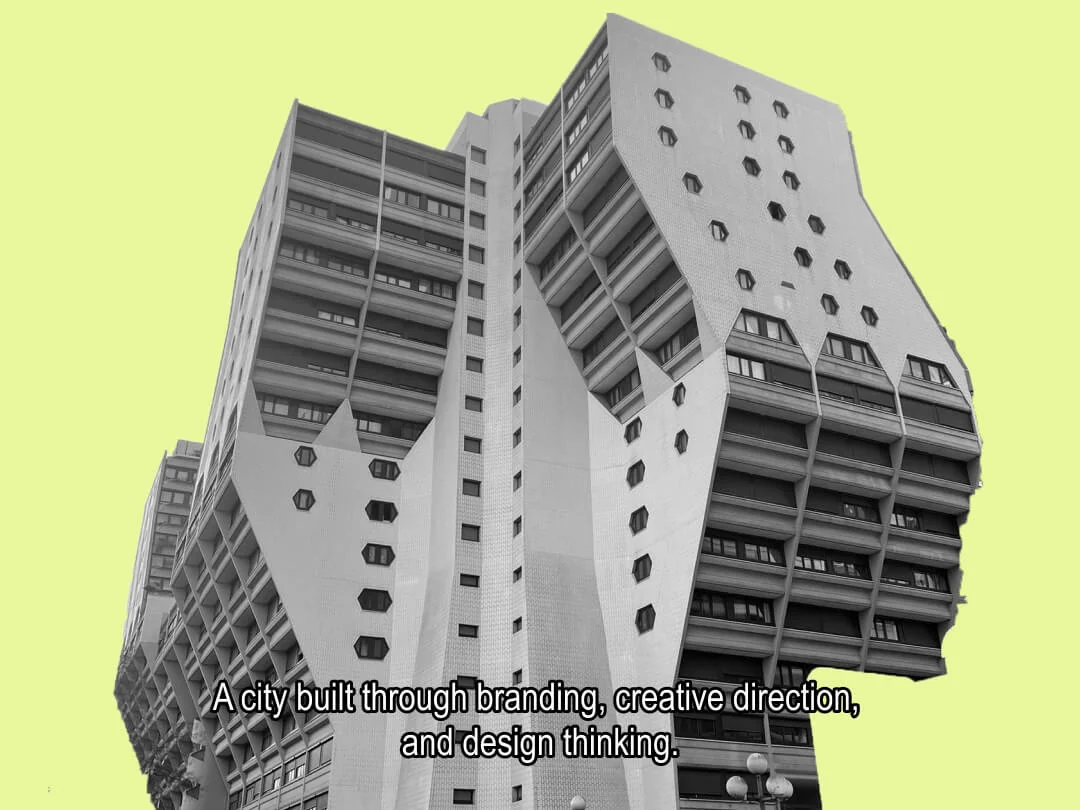
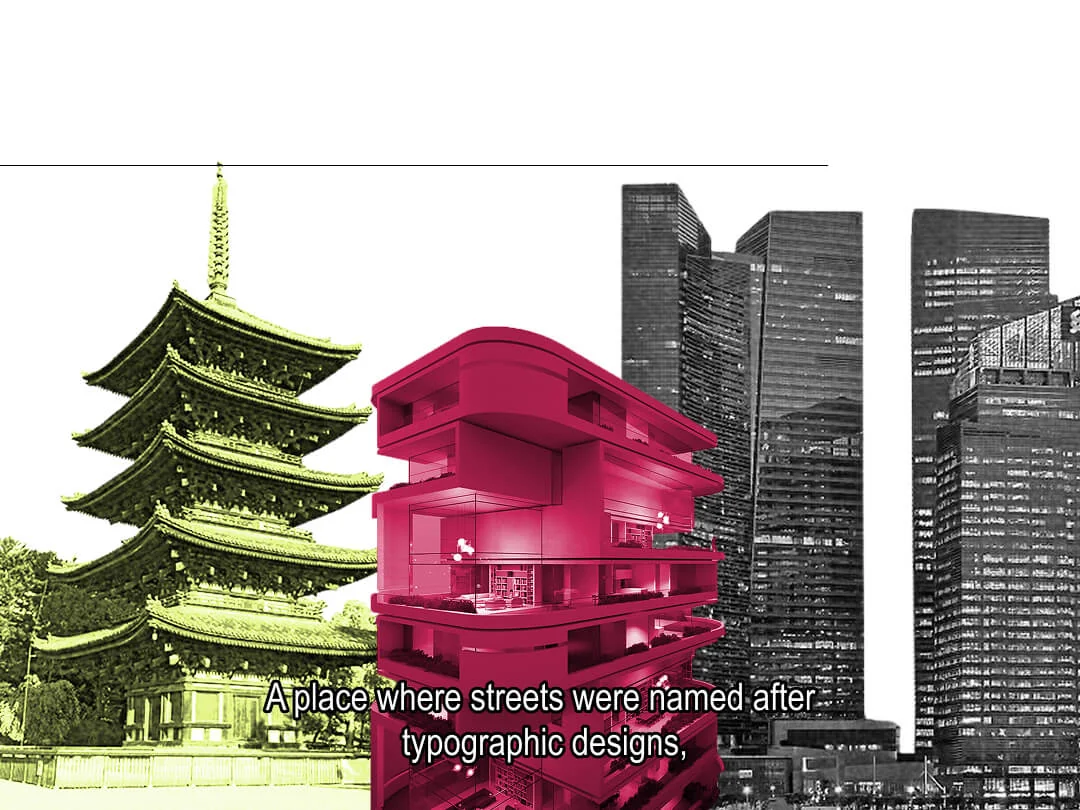
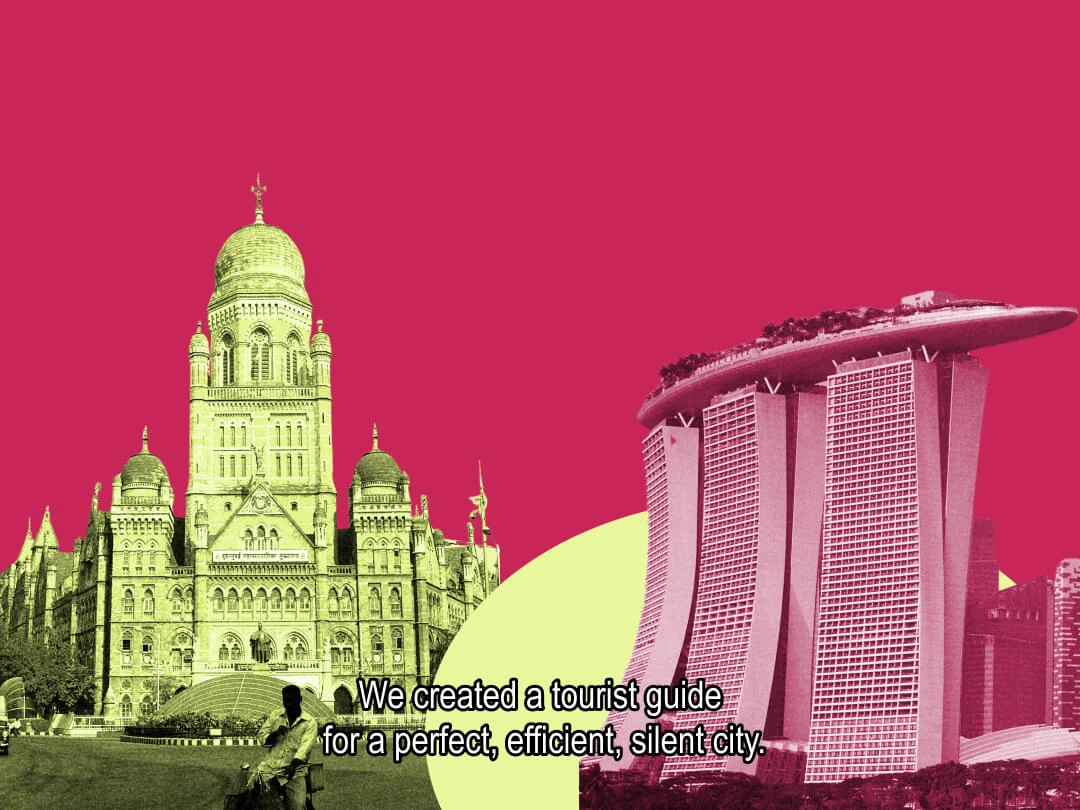
Building on this reality, the project A Designer at the End of Agency proposes imagining a society where design reclaims its role as a discipline of decision-making, responsibility and the construction of meaning, where the process is valued and the designer occupies a central place in defining the world they design. The word “Agency” has a double meaning: the possibility of designers acting as agents, and agency as a service-providing company, which frames the role of design in the corporate world. By imagining a tourist guide for a fictional city, and taking a speculative approach, we sought to understand whether the valorisation and agency of the designer is possible, or whether it is merely a utopia.an answer, nurturing the hope of moving forward or discovering an alternative path.

PROJECT BY Carmo Fonseca
Catarina André
Helena Sena
Rita Martins

close
A DESIGNER AT THE END OF...
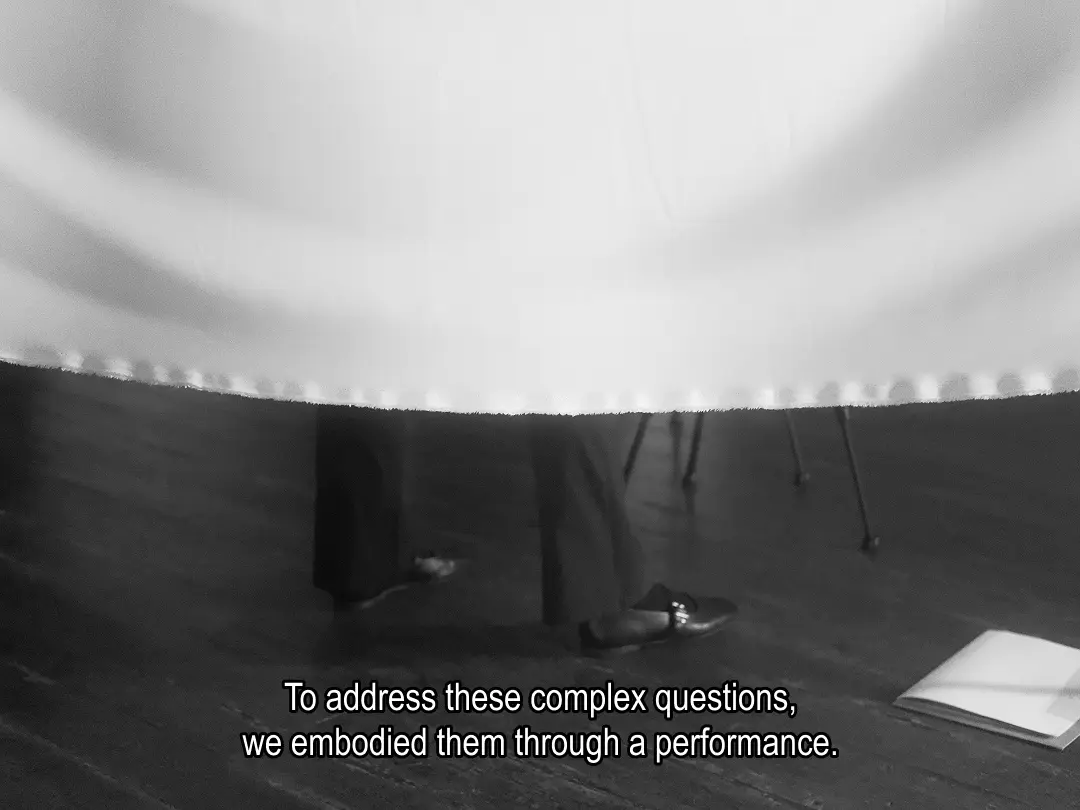
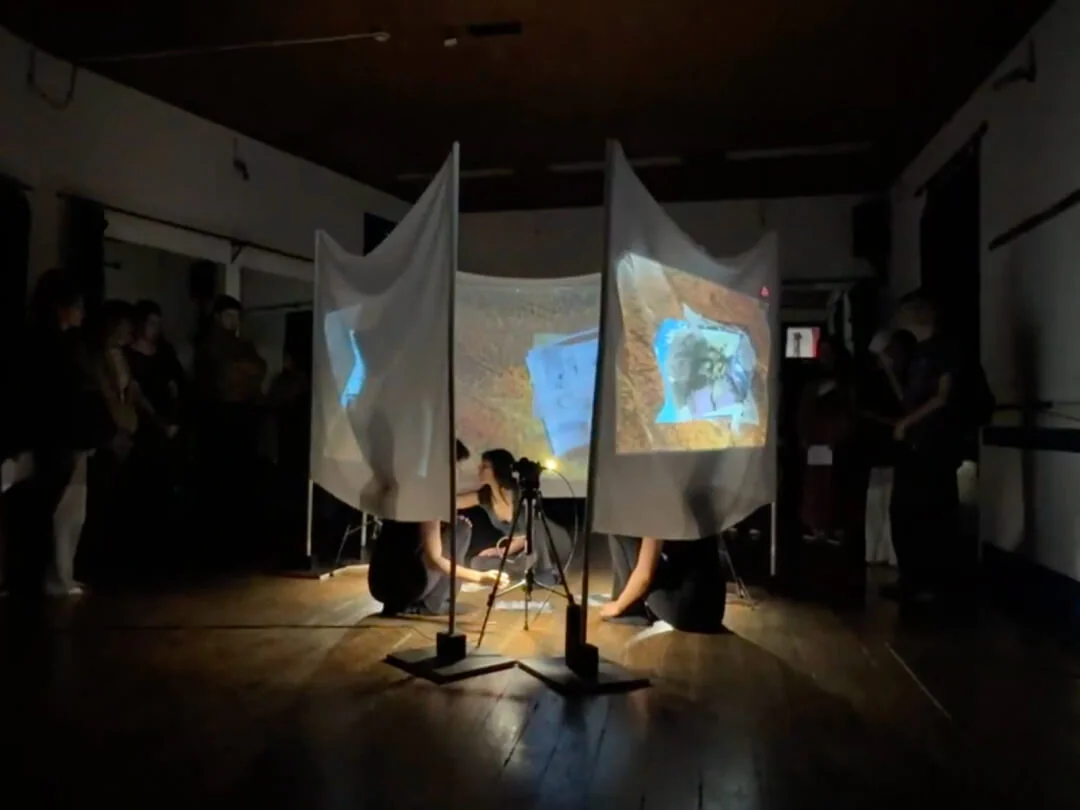
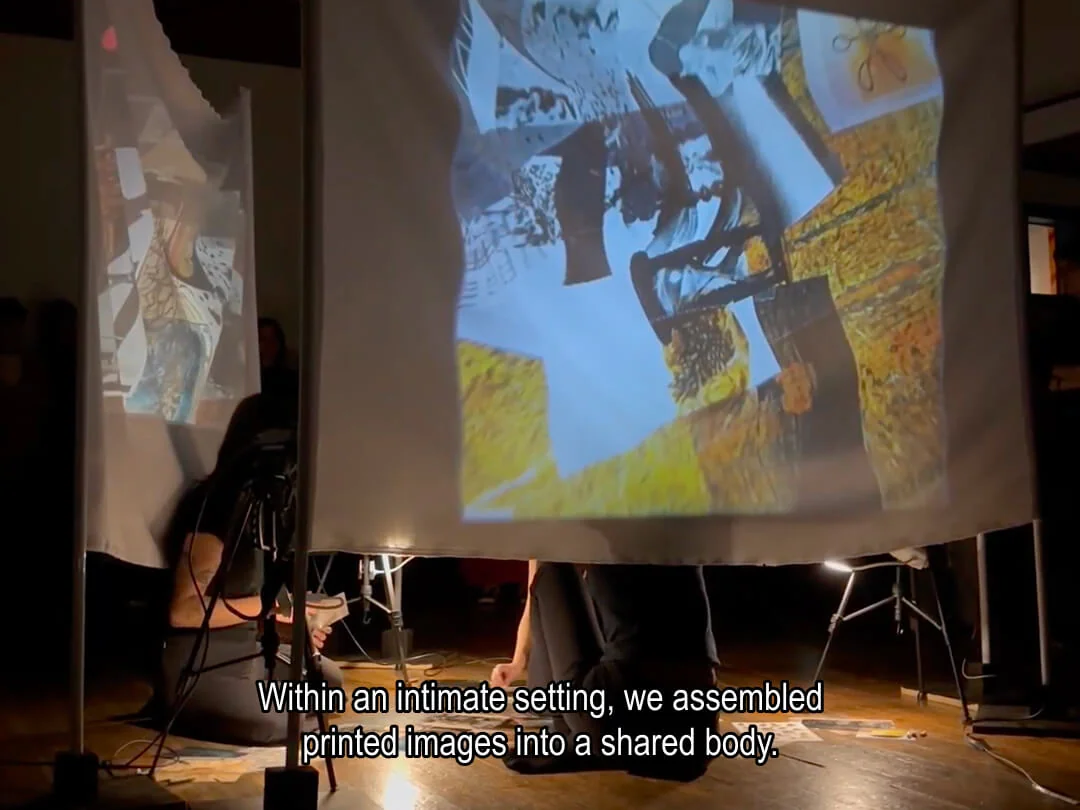
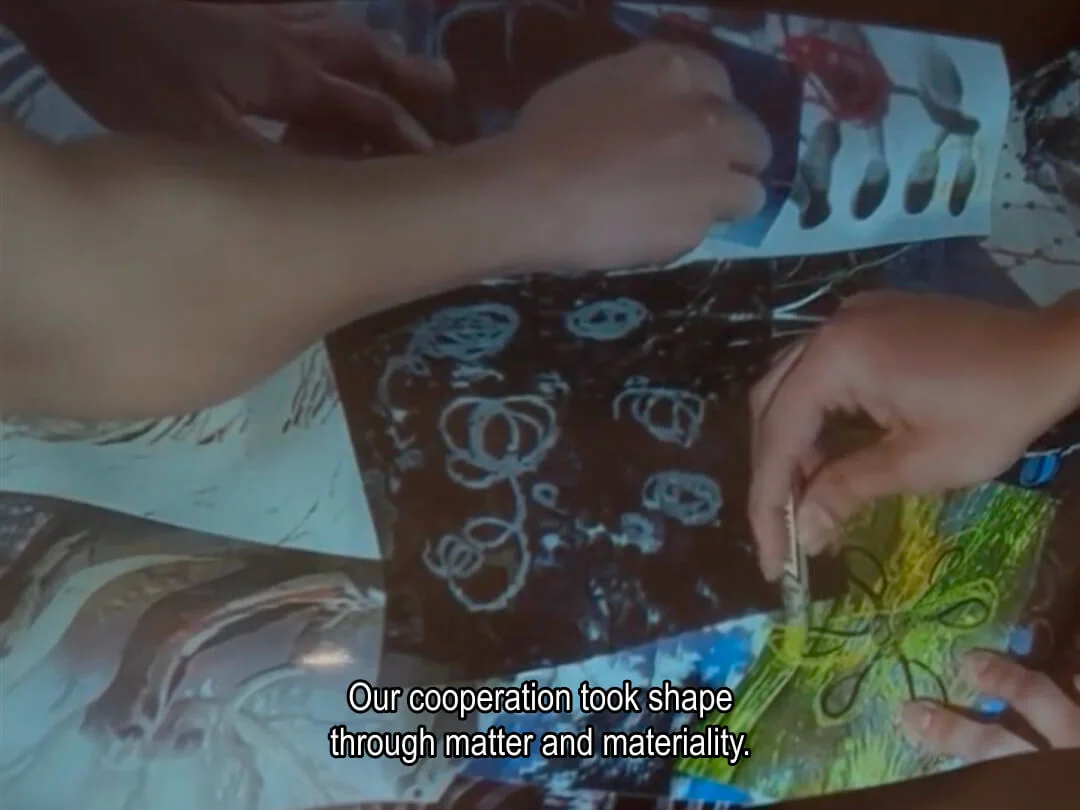
A Matryoshka (PERFORMANCE)

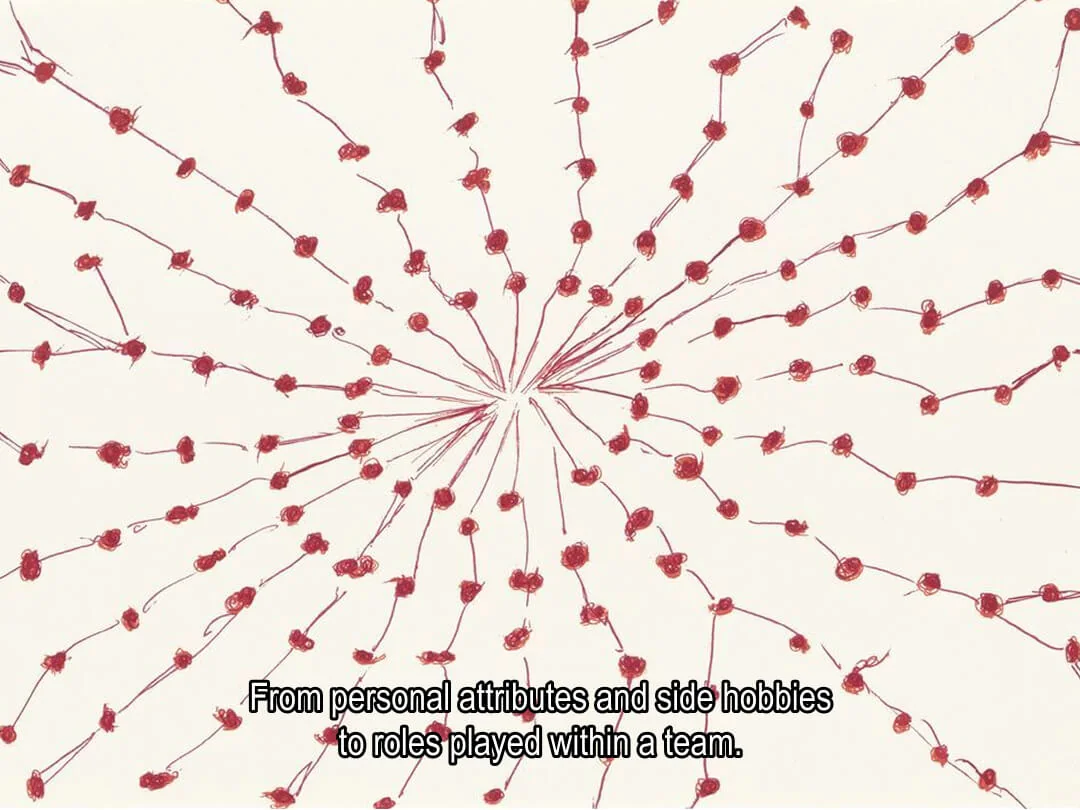
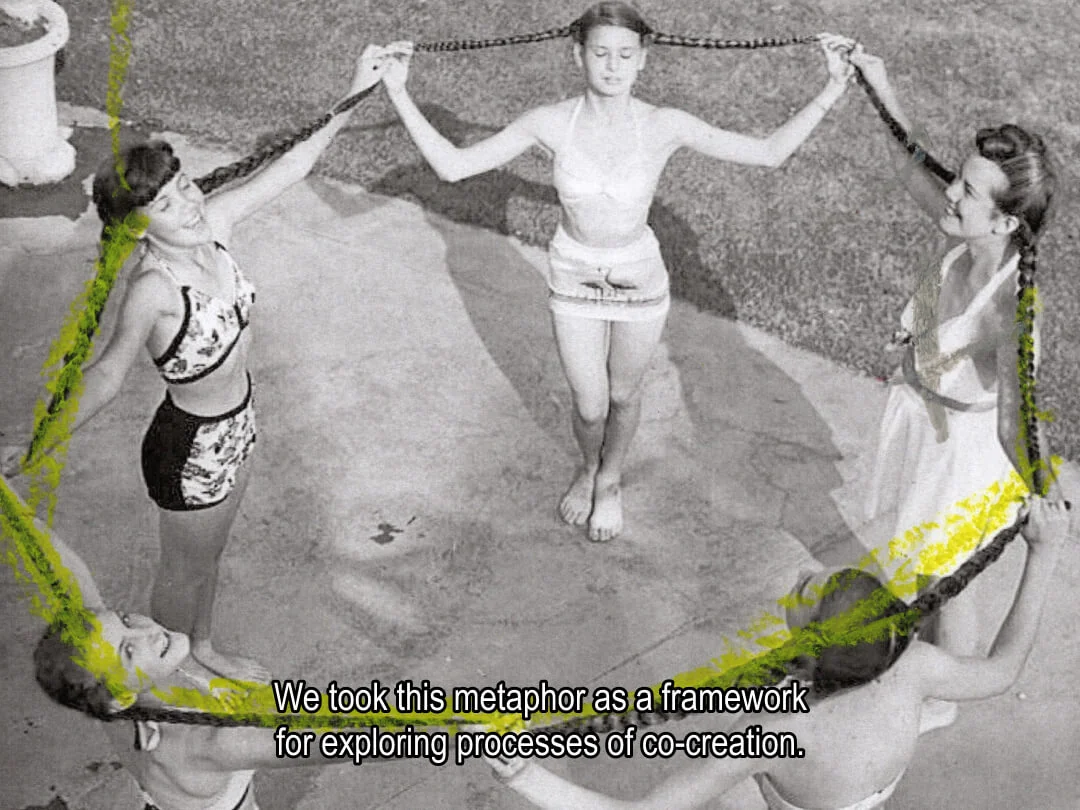
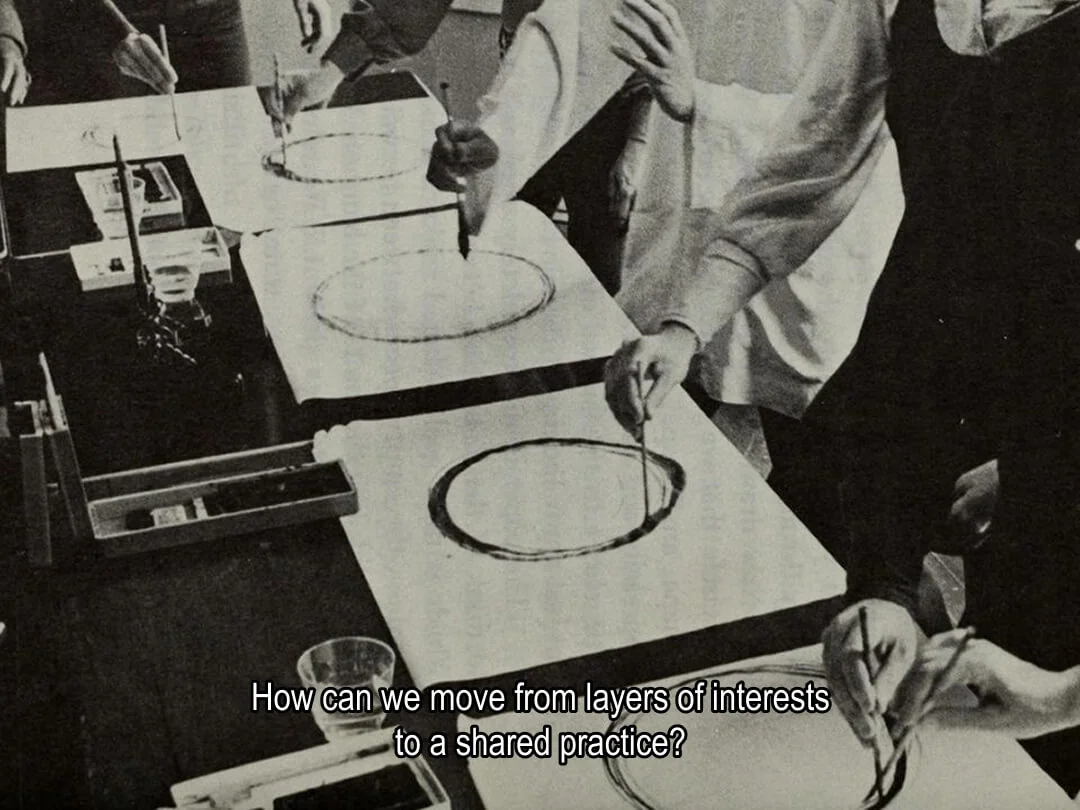
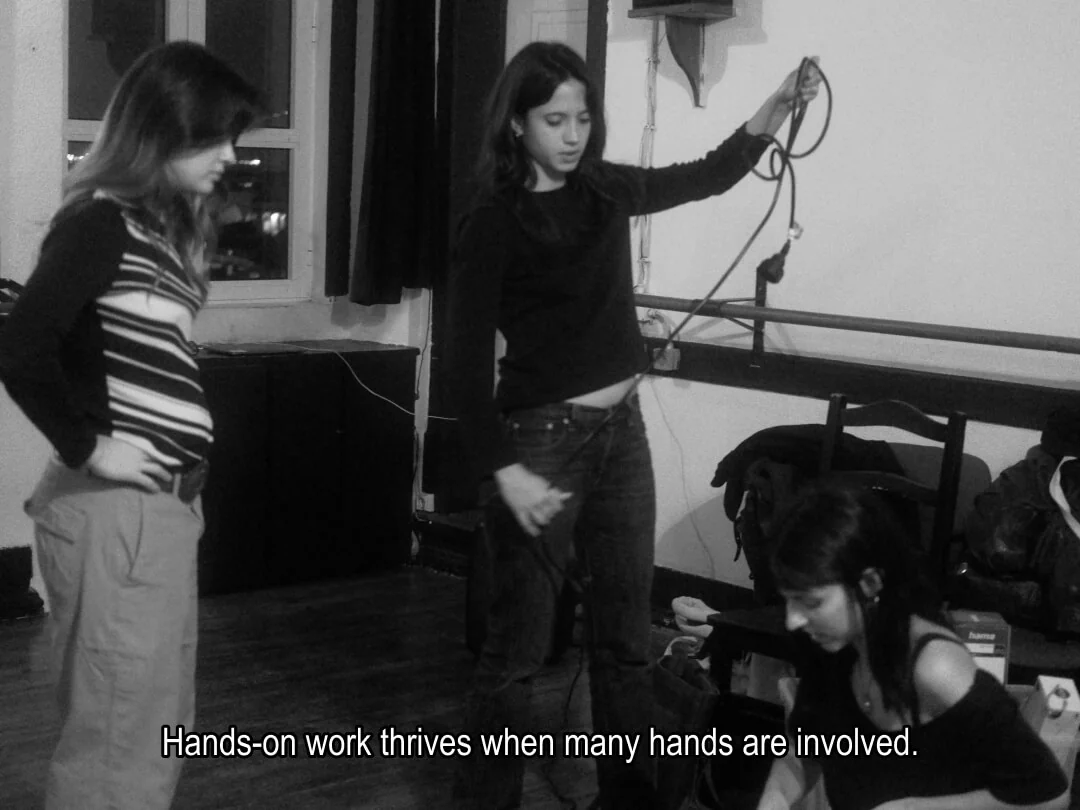
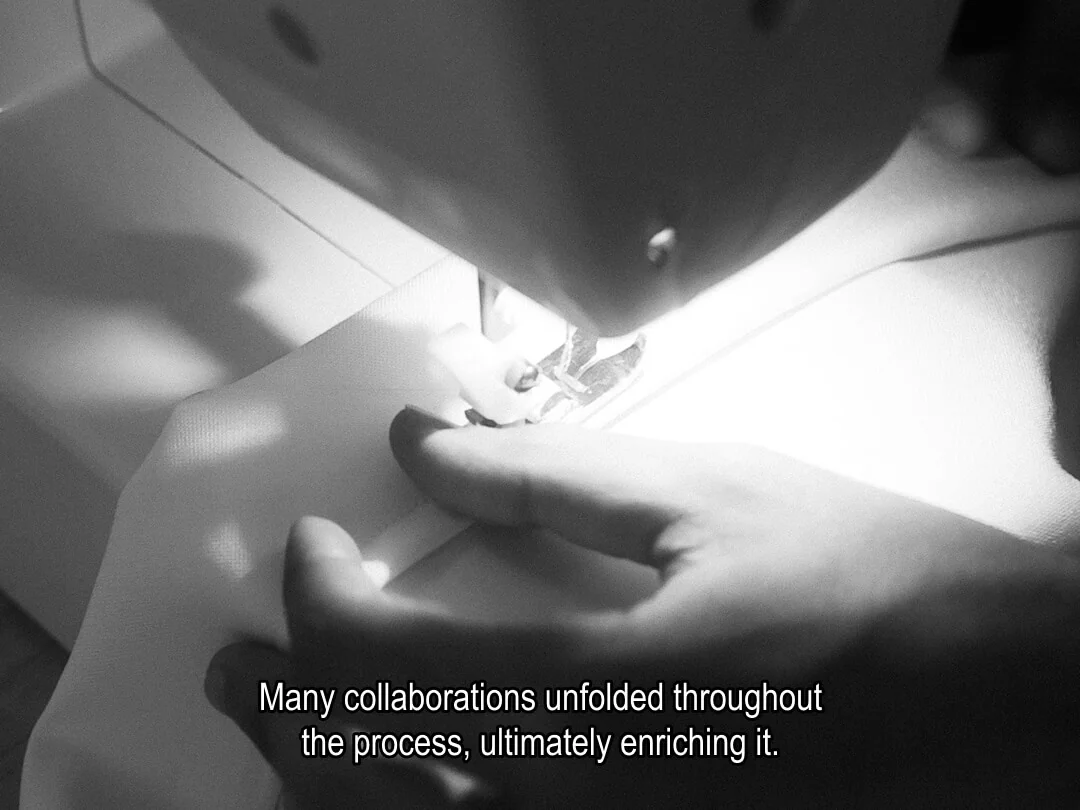
As we approach the end of our degree, we look back on the cycle that is drawing to a close. Between our individual experiences and our shared education, we have identified parallels in the way we operate within design and beyond. Not only do we prioritise collaboration, but we also honour the interdisciplinary approach that defines us. It is this stance that A Designer at the End of Matryoshka seeks to echo.

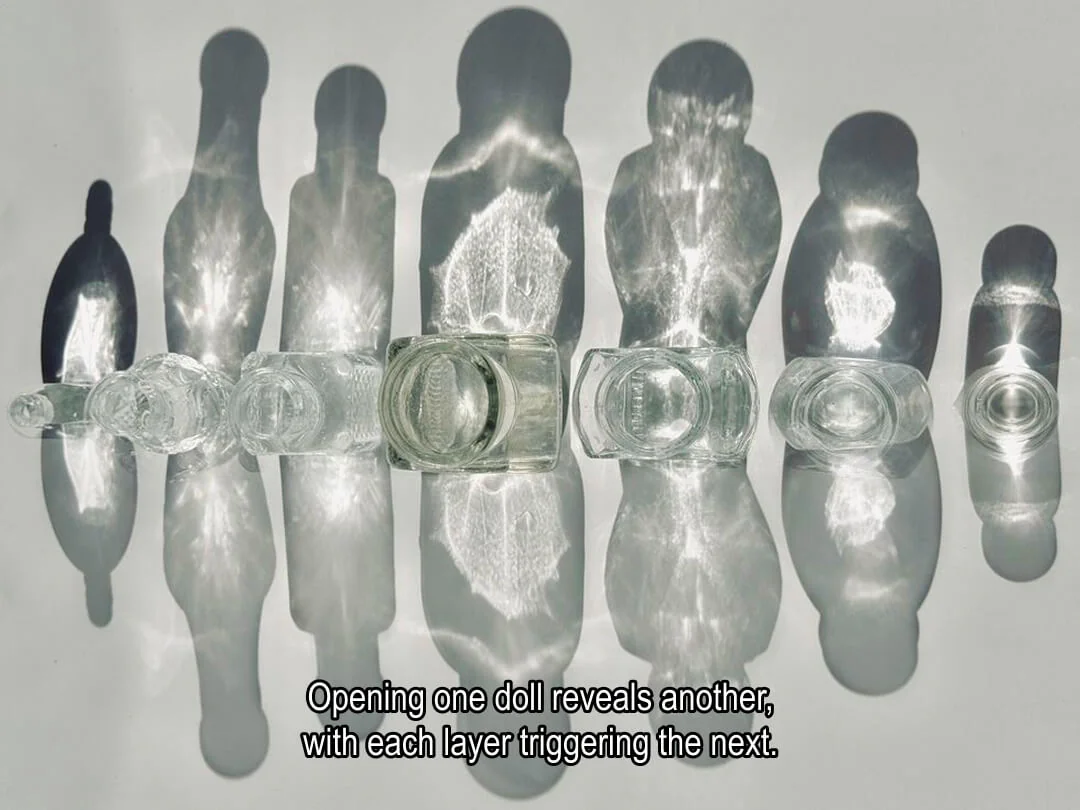
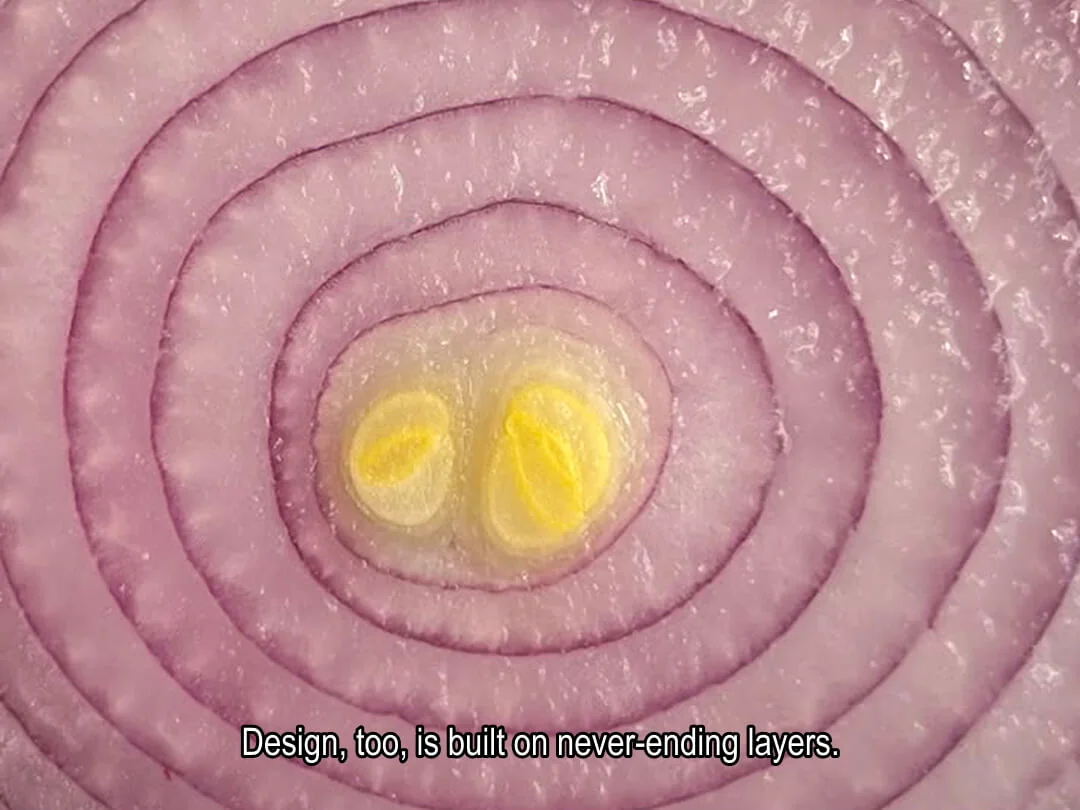
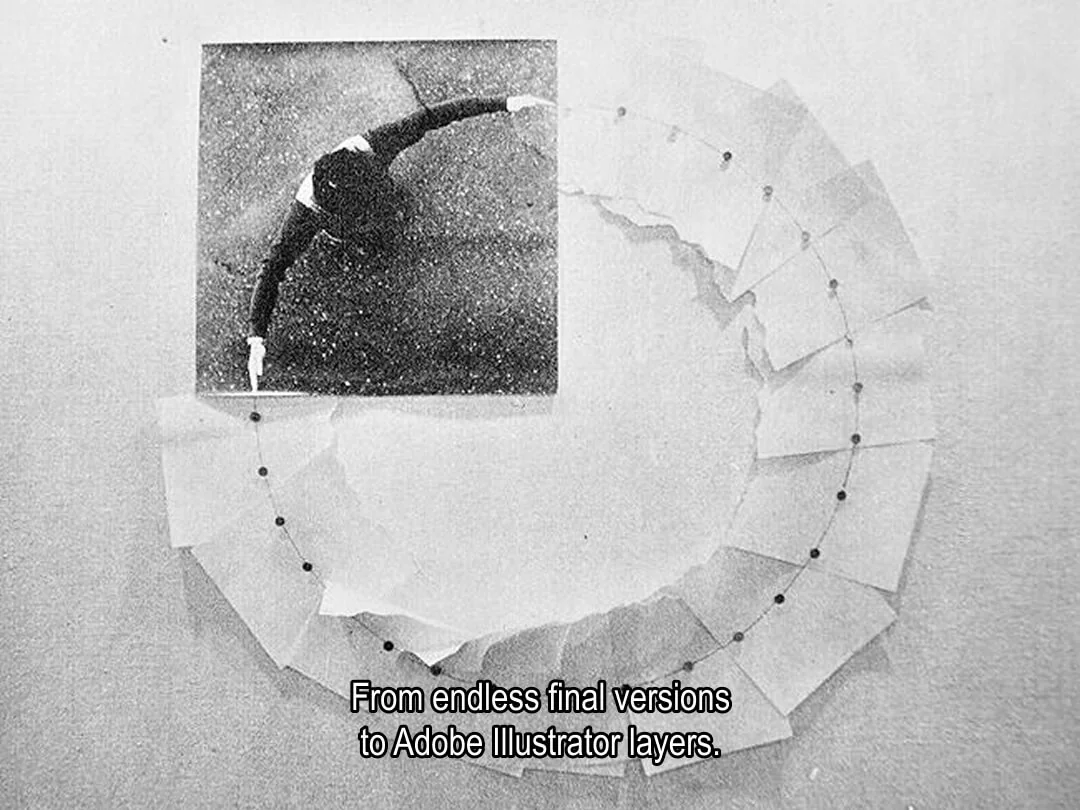
What drew us to the matryoshka was, from the outset, the cyclical curiosity that the object arouses. The act of opening, discovering, opening again and so on is one with which we are familiar. To illustrate the analogy, let us consider what lies within the closed set of dolls. If we section it in half, as in an X-ray, we reveal a system of containers nested within one another. Our practice, too, is structured in nested, expandable and compressible systems of layers of interests. However, and adding to the analogy, we allow hierarchical relationships to be subverted, in line with a practice that is still evolving.

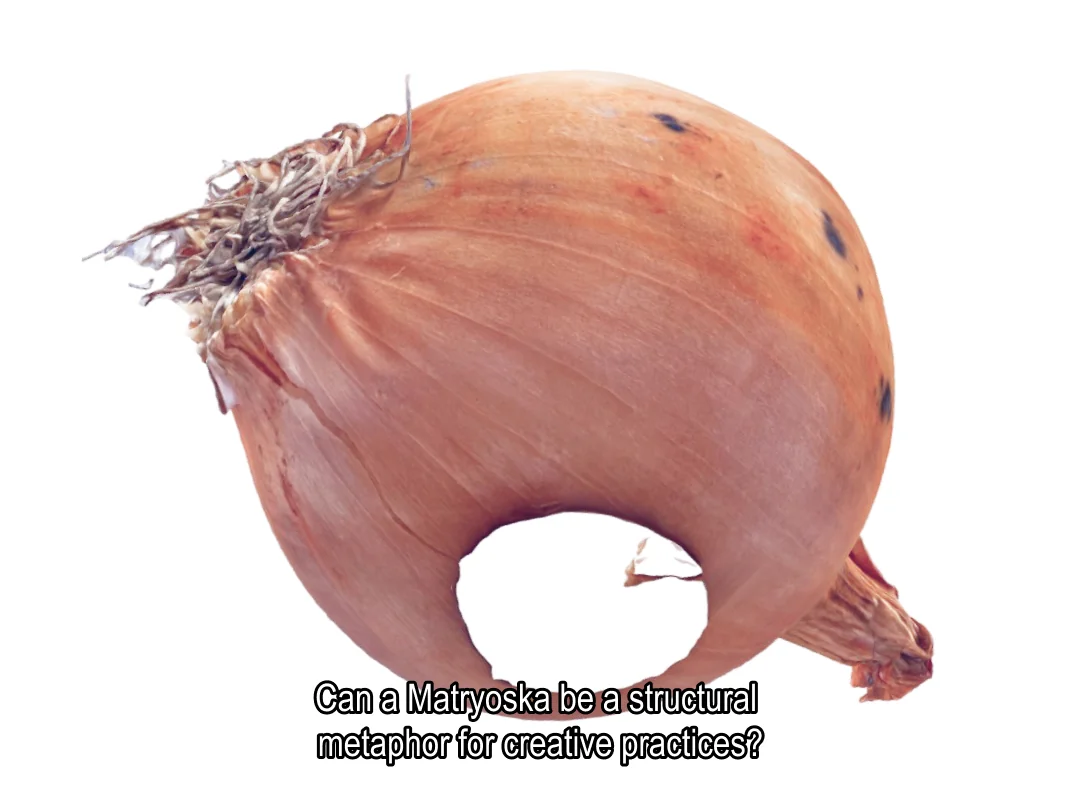
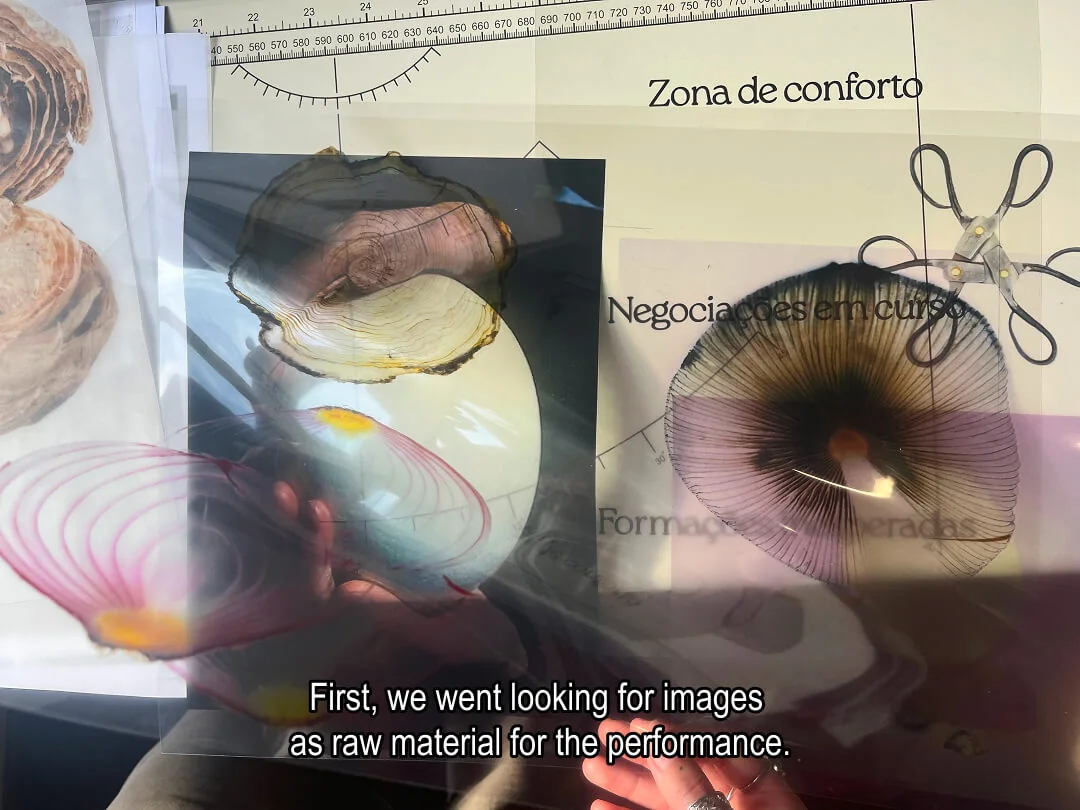
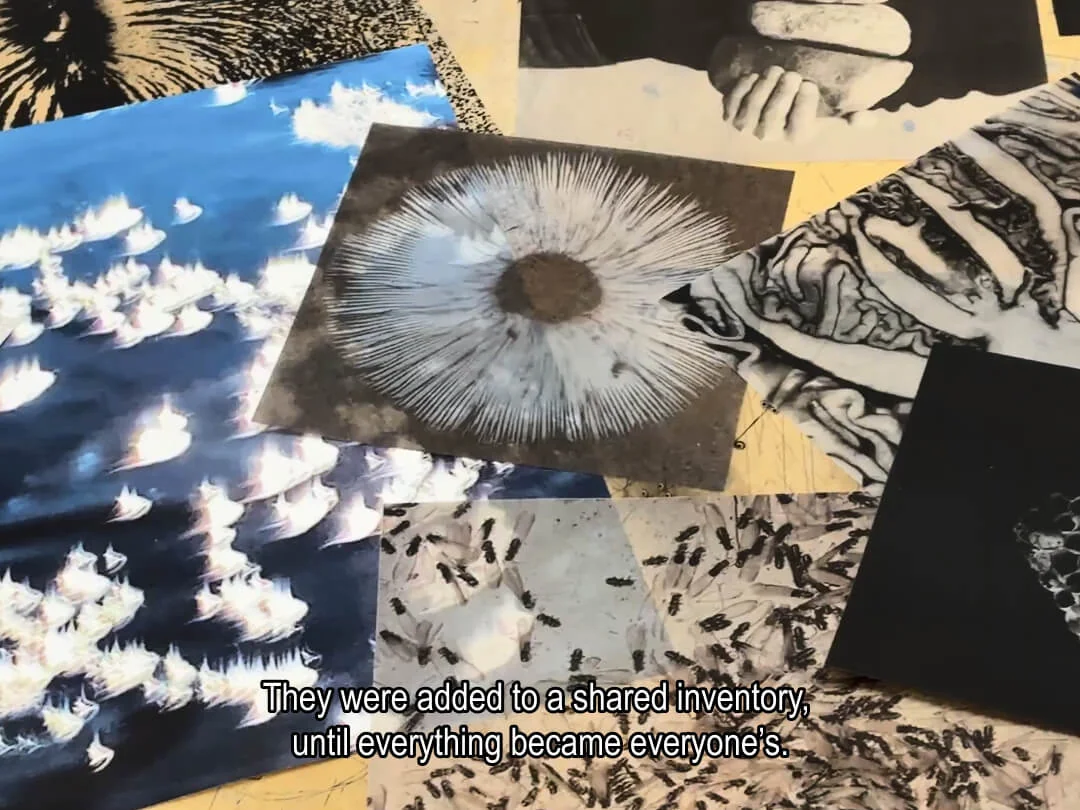
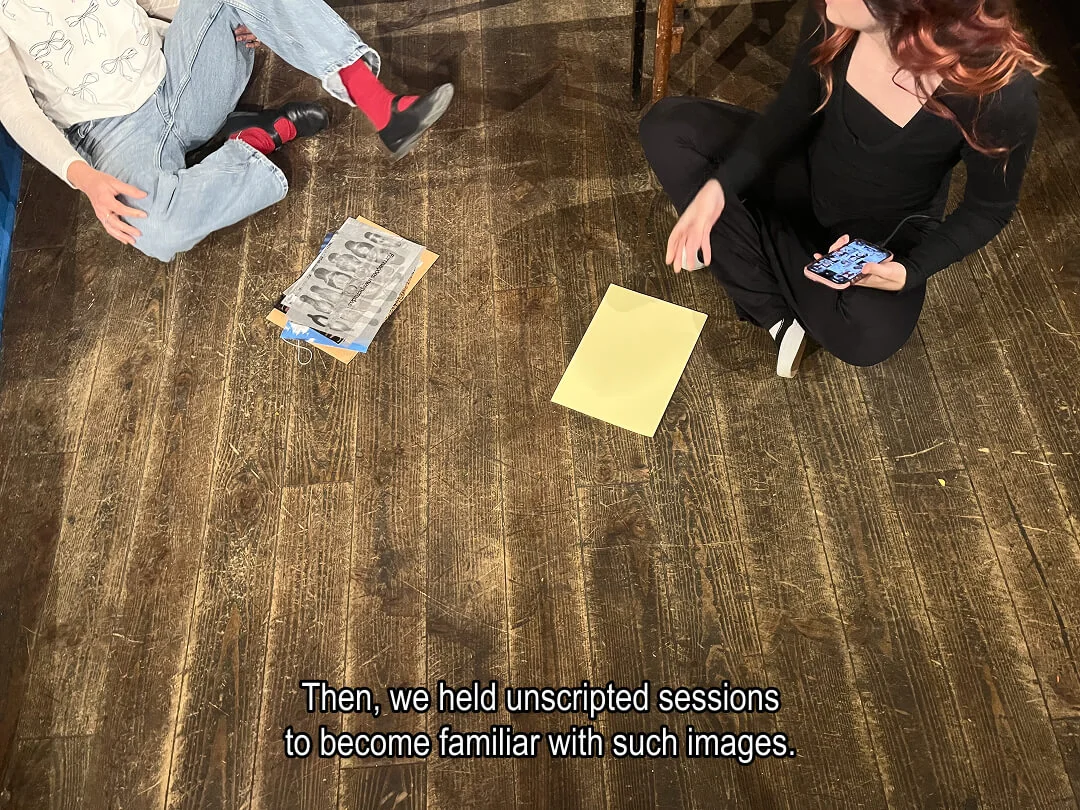
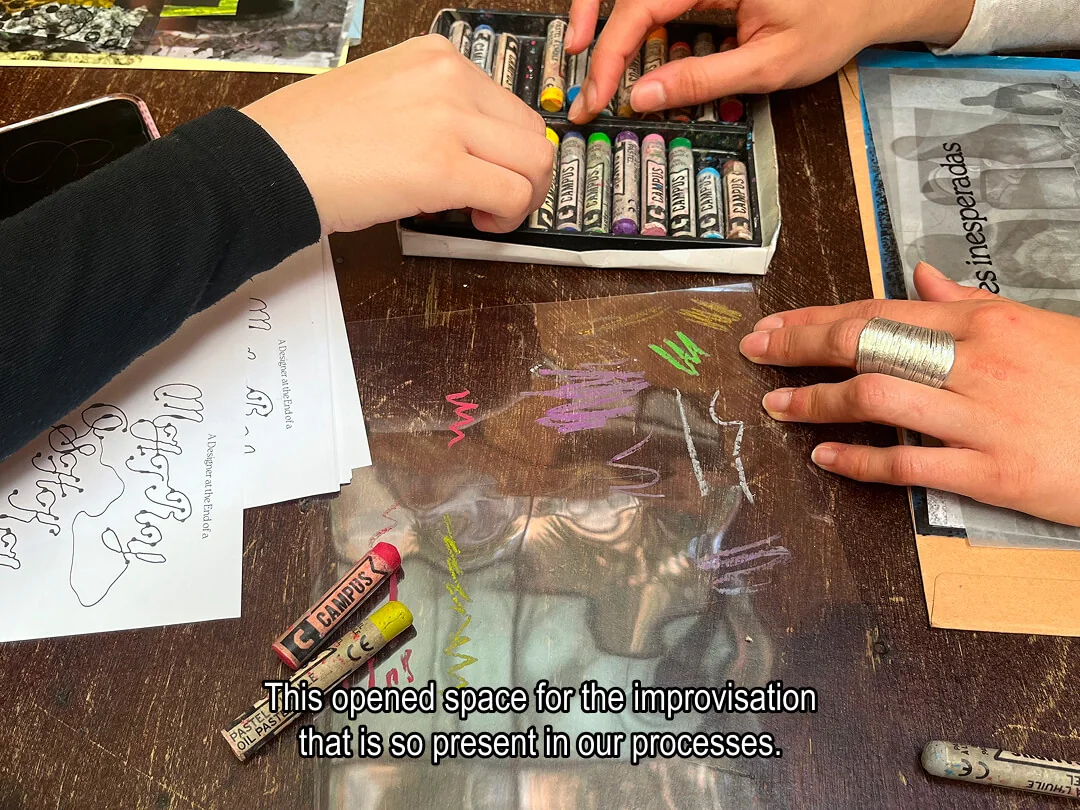
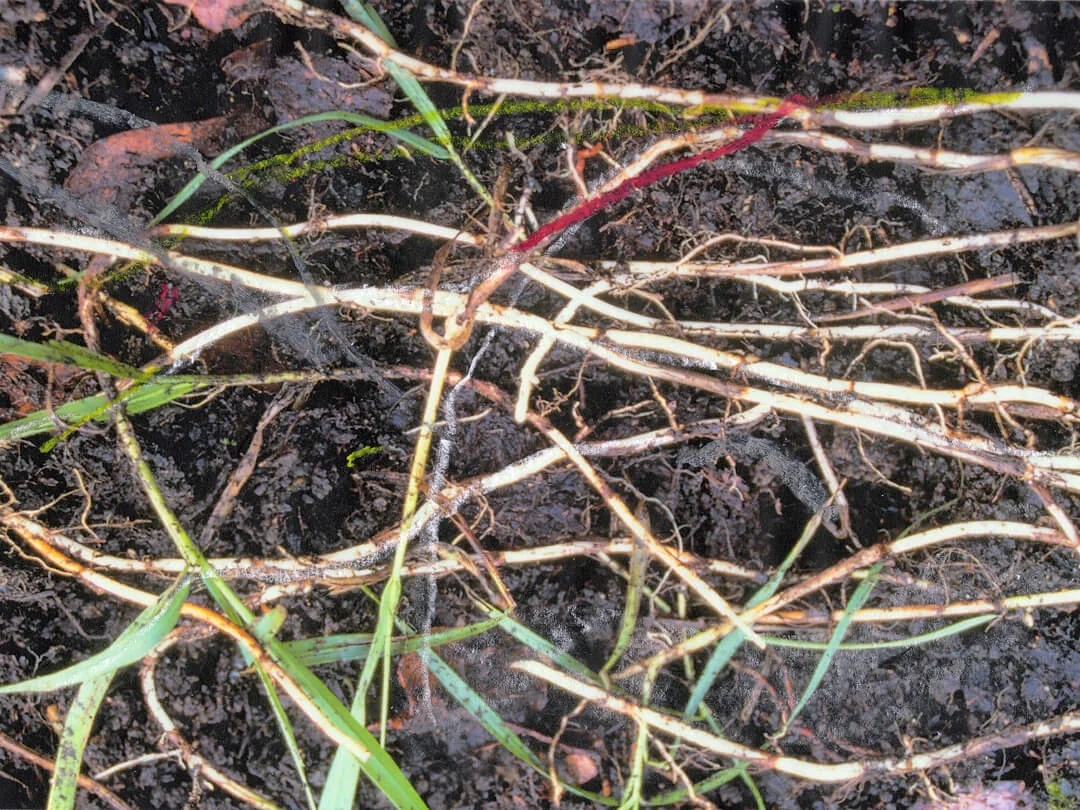
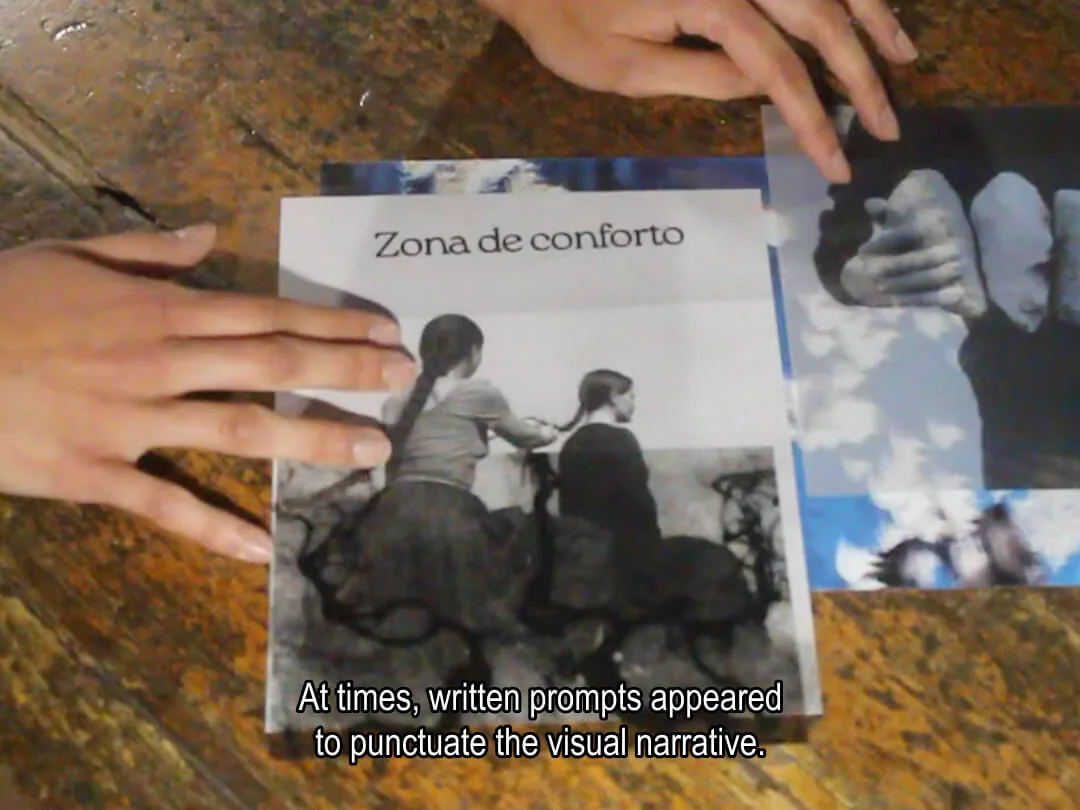
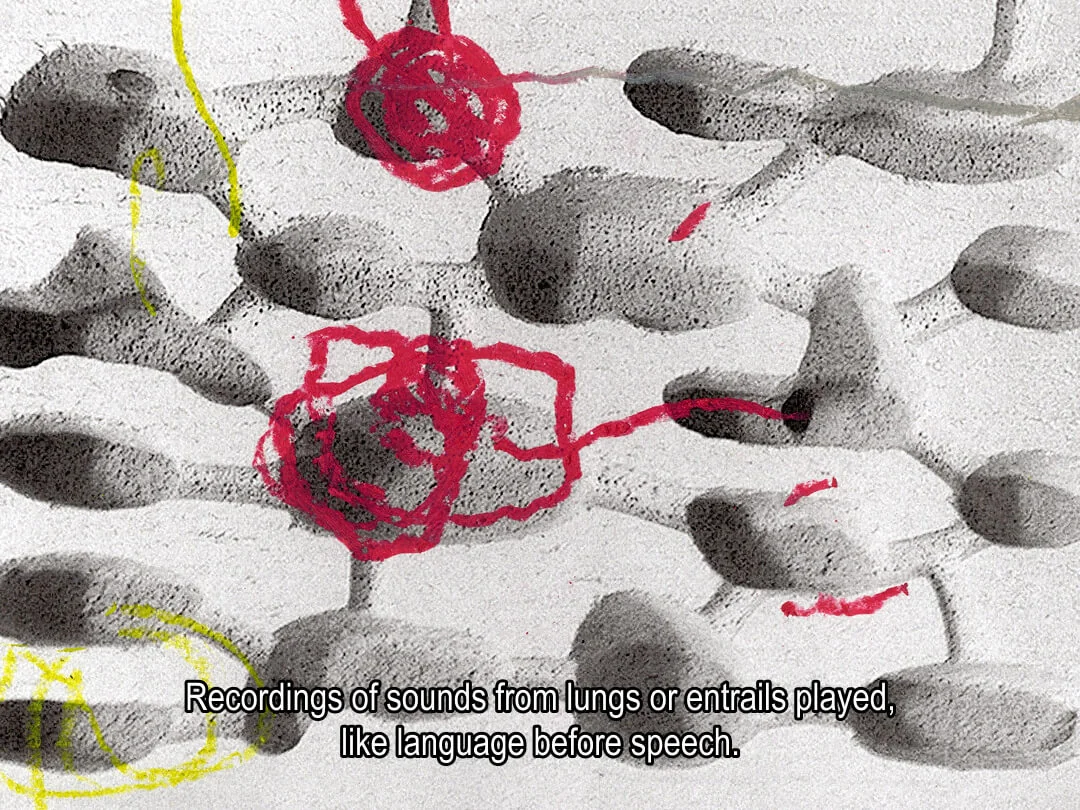
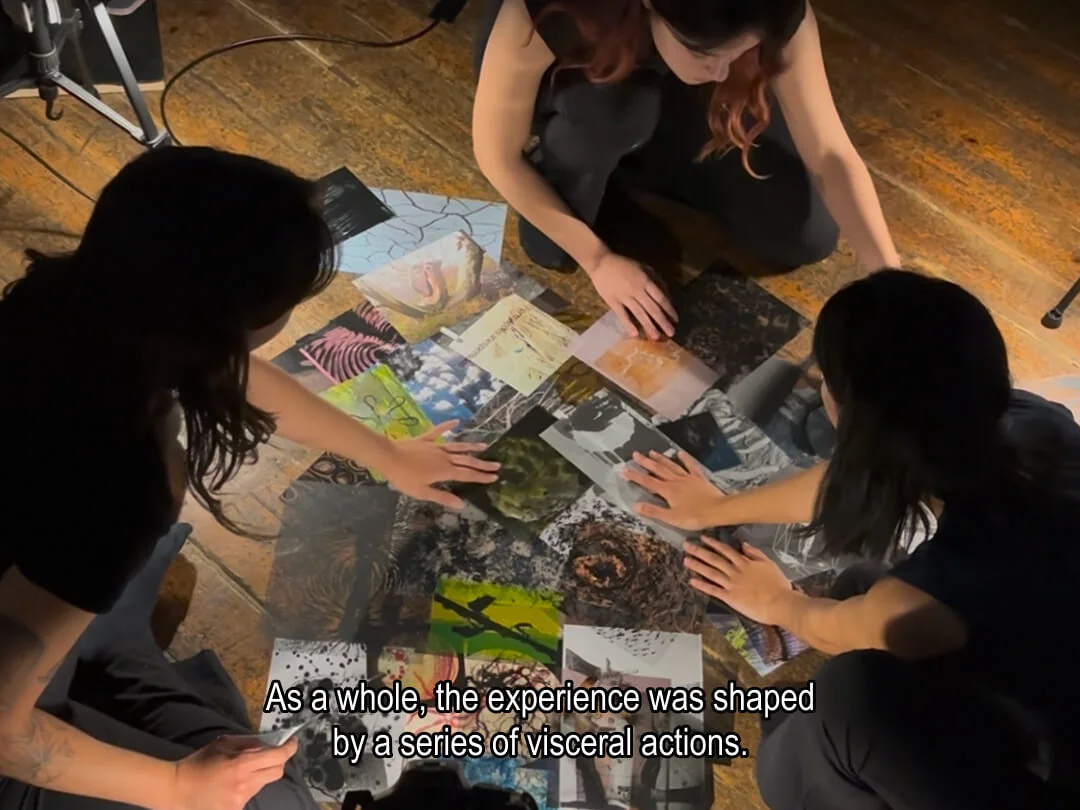
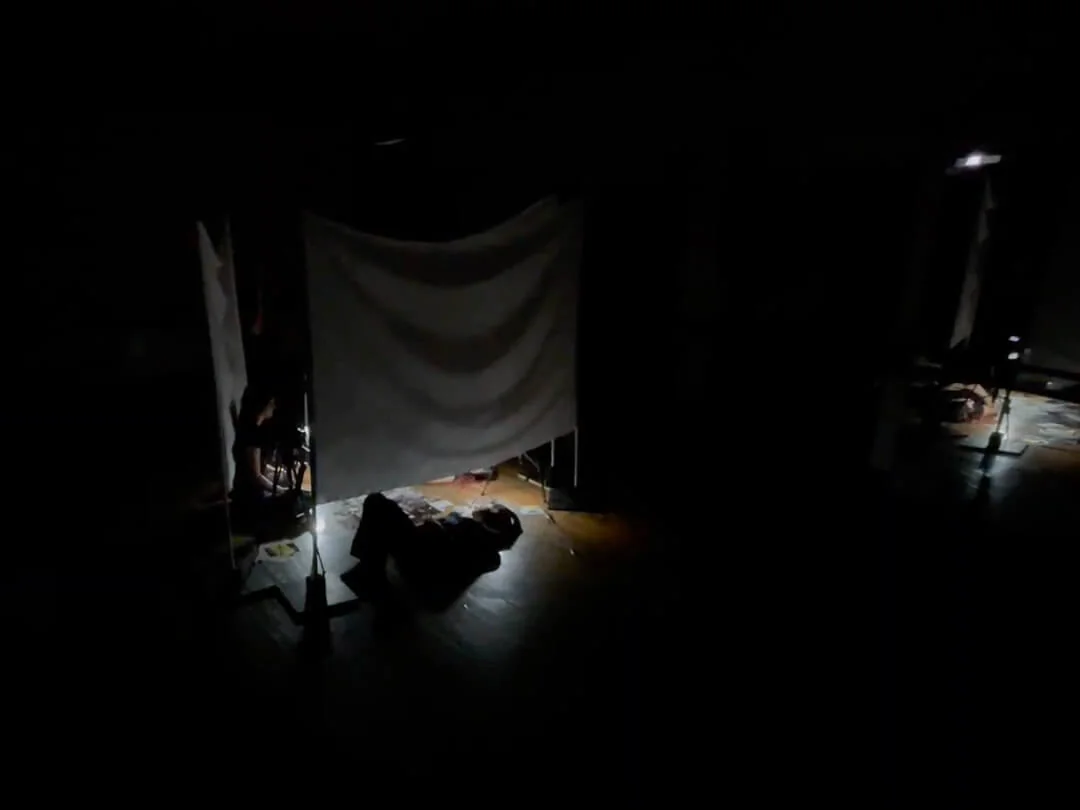
The performance we developed is intended to be exploratory. The intention is to test dynamics, mechanisms and principles of participation, through gesture, materiality and live processes. In this rehearsal space, there is room for ambiguous forms of communication, such as the image of a peeled onion or a sound coming from the gut. There is a certain degree of improvisation that intrudes upon the orchestrated atmosphere of the performance, and by extension, any creative process.

PROJECT BY Anita Maia
Margarida Fundo
Mariana Silva

close
A DESIGNER AT THE END OF...
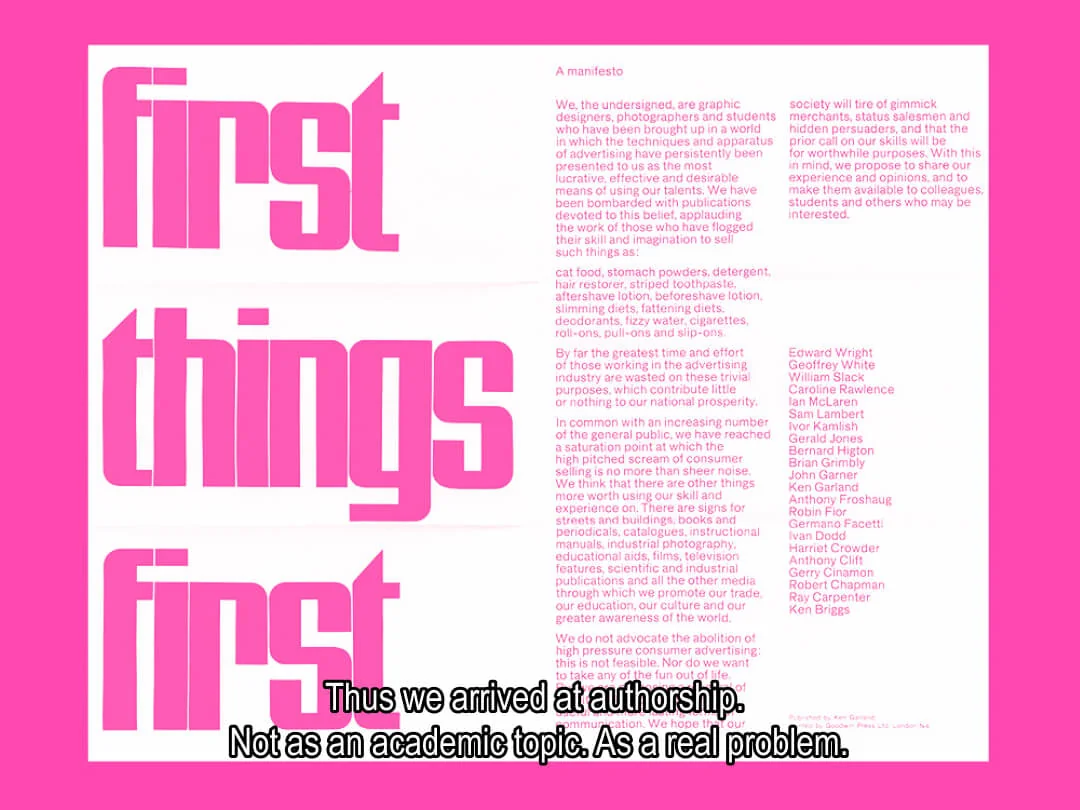
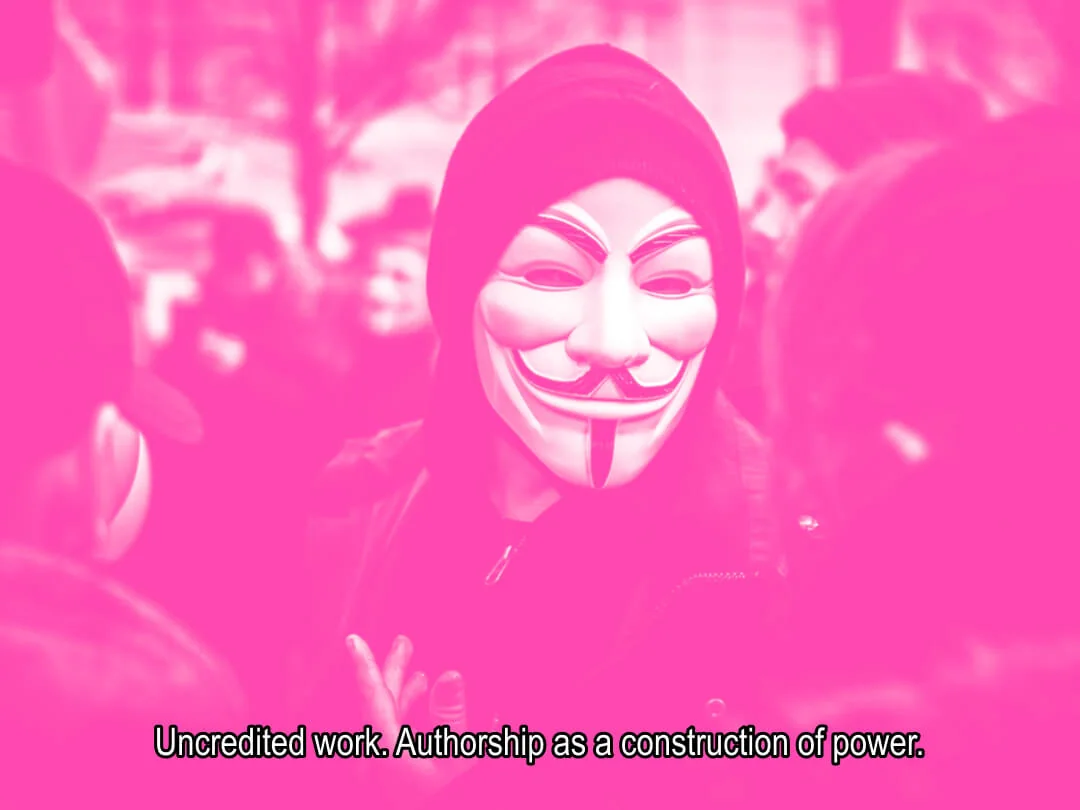
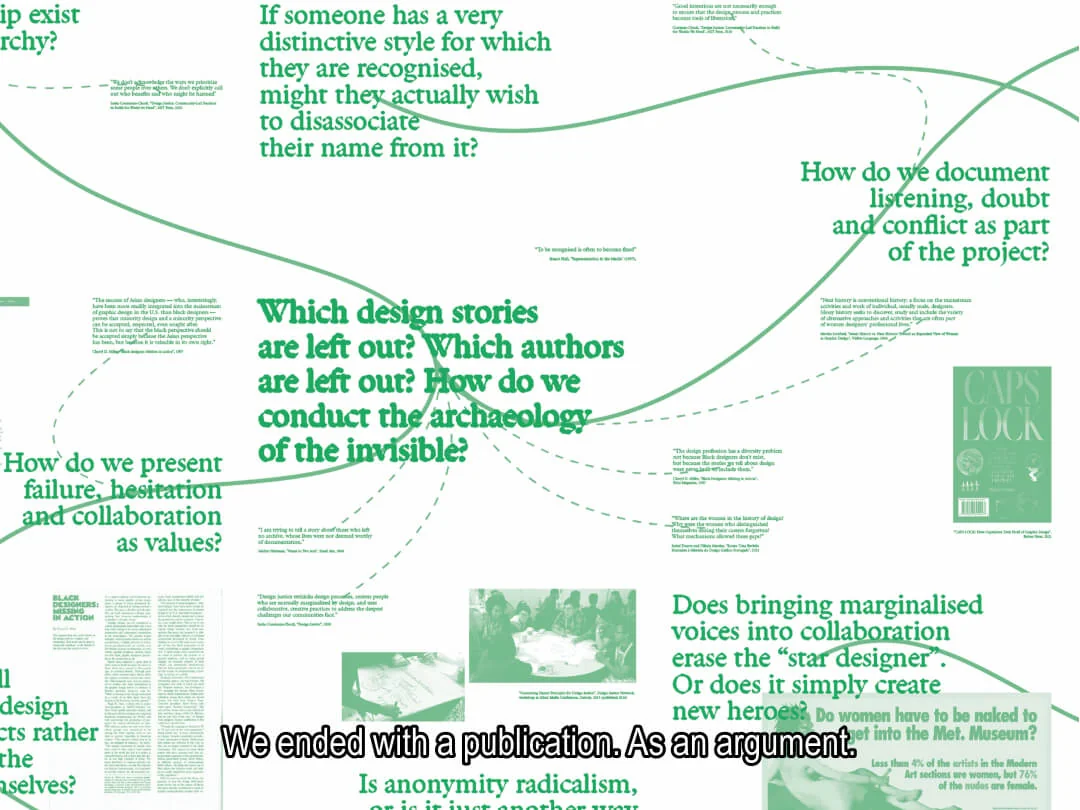
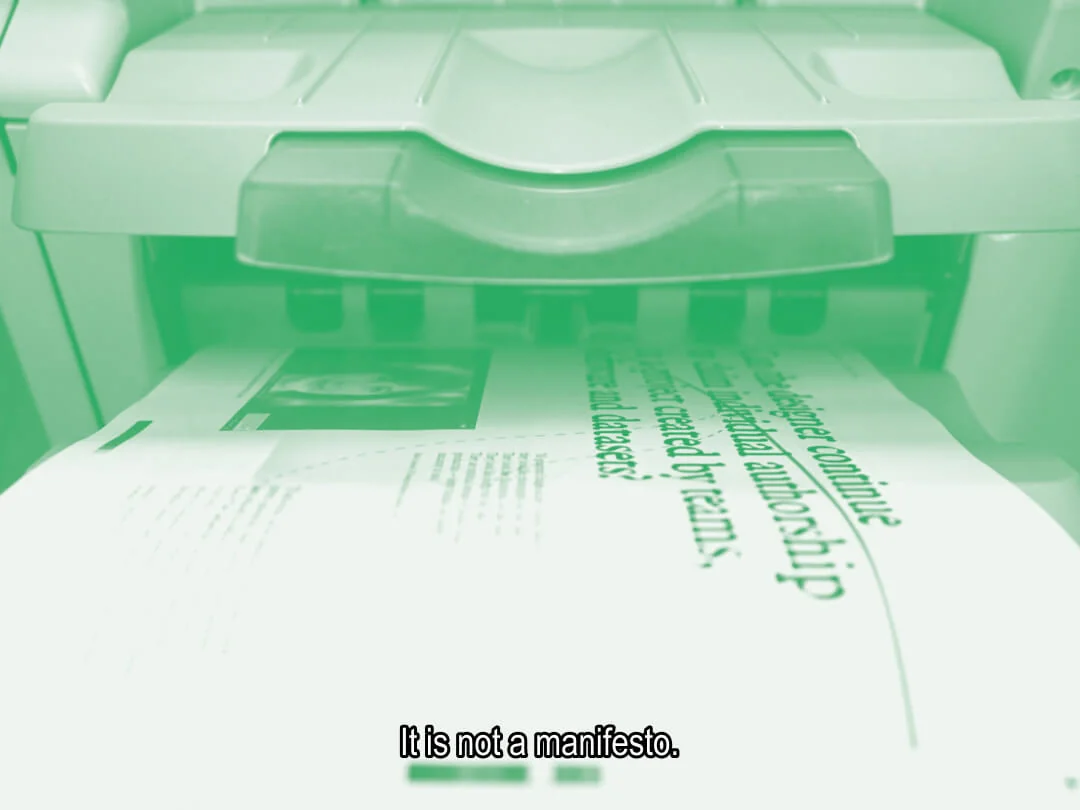
Authorship (PUBLICATION)

We are at the end of a journey, and with that comes a strange feeling: college will soon be behind us, and so is the particular freedom it allows, the freedom to ask what truly matters before professional practice settles in.

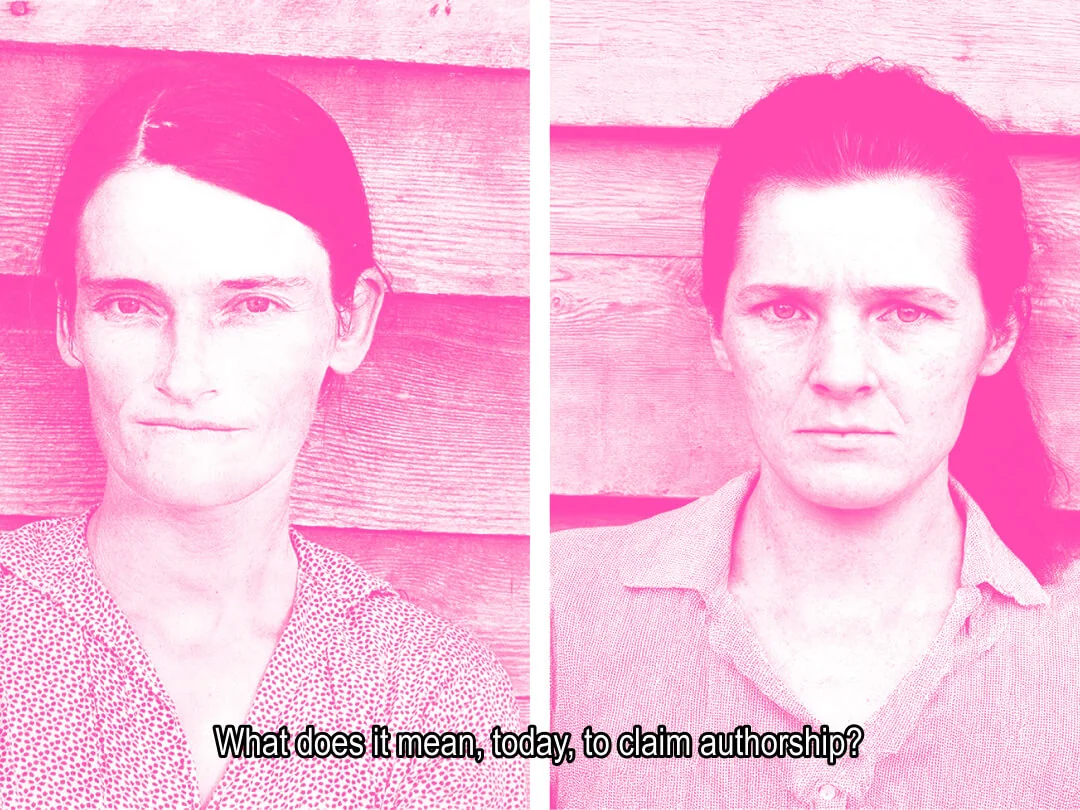
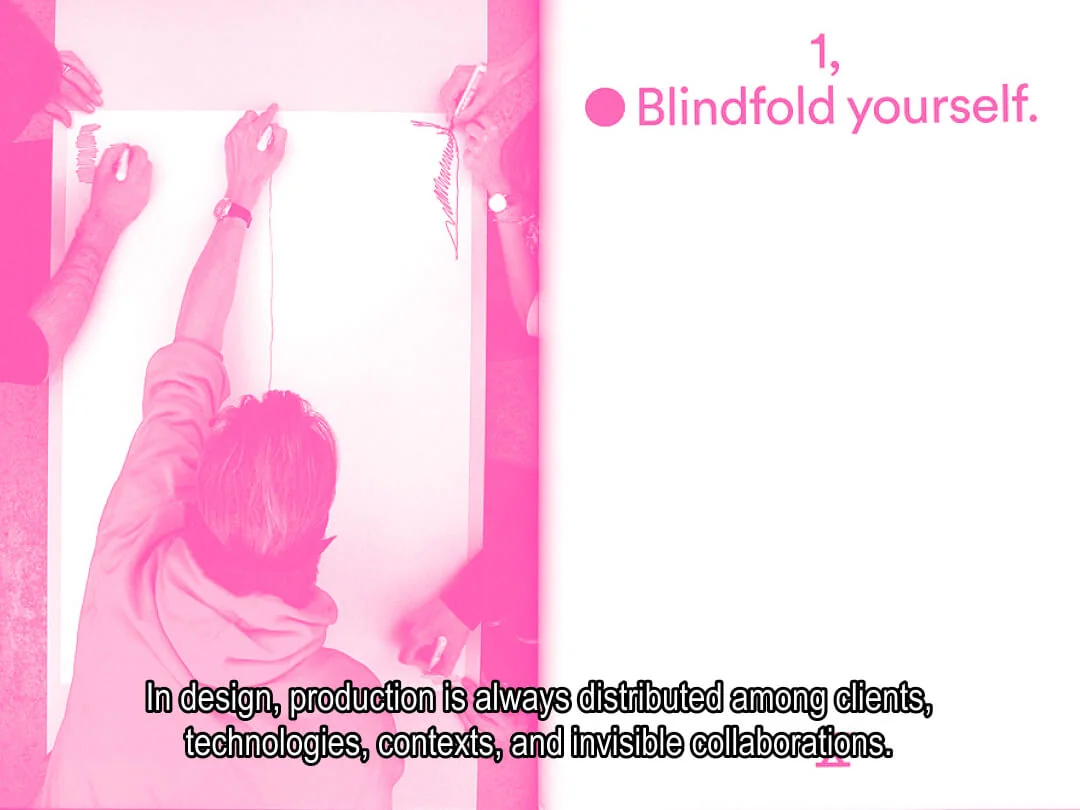
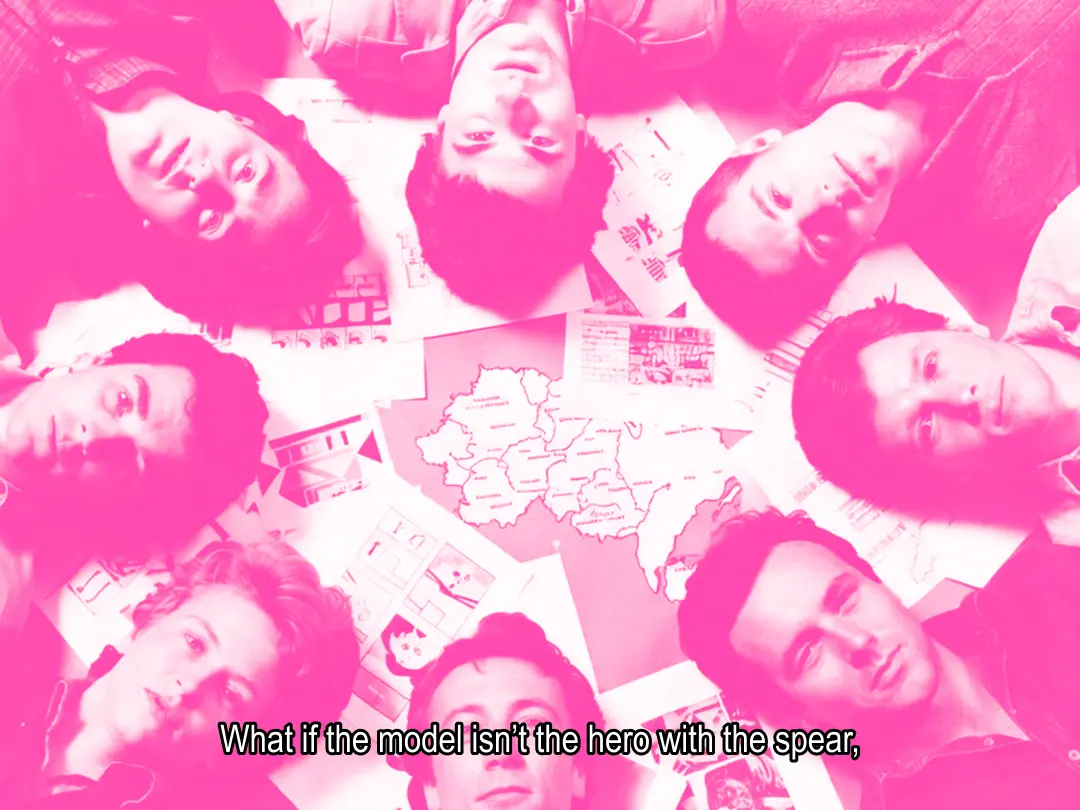
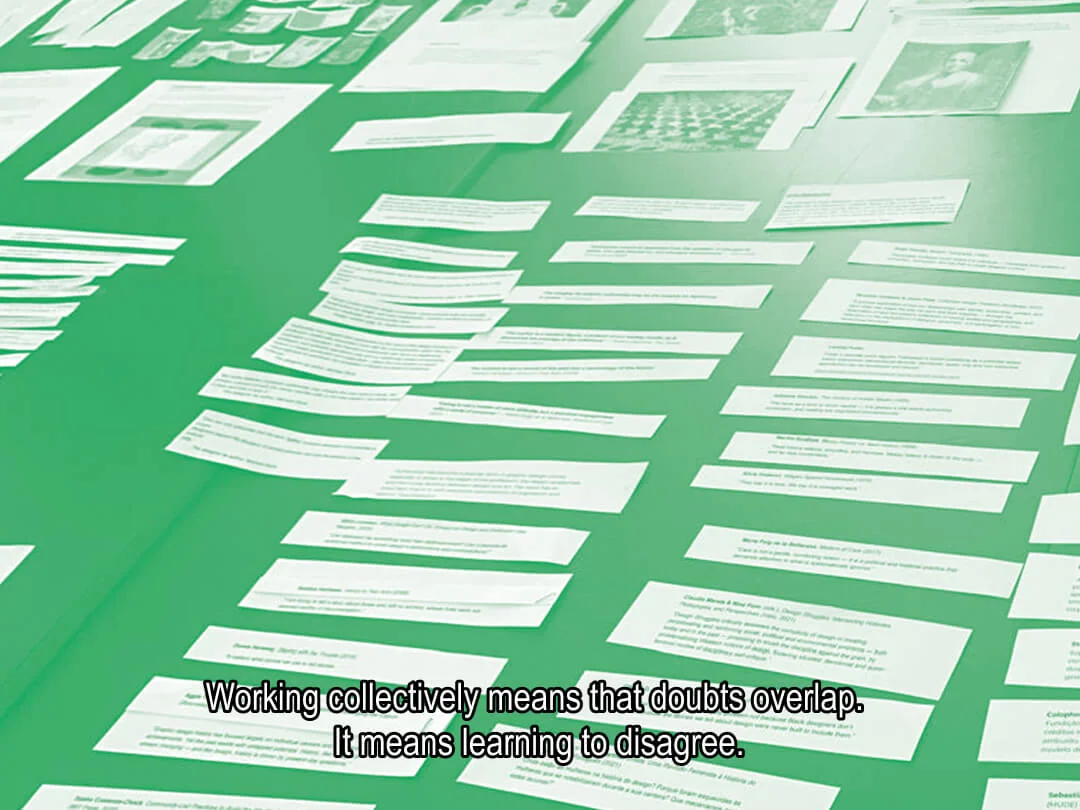
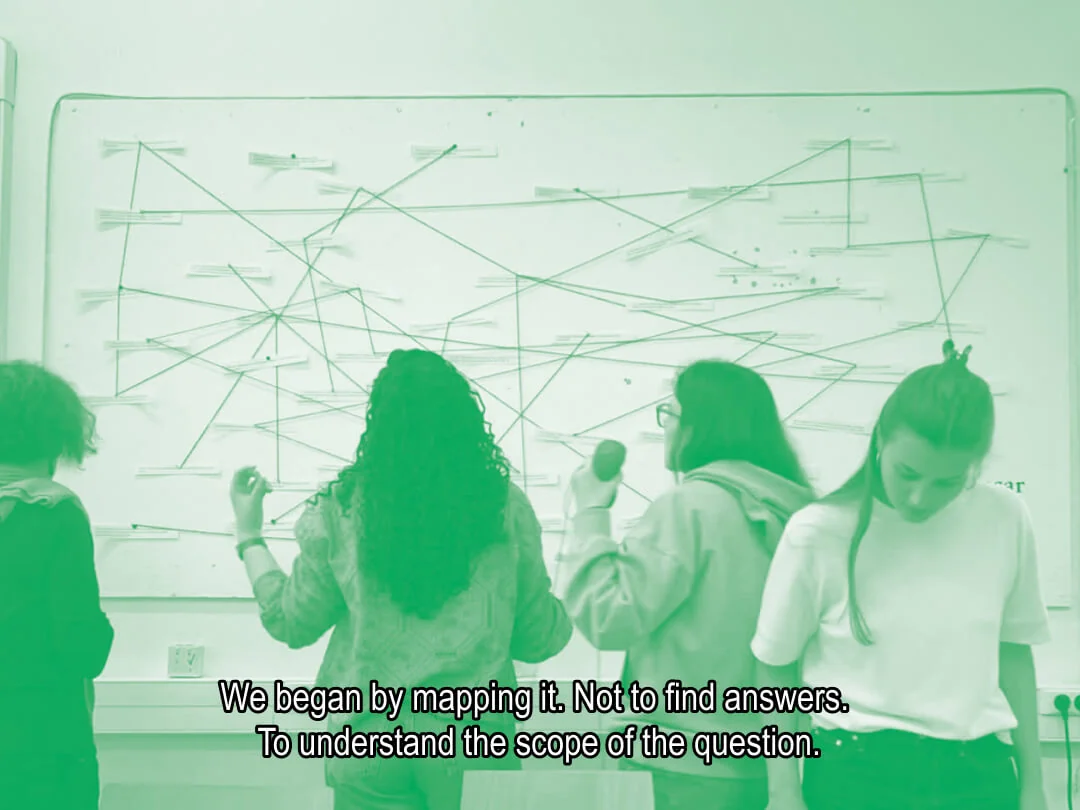
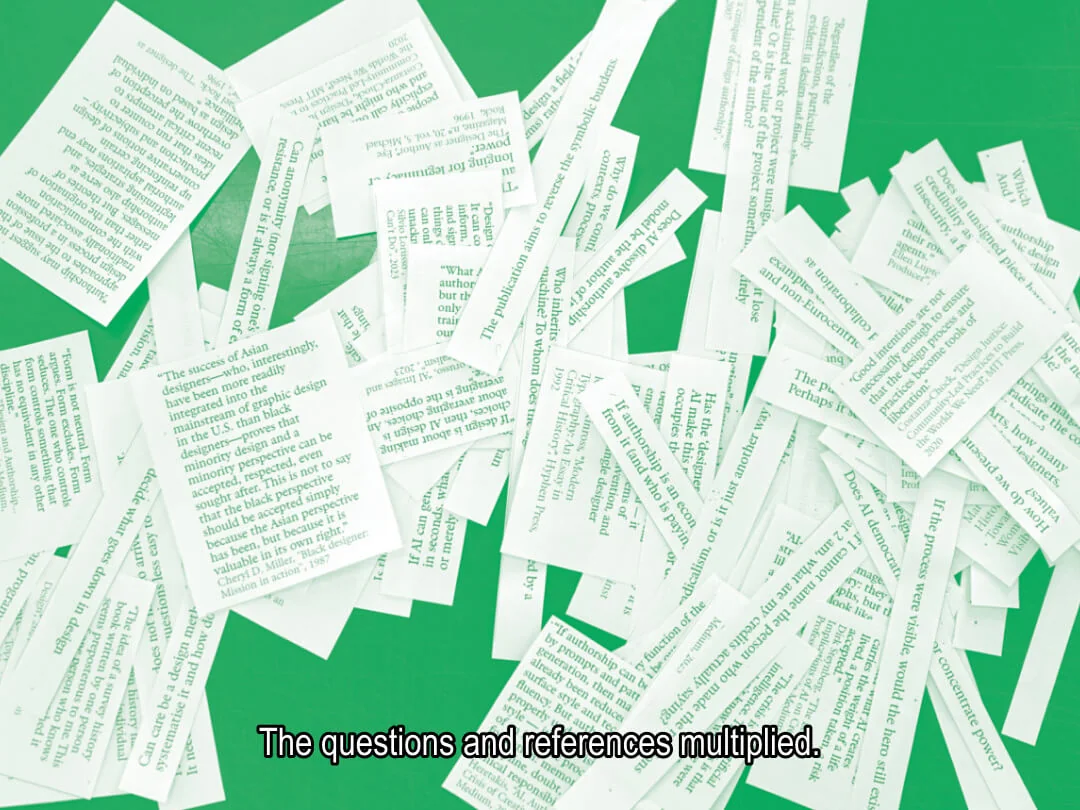
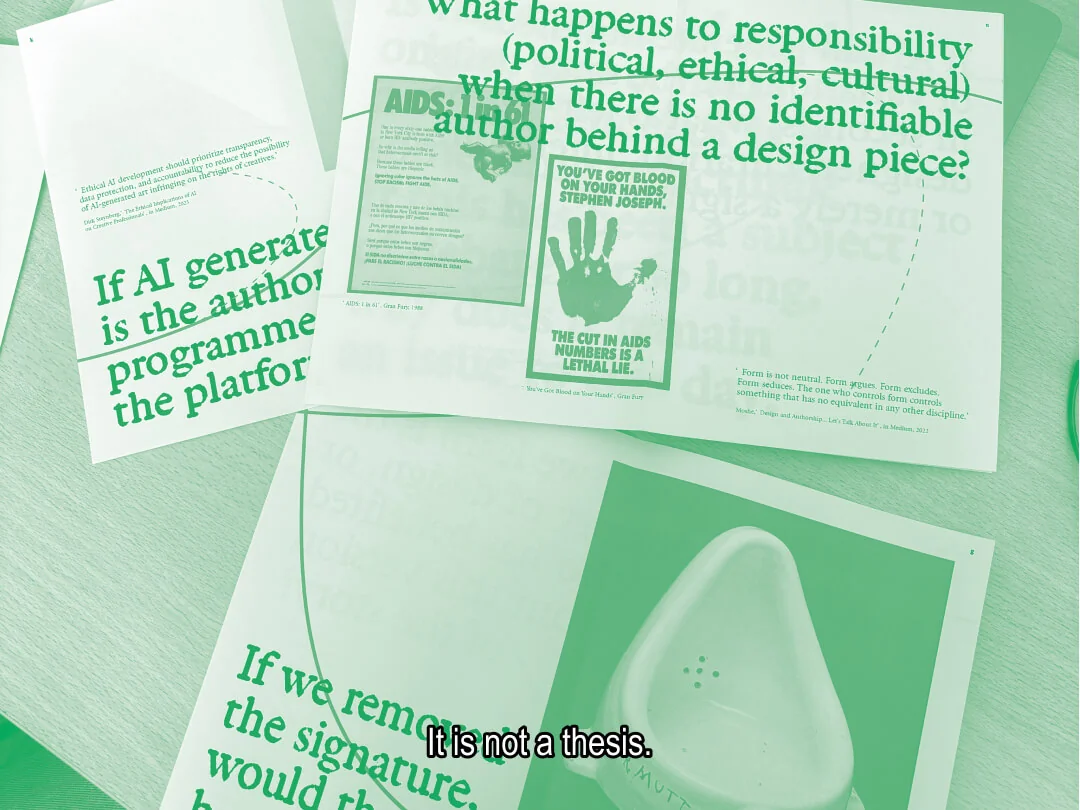
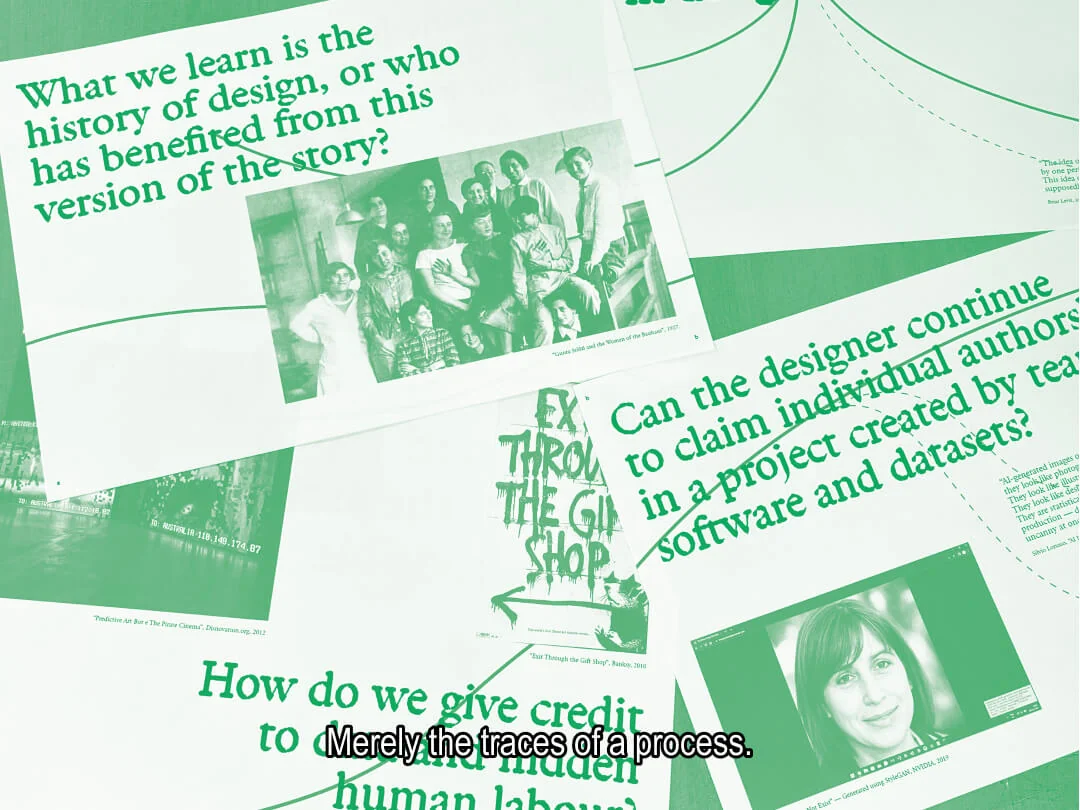
The prompt was simple: complete the sentence "A designer at the end of…" and turn it into a project. What emerged, through collective work and productive disagreement, was a shared concern around authorship — not as a settled category, but as a construction that needed questioning. What does it mean to claim authorship today, in a discipline where production is always collaborative, always distributed?

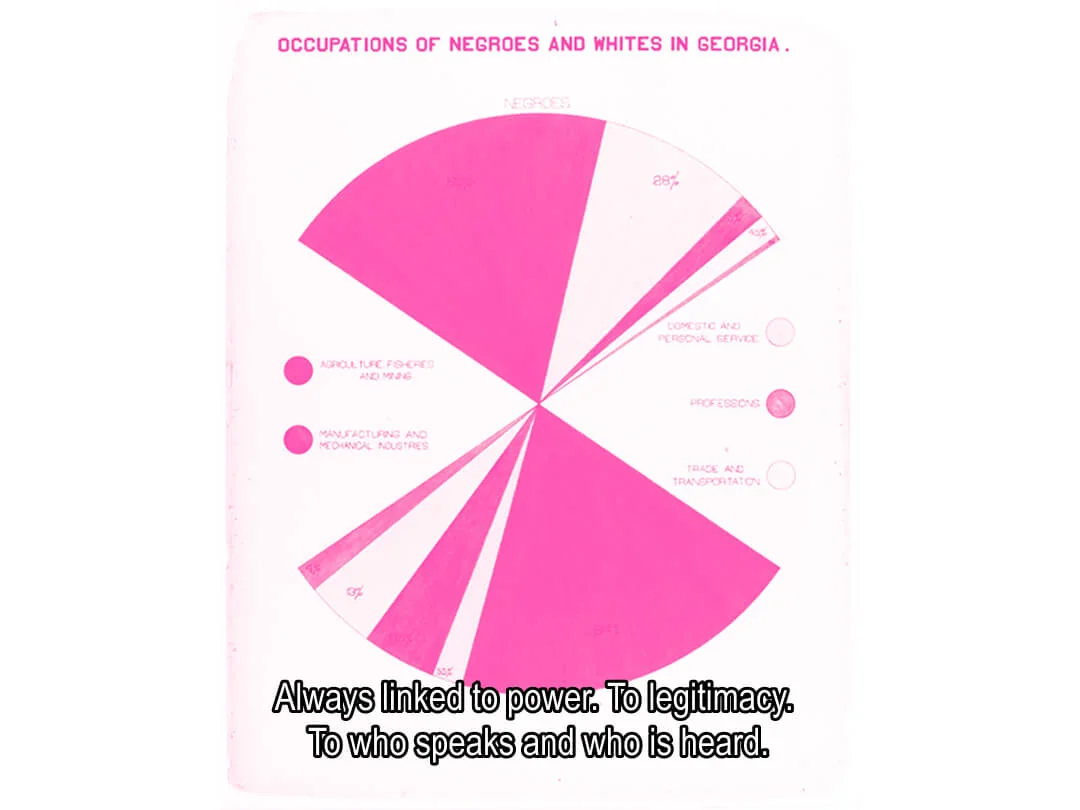
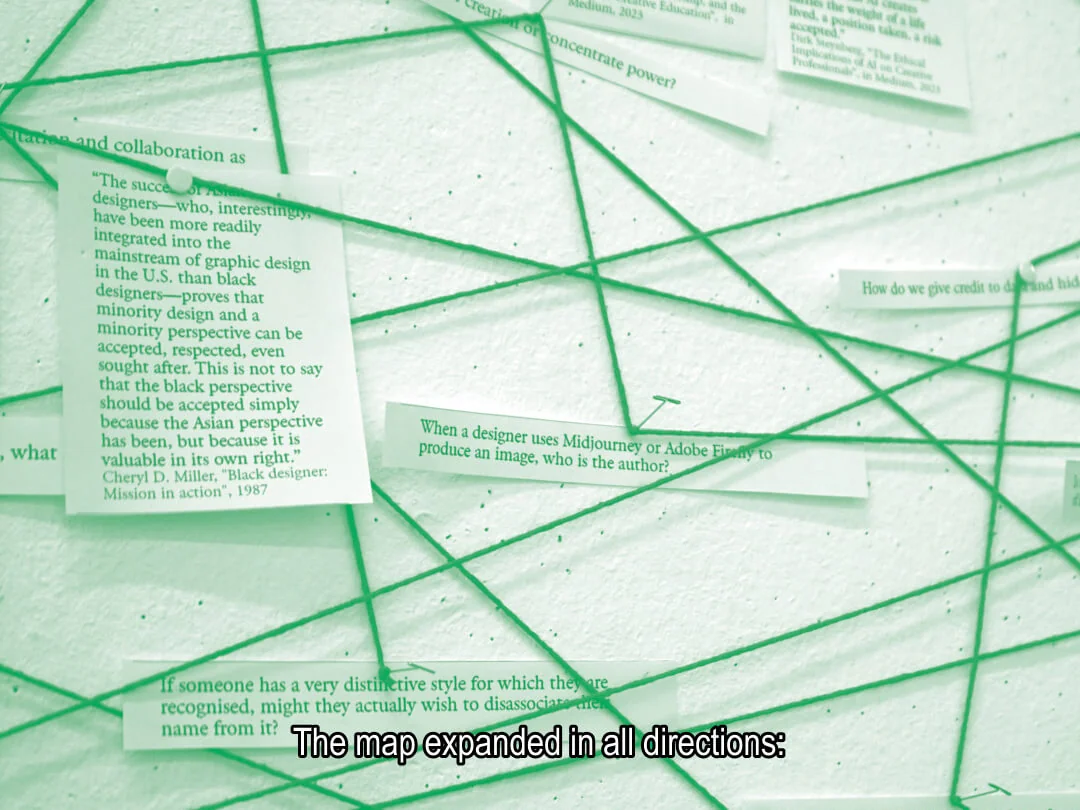
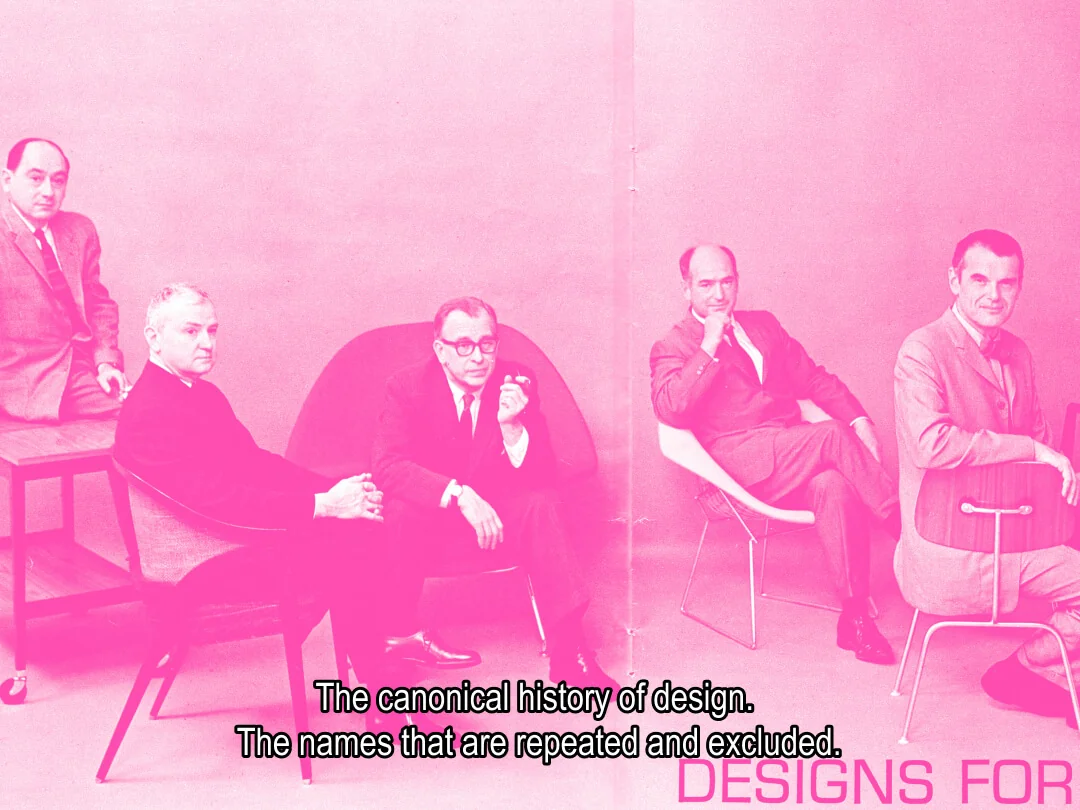
The question opened into broader territories: systems of visibility and erasure, hierarchies disguised as talent, histories told through the same names. It also turned personal: whether we see ourselves as authors and what it means to sign a work or not sign it.

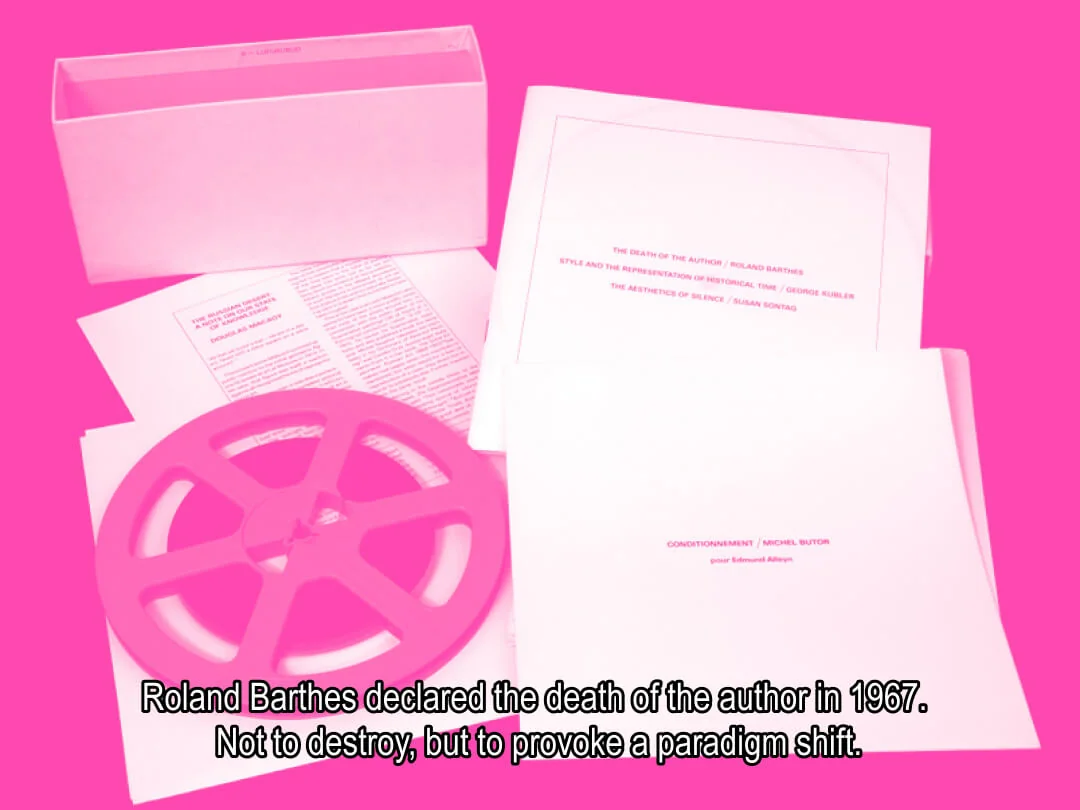
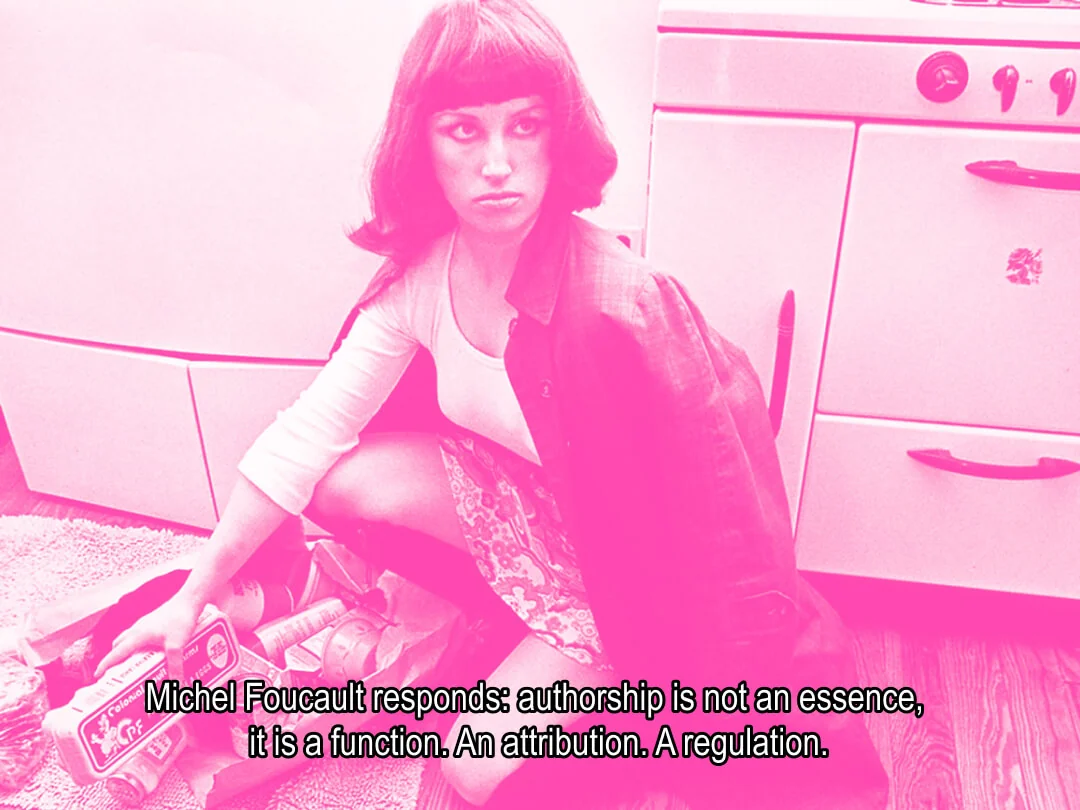
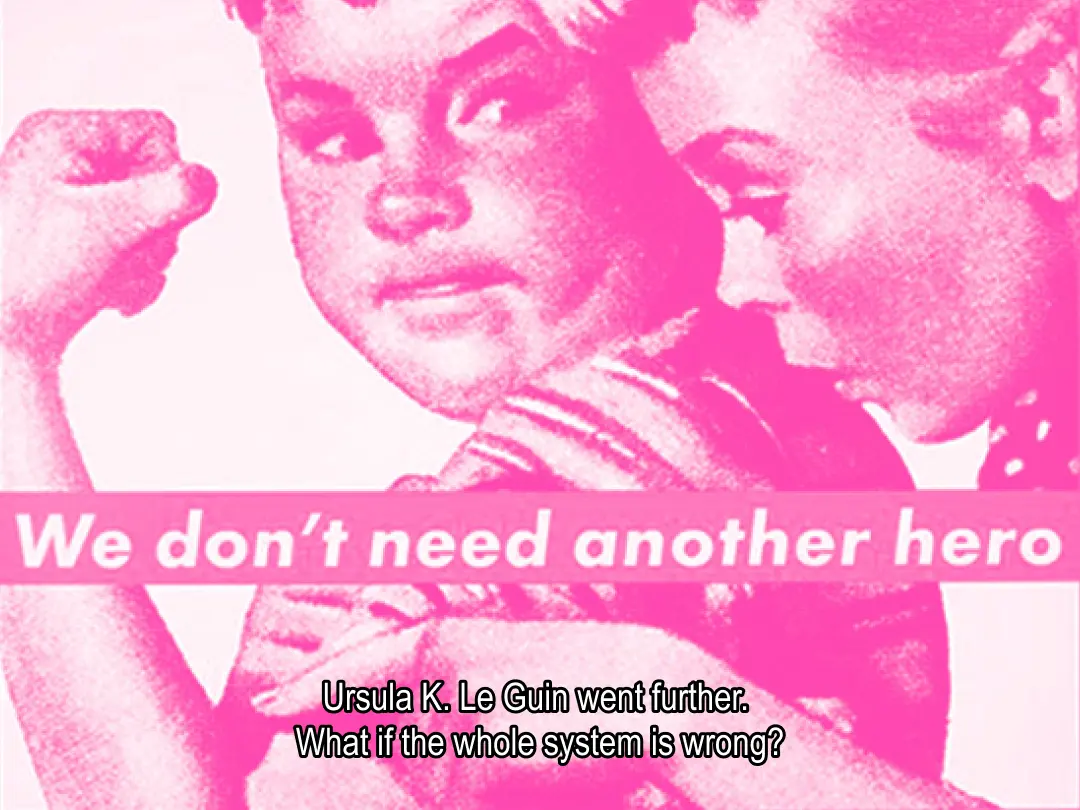
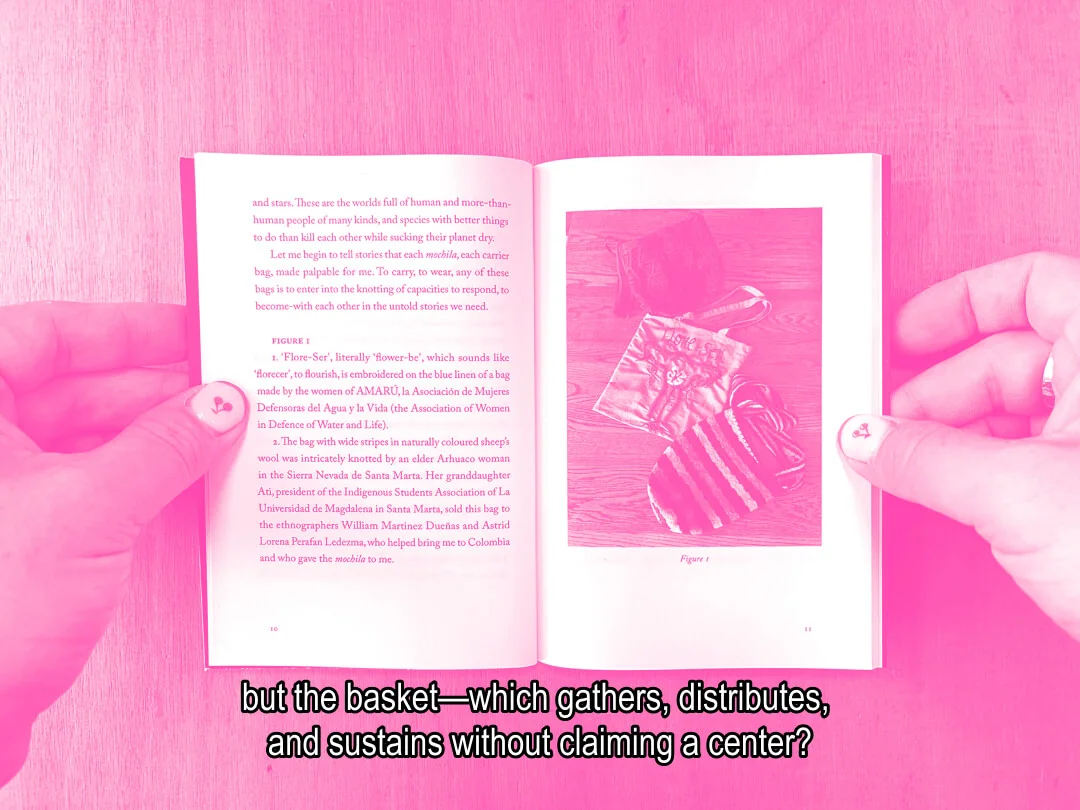
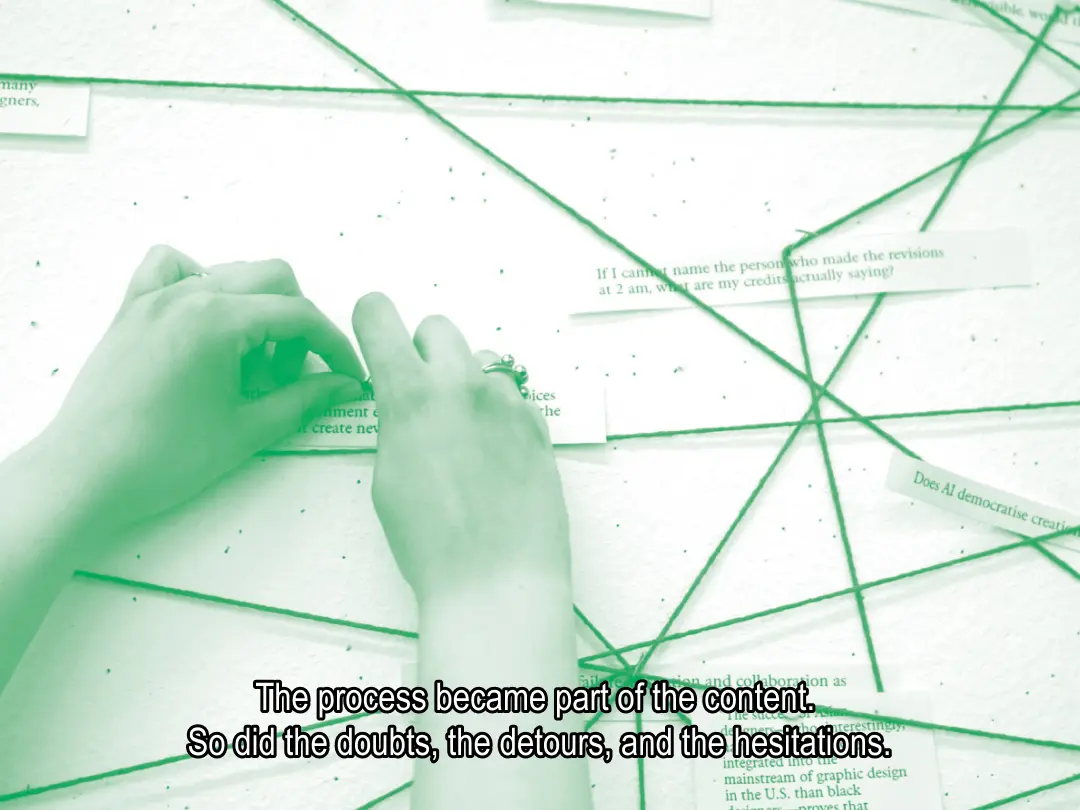
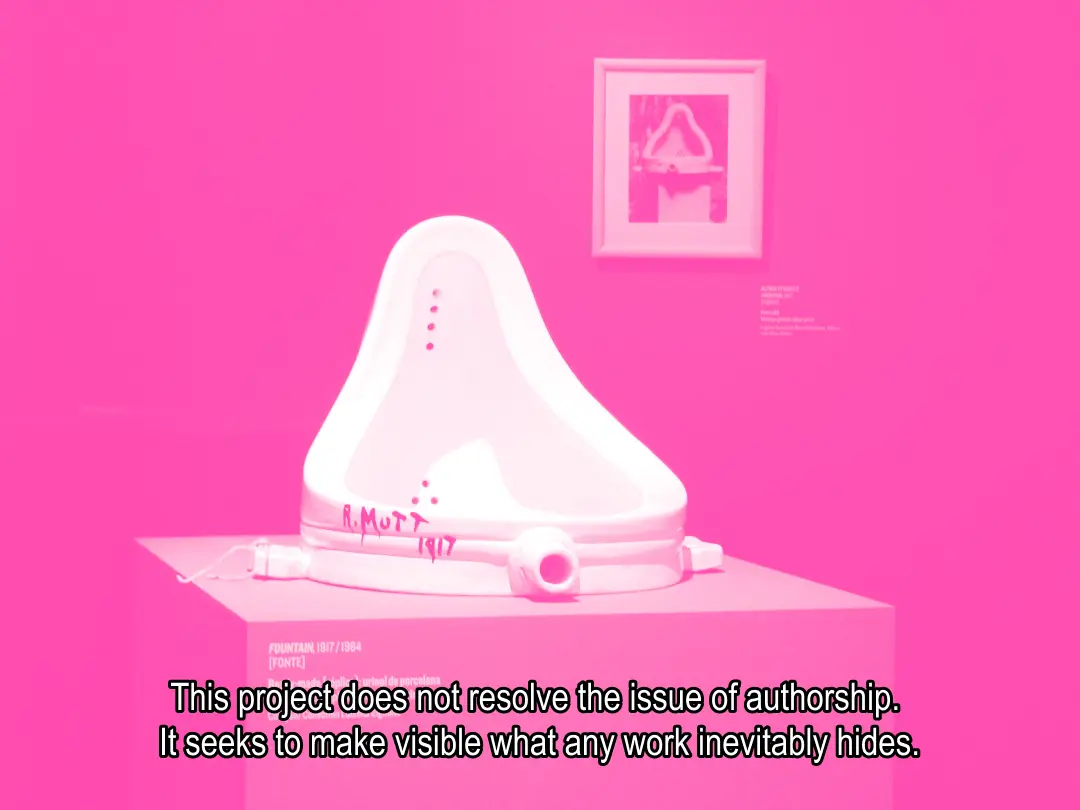
Drawing on Barthes, Foucault, and Le Guin, A Designer at the End of Authorship is a publication that tries to put its own questions into practice. Rather than resolving the question of authorship, it makes visible the network of relations, decisions, and invisible labour from which any work emerges. What remains are traces of a process, not as a refusal to conclude, but as a resistance to the kind of closure that flattens complexity.

PROJECT BY Ellen Damazio
Mafalda Preto
Madalena Fonte-Santa
Sara Frazão
close
A DESIGNER AT THE END OF...
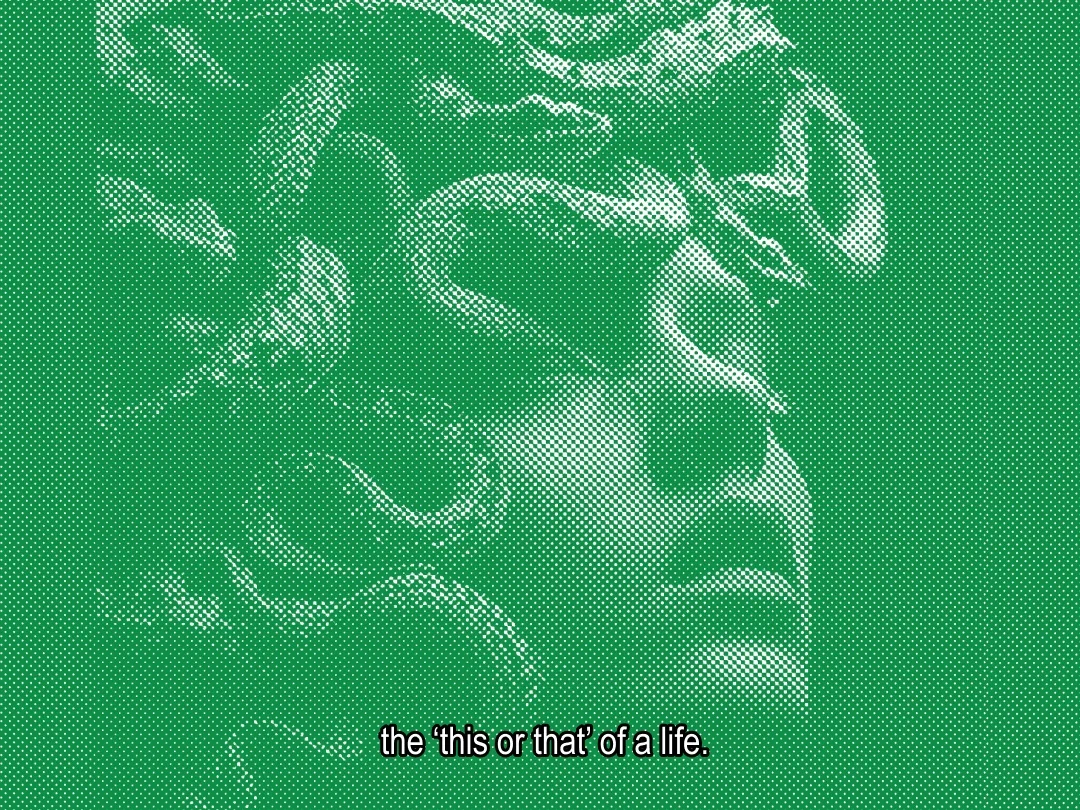
Doomscrolling (AUDIOVISUAL)

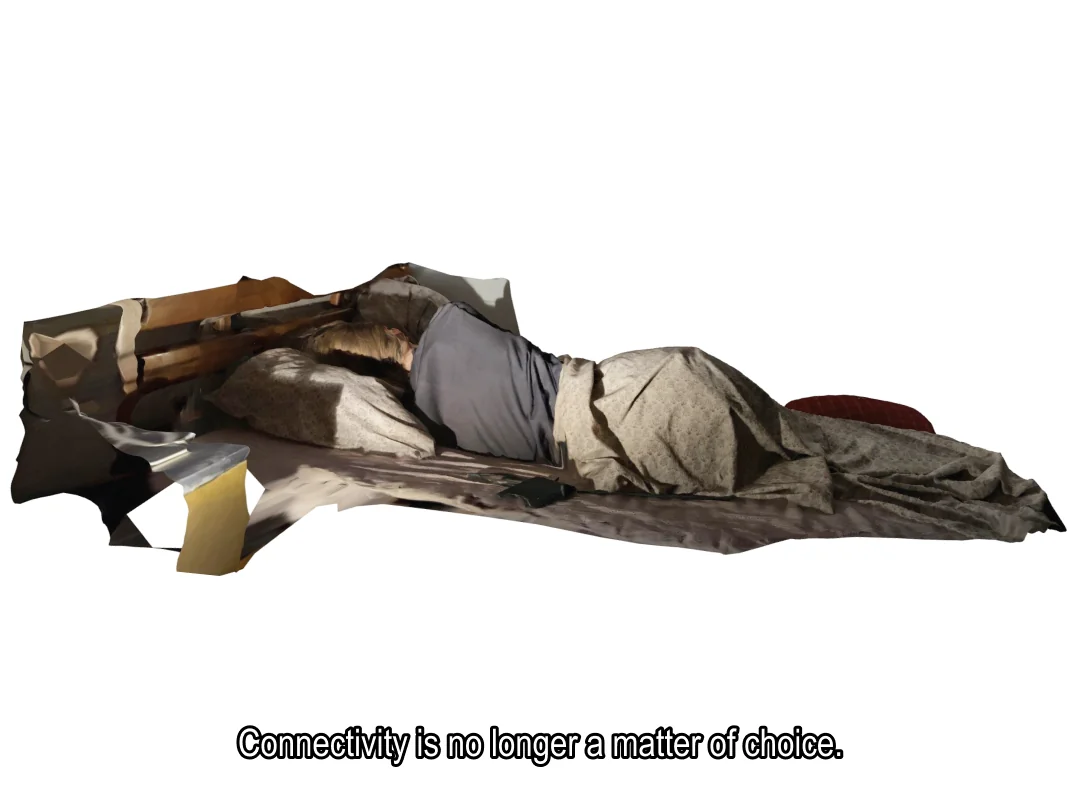
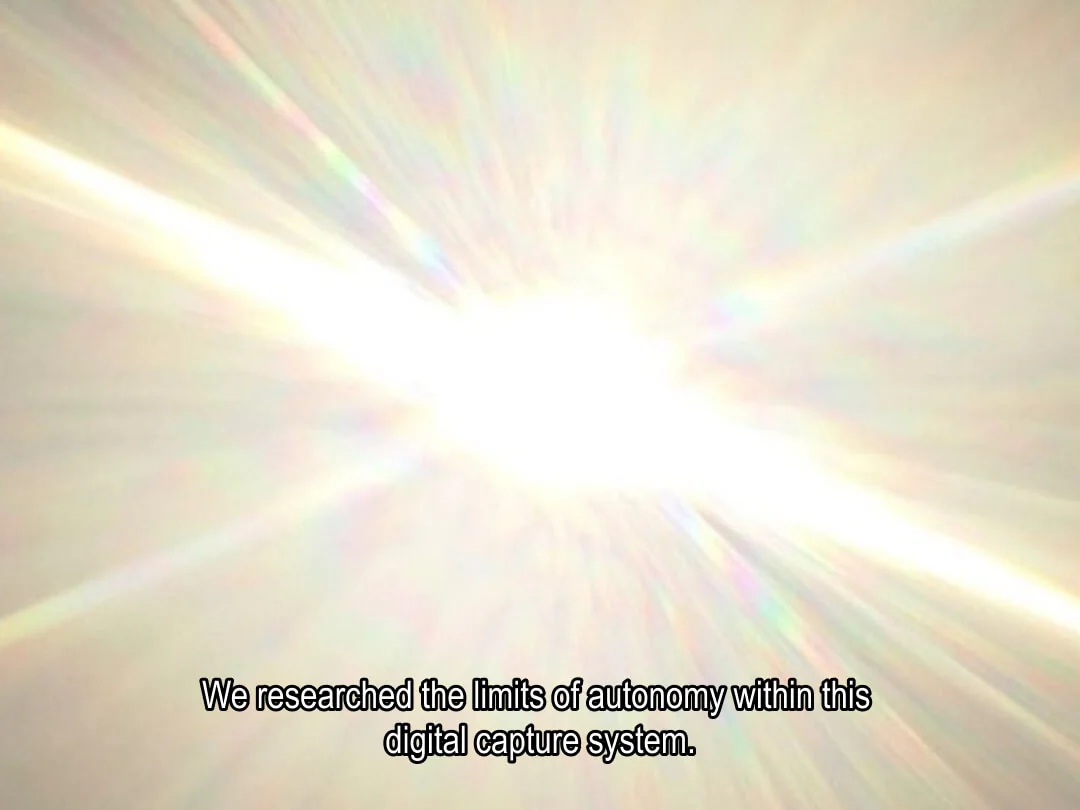
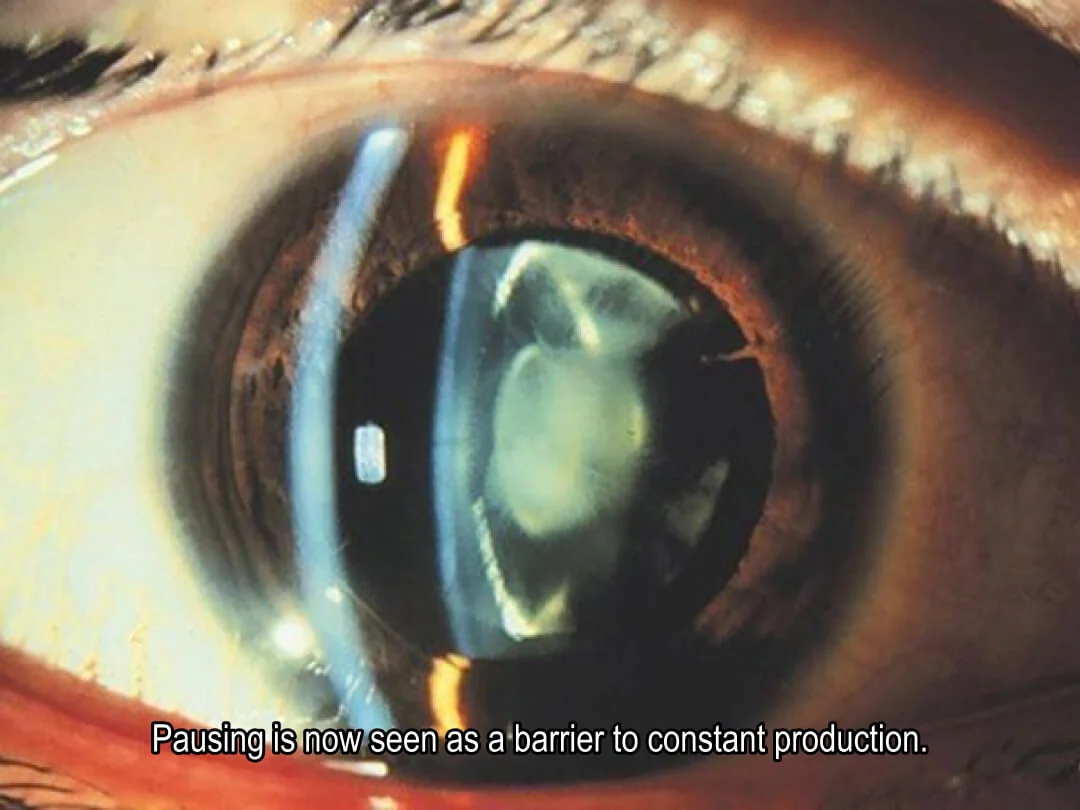
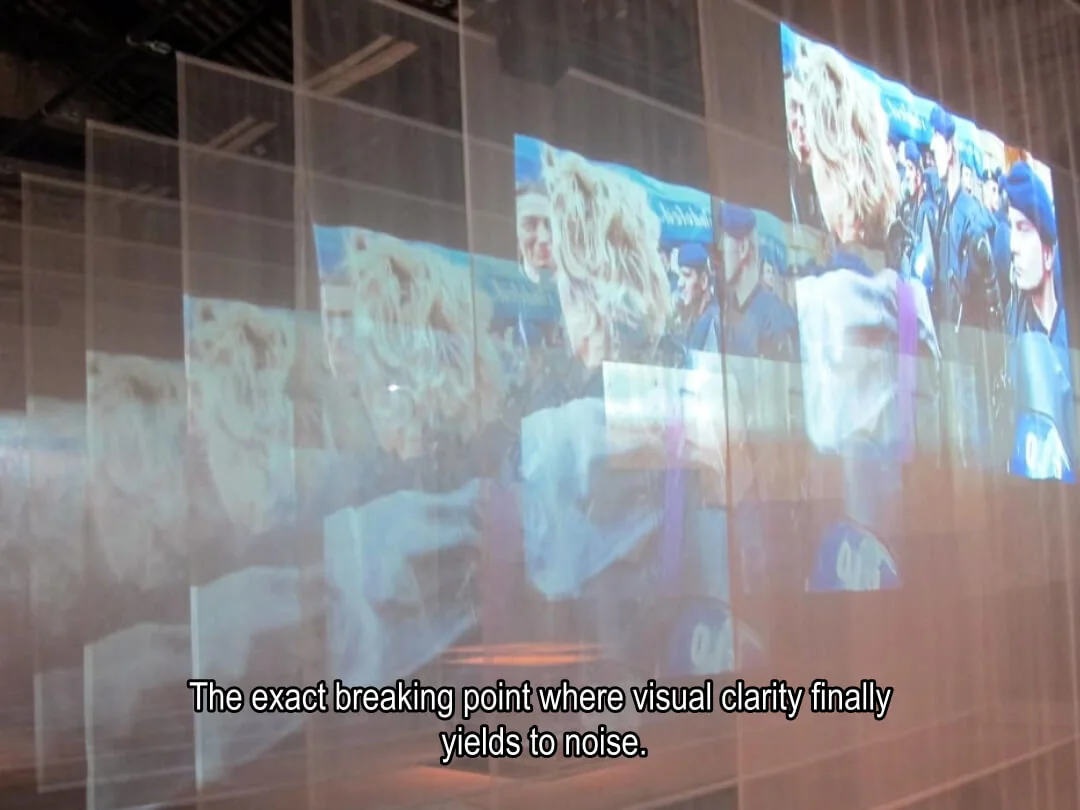
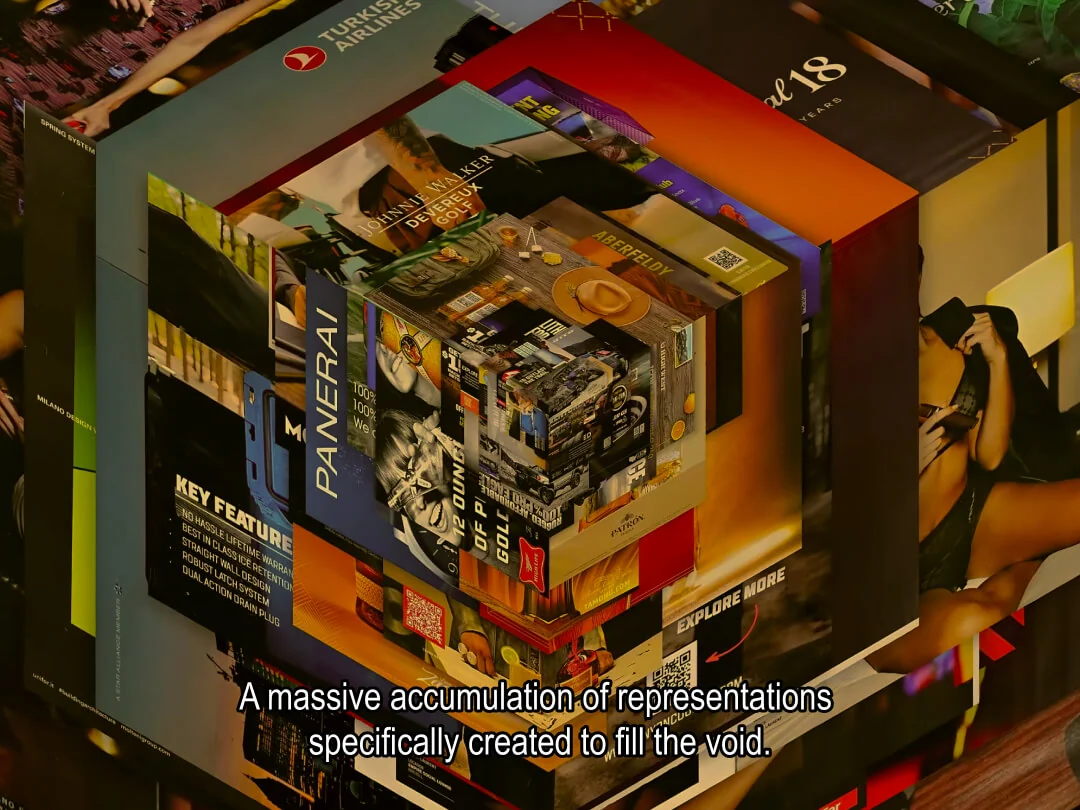
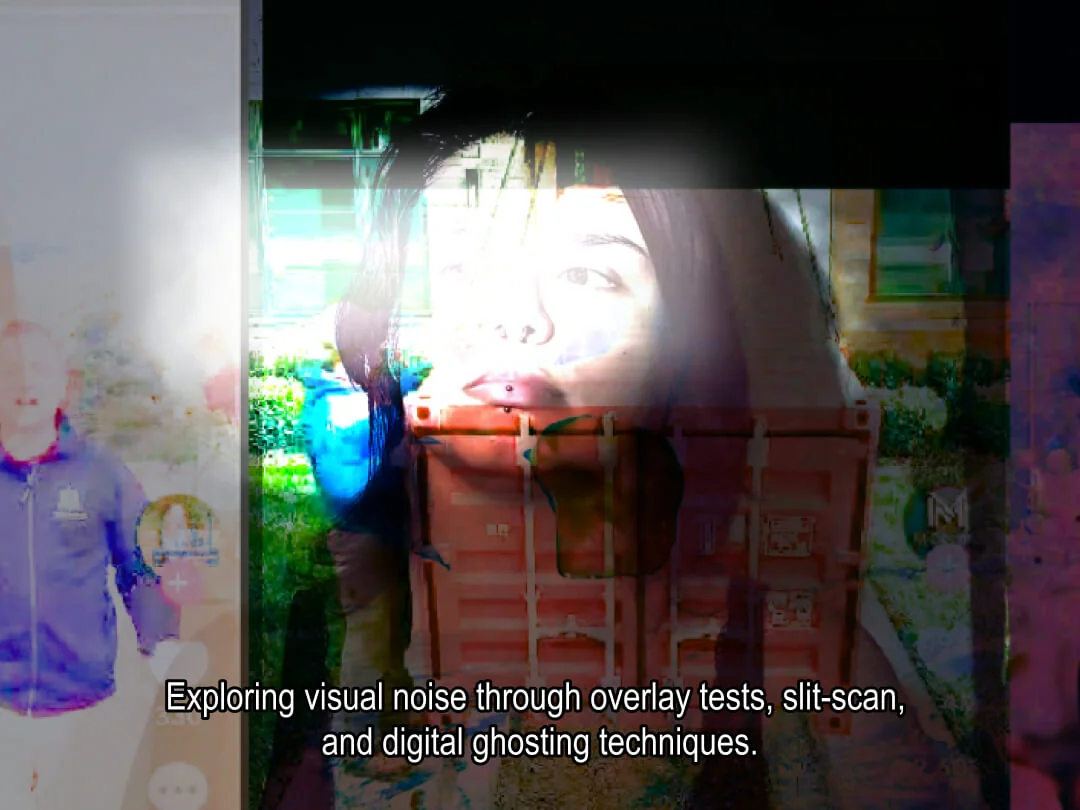
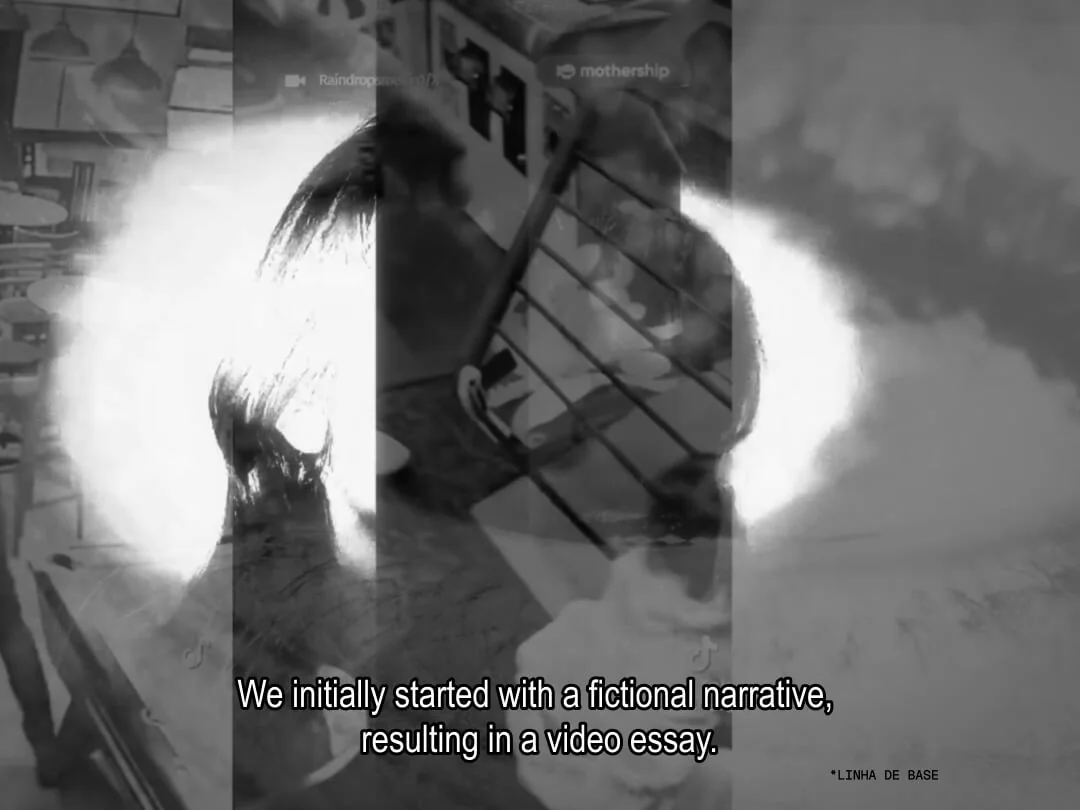
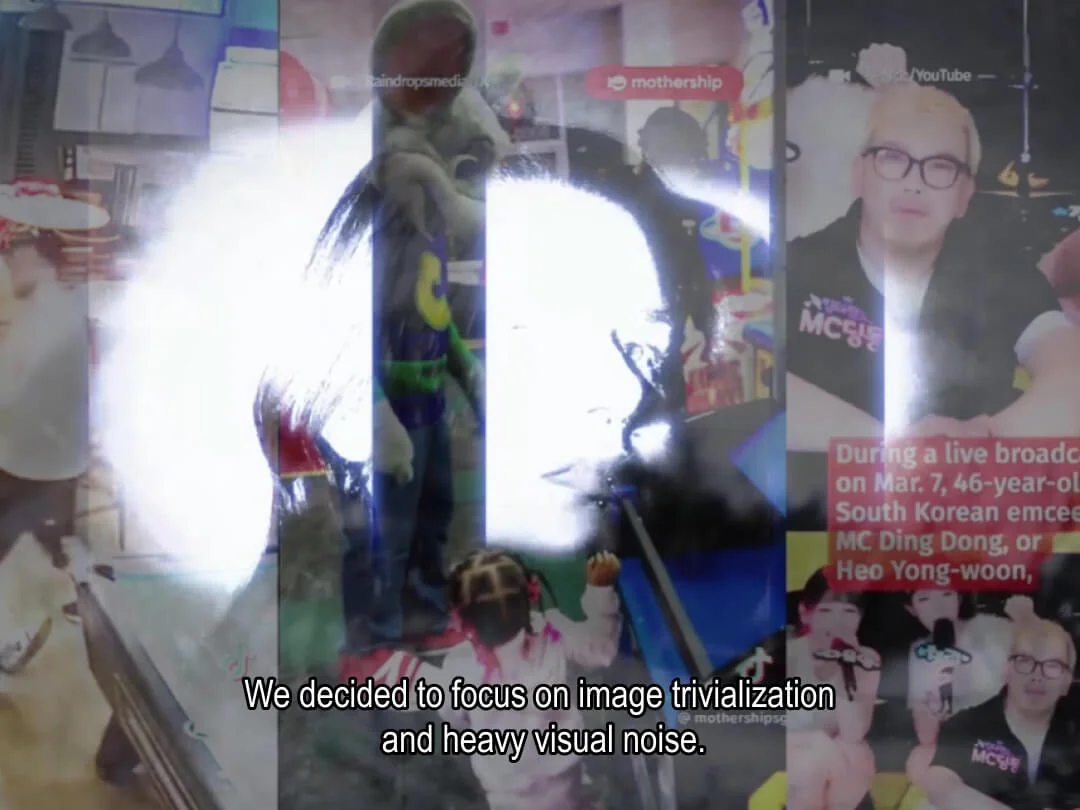
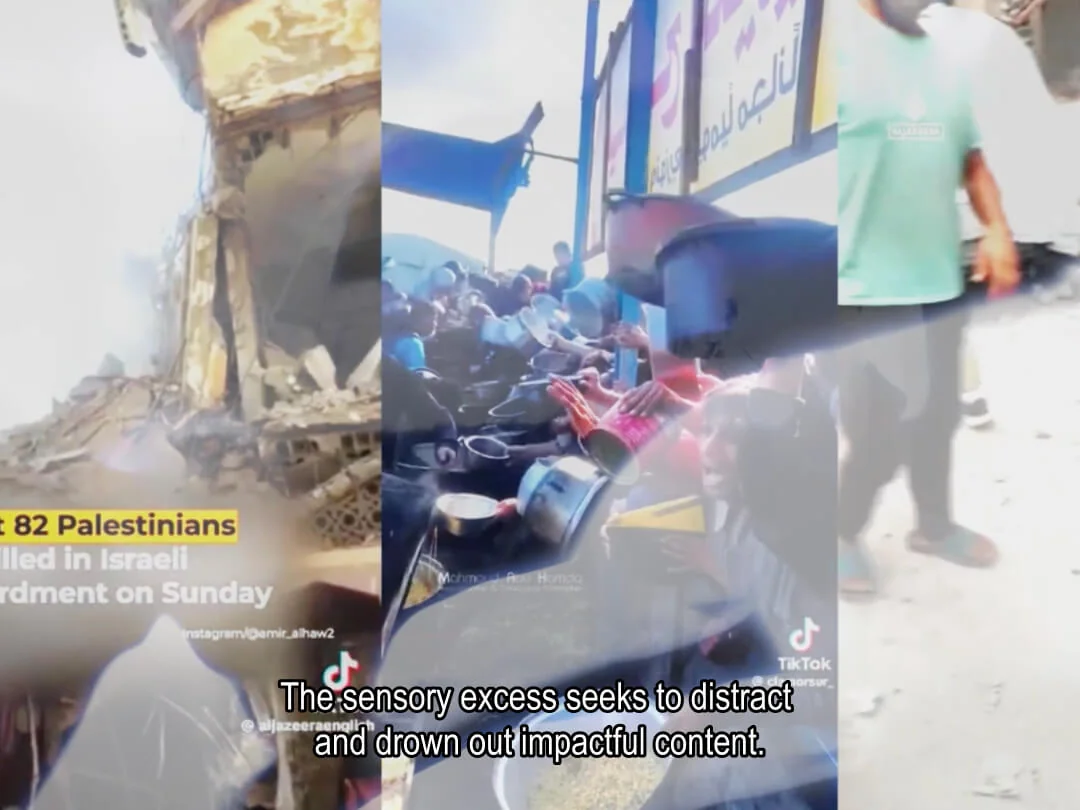
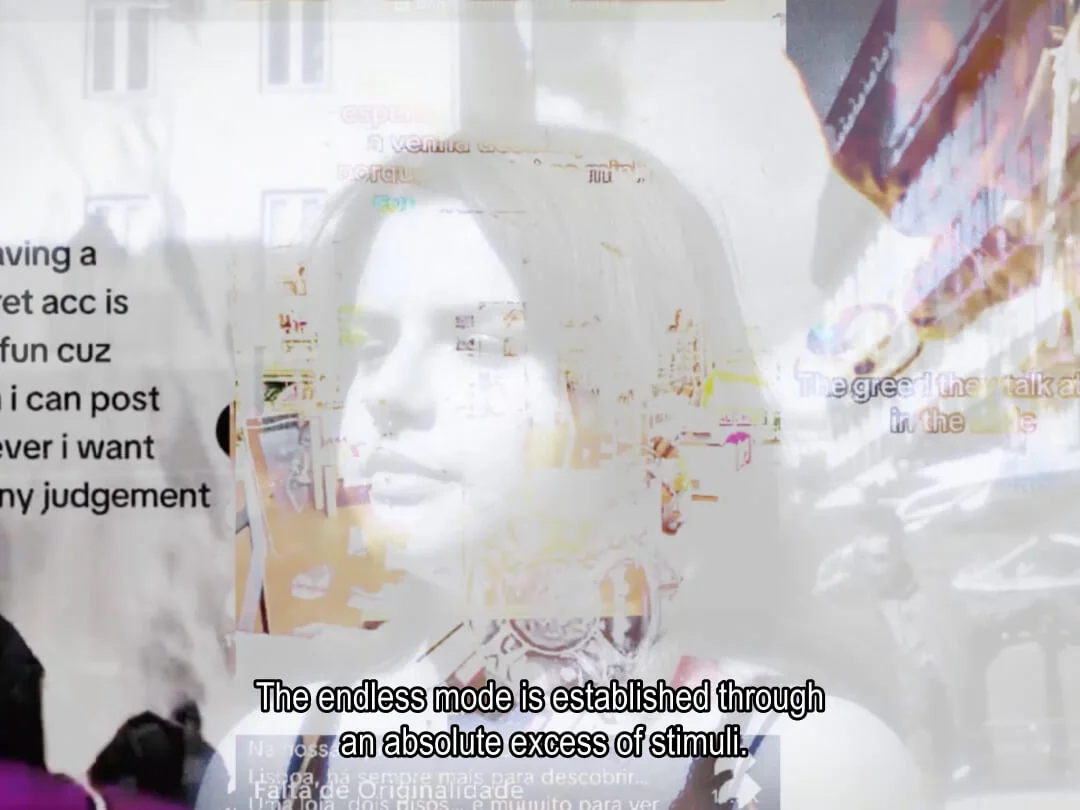
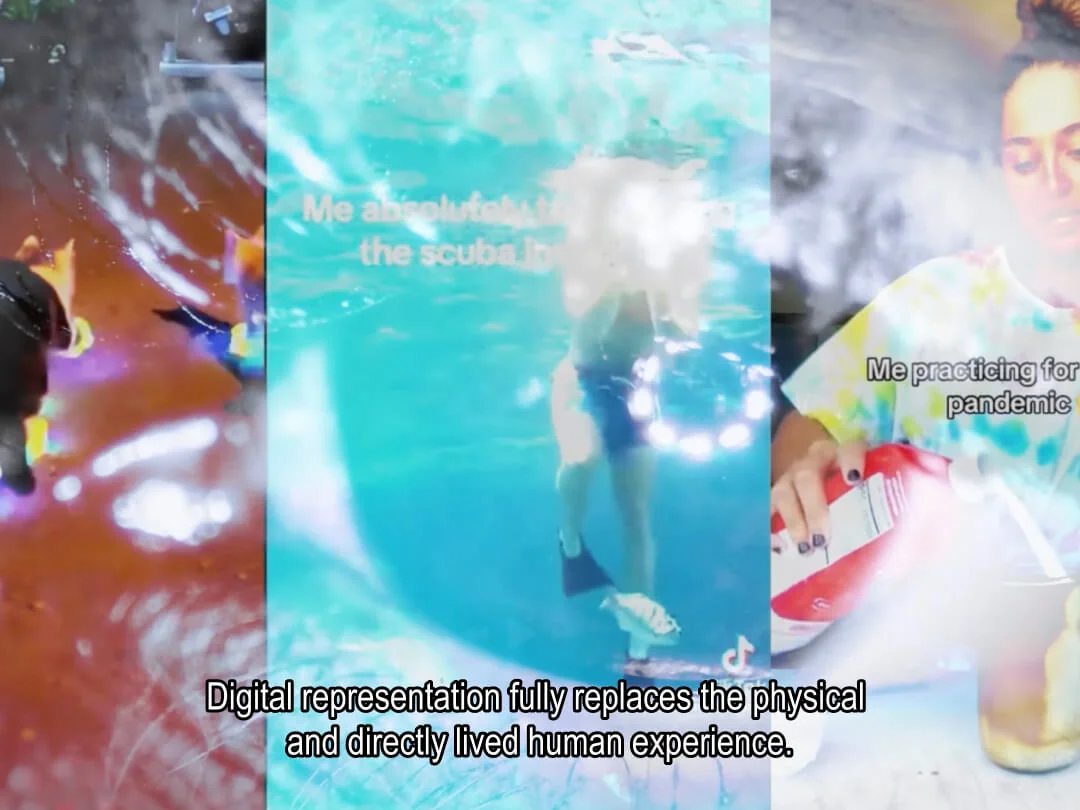
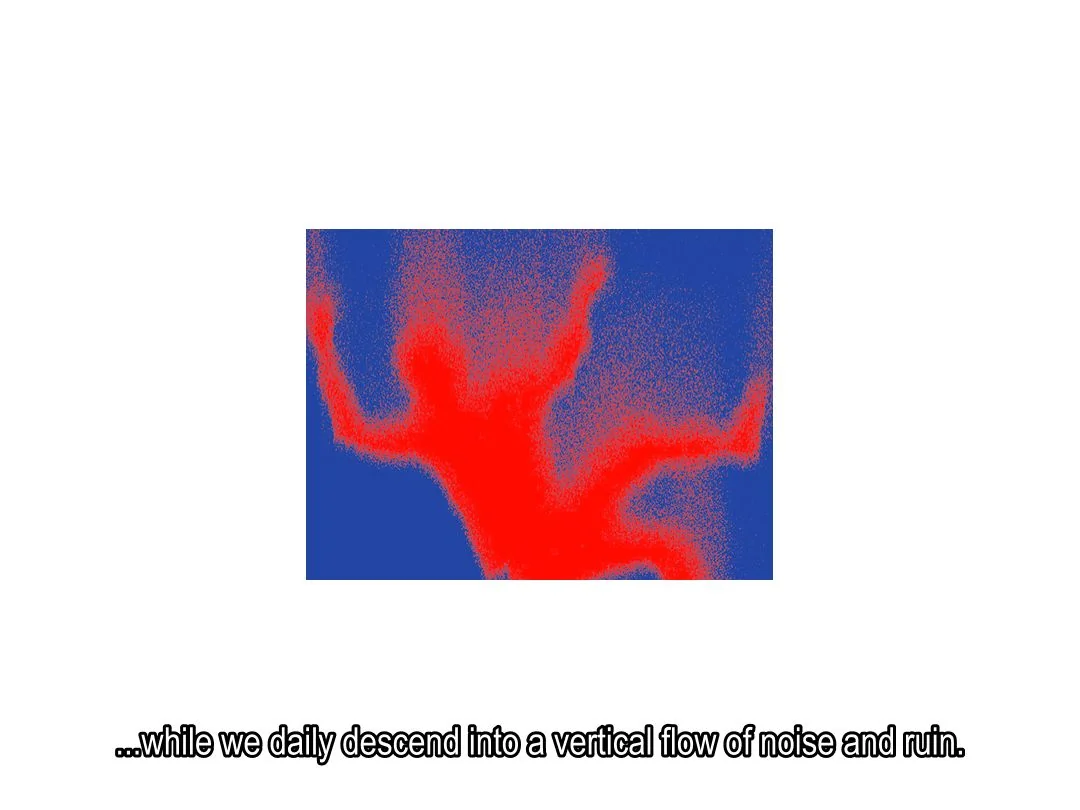
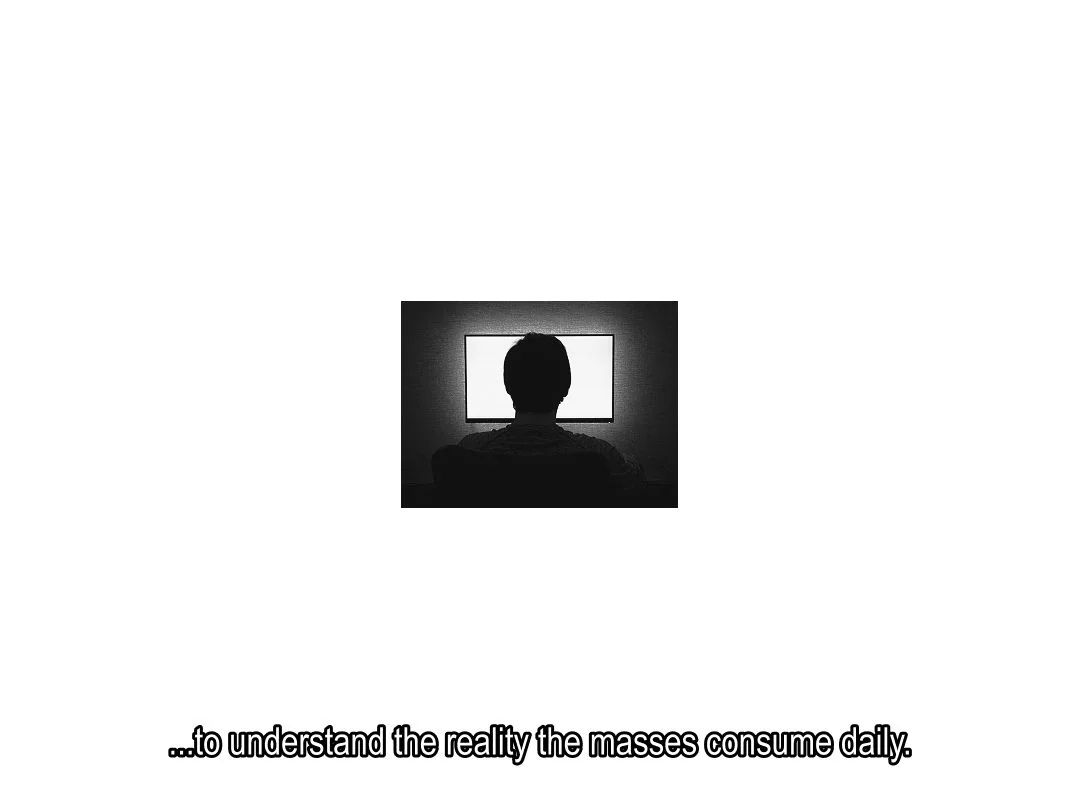
In the era of 24/7 late capitalism, connectivity has become an inescapable infrastructure. A Designer at the End of Doomscrolling investigates the limits of design autonomy when faced with digital capture systems like the infinite scroll. We question the exact moment when visual clarity yields to noise and human attention is converted into capital.
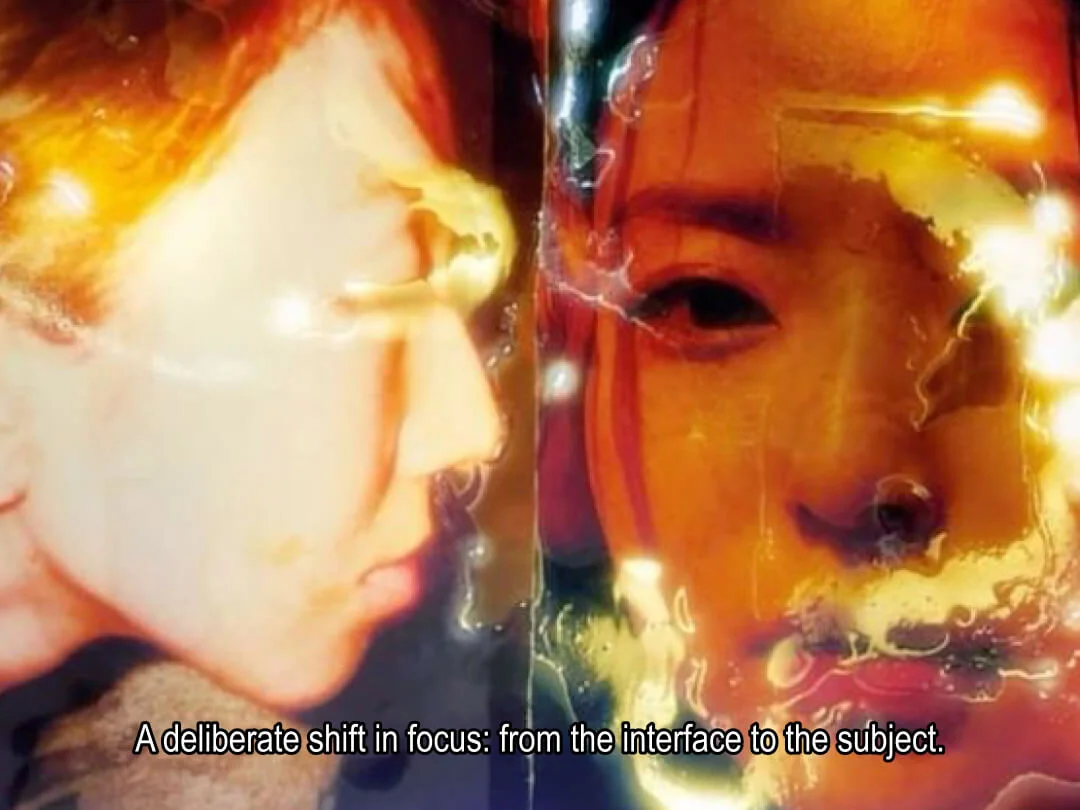
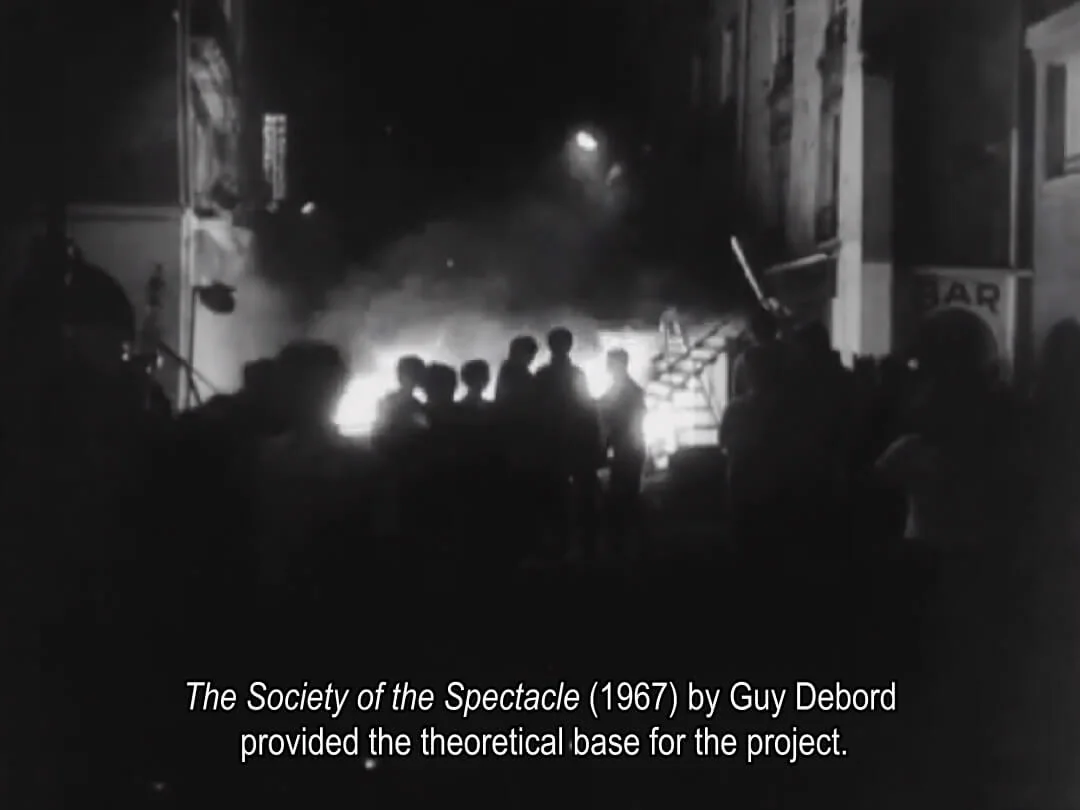
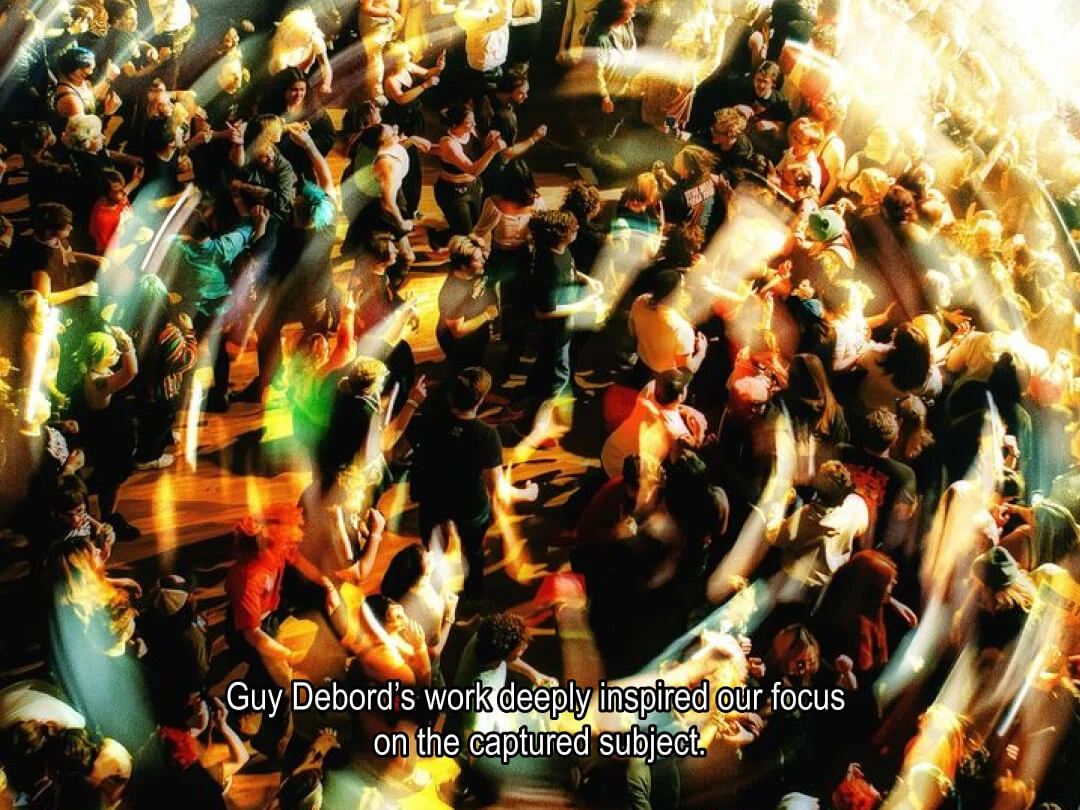
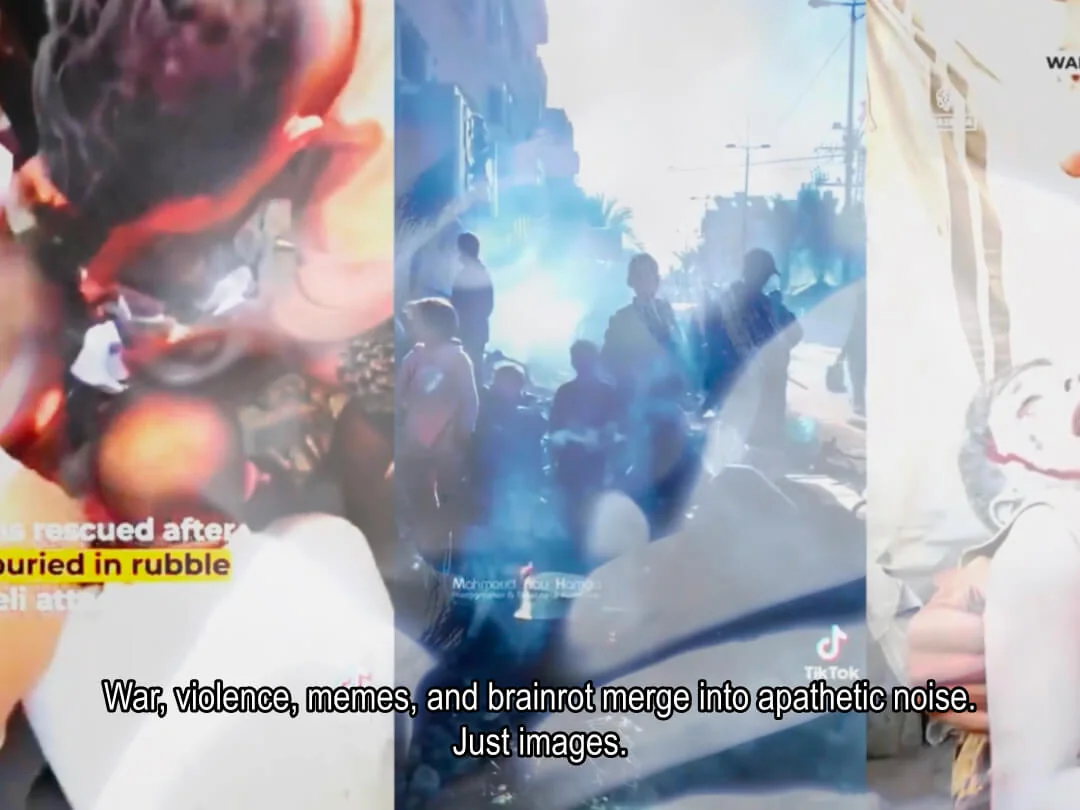
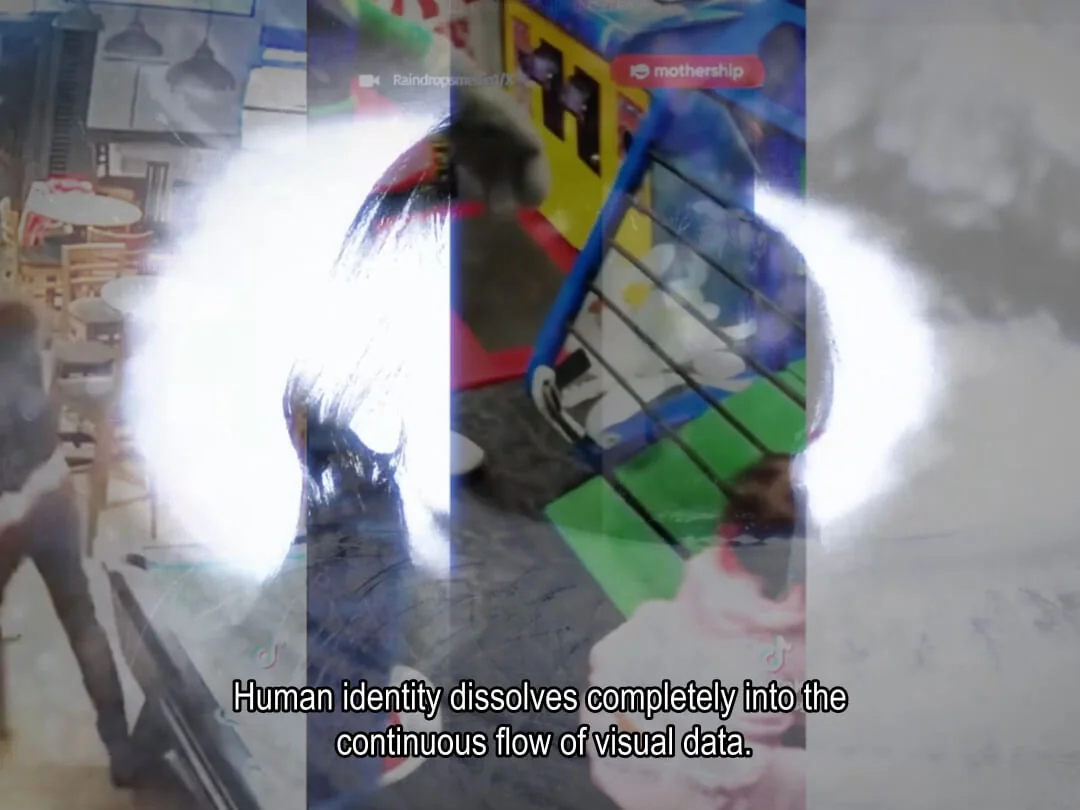
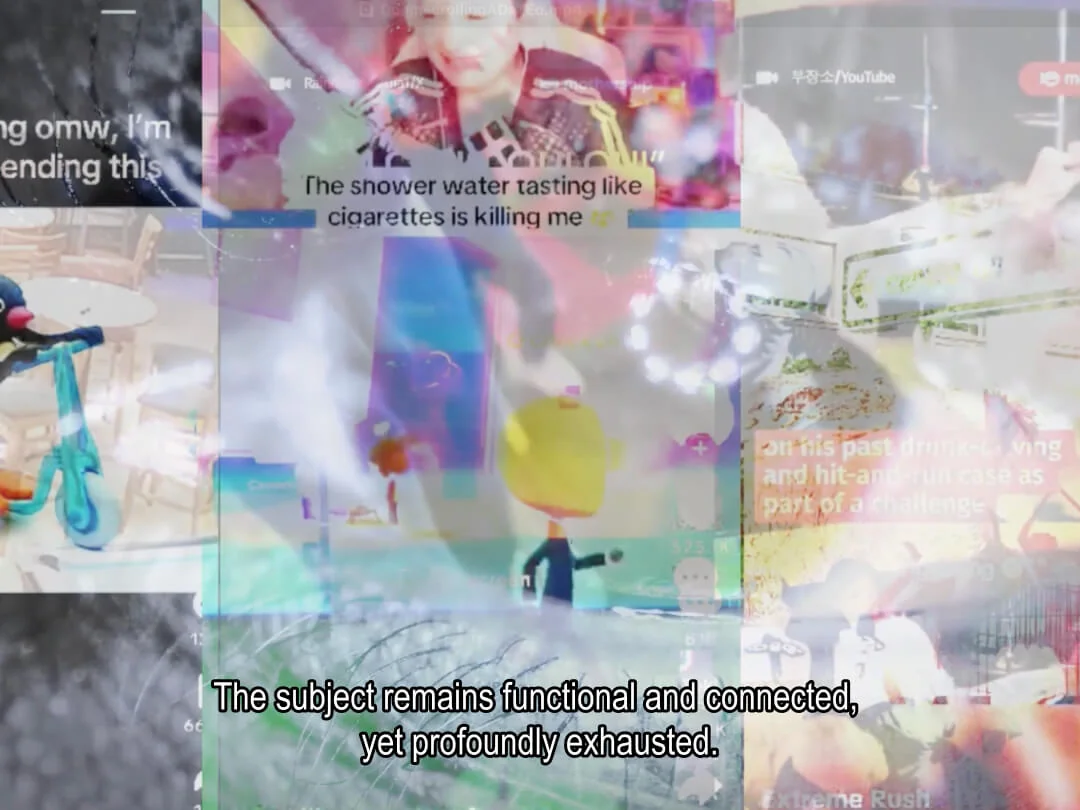
Instead of analyzing the screen's content, this audiovisual essay shifts its focus to the captured subject. Drawing on Guy Debord’s The Society of the Spectacle (1967), we explore how the constant succession of empty images generates an extreme trivialization of reality. In this homogeneous of flow, war, violence, memes, and brainrot share the exact same weight, reducing the spectator to a state of complete apathy and sensory exhaustion.

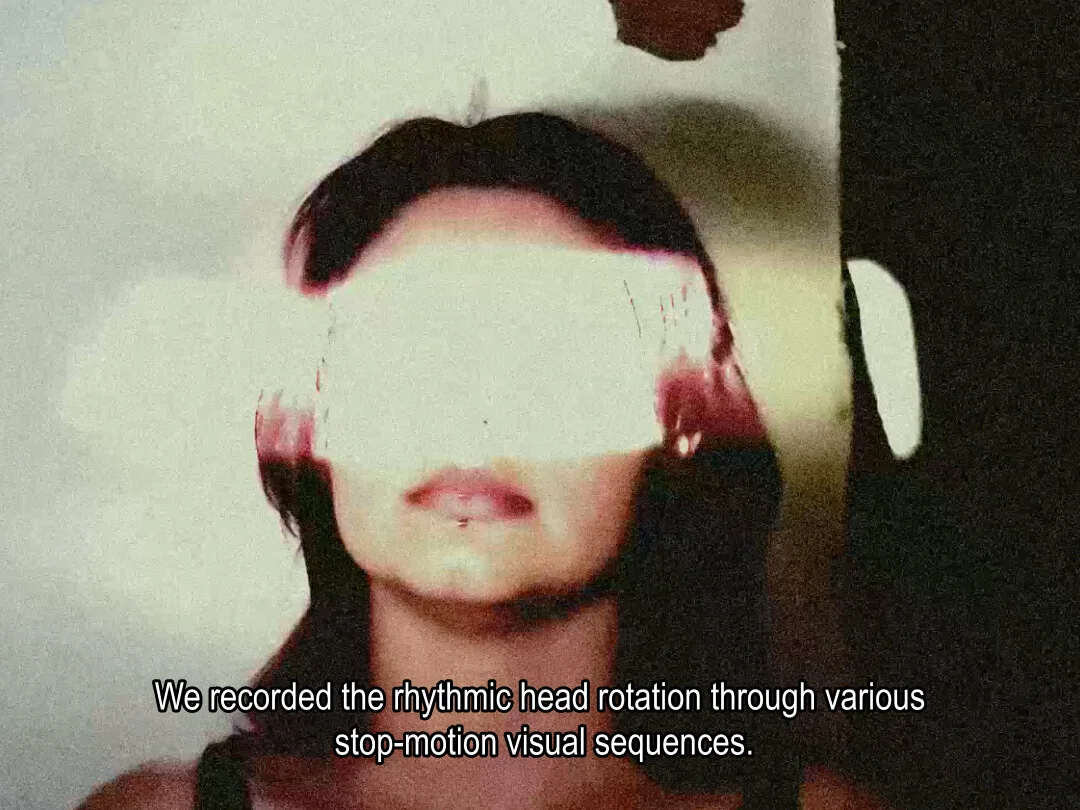
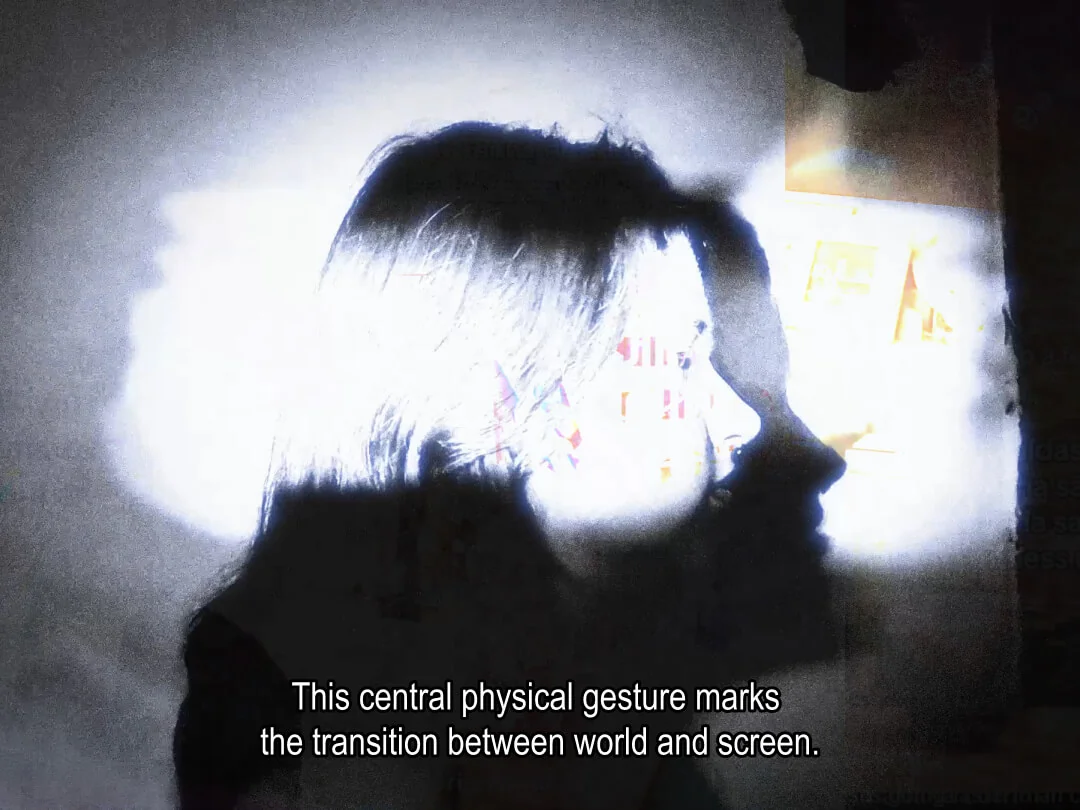
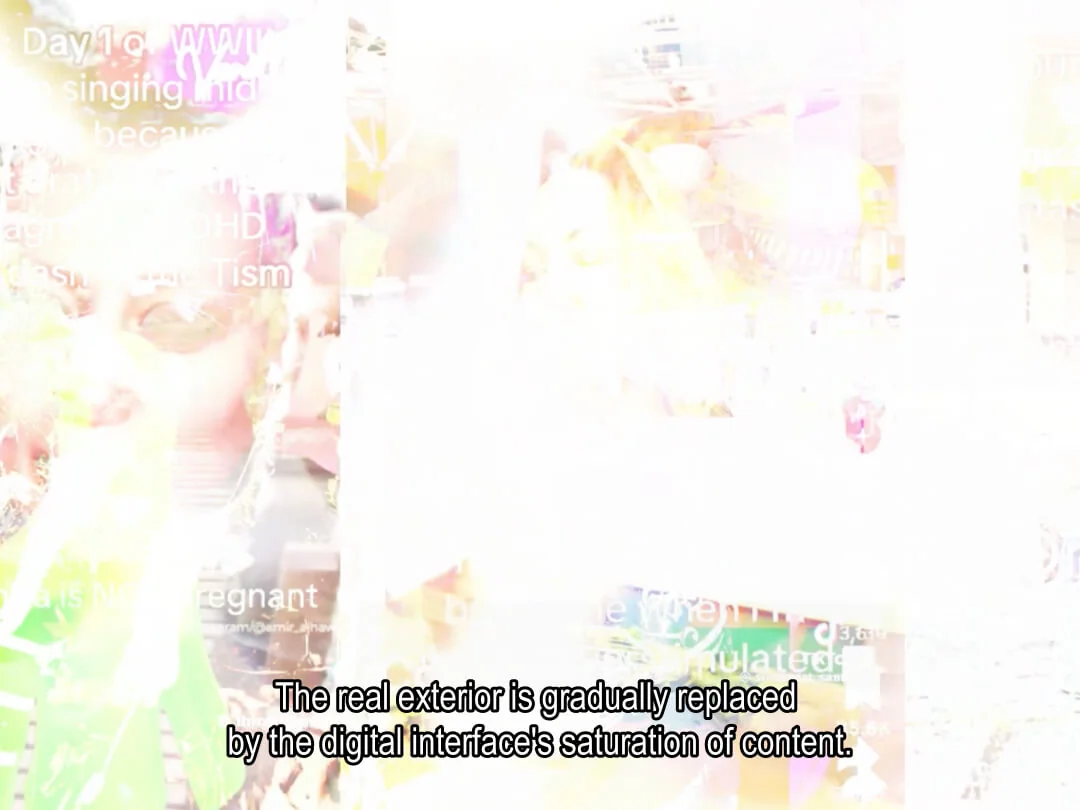
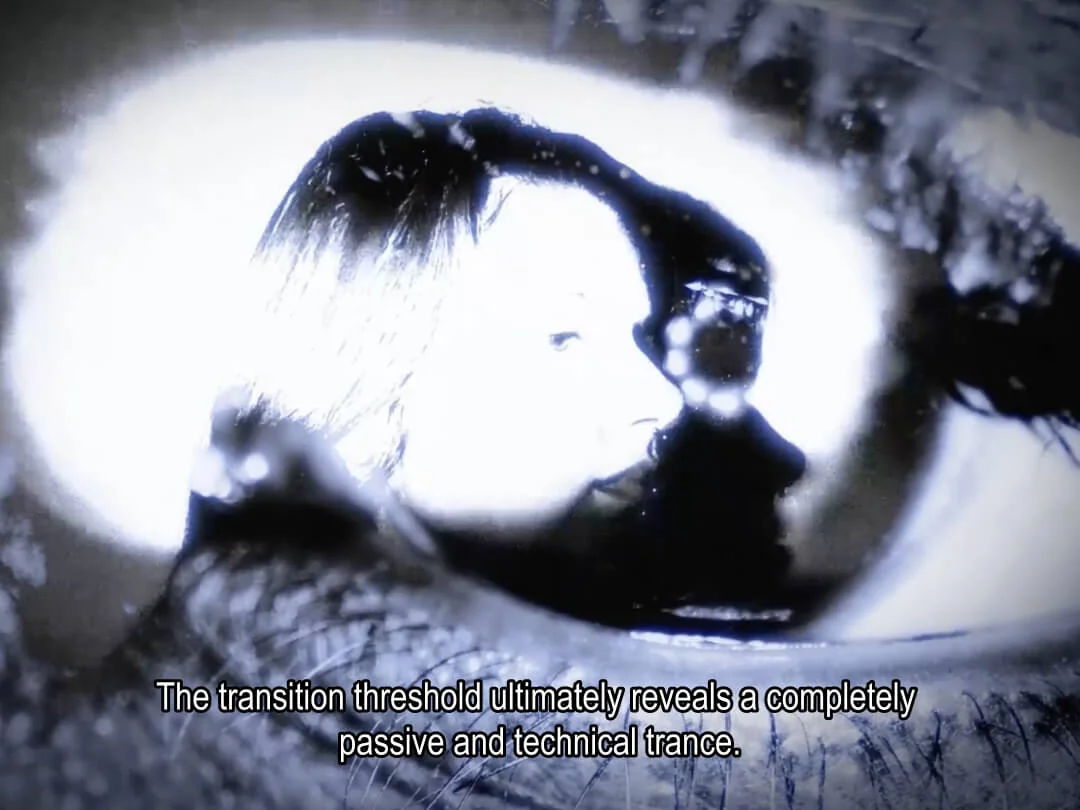
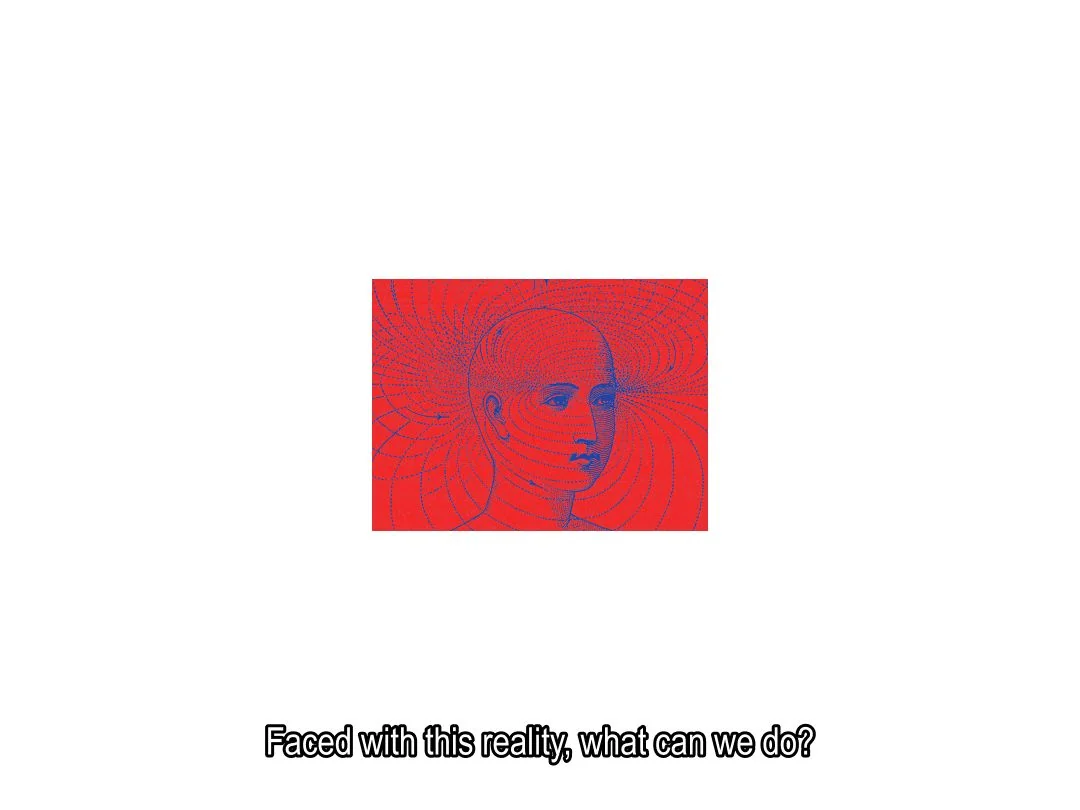
This condition is materialized through a rhythmic stop-motion sequence recording the rotation of a subject’s head. This physical gesture choreographs the transition from the real exterior world into the deep isolation of the interface, exposing the No end mode: a technical trance of passive vigilance.

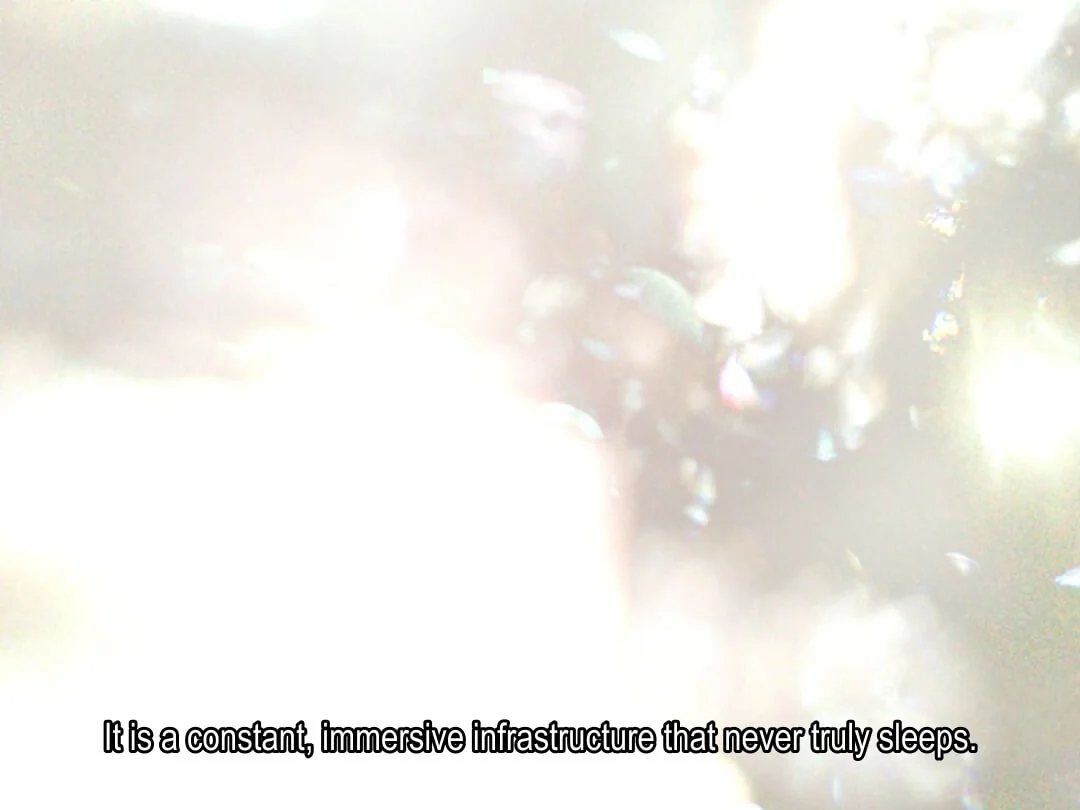
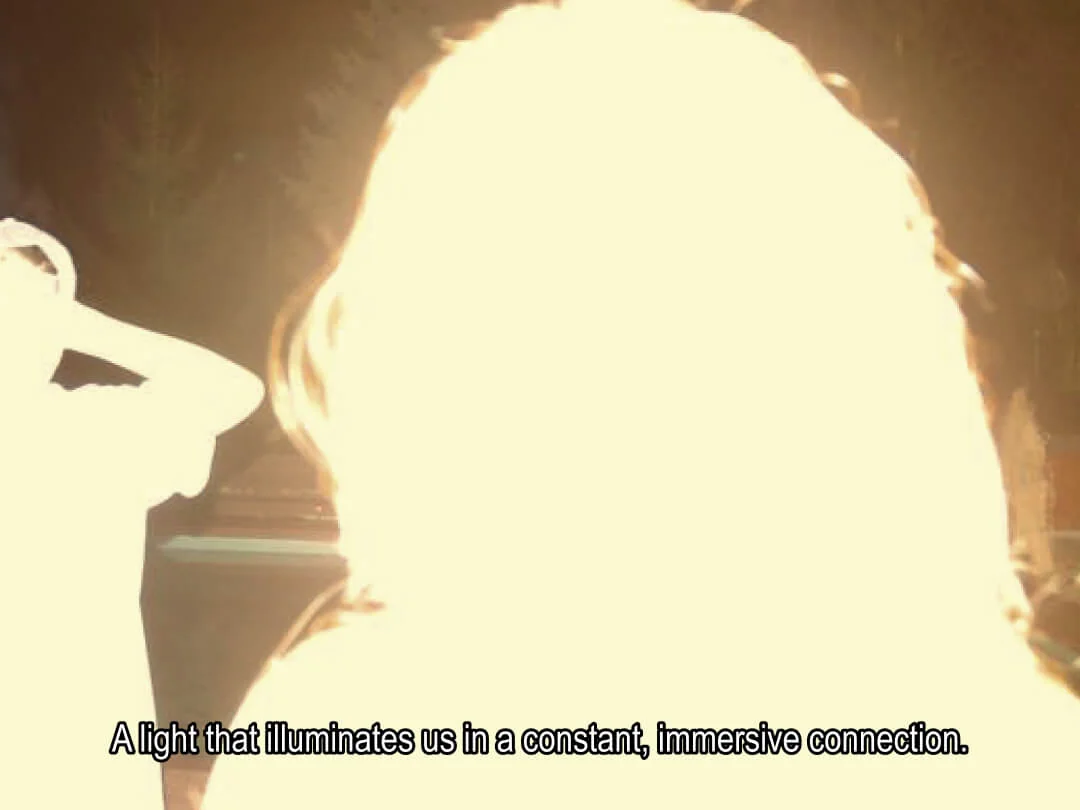
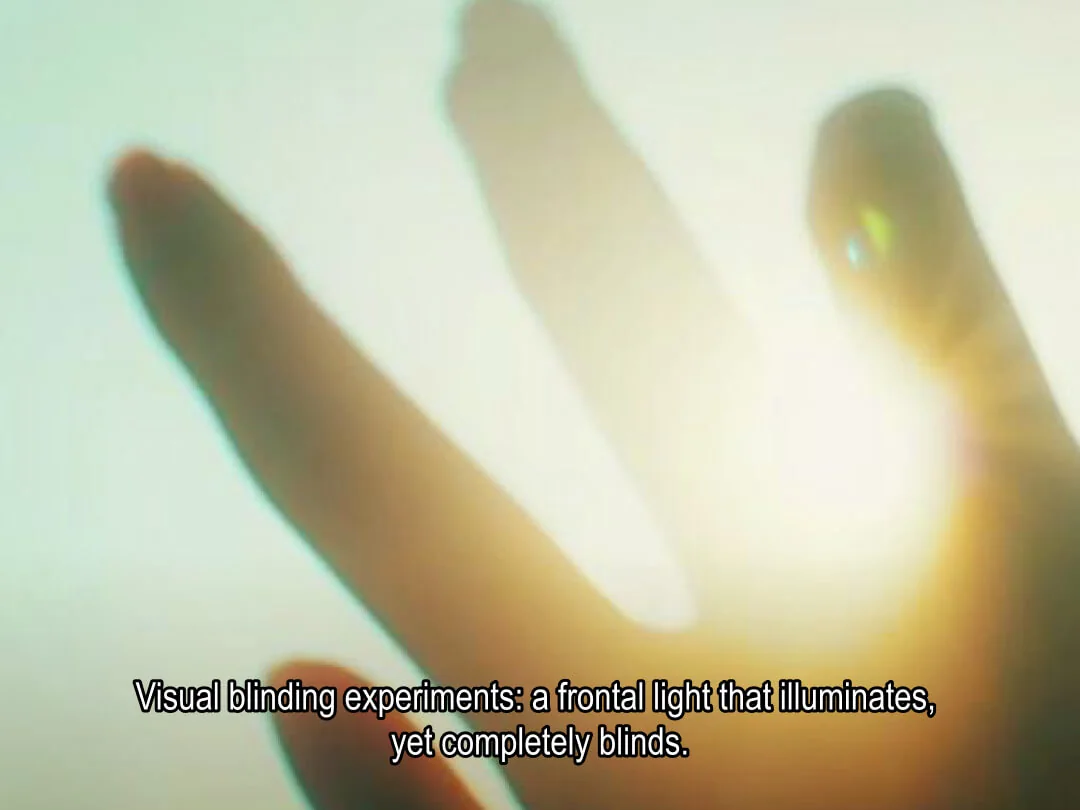
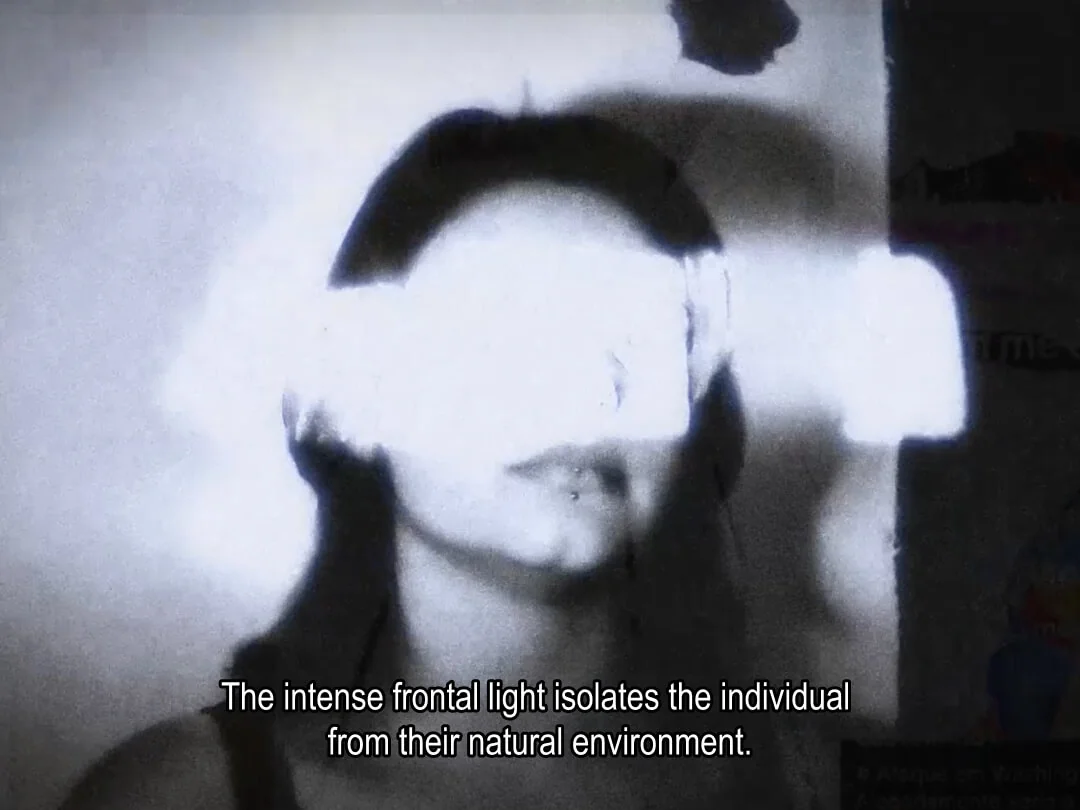
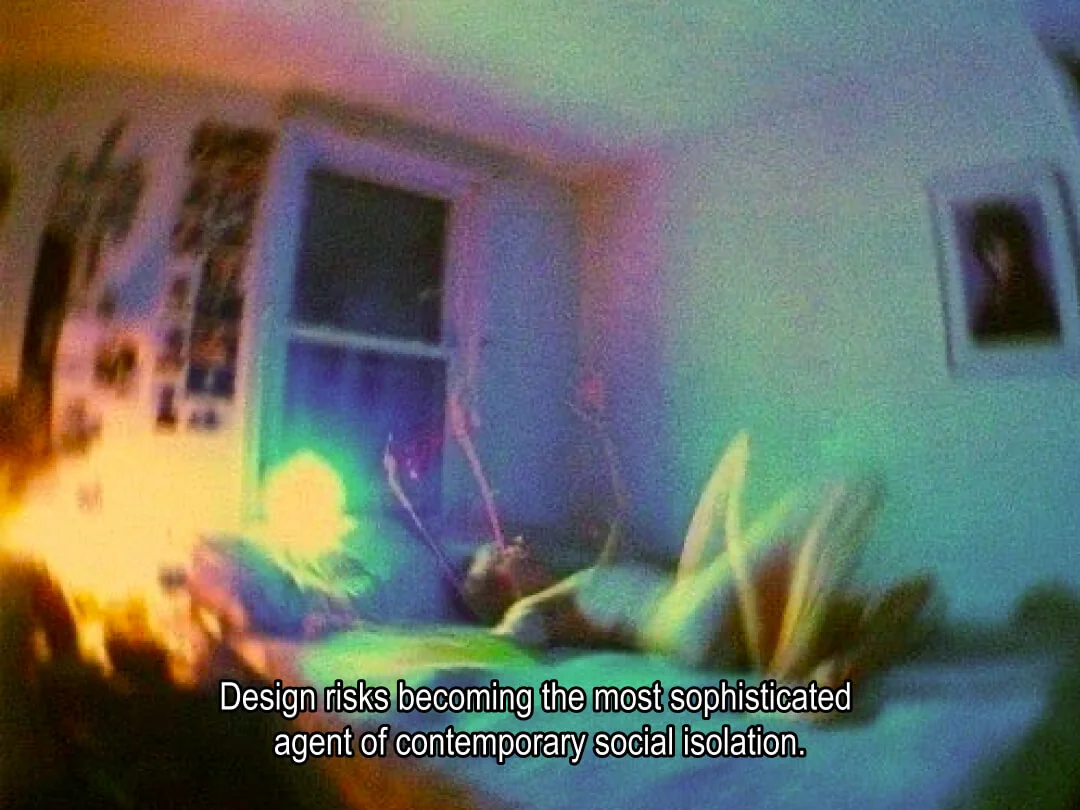
A Designer at the end of Doomscrolling explores the ambiguity of the screen's glow. Operating through saturation, this intense frontal light illuminates the face but simultaneously blinds the individual to their surroundings. Ultimately, we demonstrate how contemporary design risks abandoning its role of mediation to become the most sophisticated agent of social isolation.

PROJECT BY Bruna Rogeiro
Denisa Julei
Olga Chernega

close
A DESIGNER AT THE END OF...
Noise (PUBLICATION & WEBSITE)

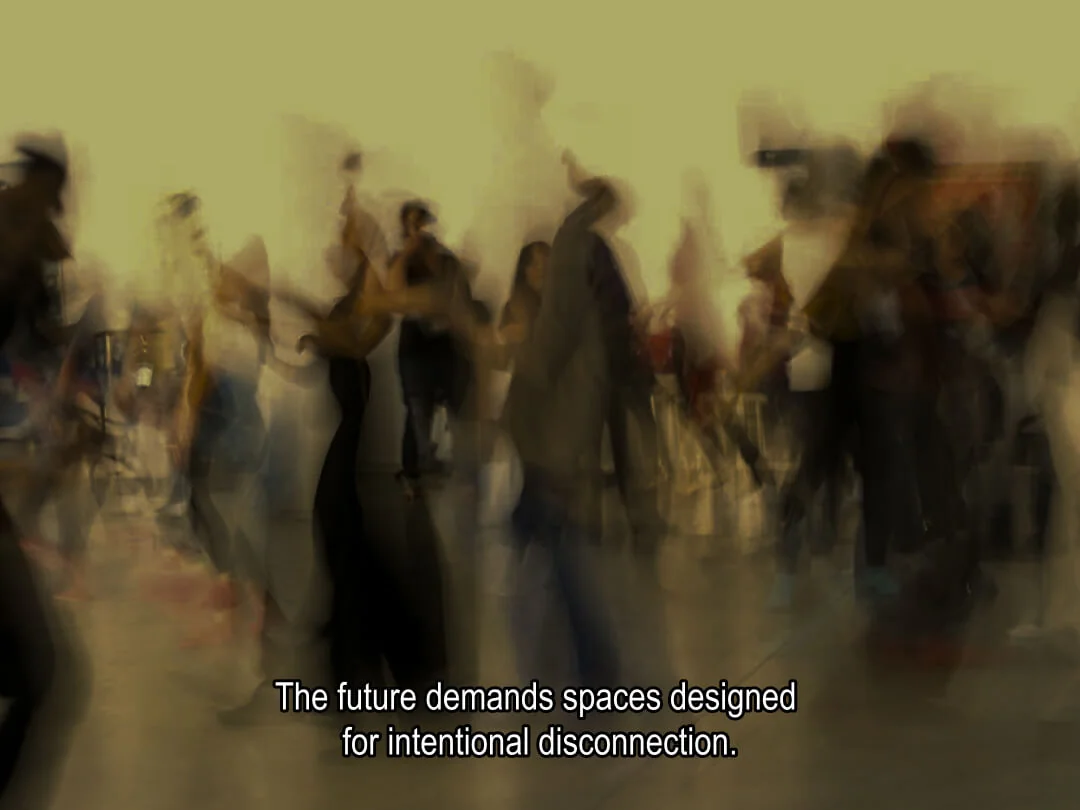
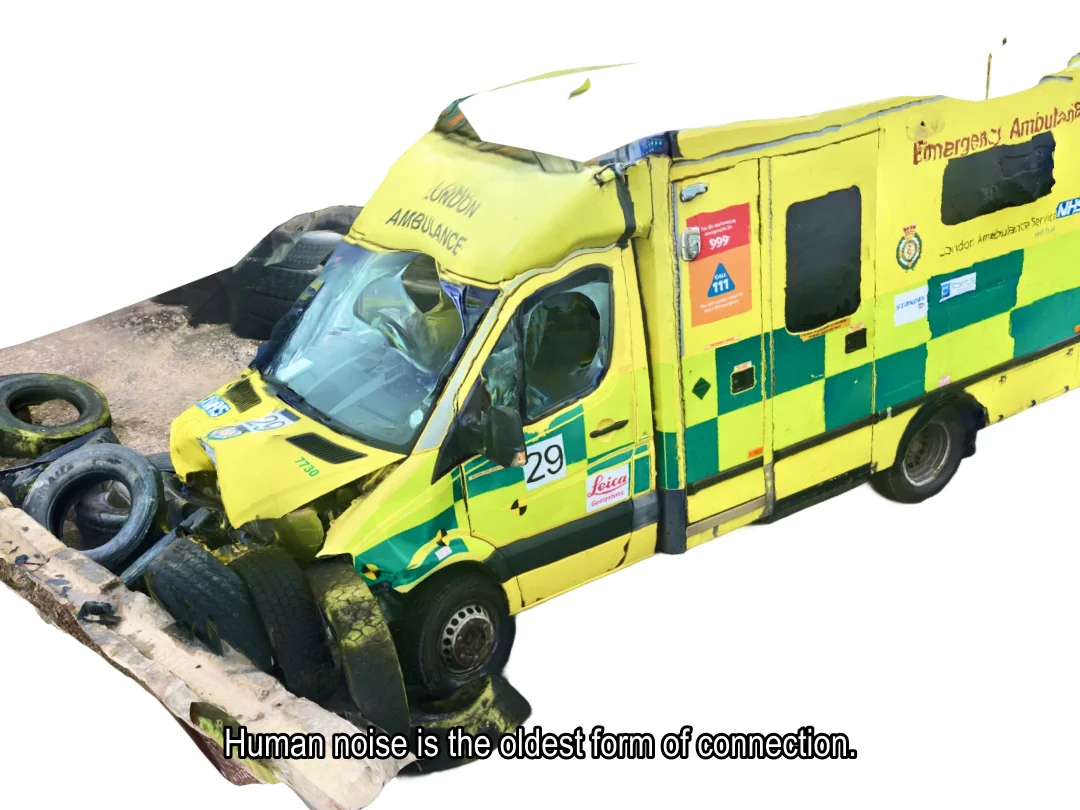
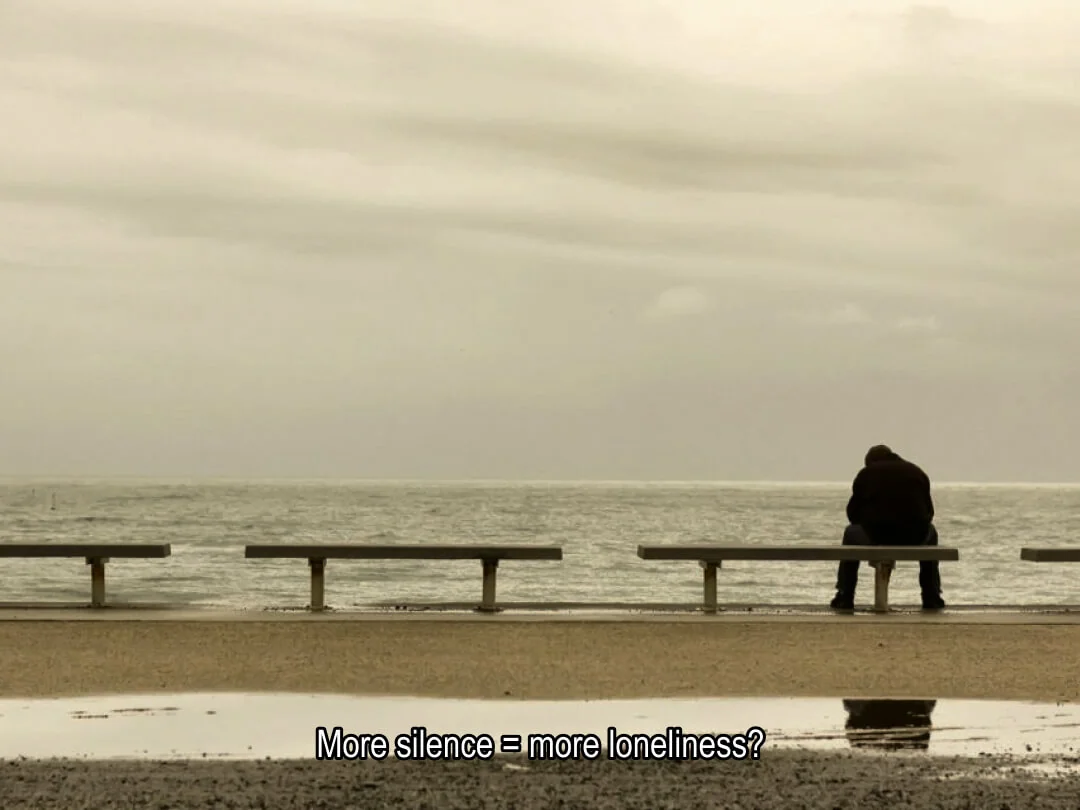
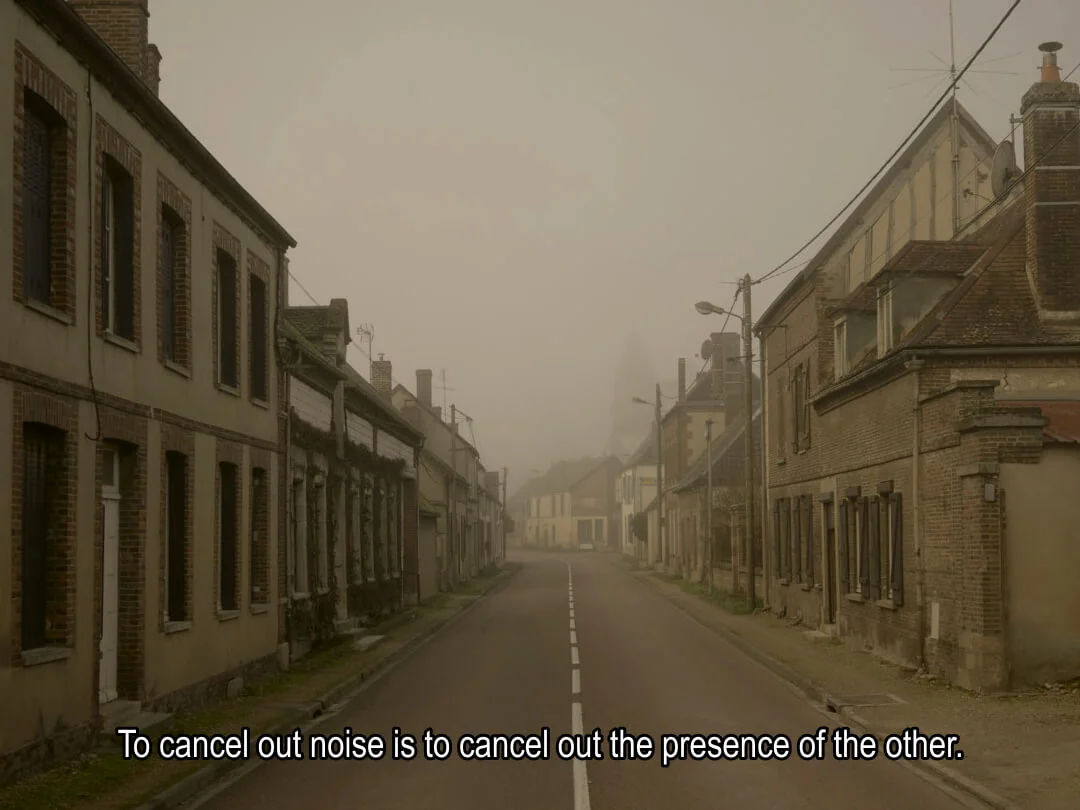
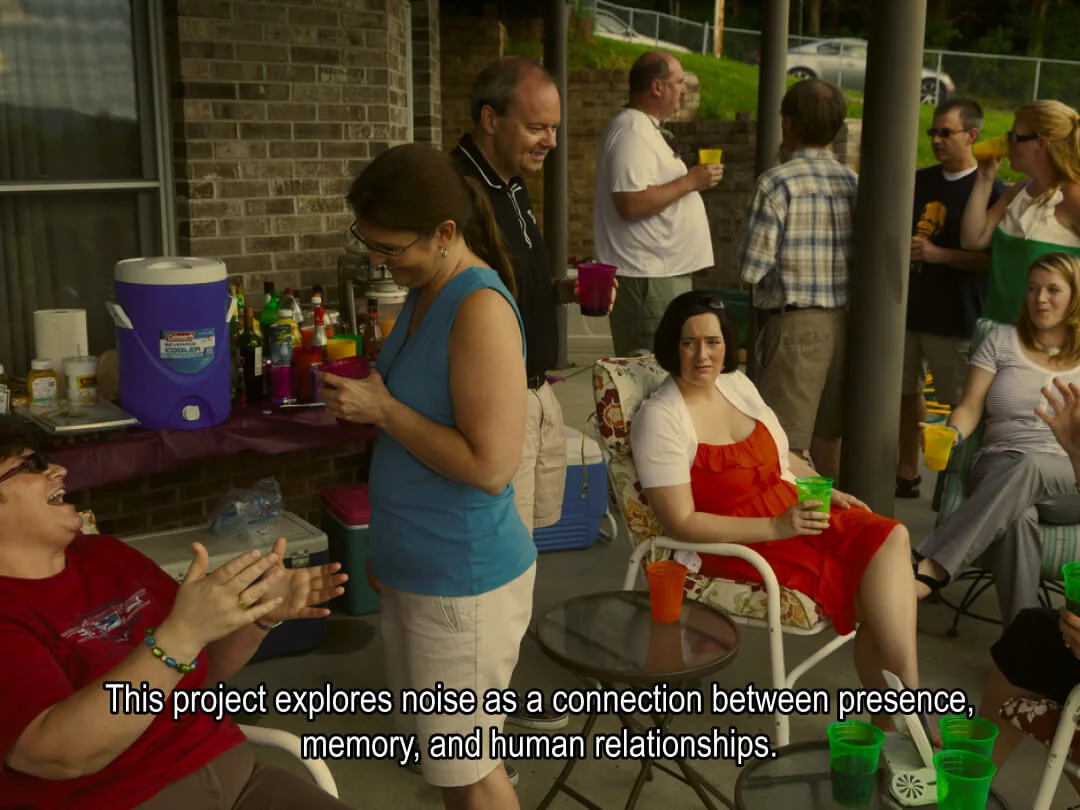
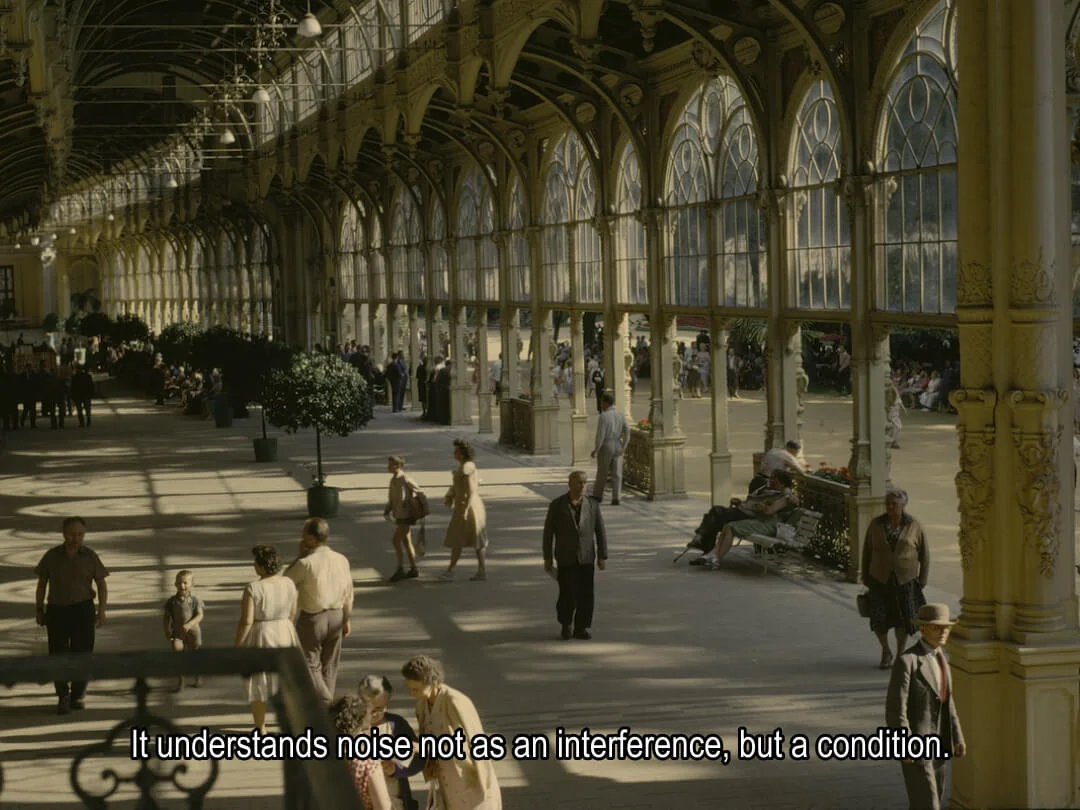
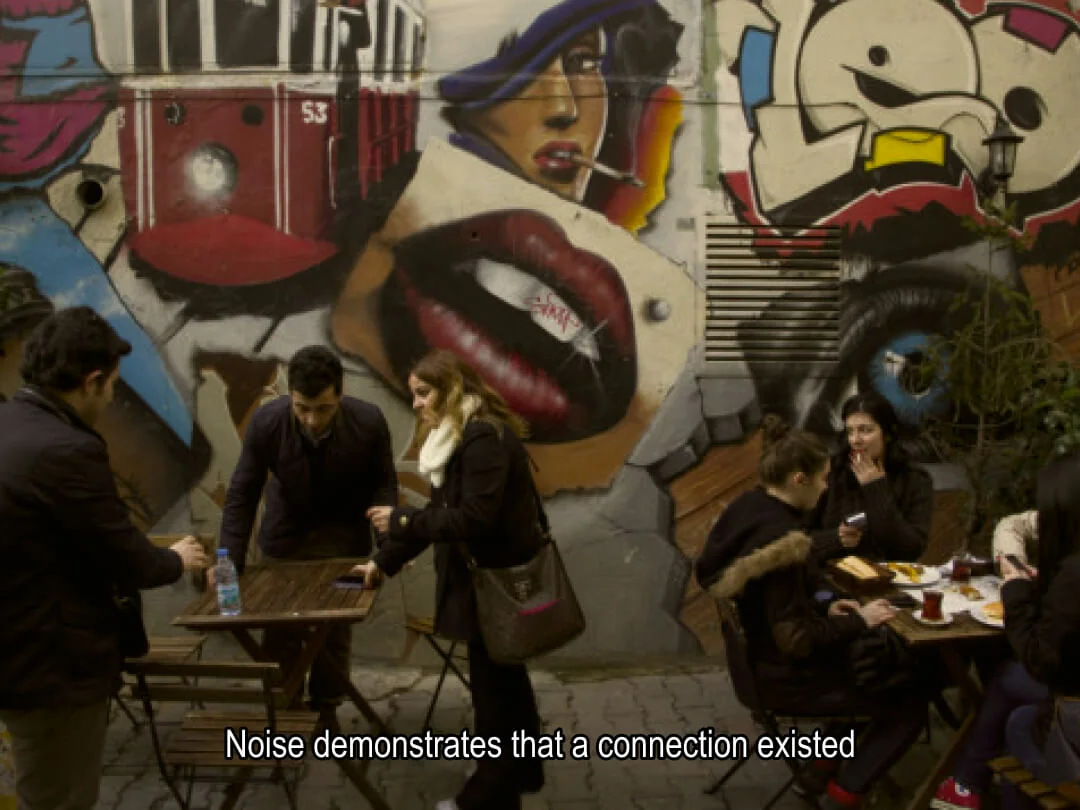
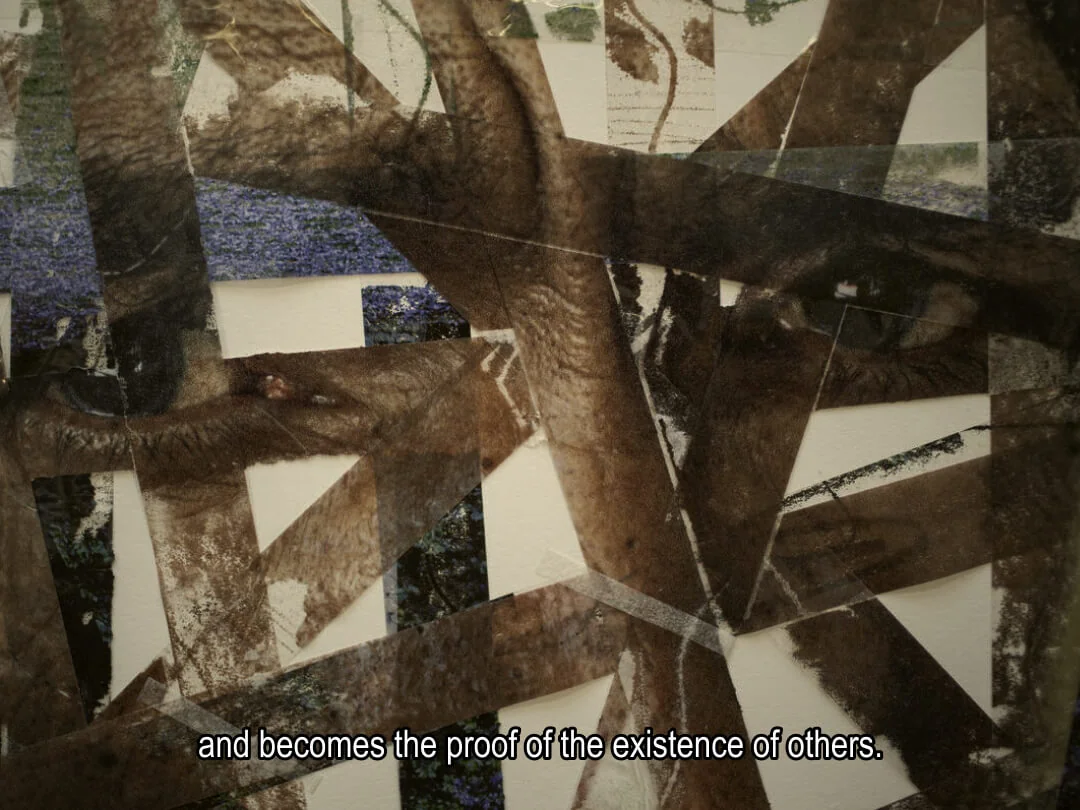
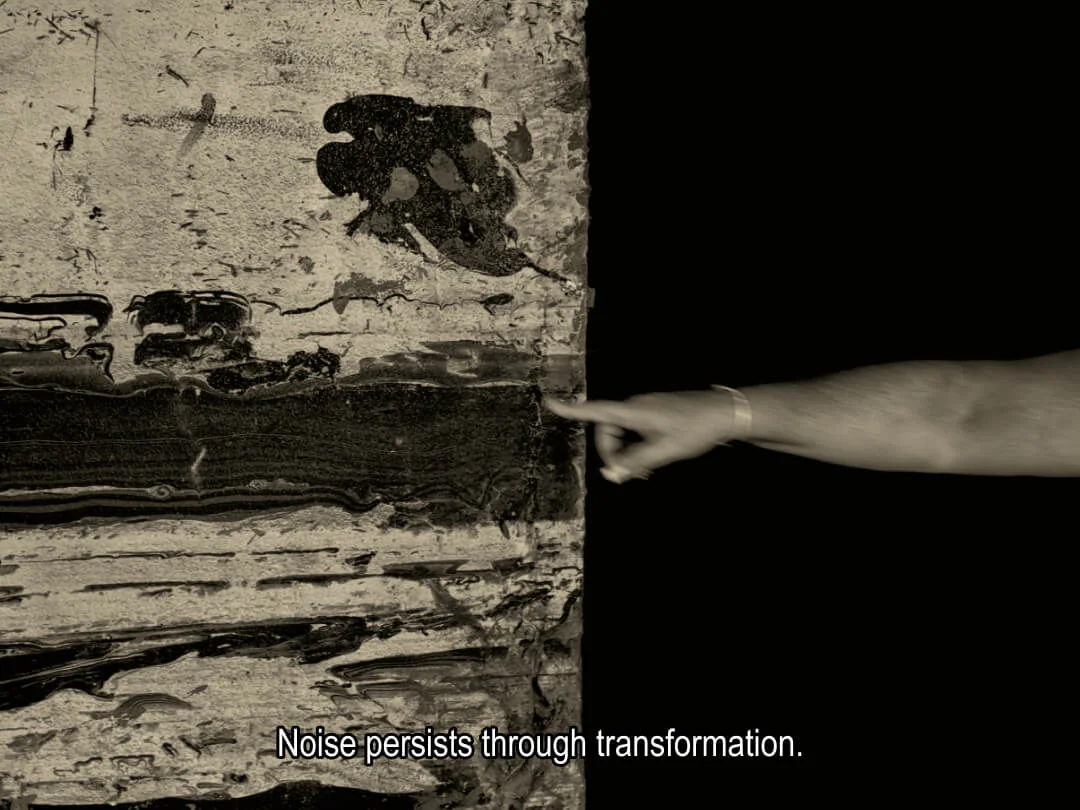
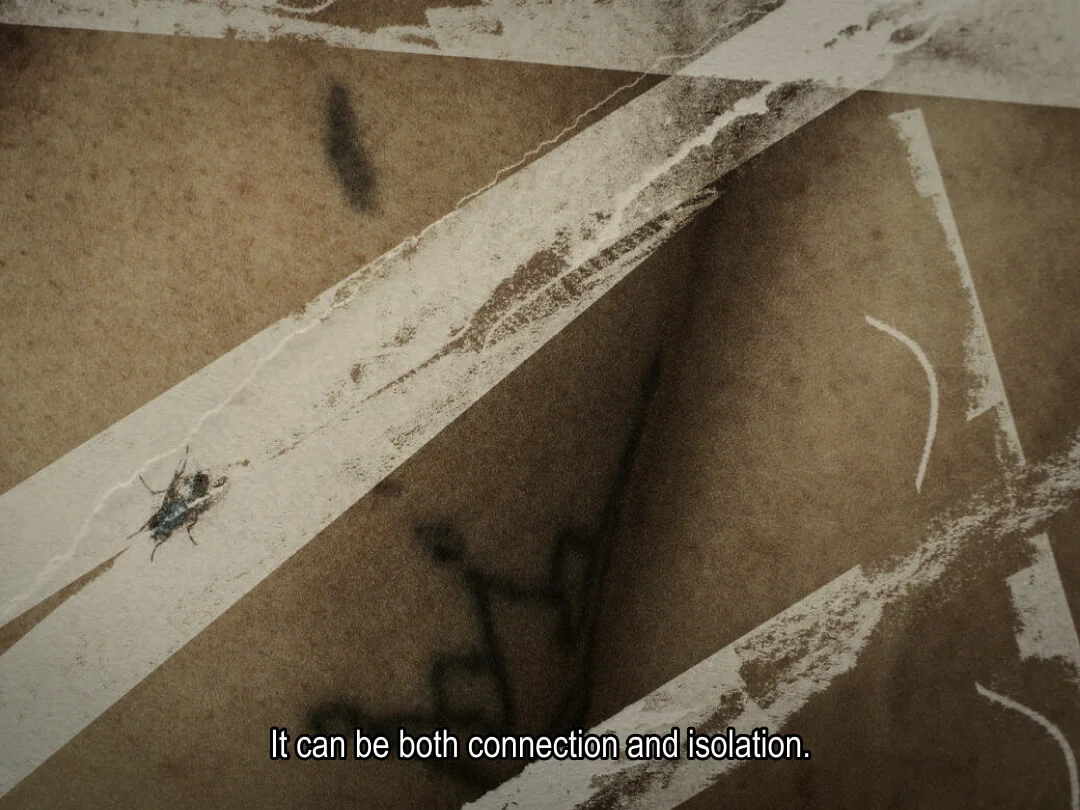
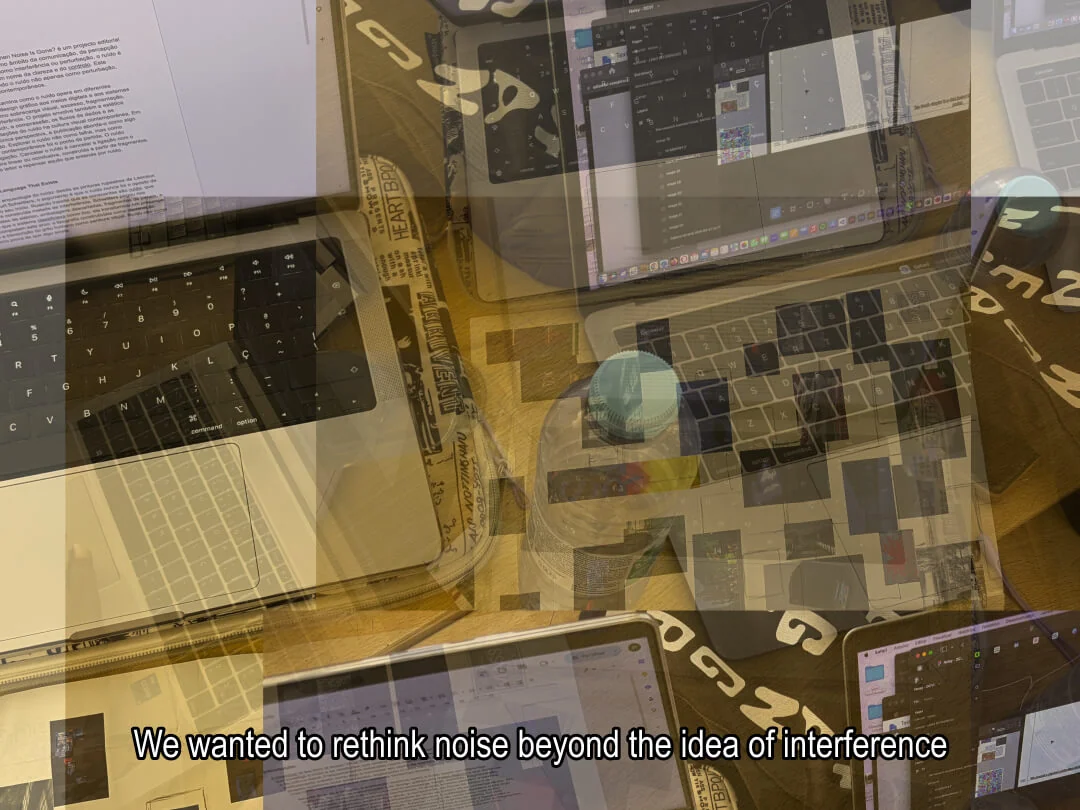
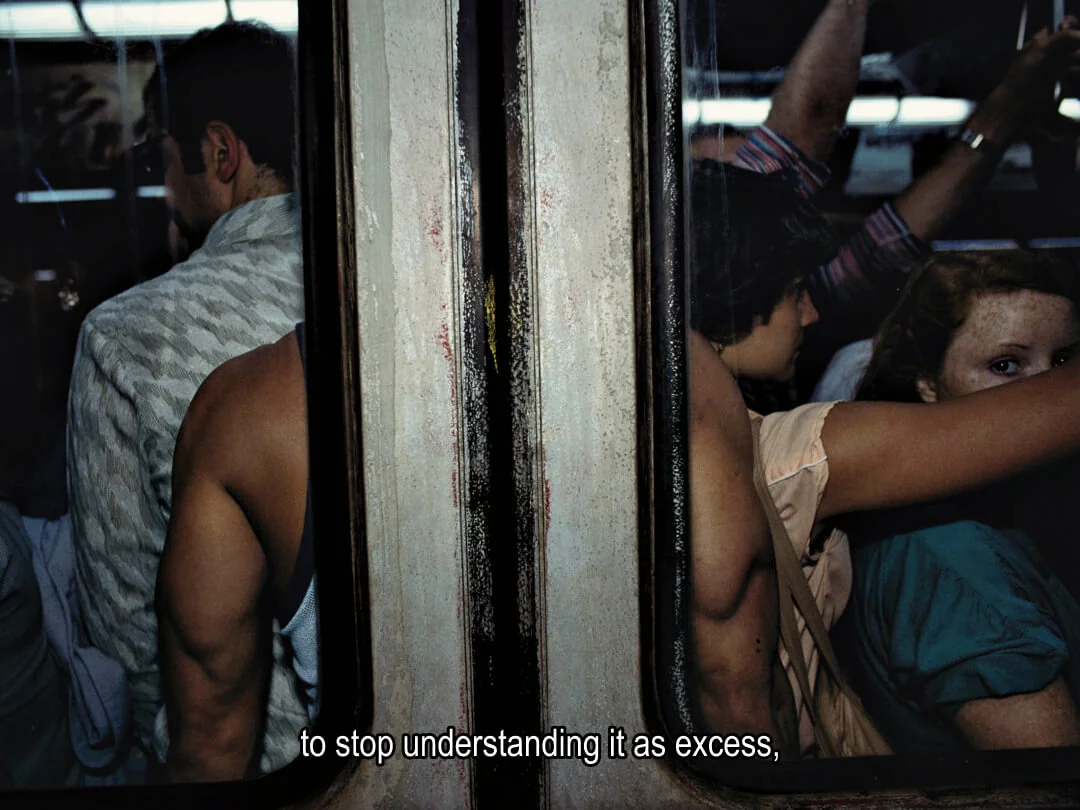
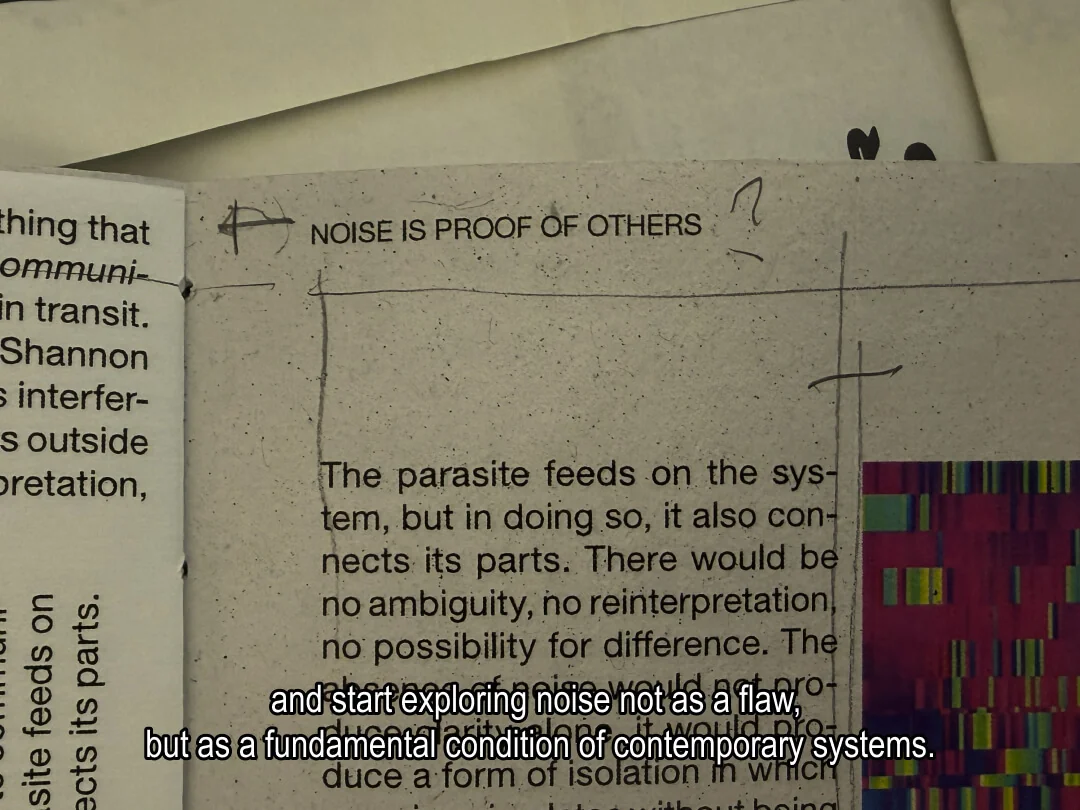
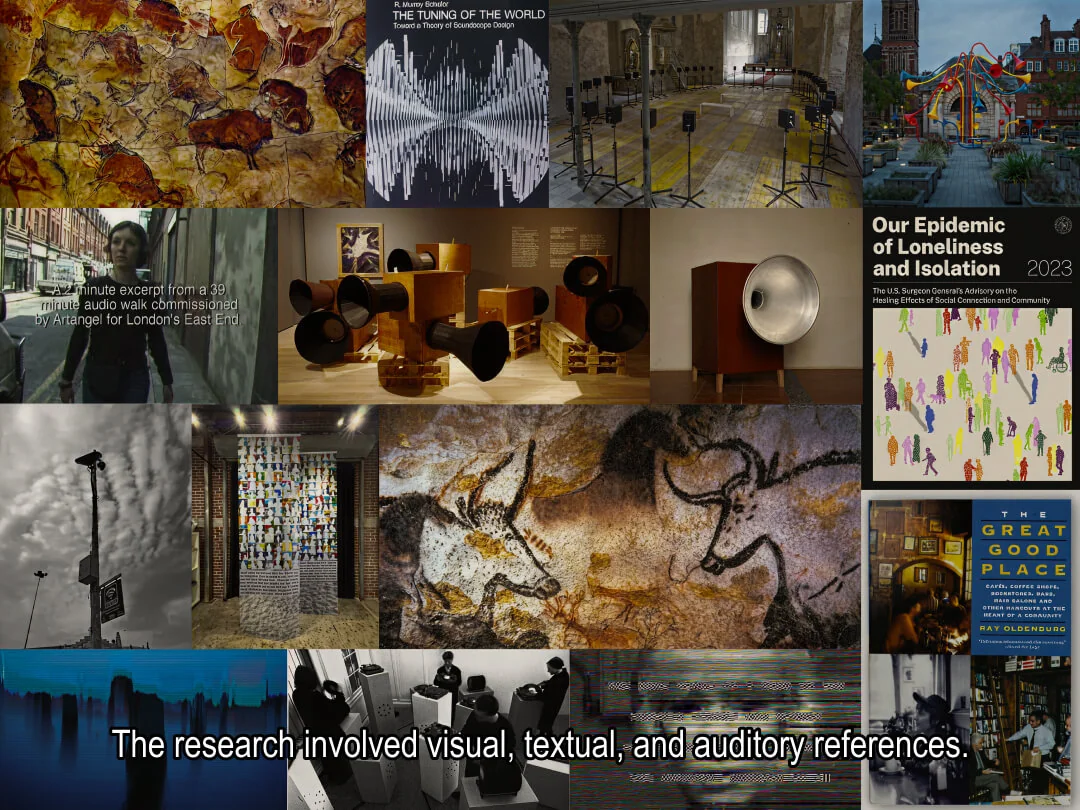
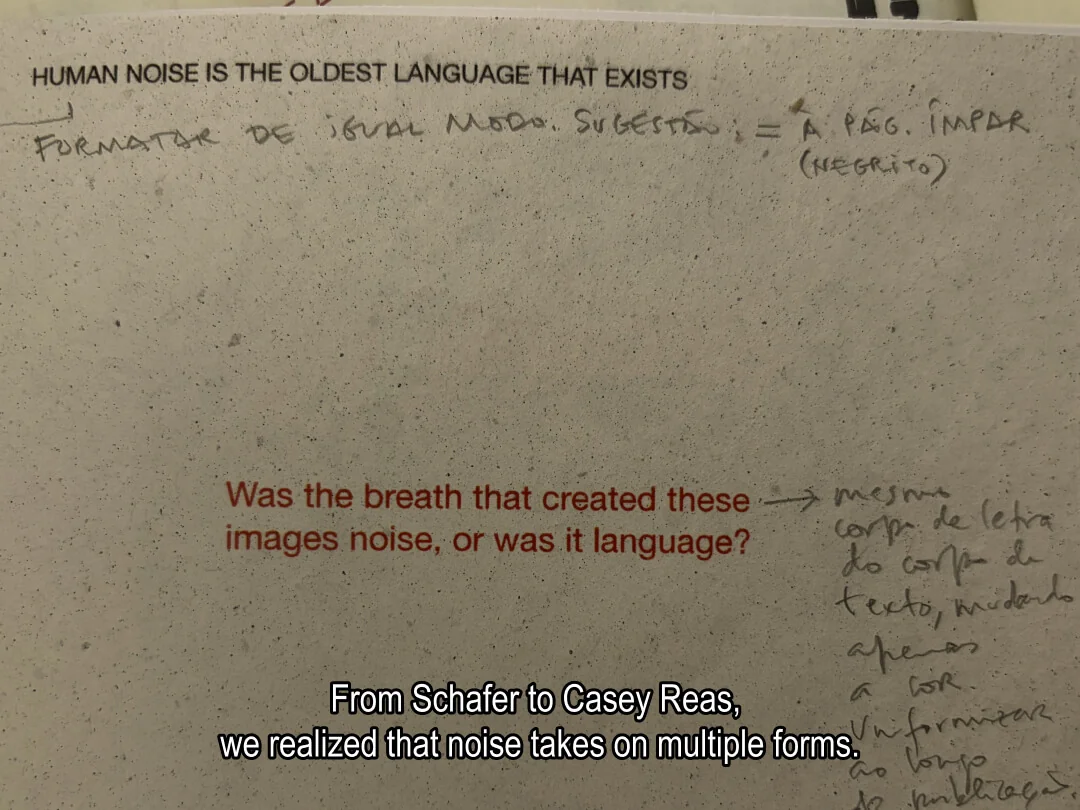
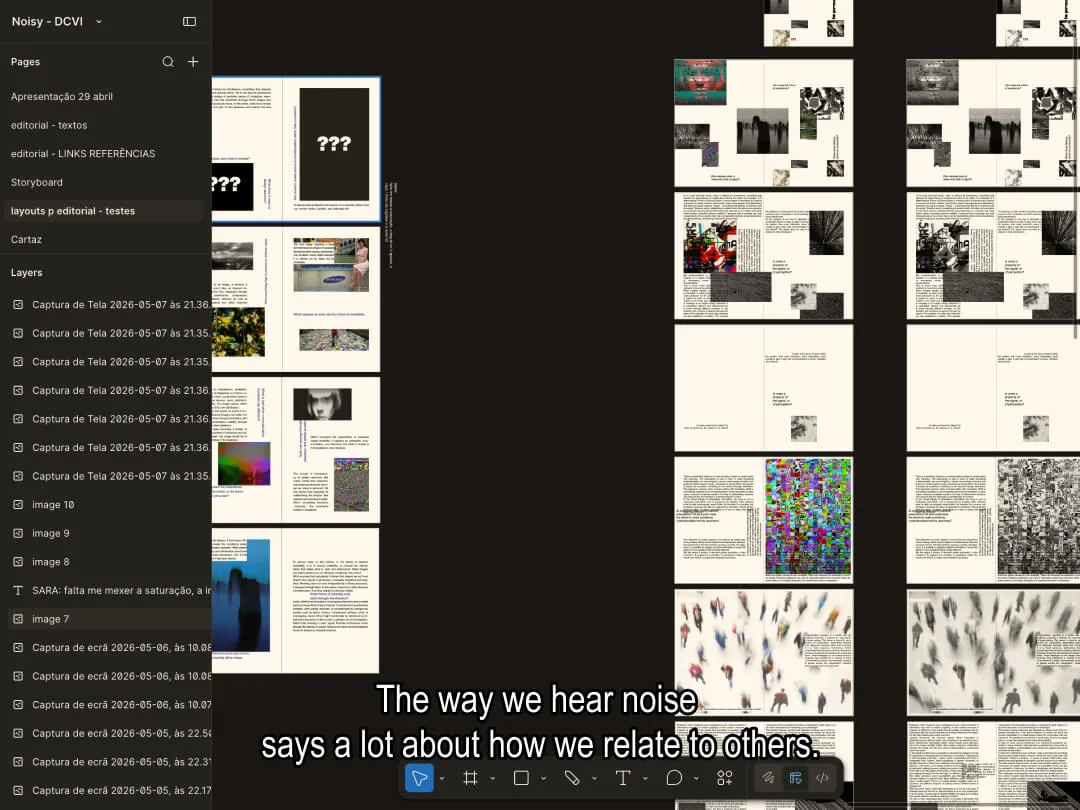
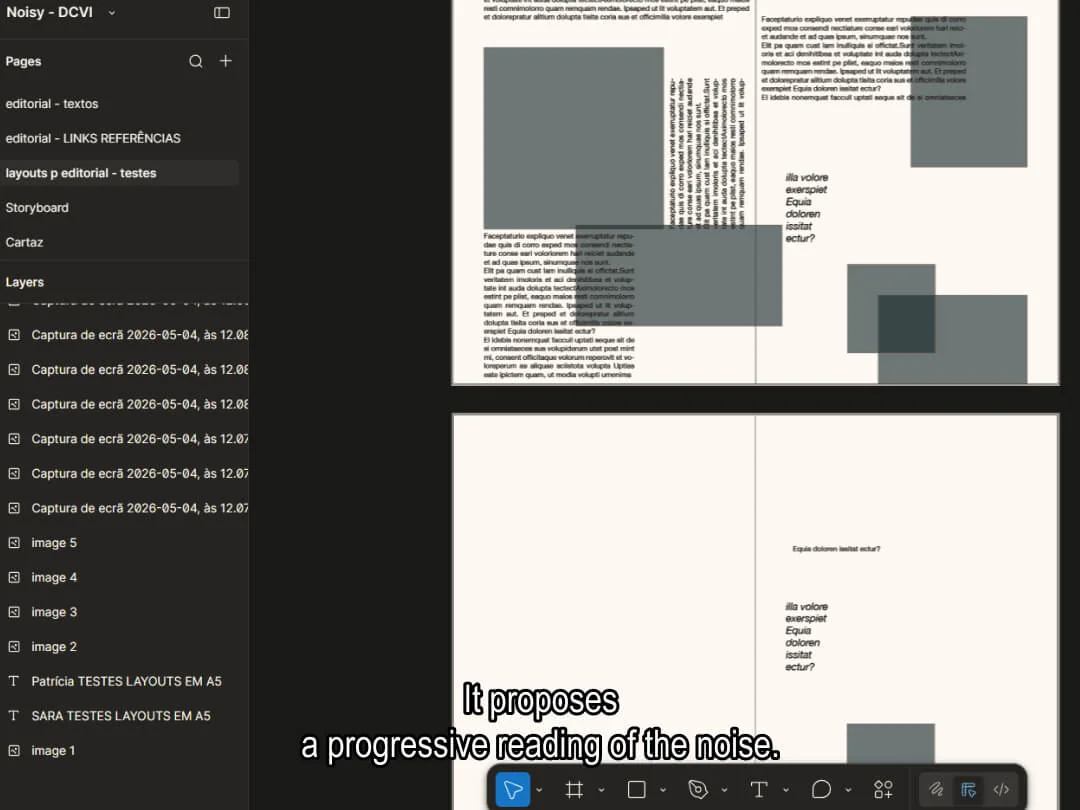
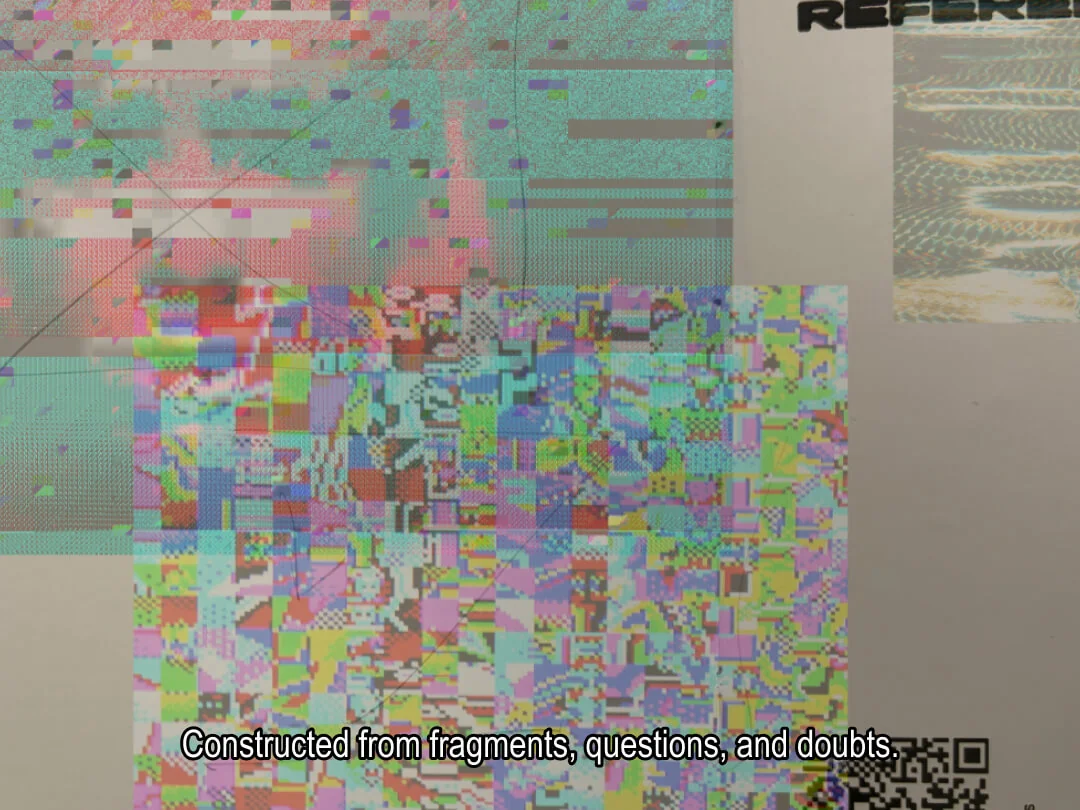
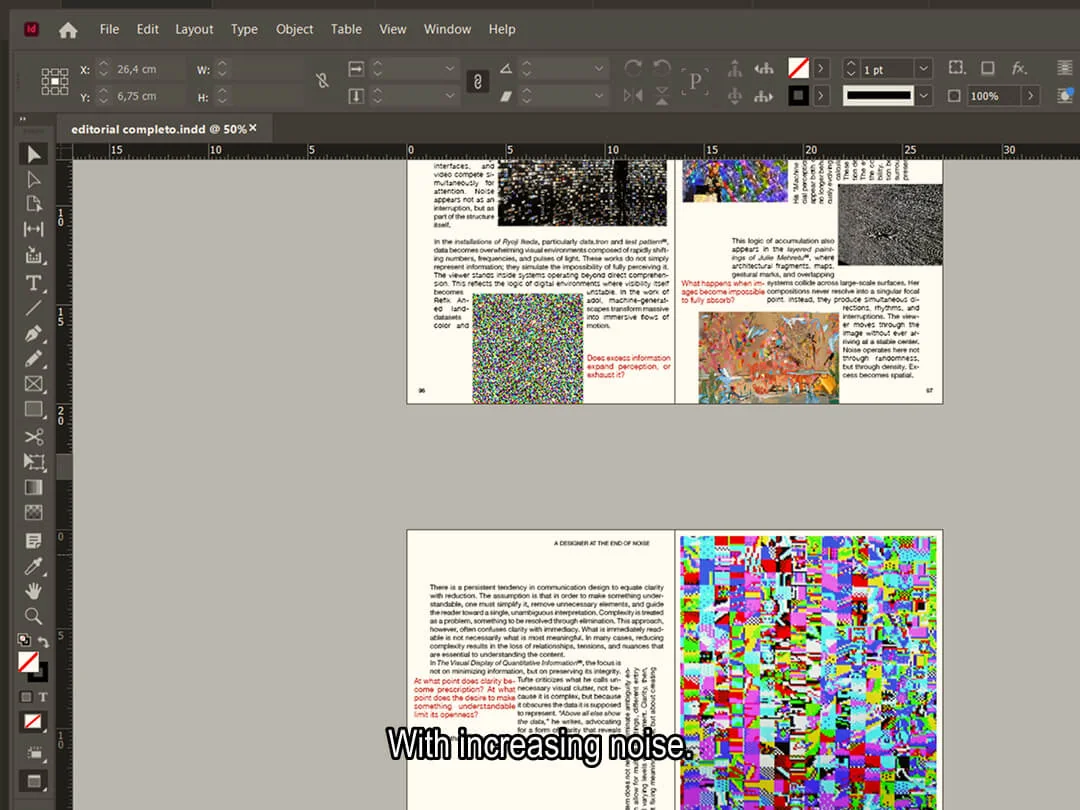
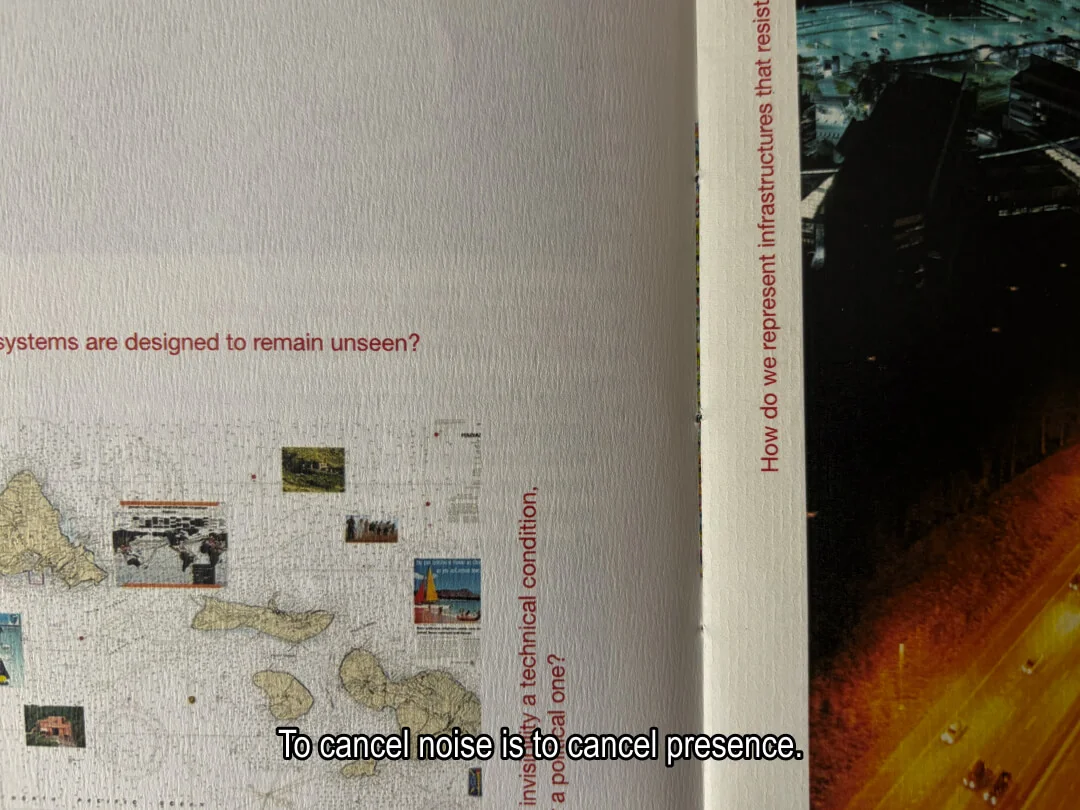
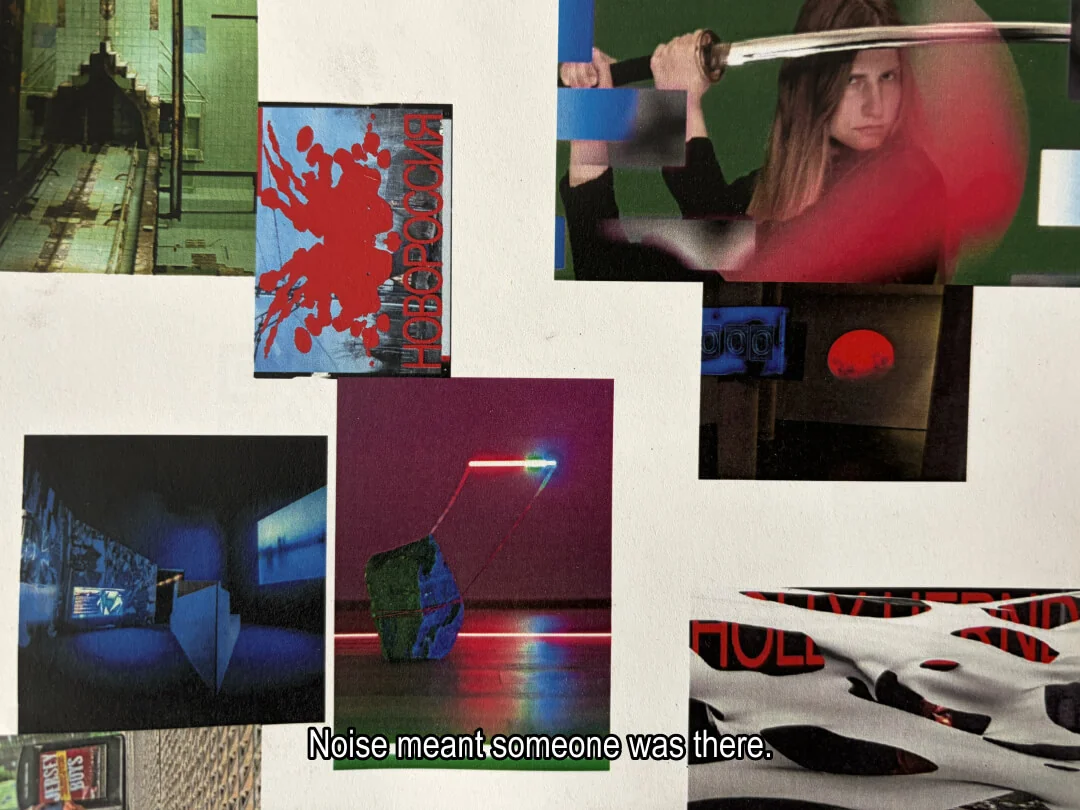
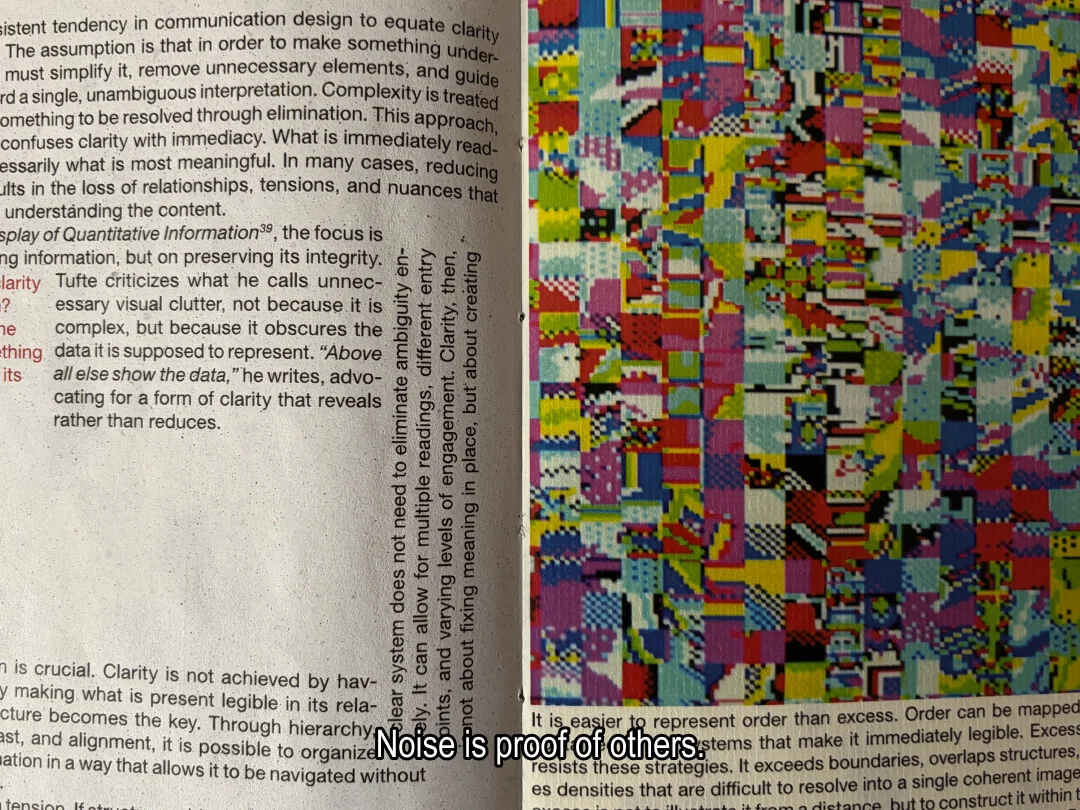
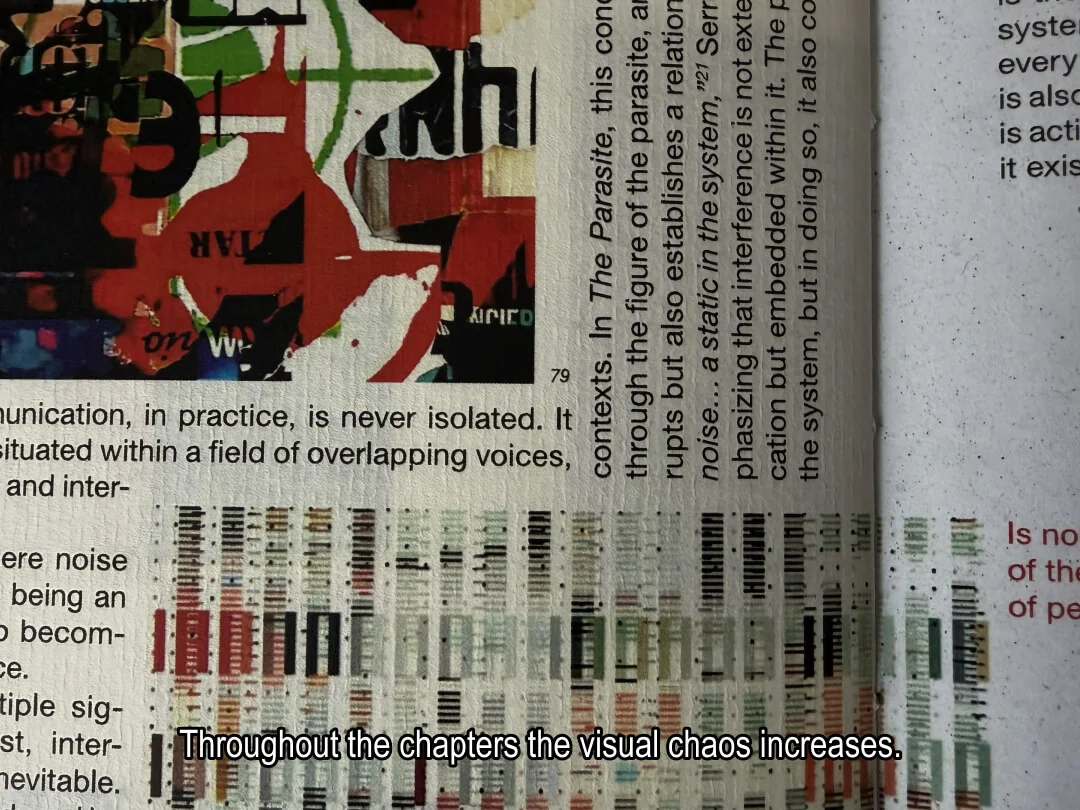
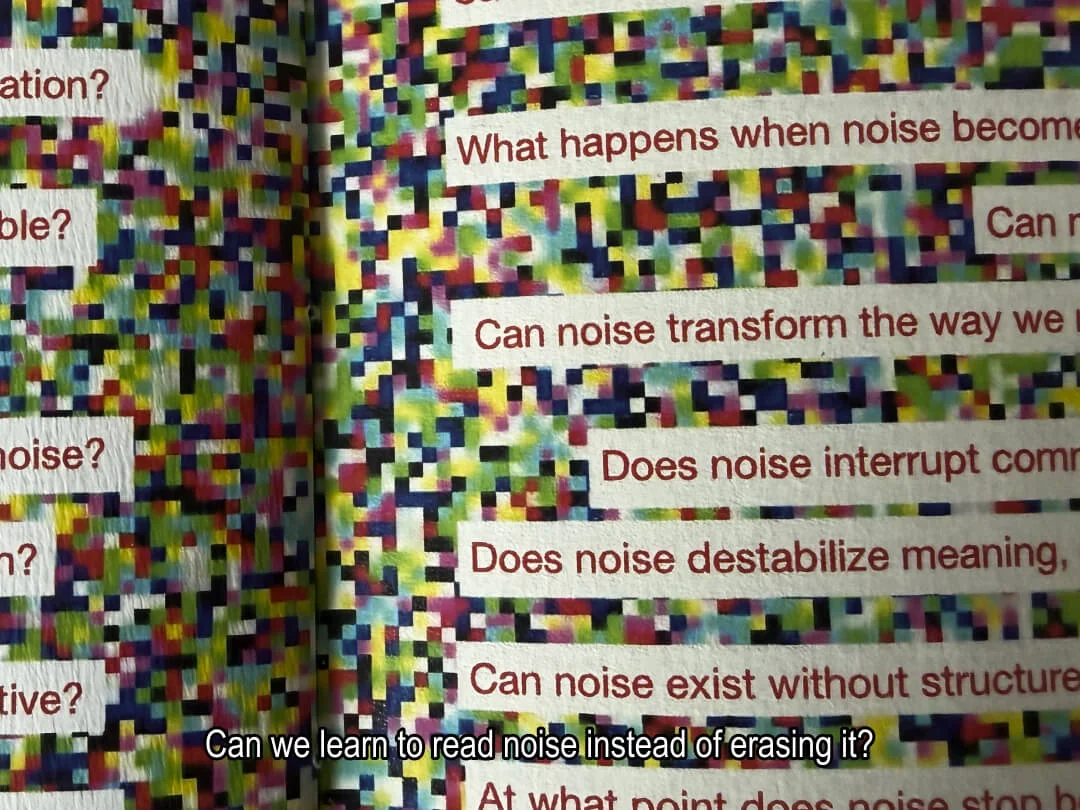
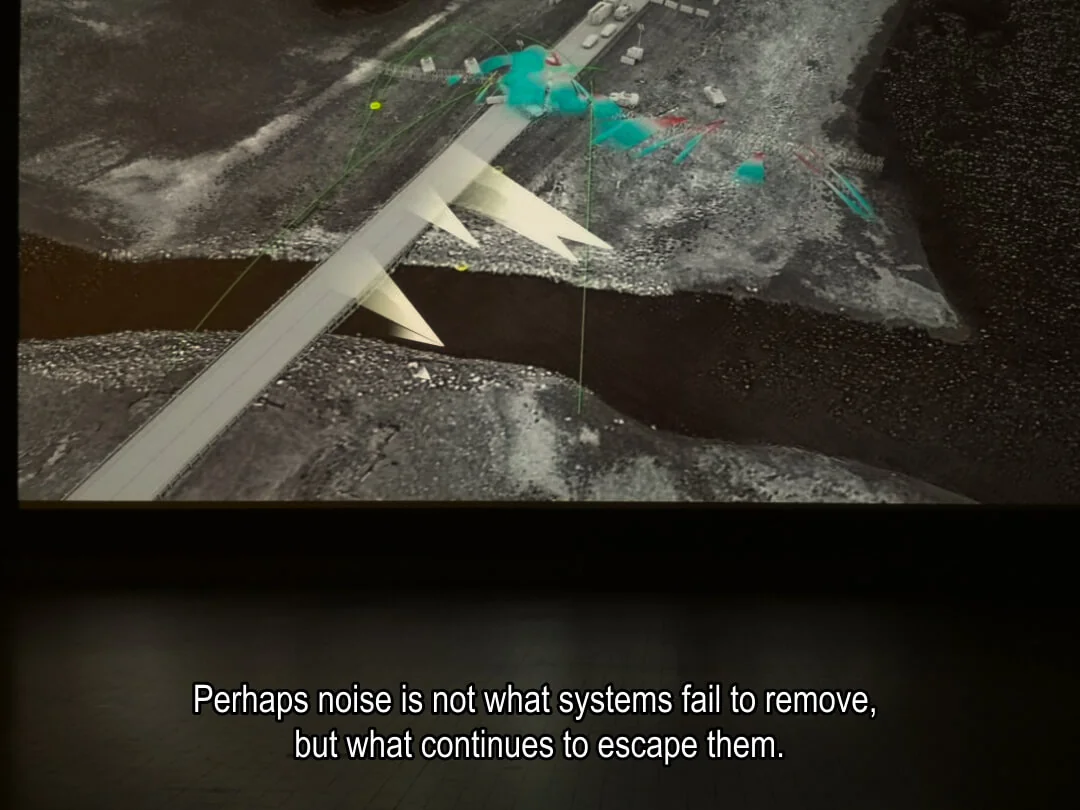
A Designer at the End of Noise: What Remains When Noise Is Gone? is a printed publication that explores noise as proof of presence, a form of communication, and a space of conflict. In a context shaped by information saturation, algorithmic mediation, and trend-driven content circulation, we question what it means to limit noise and the implications of doing so for diversity, memory, and the perception of others. Through sound, interference, excess, and manipulation, noise is approached as a trace of existence and a condition of contemporary relations.

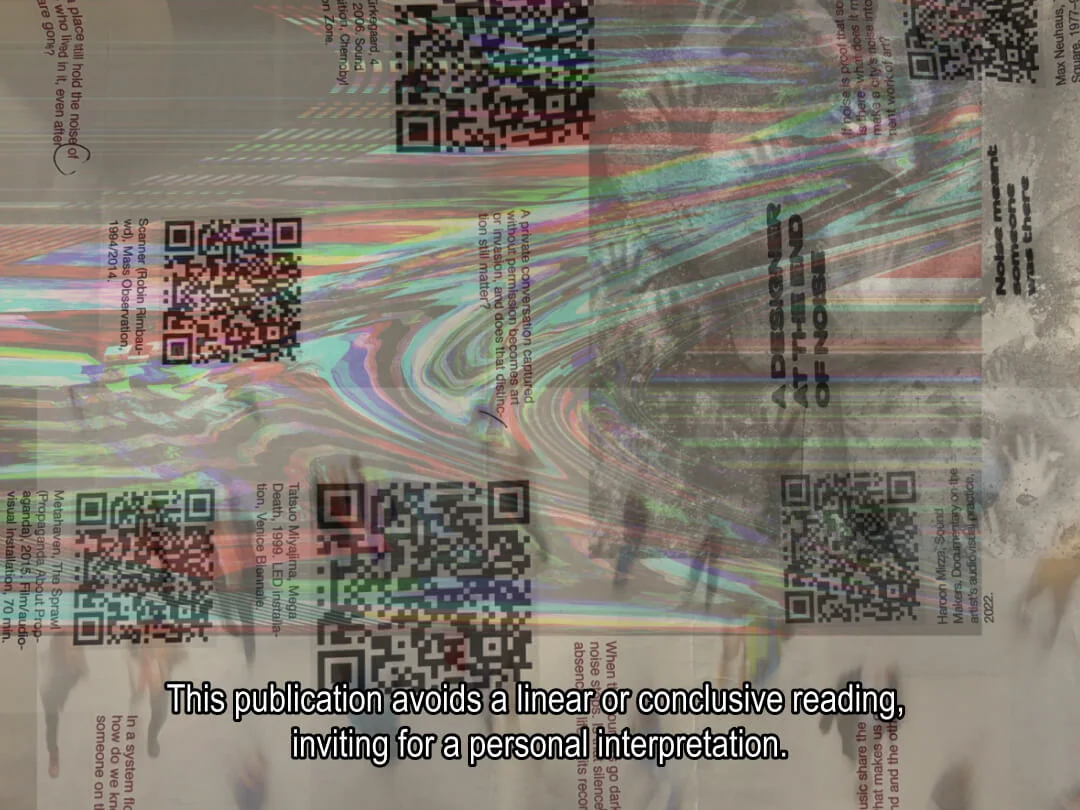
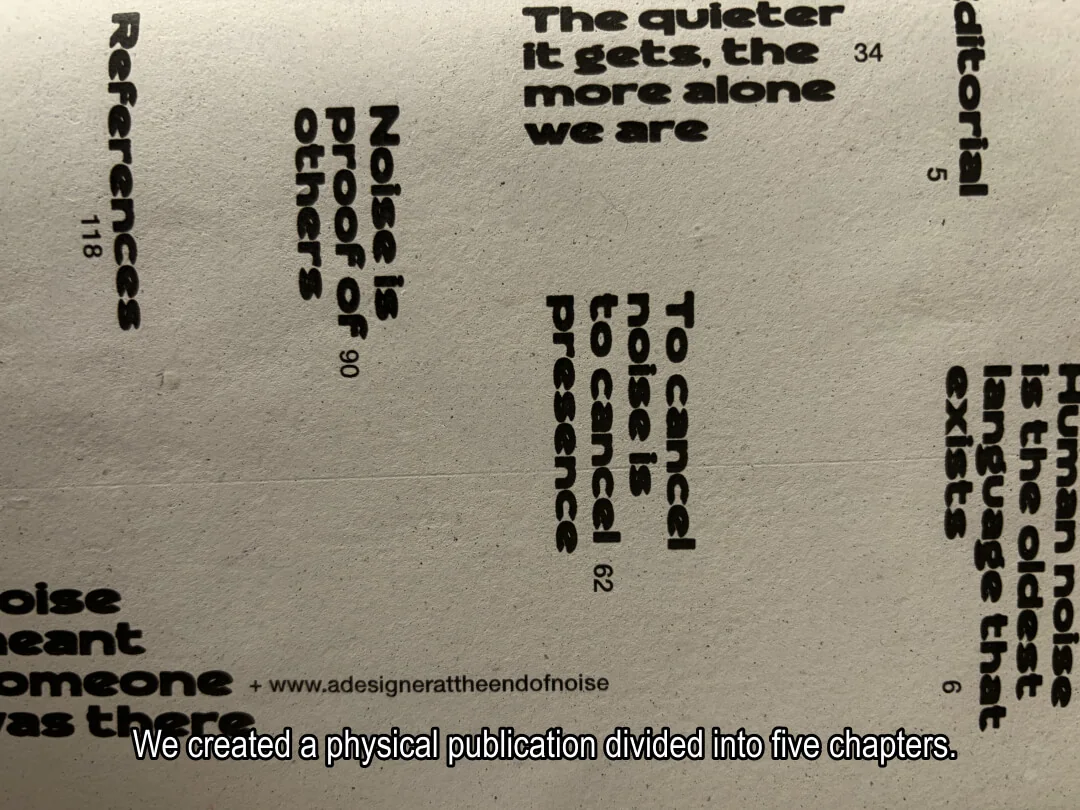
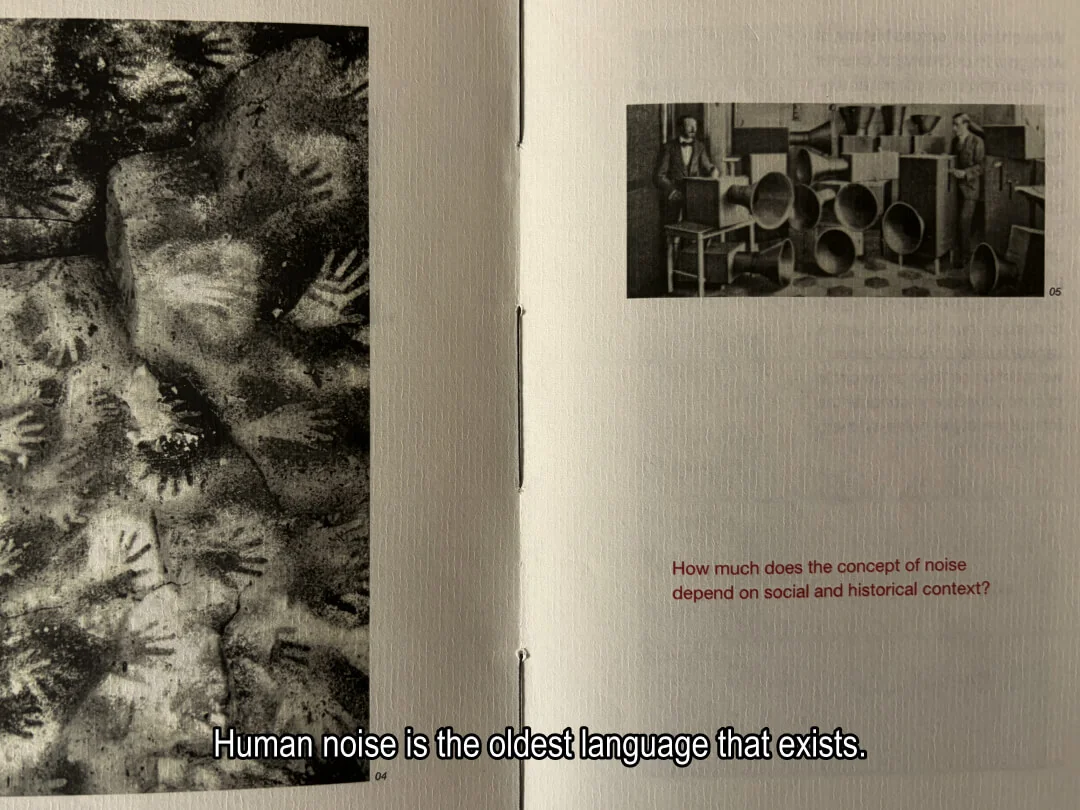
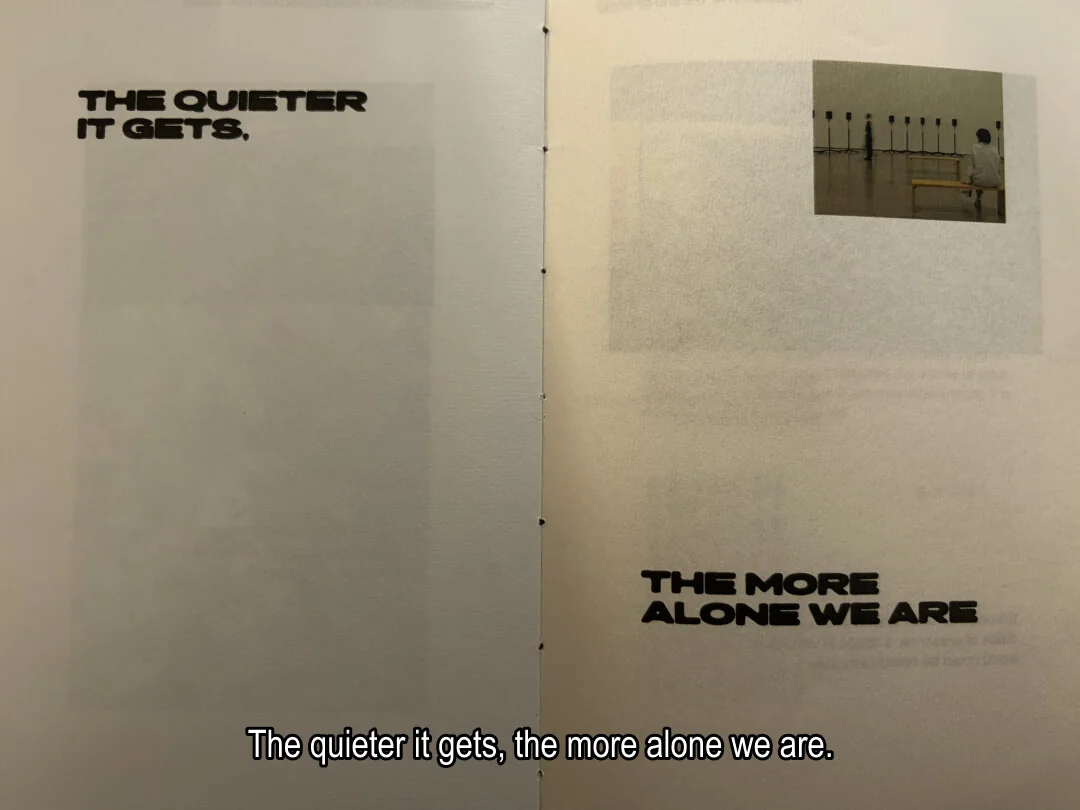
Organized into five chapters — Human Noise Is the Oldest Language That Exists; The Quieter it Gets, the More Alone We Are; To Cancel Noise is to Cancel Presence; Noise Meant Someone Was There; and Noise is Proof of Others — the publication combines text, image, and bibliographic references embedded within the books structure, proposing a non-linear reading experience. One chapter takes the form of a fold-out poster that also functions as the books cover and incorporates QR codes linking to sound and audiovisual content.

The project positions design as a critical agent capable of revealing, amplifying, framing, or limiting noise. Rather than asking what remains when certain forms of noise are reduced, it questions what becomes imperceptible when we seek to make the world more legible. If presence manifests itself through fragments, sounds, and disturbances, which ones become unrecognizable when the noise is reduced?

PROJECT BY Patricía Champel
Sara Sousa
Tábata Muzy
Teresa Soares

close
A DESIGNER AT THE END OF...
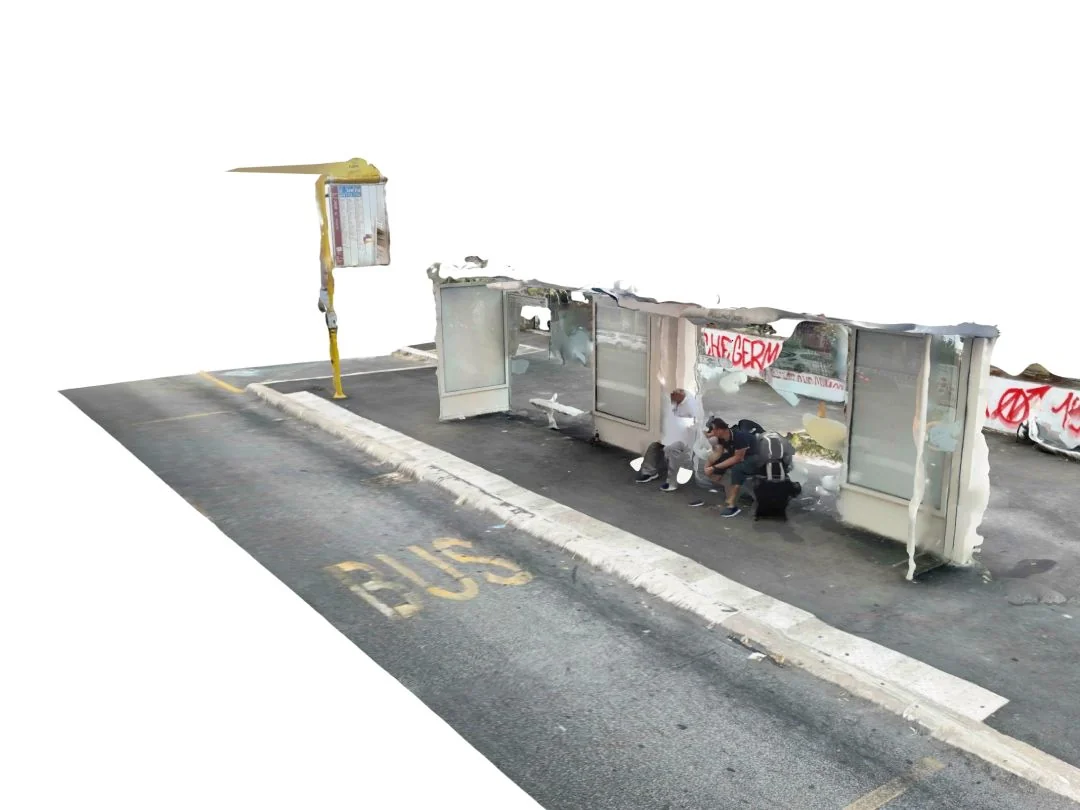
Nowhere-Elsewhere (WEBSITE)

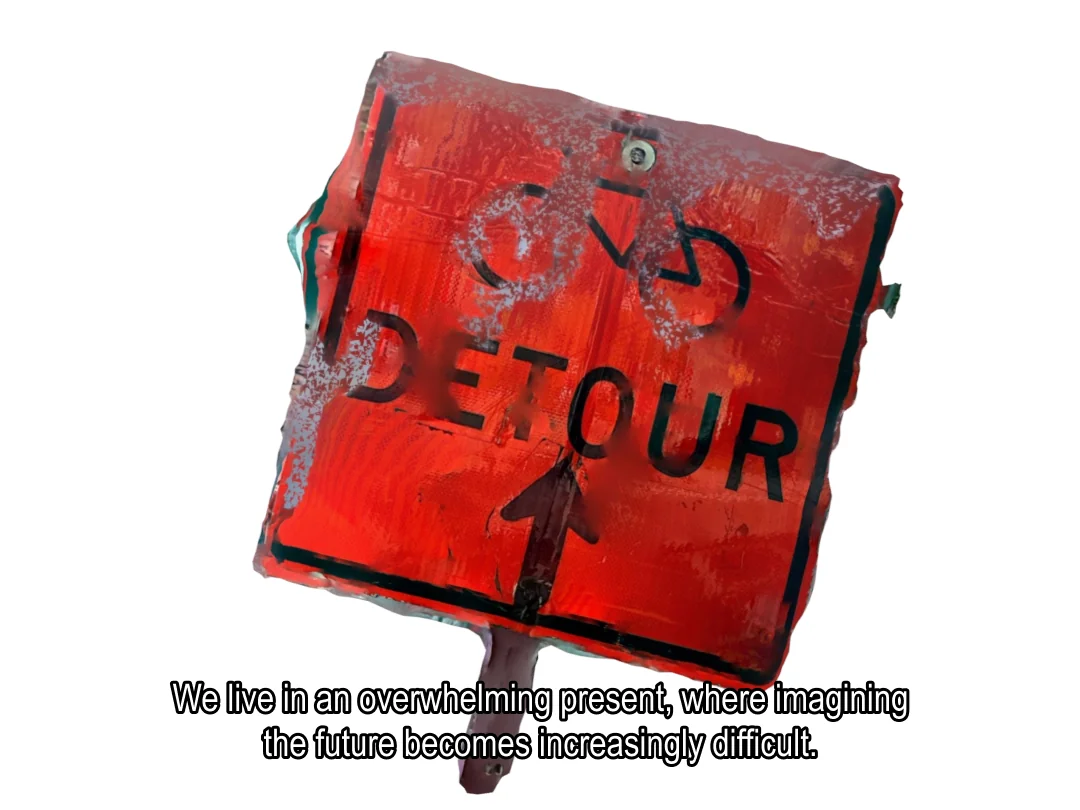
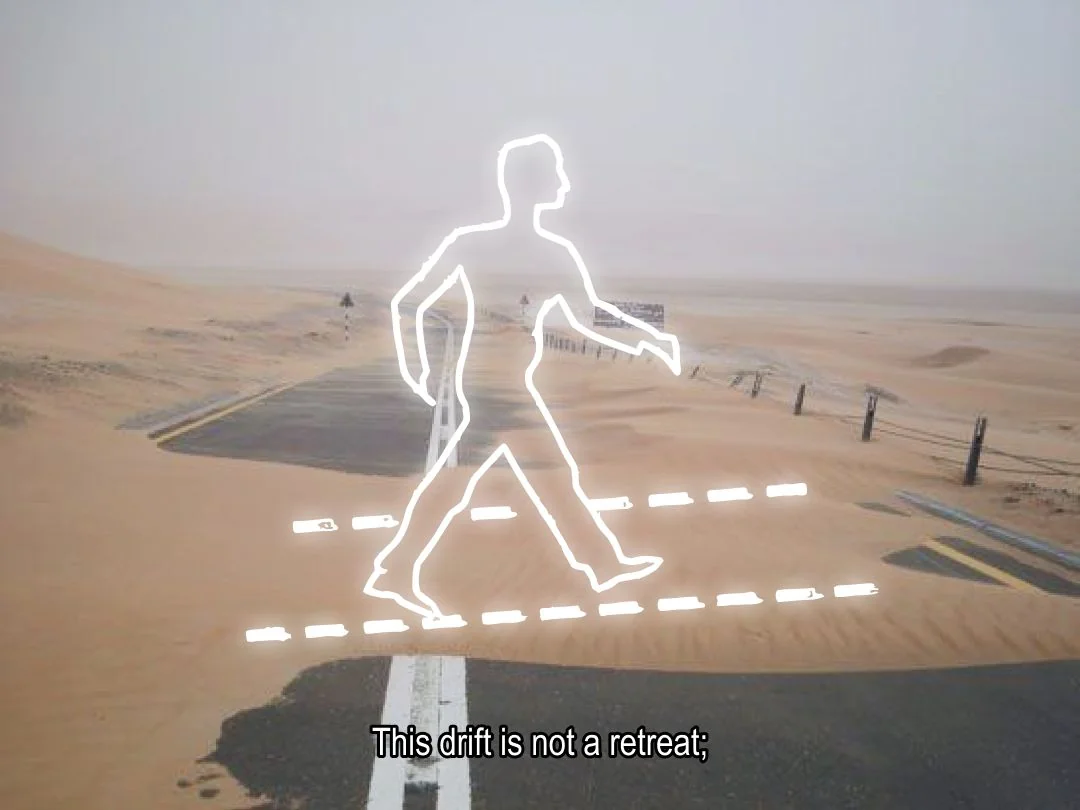
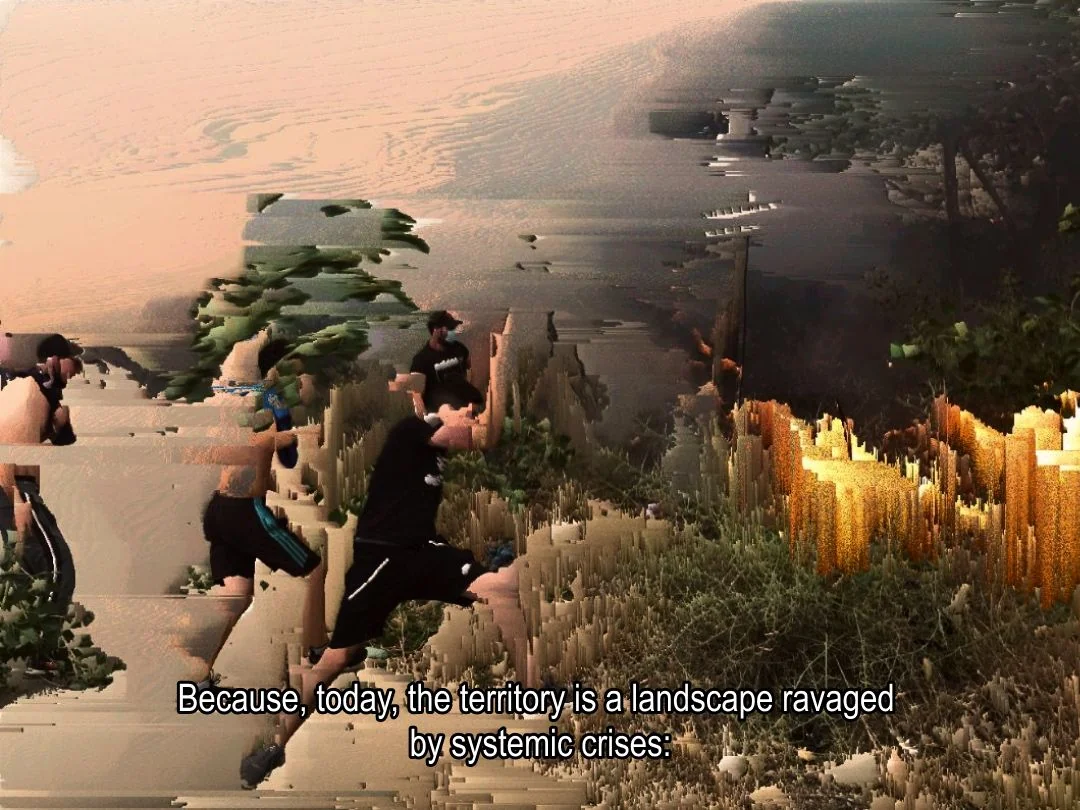
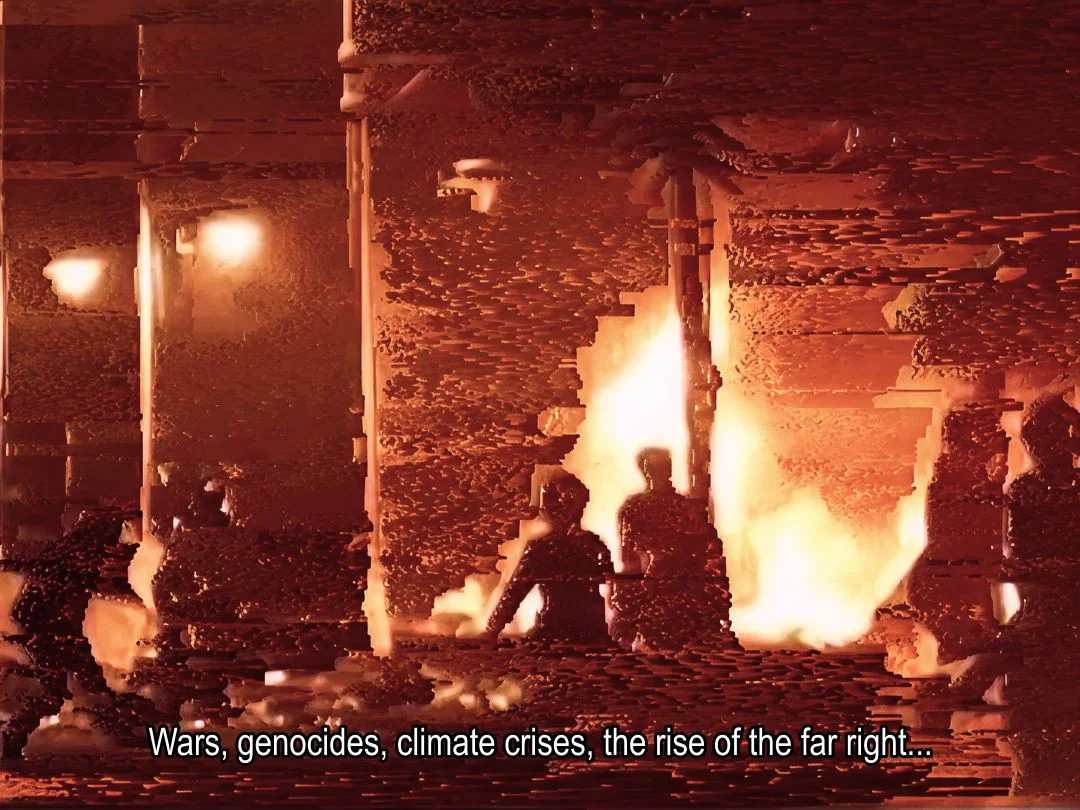
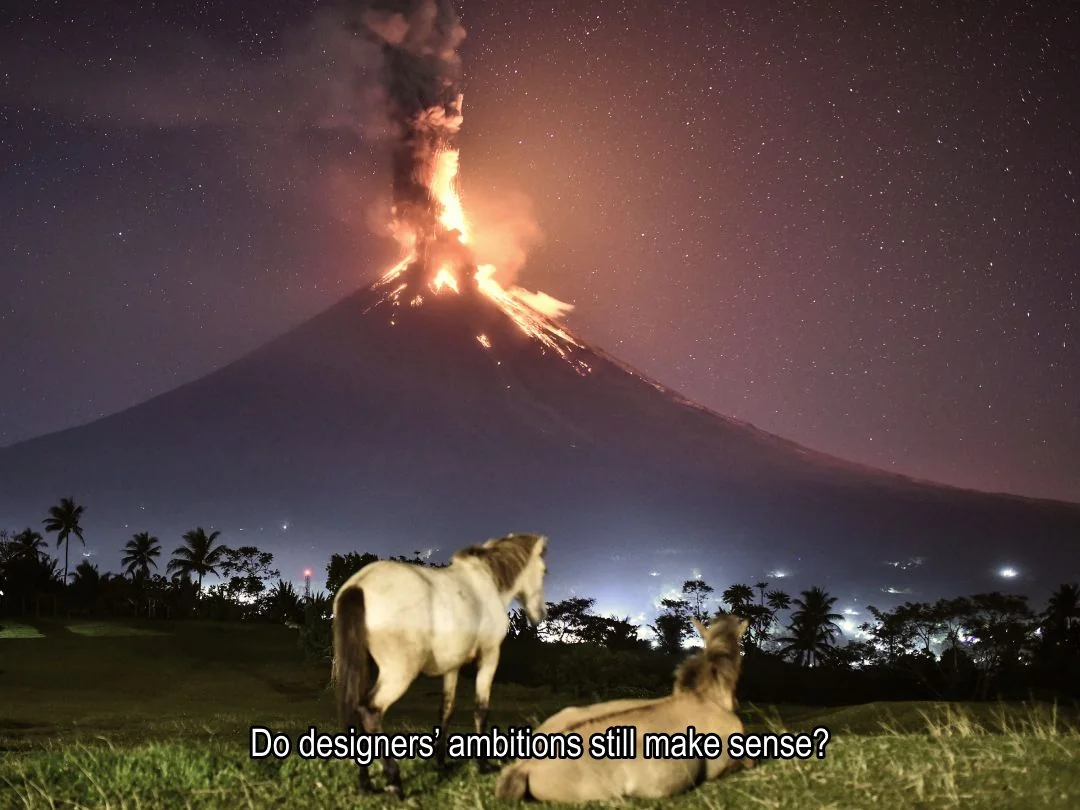
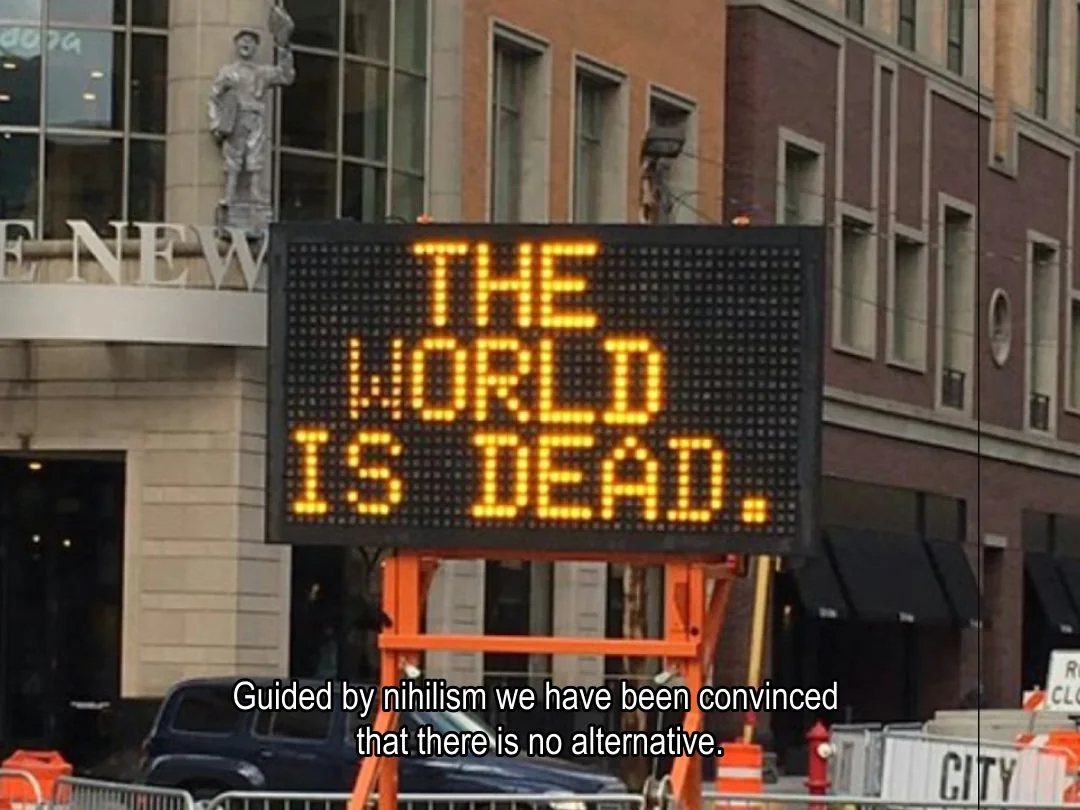
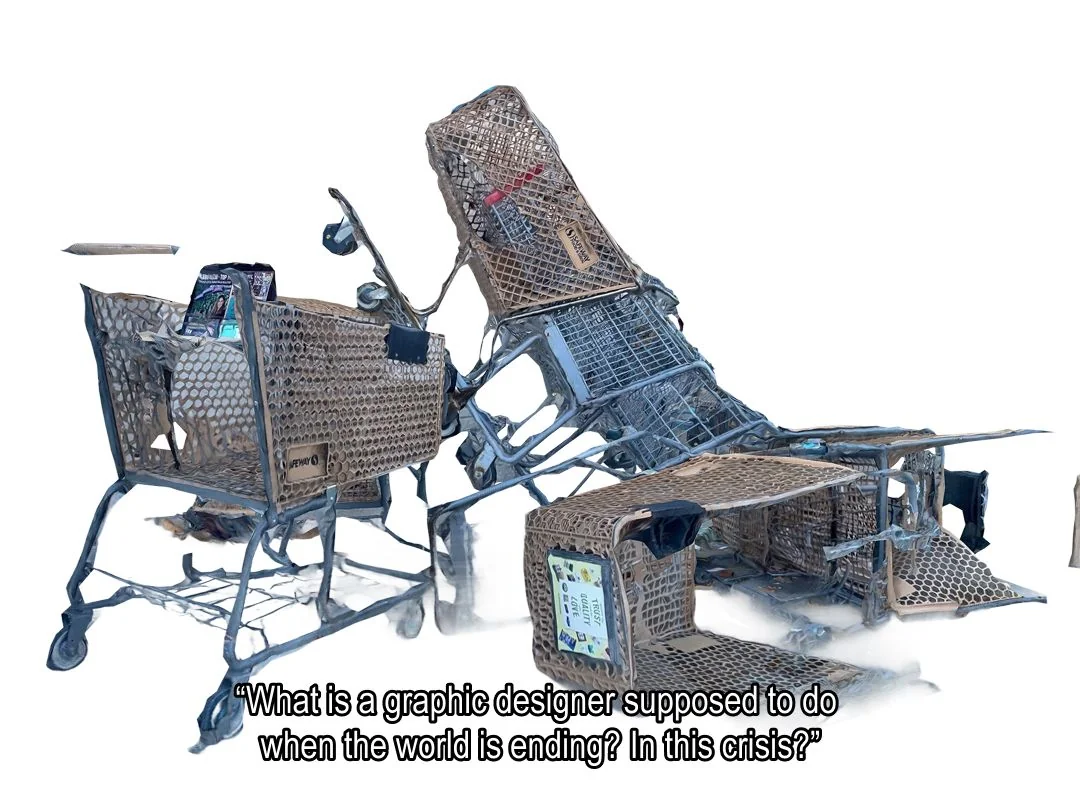
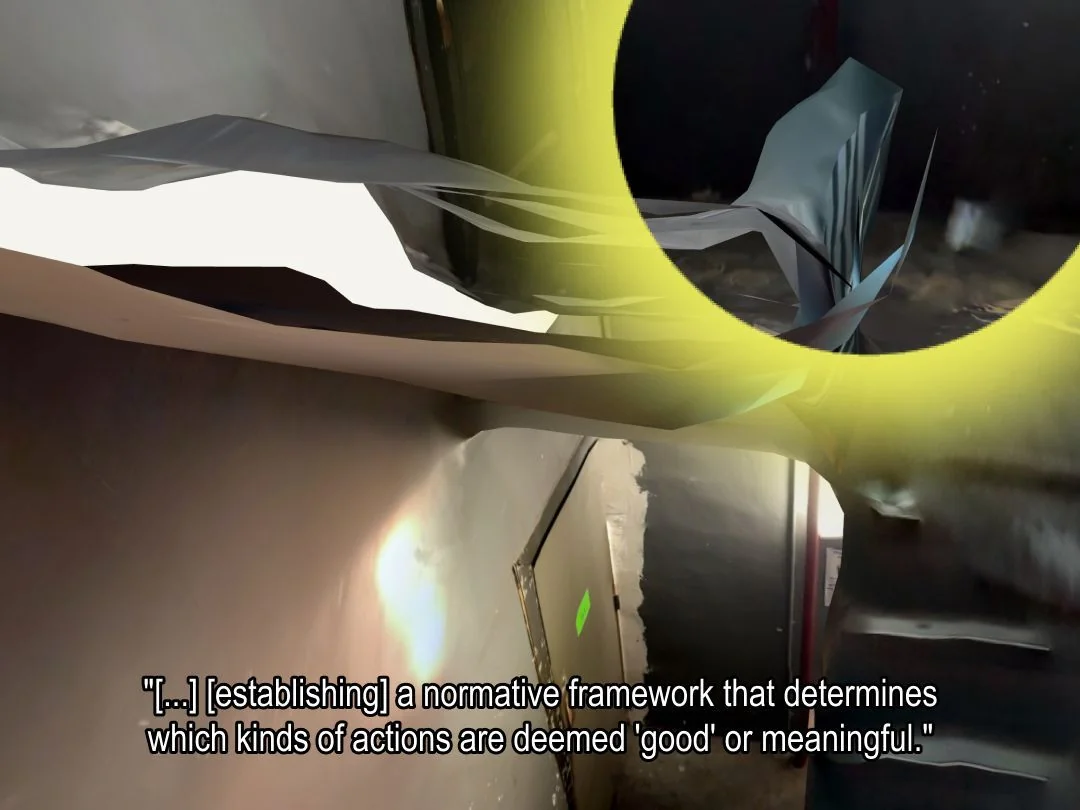
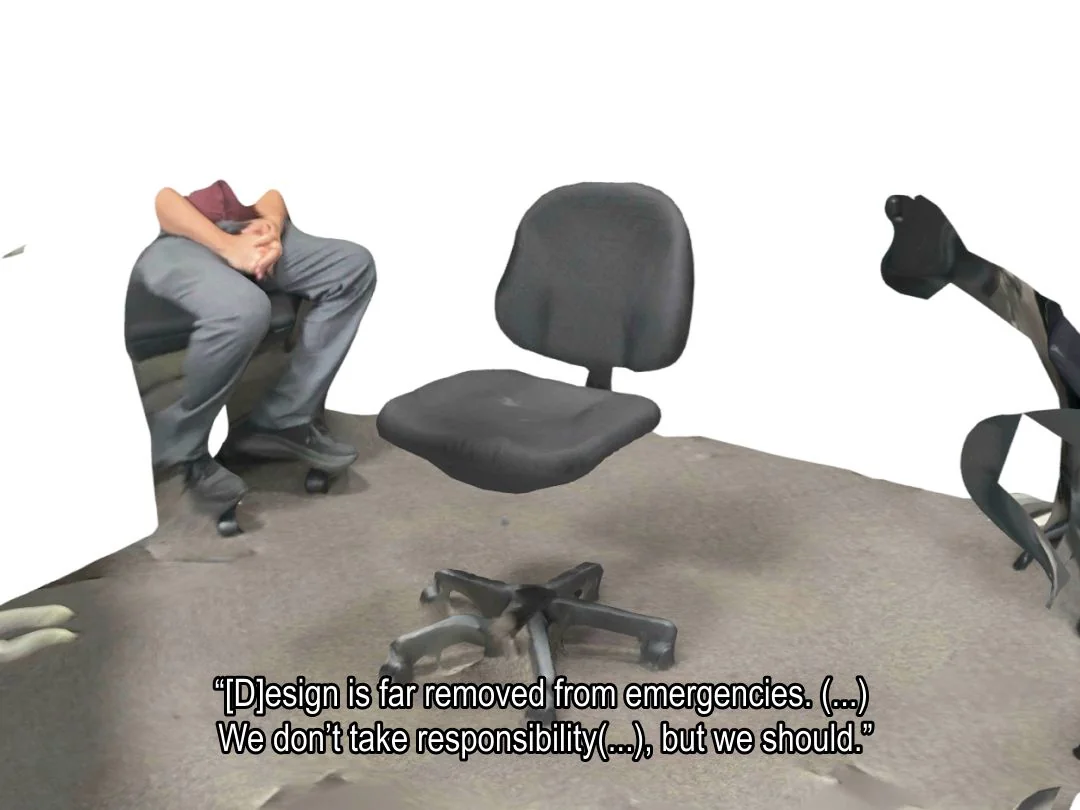
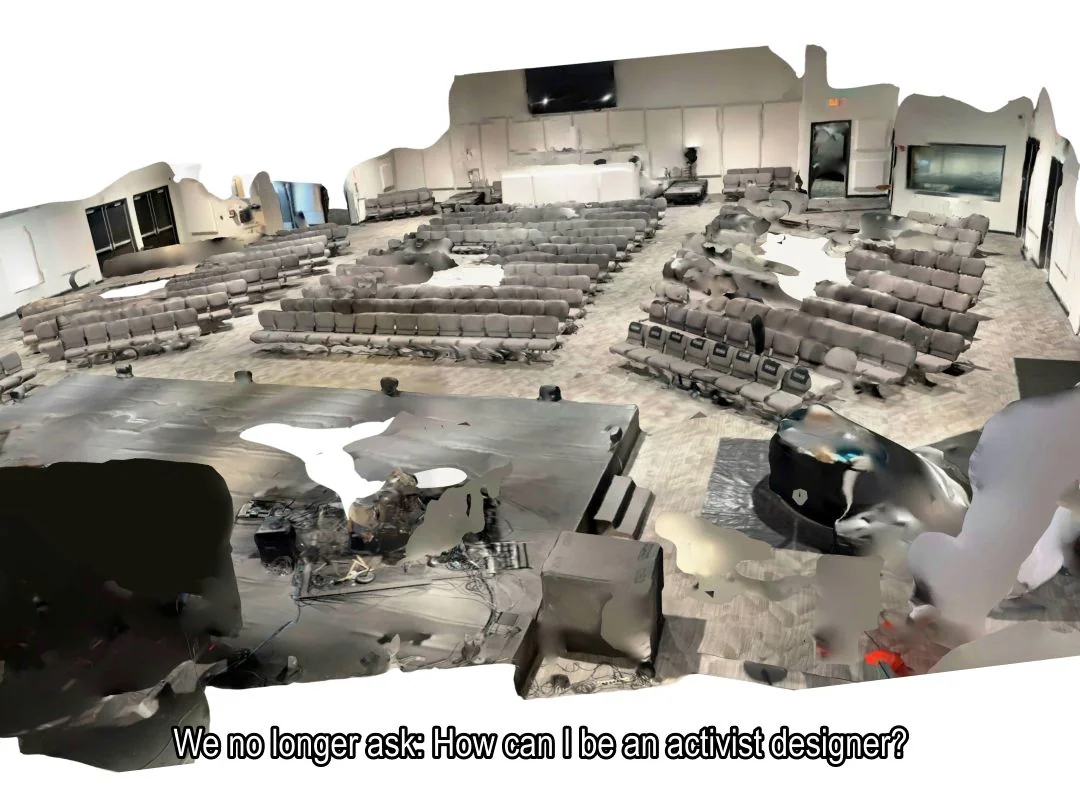
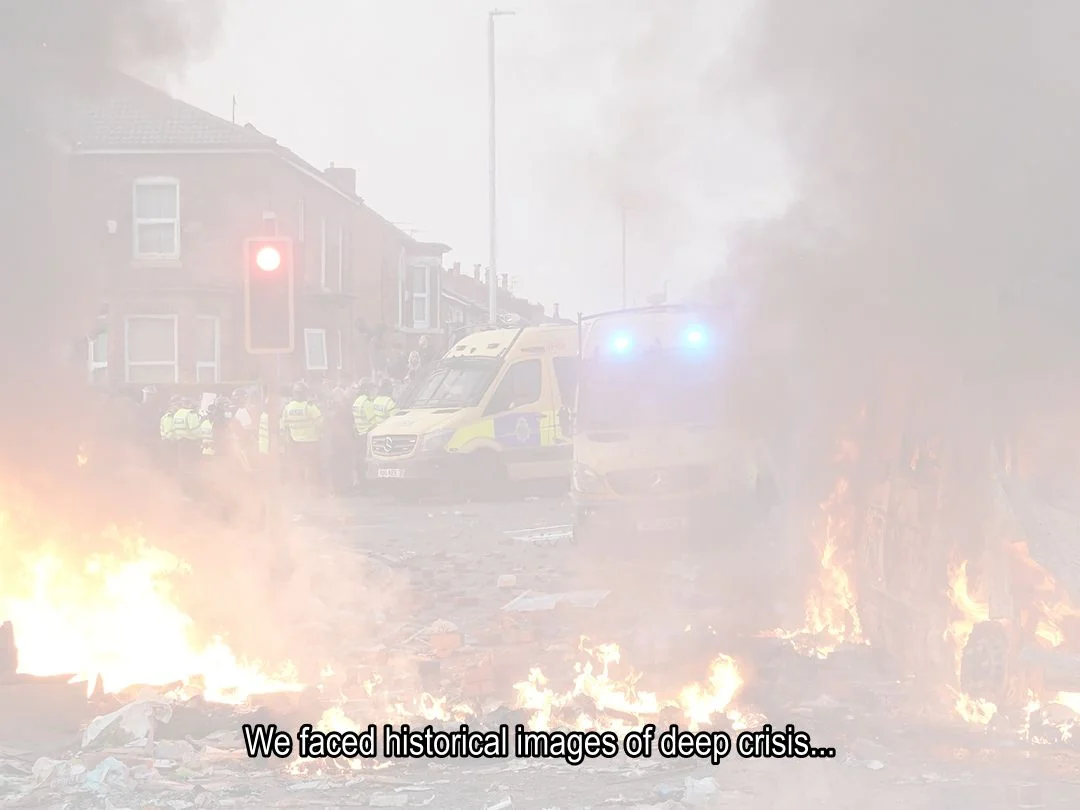
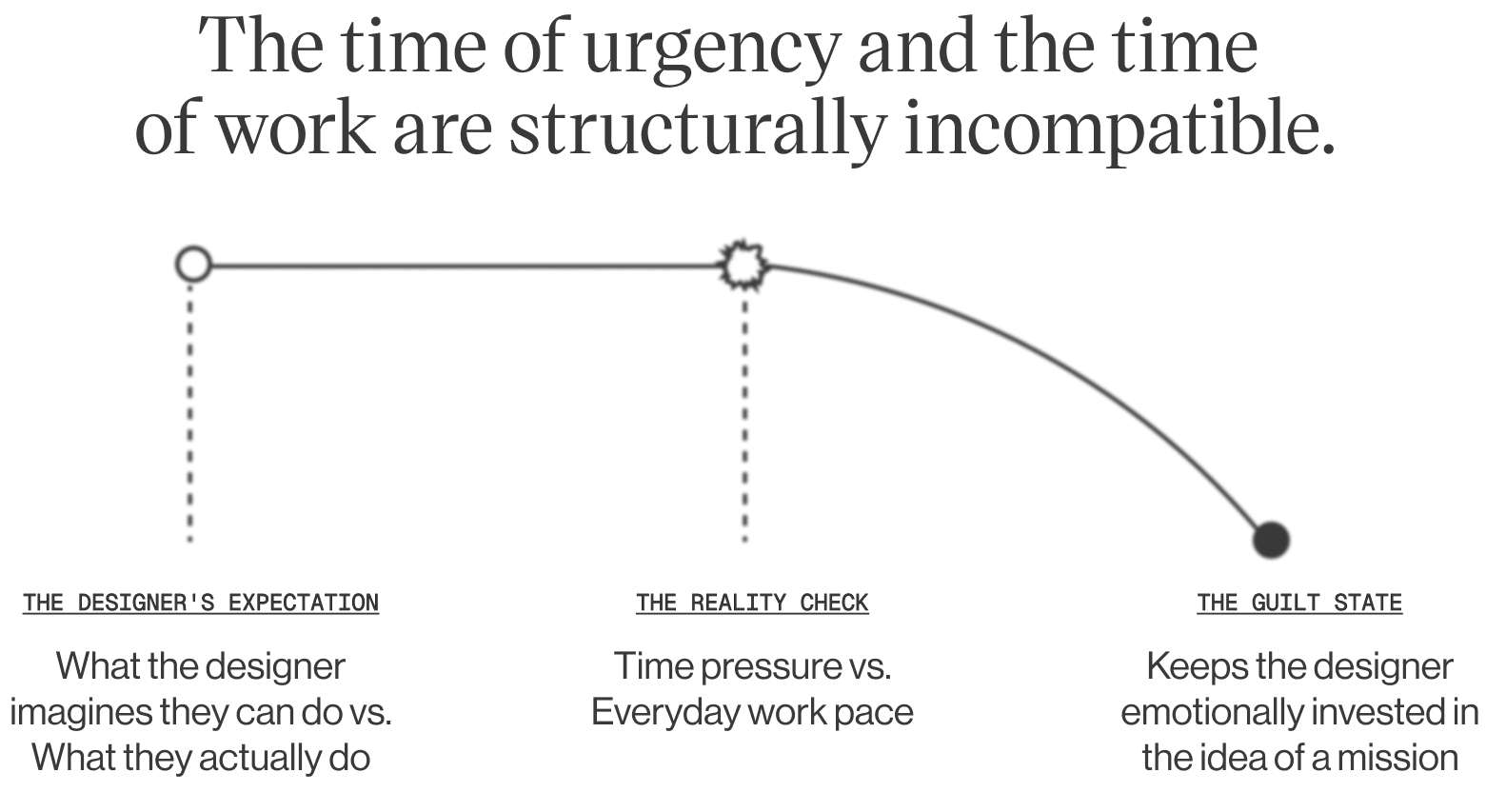
A Designer at the End of Nowhere-Elsewhere arises from the tension between what the designer believes they can do and what reality imposes upon them. We live in an overwhelming present marked by wars, climate collapse, and genocides normalized by the media, where the future has been canceled before we could even envision it. Faced with this permanent state of emergency, a paralysis sets in that we adopt as a response to the status quo.

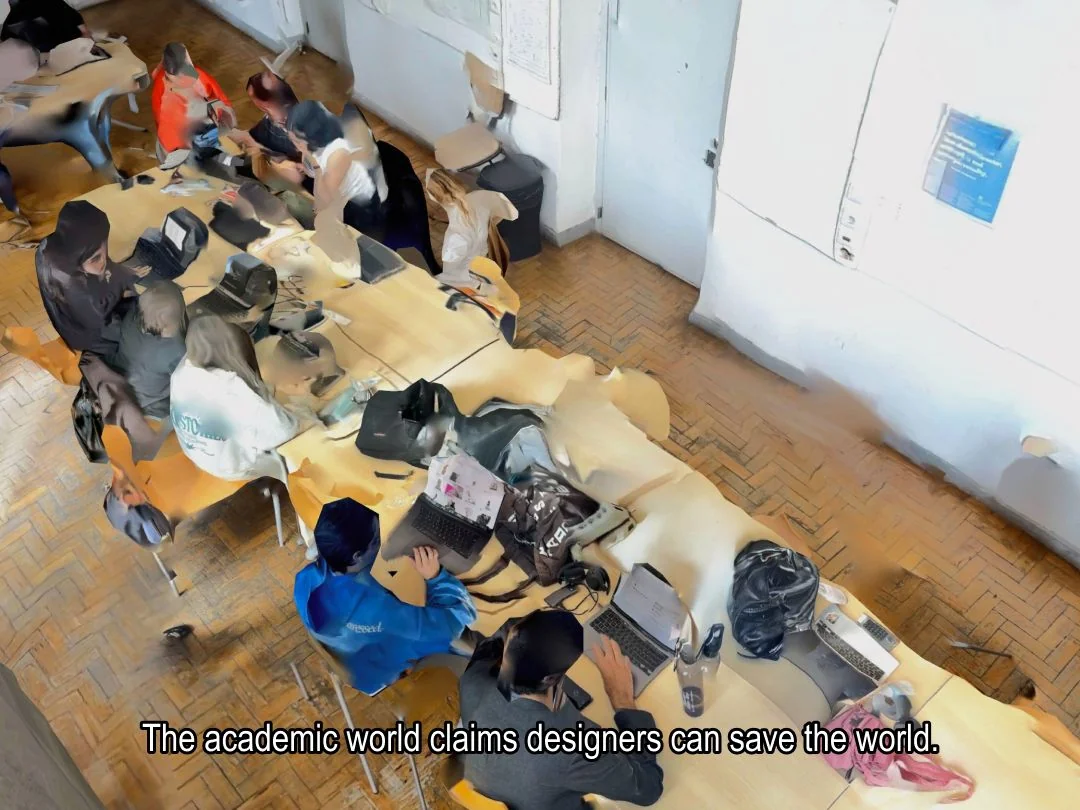
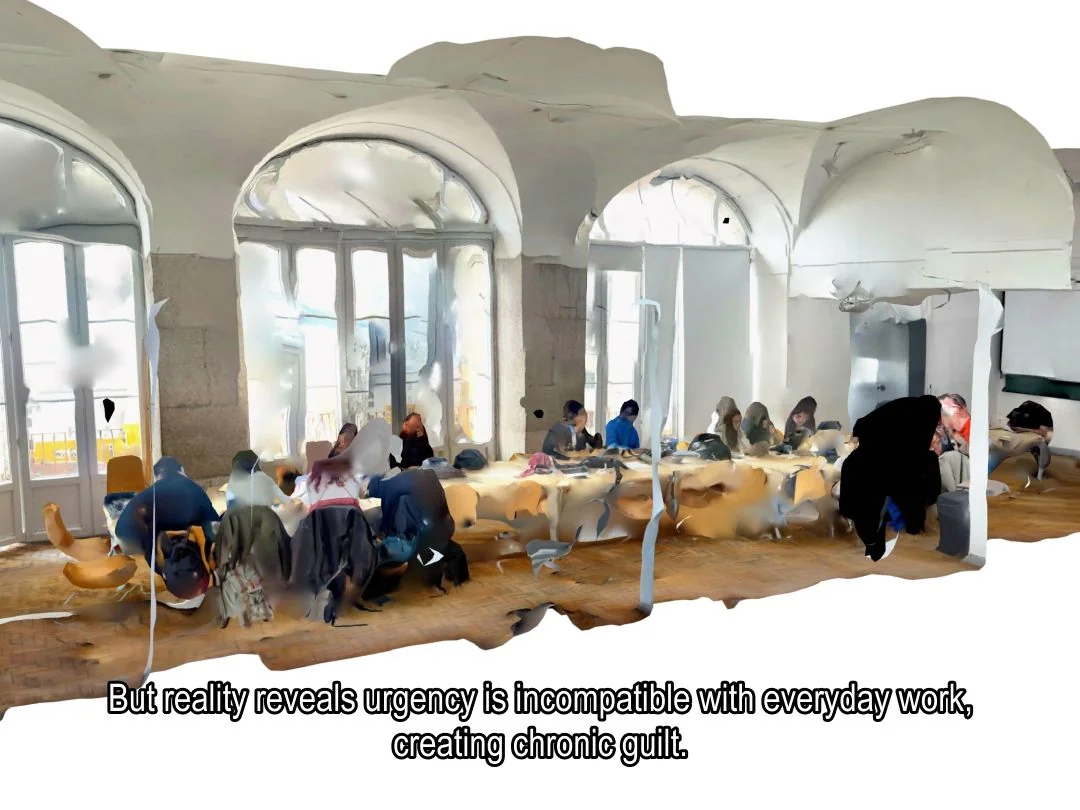
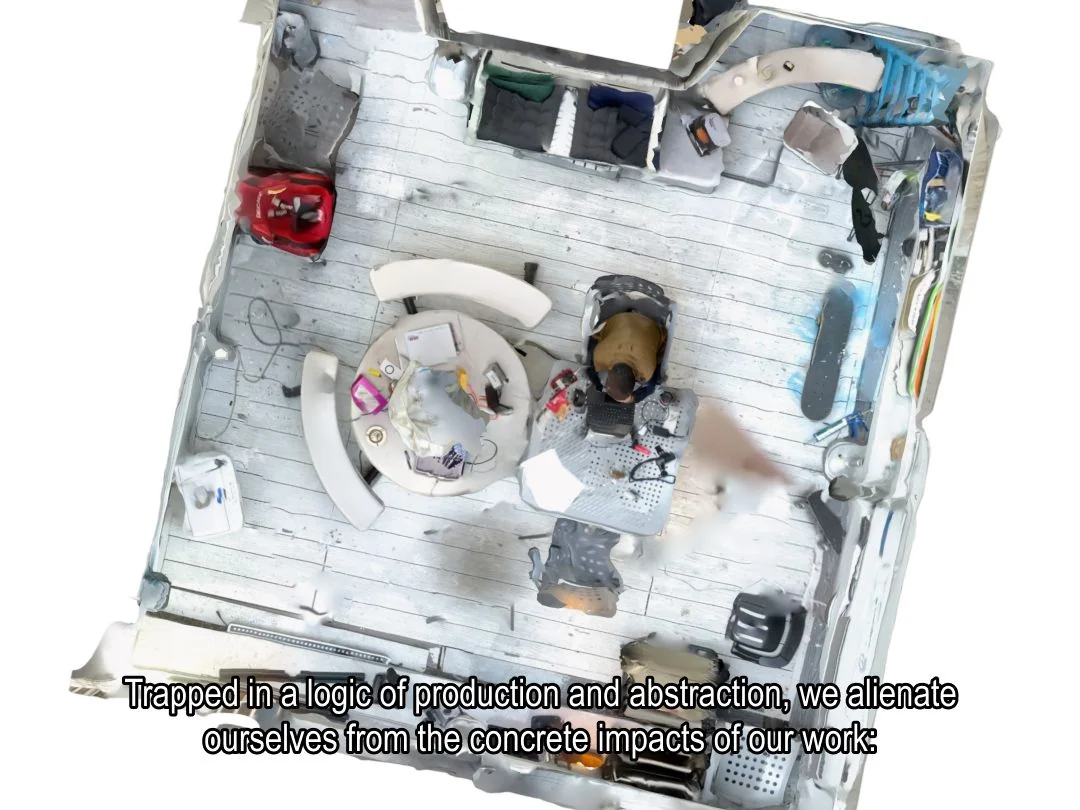
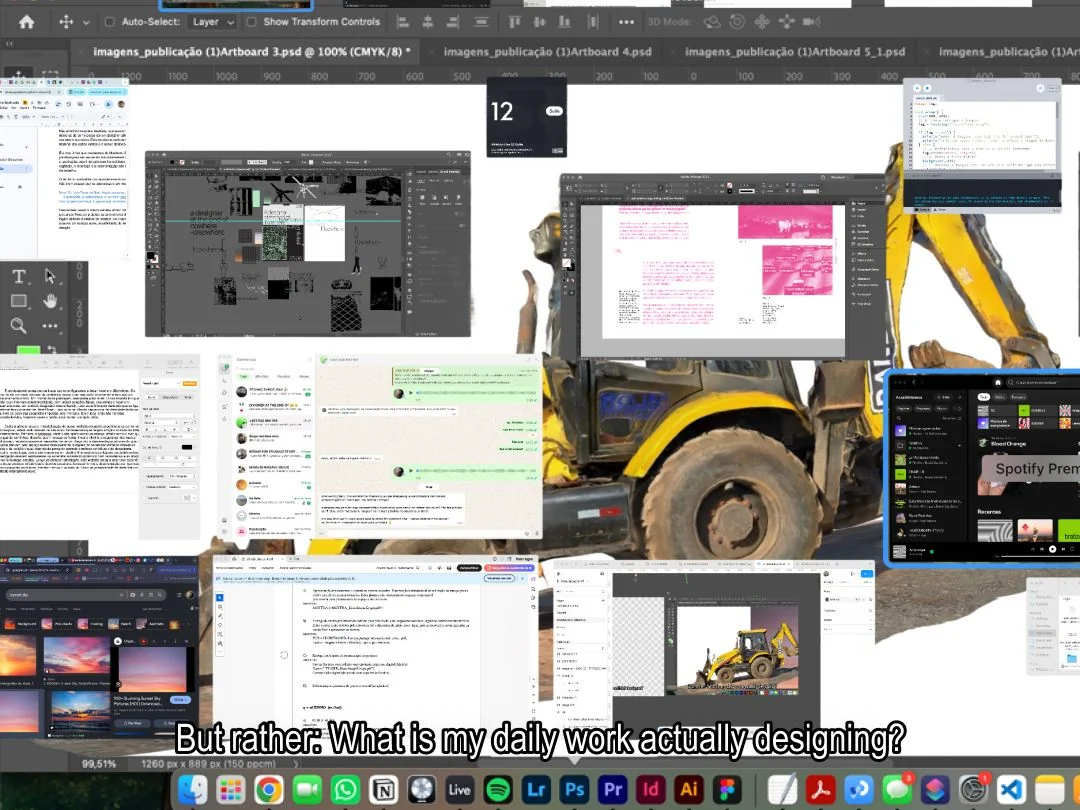
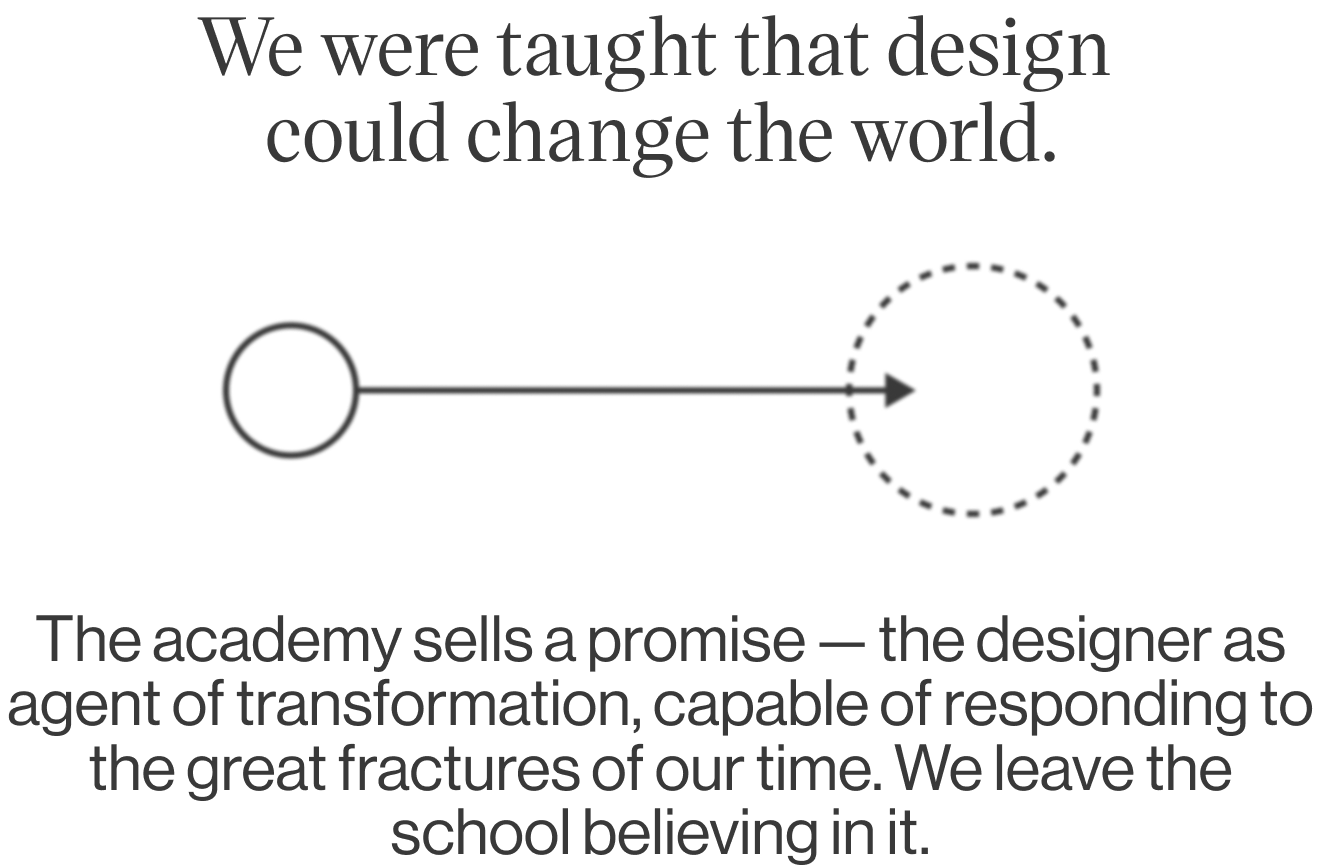
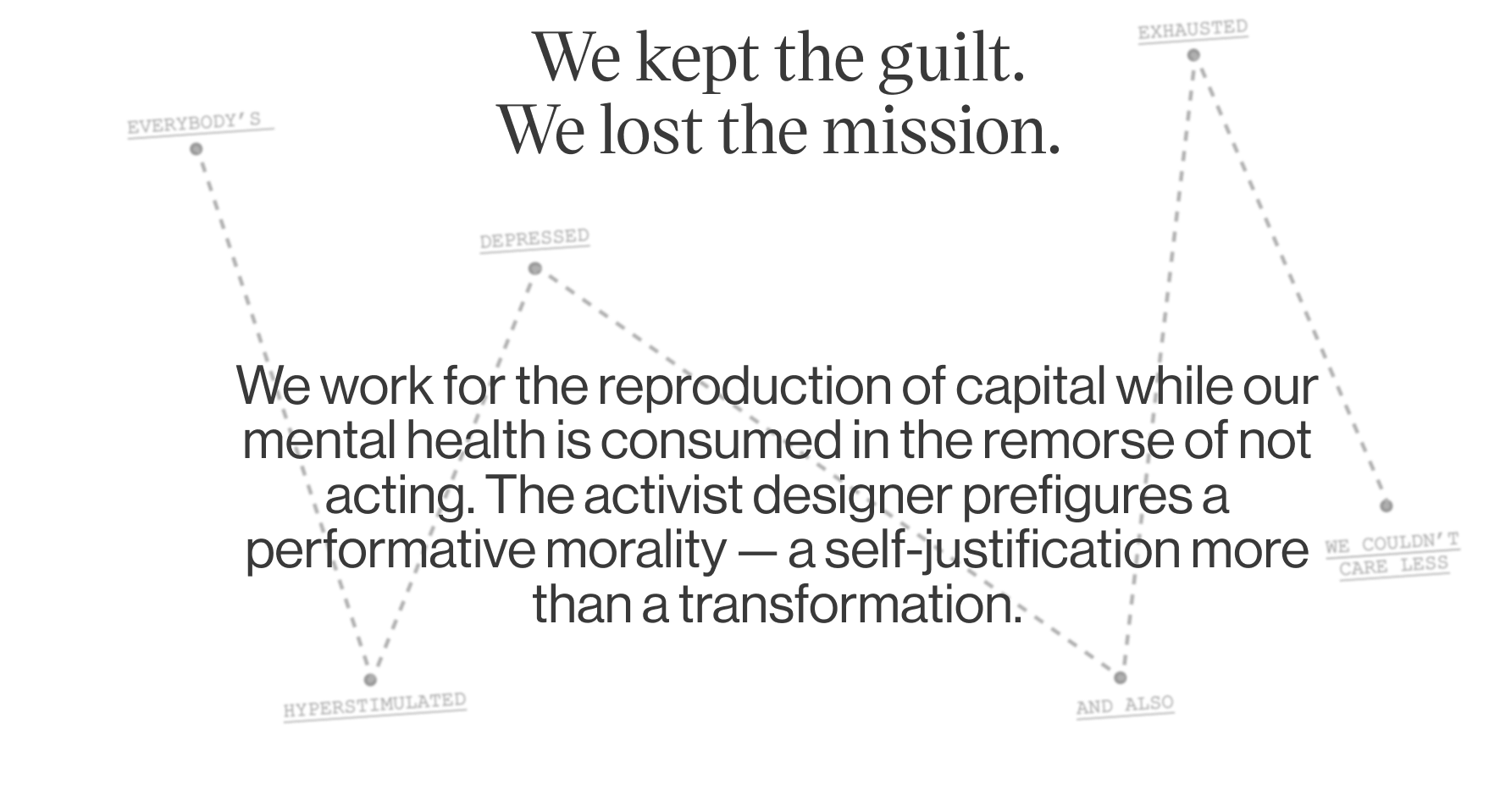
Academia, paradoxically, feeds an optimistic narrative: the designer as an agent capable of solving the world’s crises. Leaving the institution makes the clash inevitable. The time of urgency is structurally incompatible with the time of daily work, regulated by commercial deadlines and financial survival. From this incompatibility arises a chronic guilt: one works for the reproduction of capital while one’s mental health is consumed by the remorse of inaction. Activist design foreshadows a performative morality that serves above all as aesthetic self-justification.

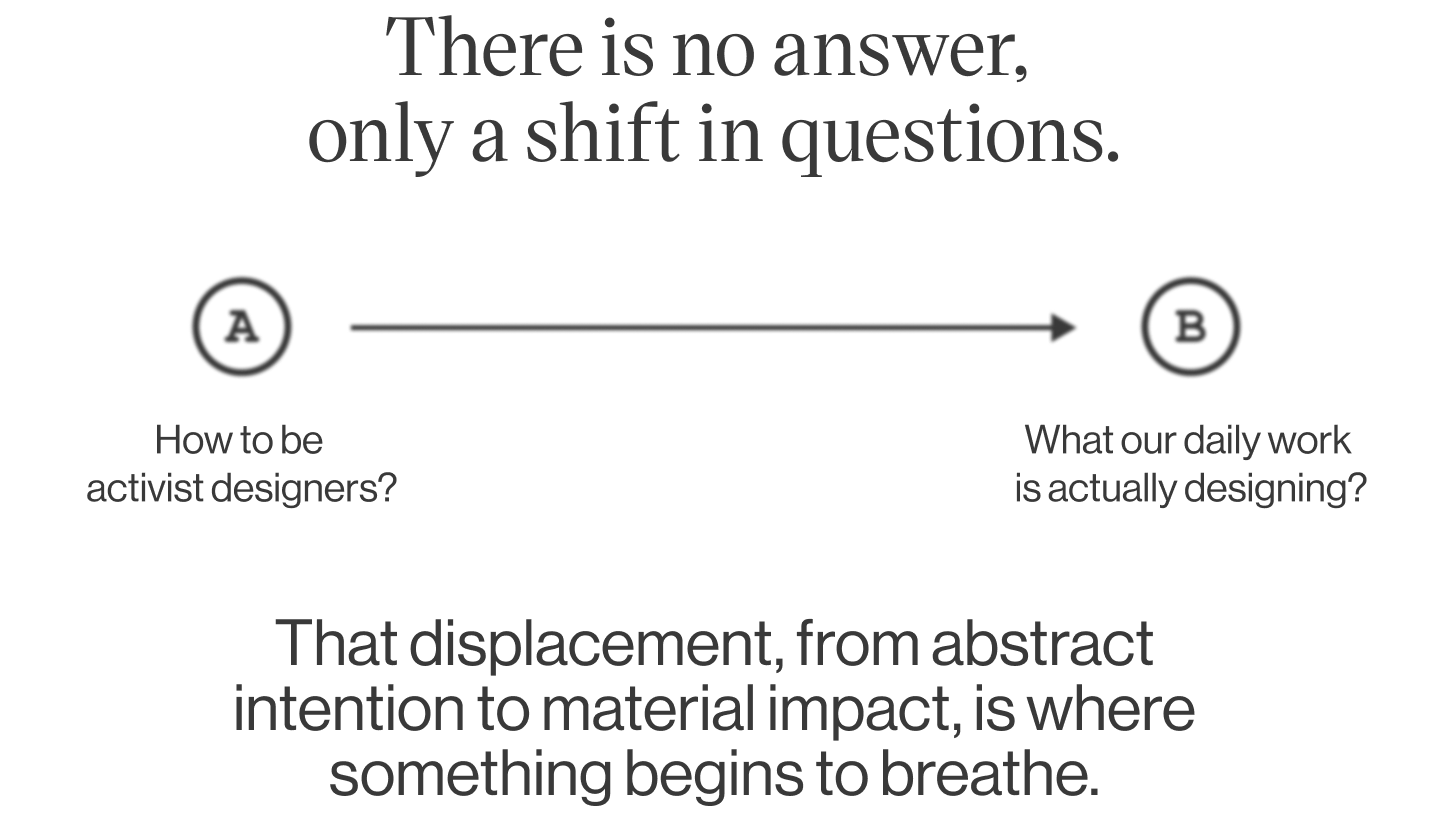
The focus then shifts from abstract intention to the material impact of daily work. It is in this shift that something begins to breathe.

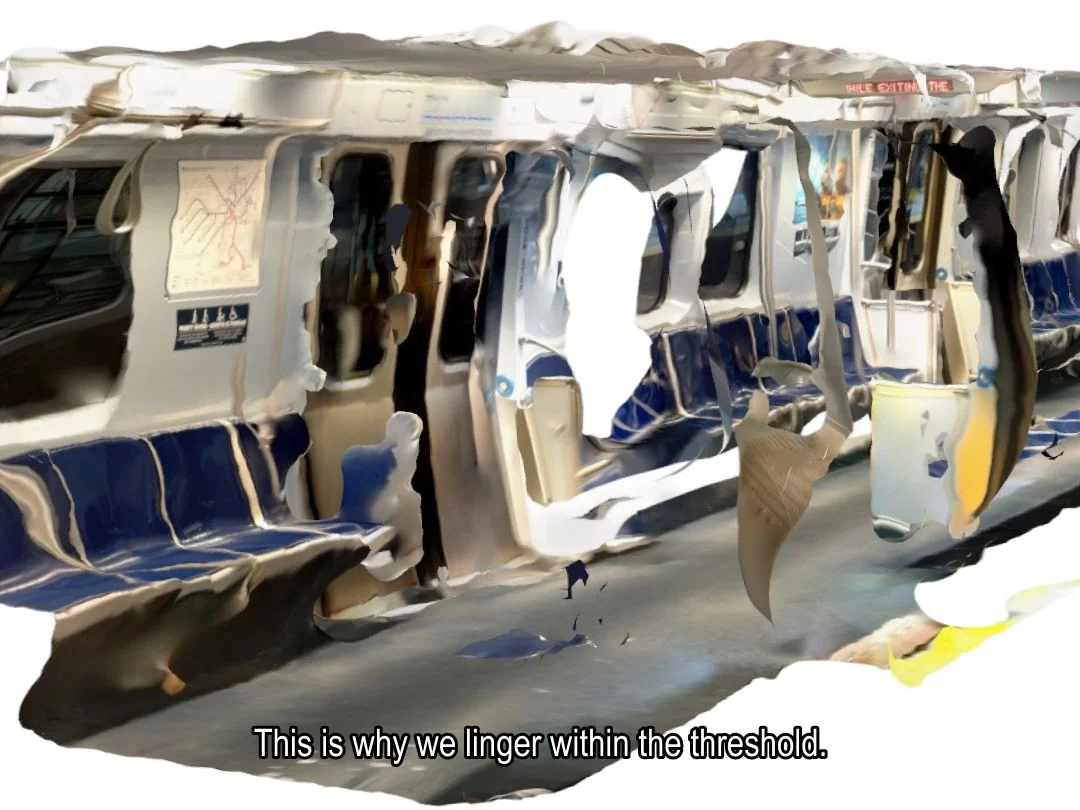
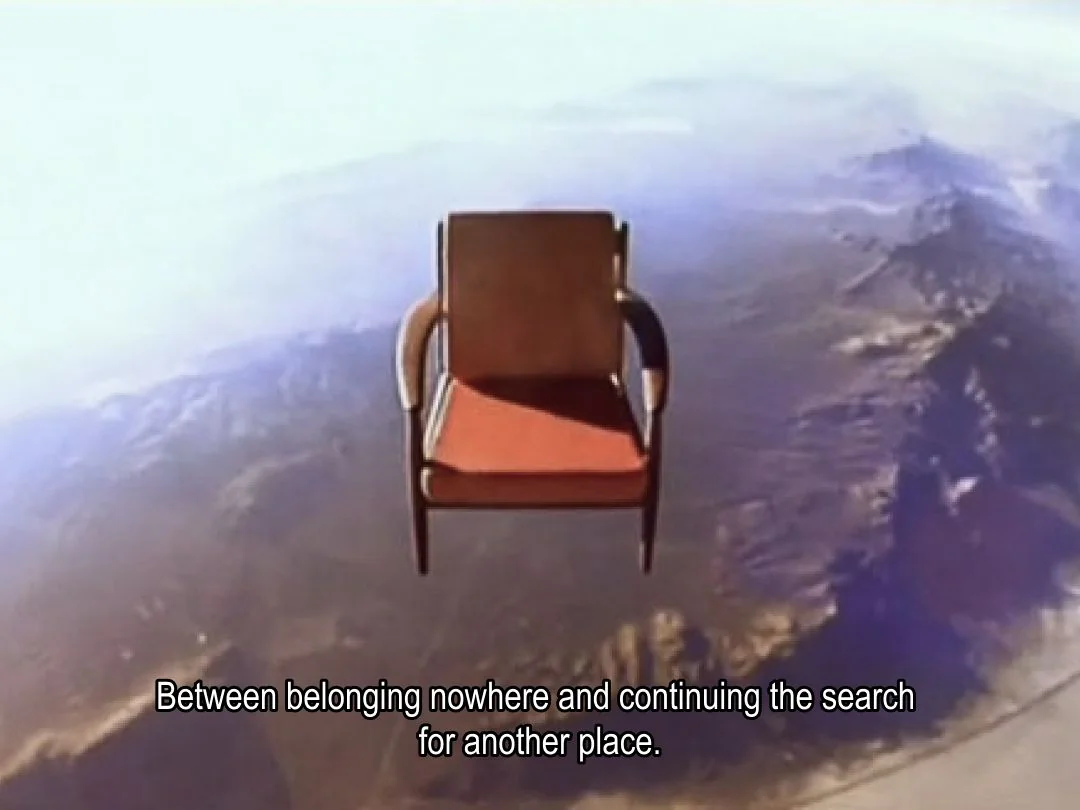
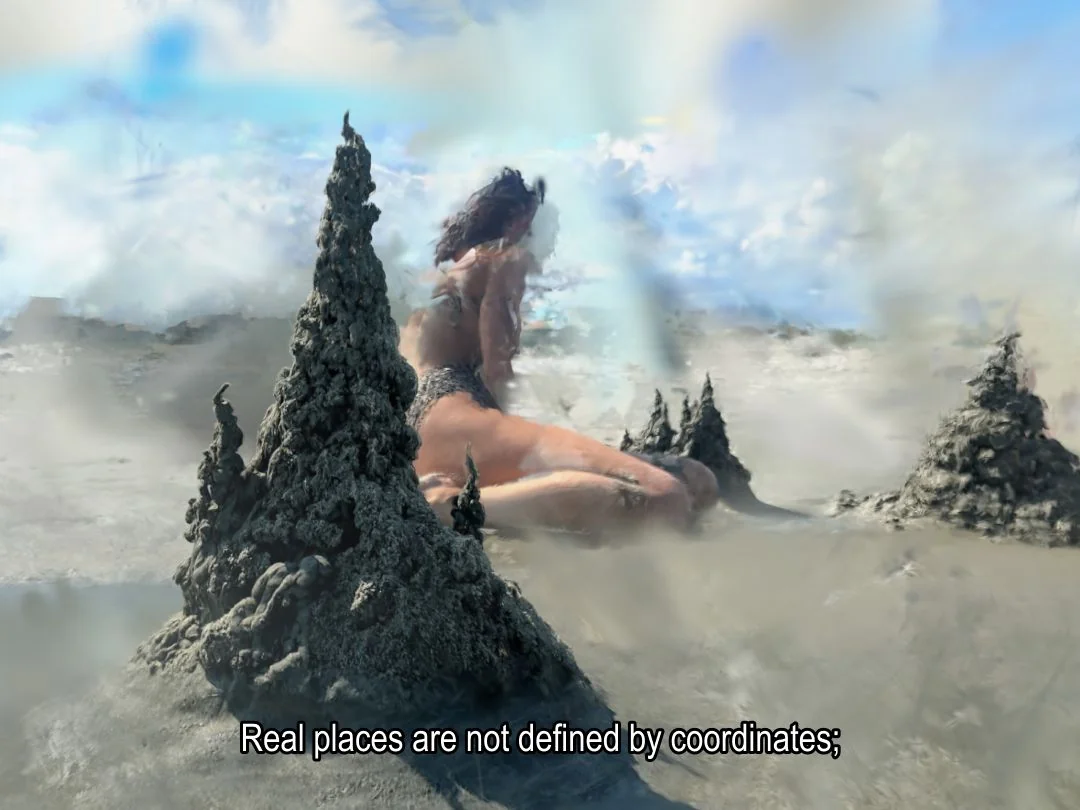
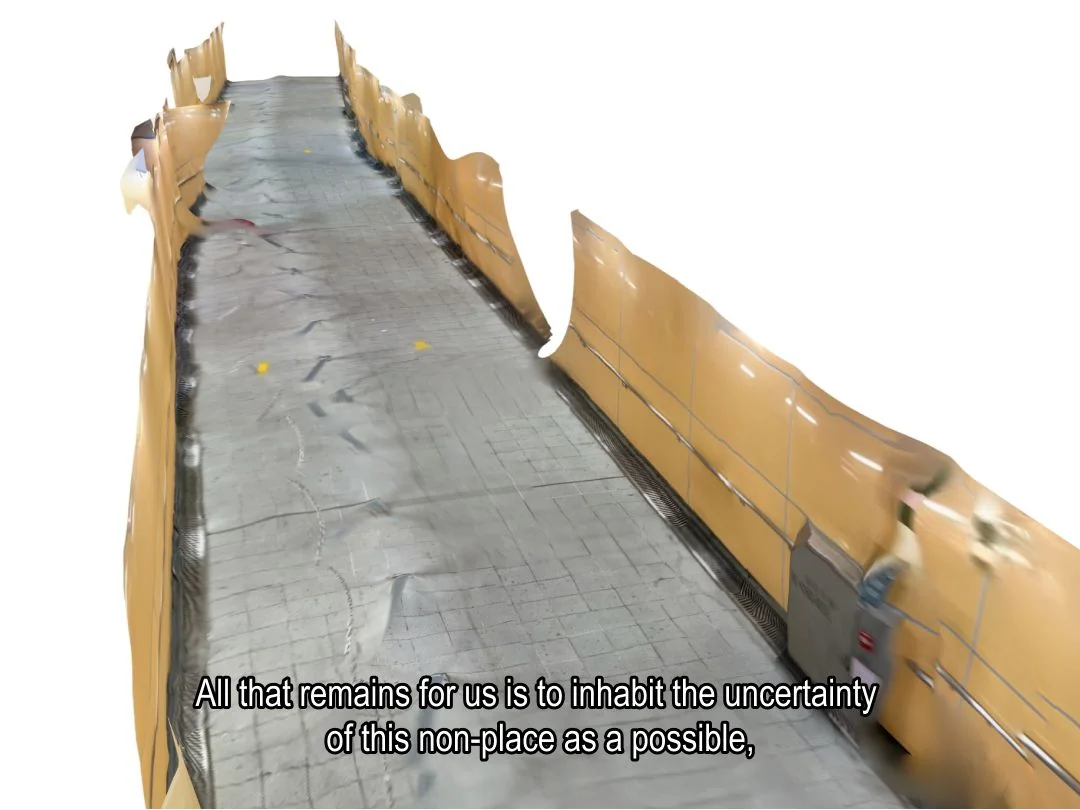
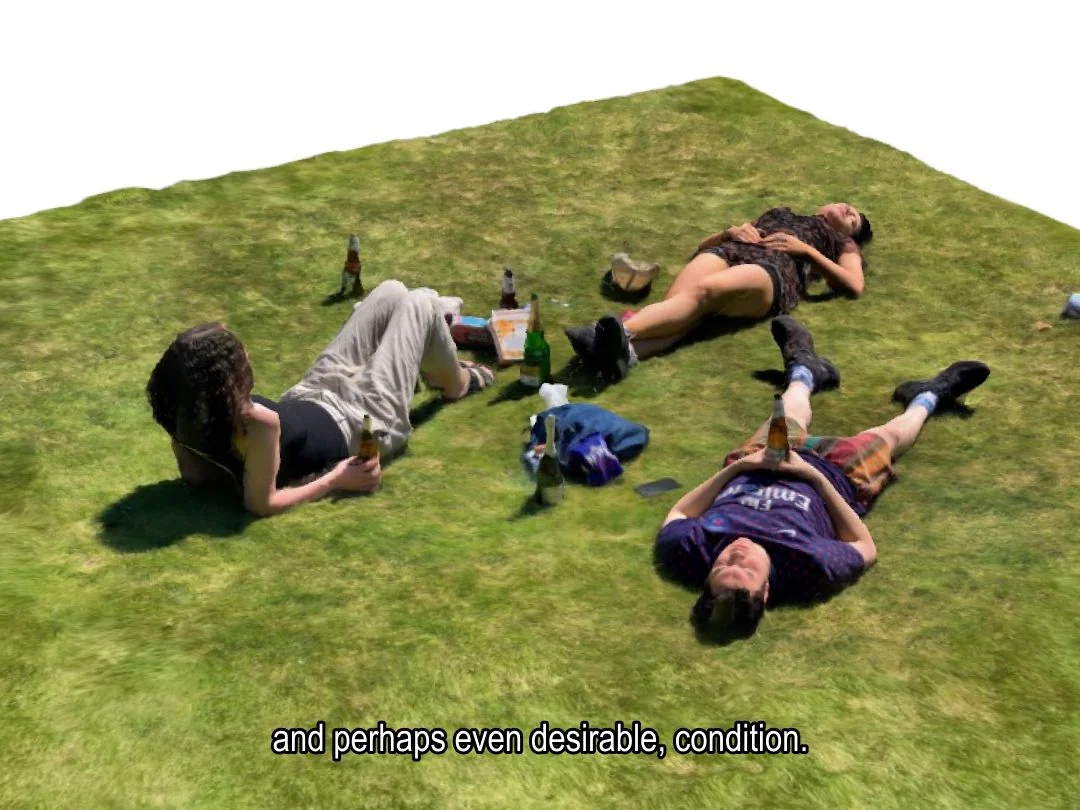
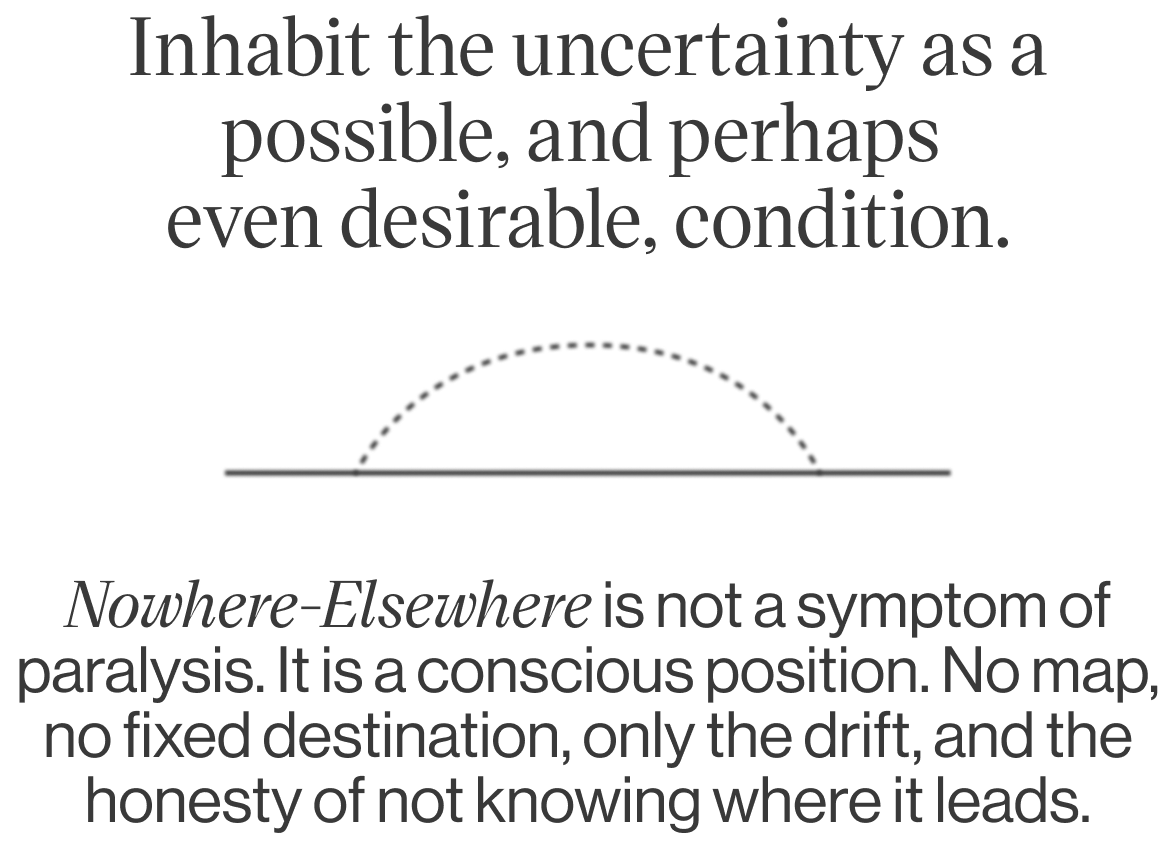
Nowhere–Elsewhere inhabits this interval as a conscious stance: a threshold without predefined coordinates or a clear destination. It proposes no solutions nor feigns clarity. What remains is to inhabit the uncertainty of this non-place as a possible—and perhaps even desirable—condition.

PROJECT BY David Sardinha
Diogo Mira
Francisca Fernandes
Lúcia Costa

close
A DESIGNER AT THE END OF...
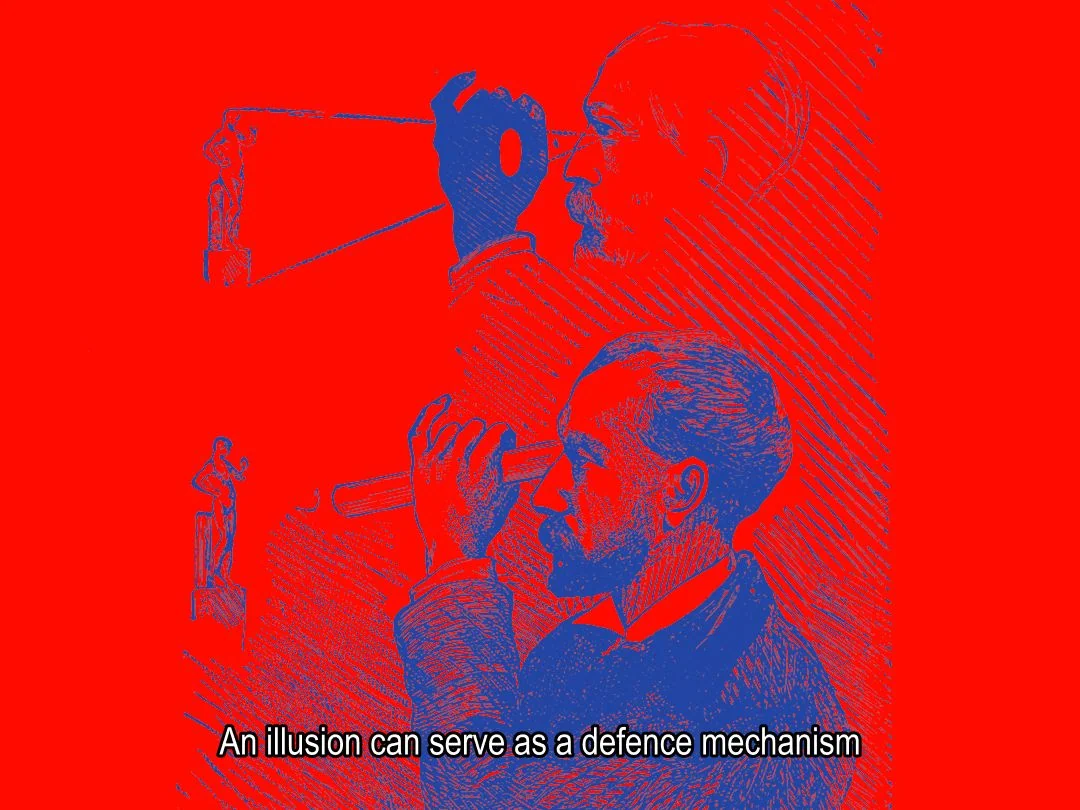
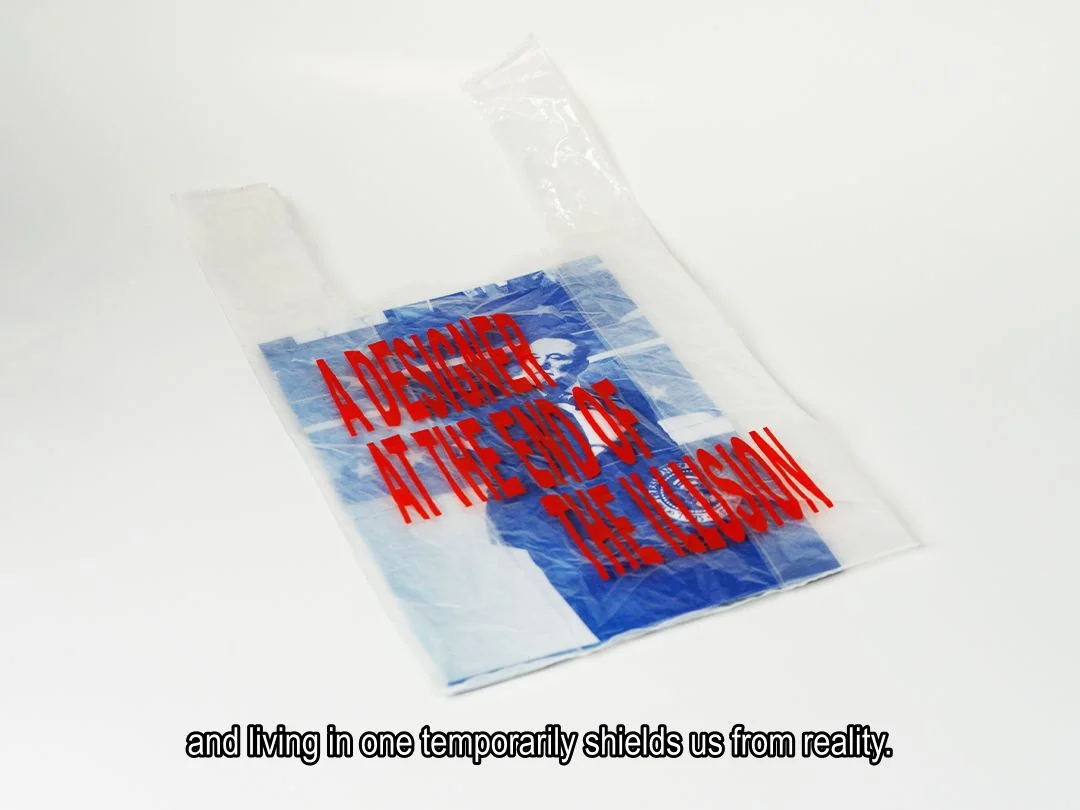
The Illusion (PUBLICATION & TEASER)

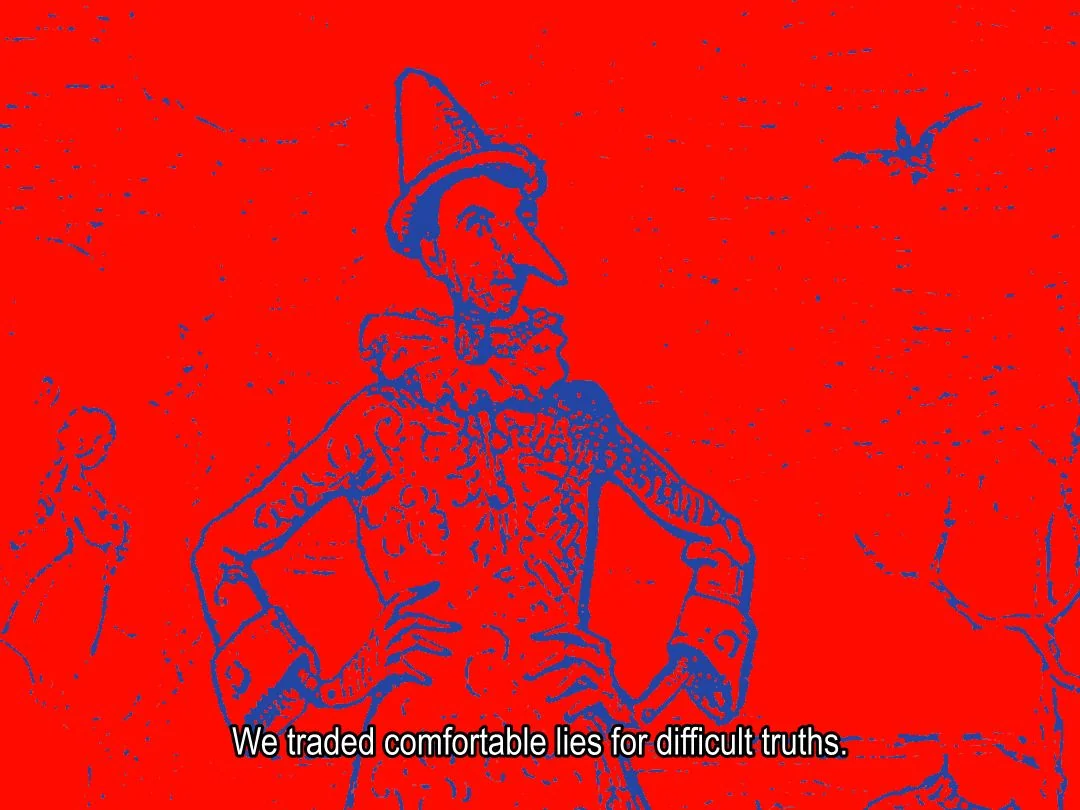
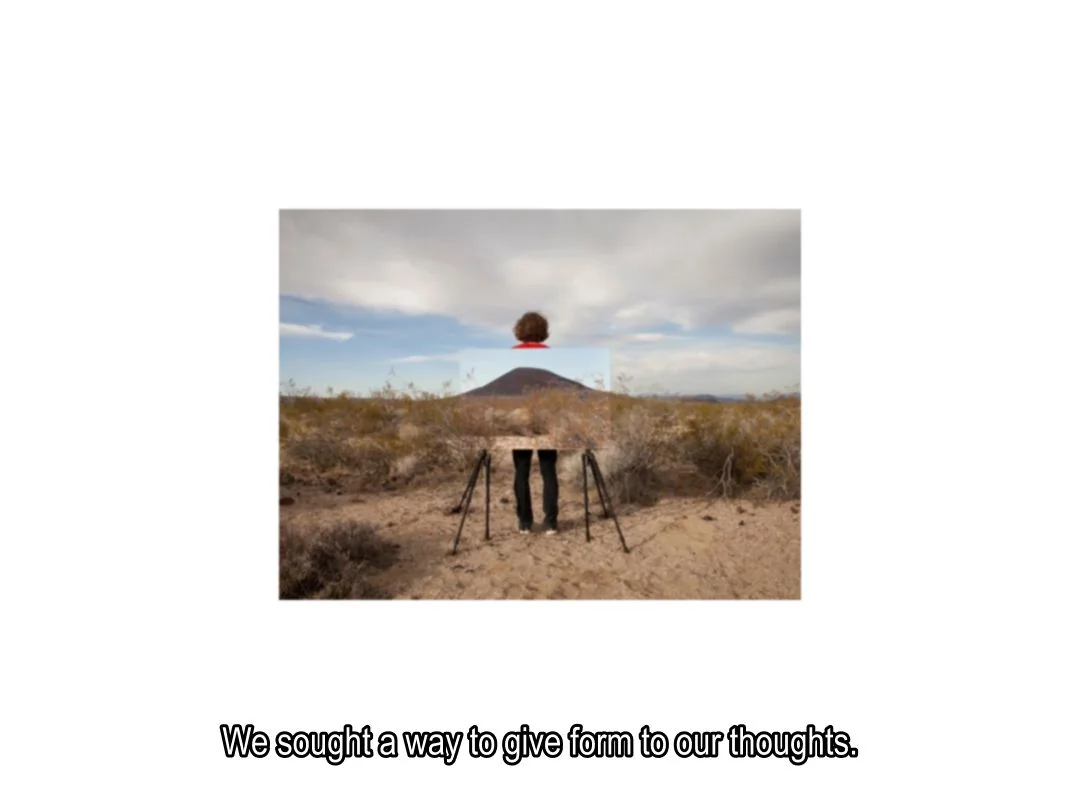
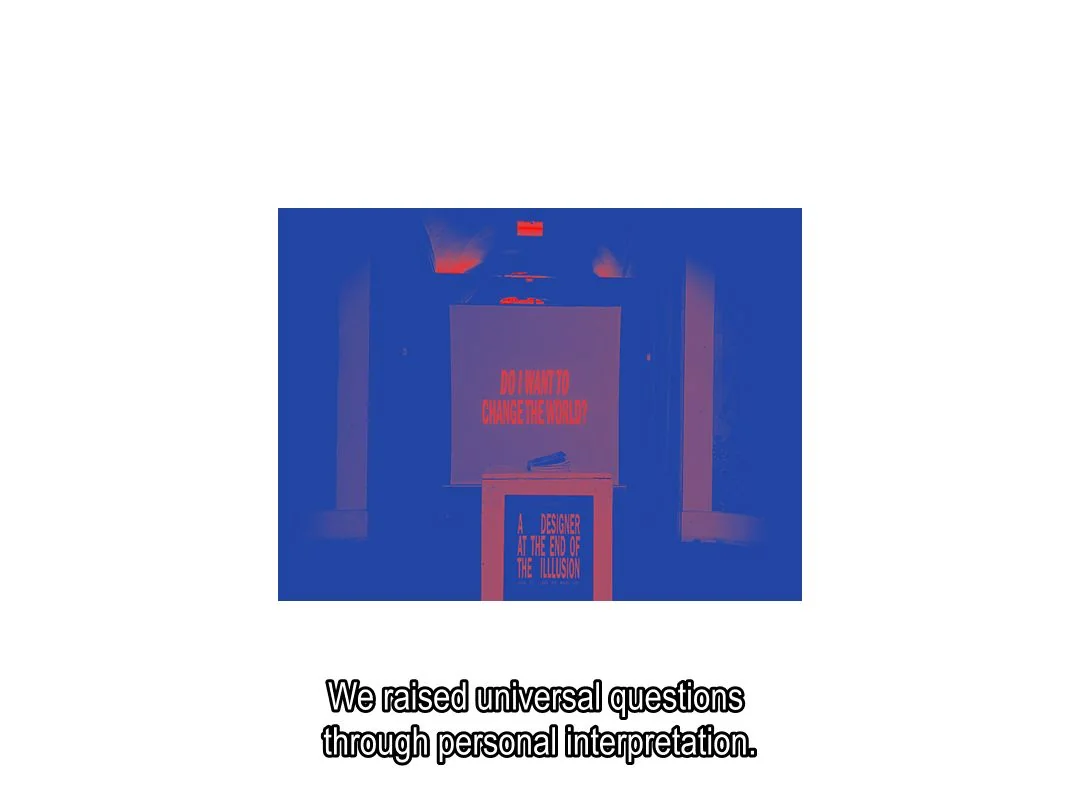
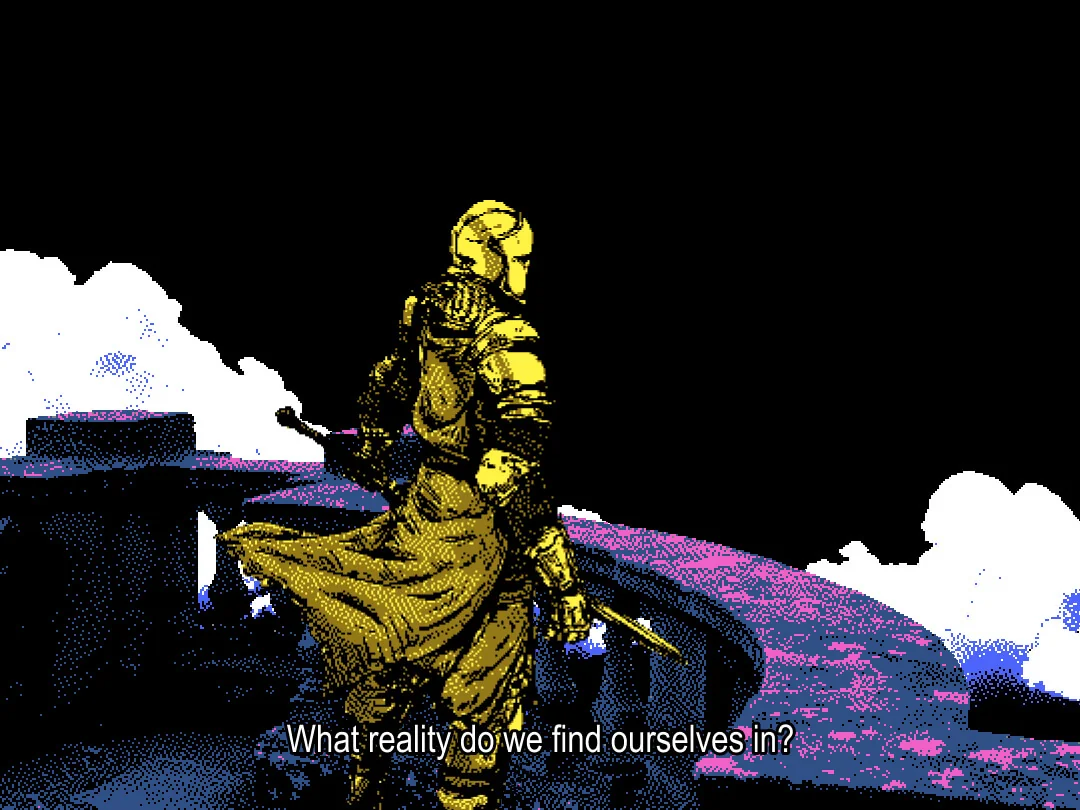
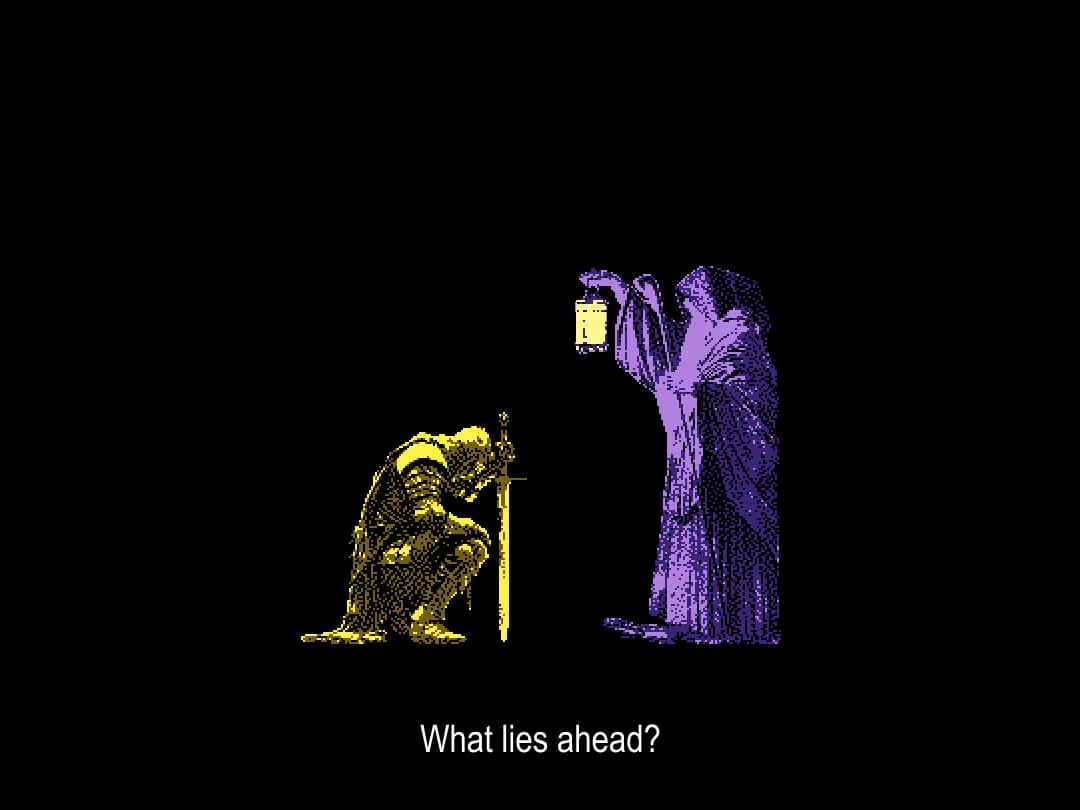
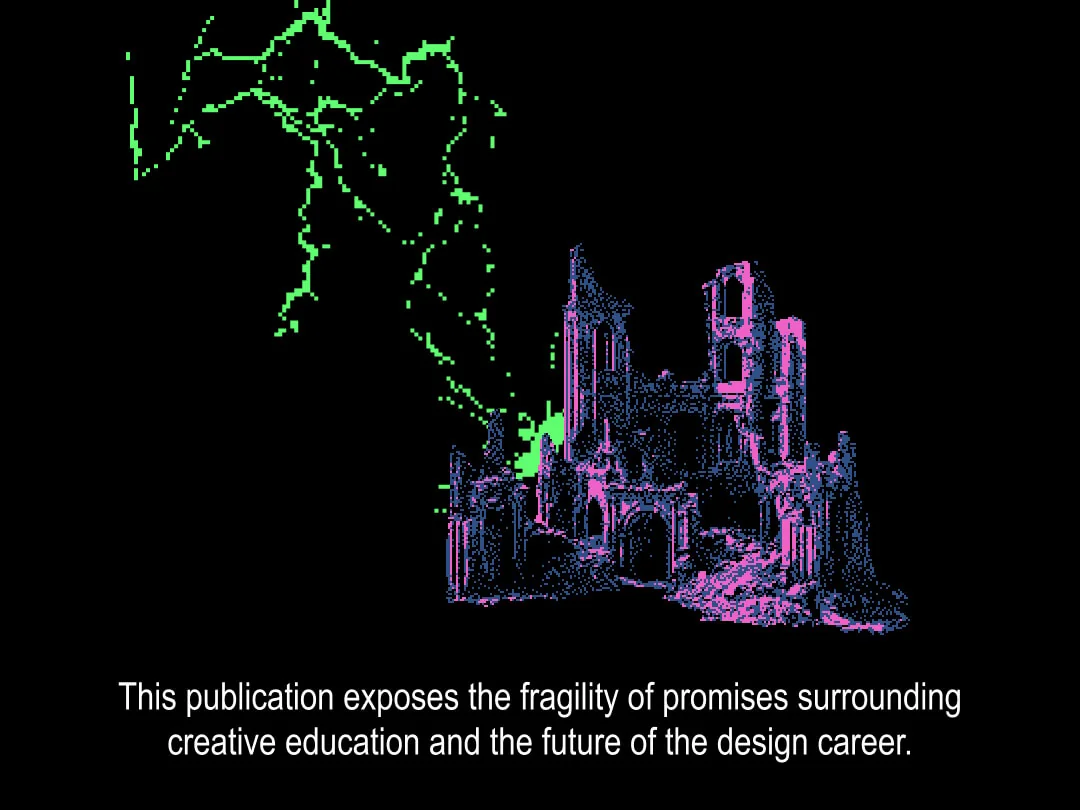
If a designer (and the person behind it) is shaped by their environment and experiences, then how is the collapse of the world actively transforming the practice of design and ourselves? Born from the search for what truly defines a designer, the project A Designer at the End of The Illusion: Where the Illusion and Reality meet explores the aftermath of a designer when certainties about the world and design collapse, leaving the designer to deal with this new reality.

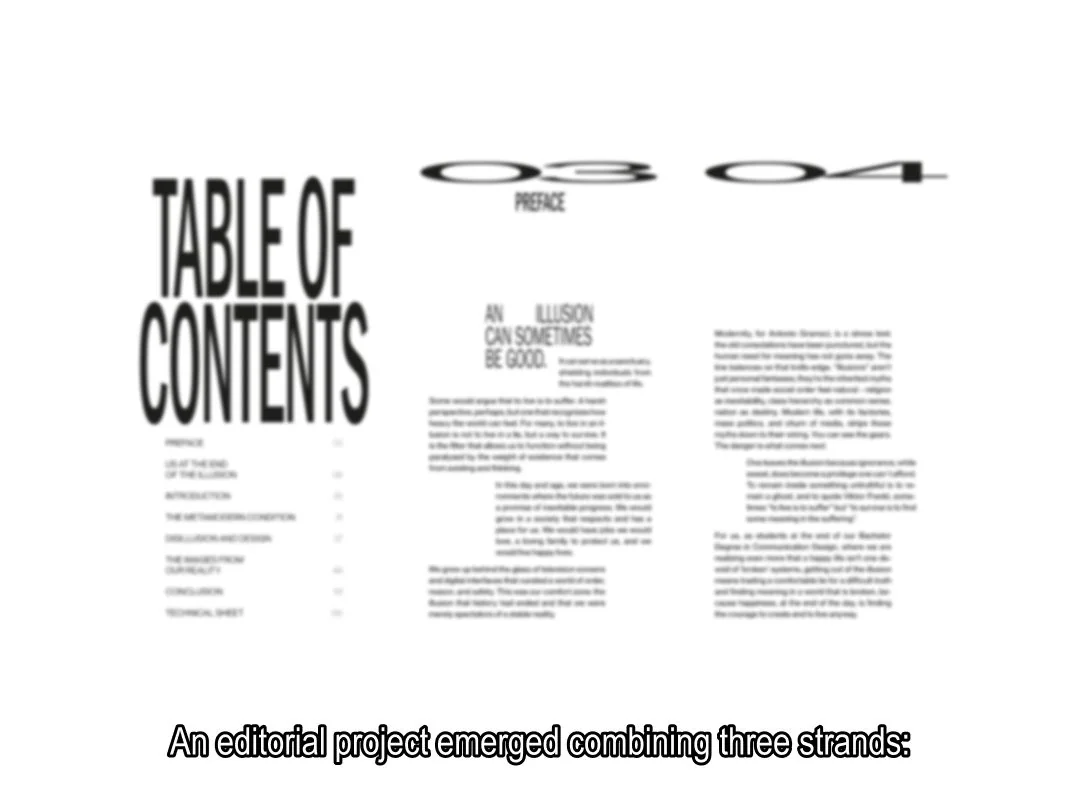
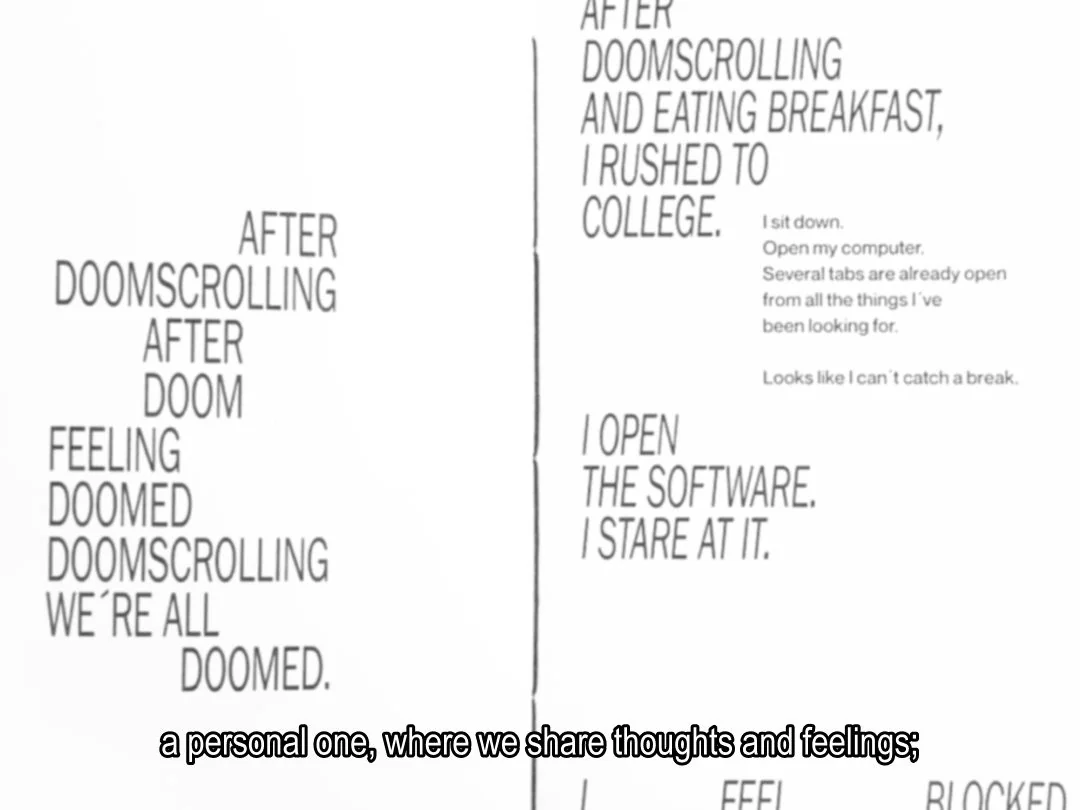
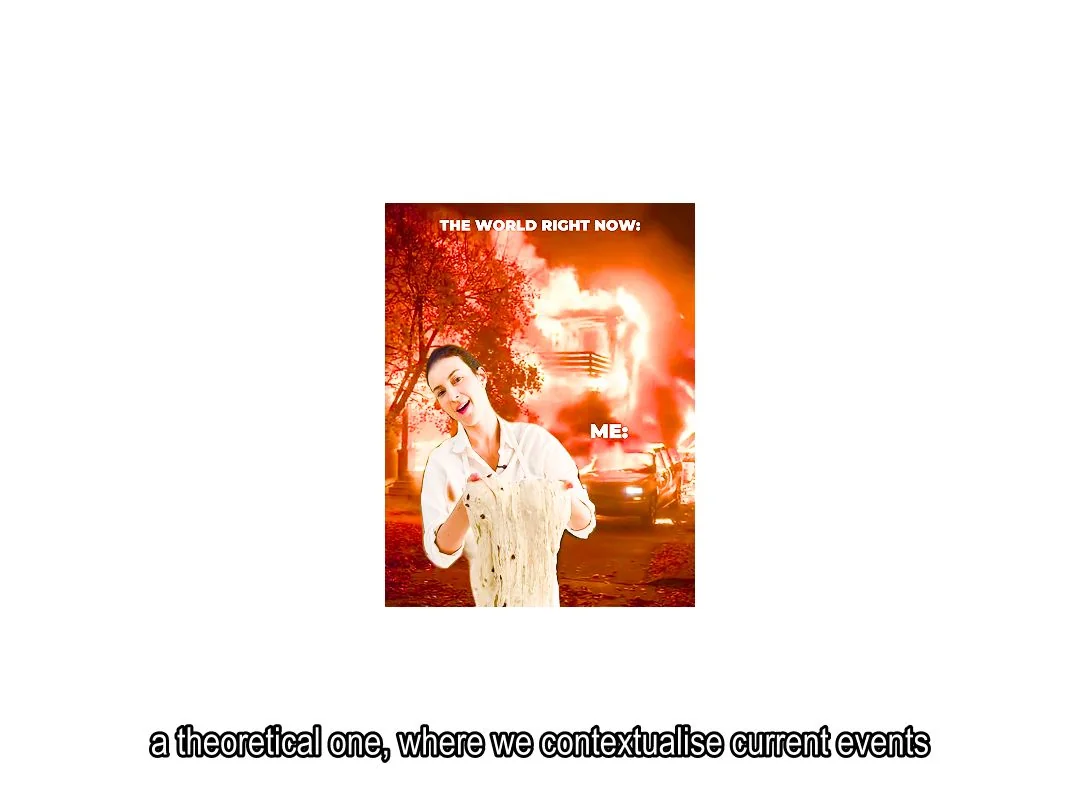
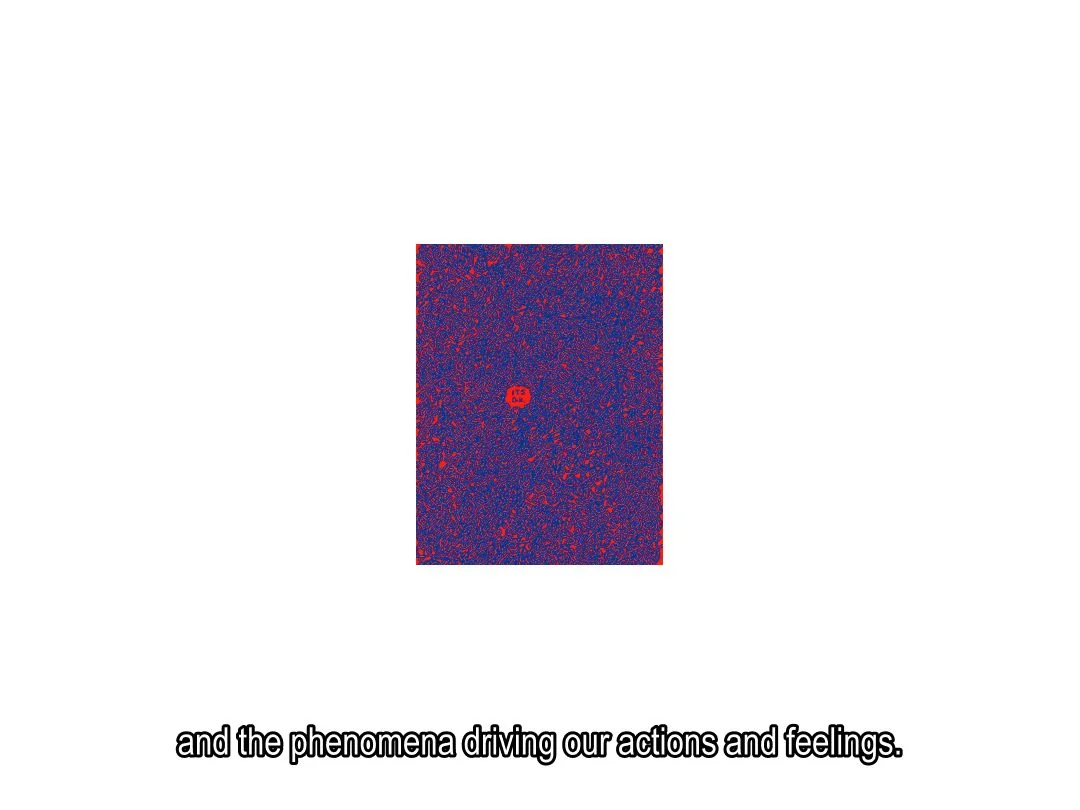
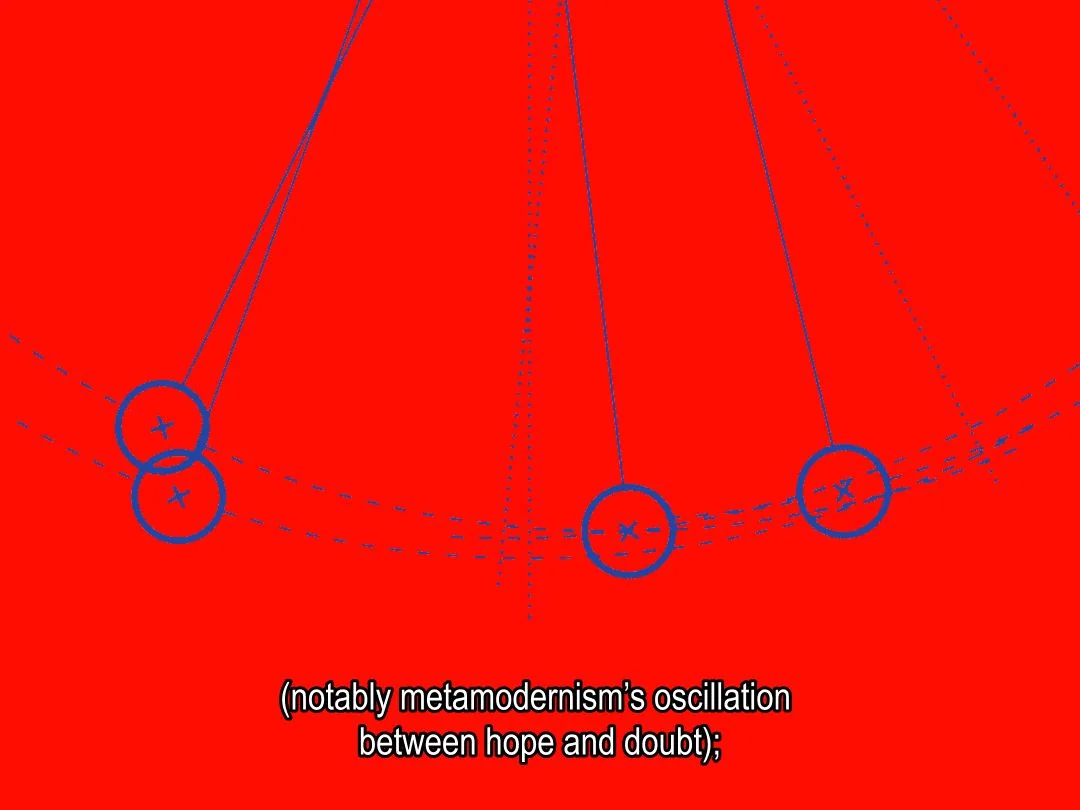
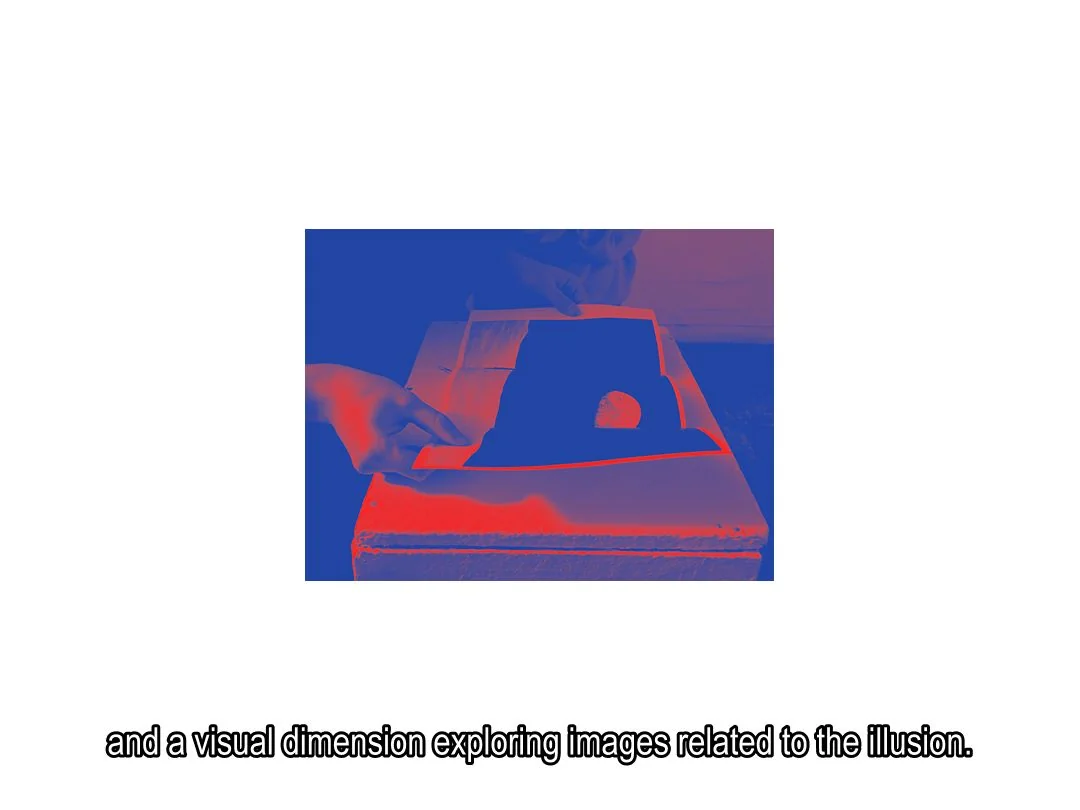
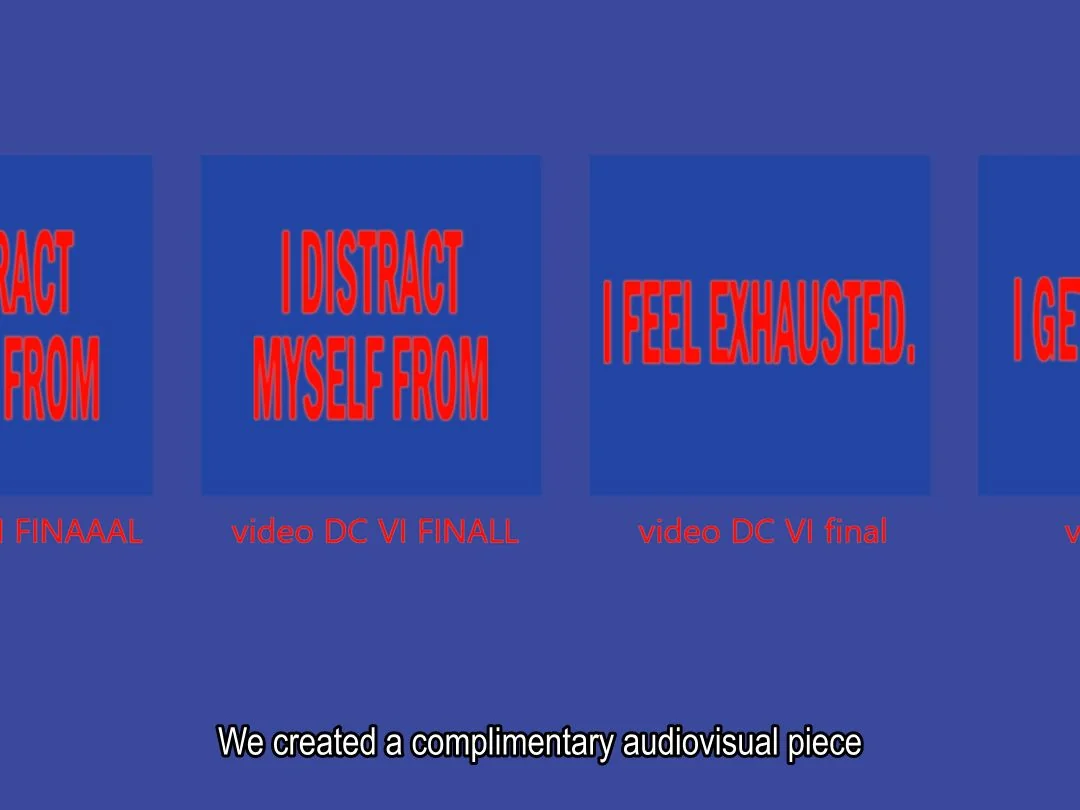
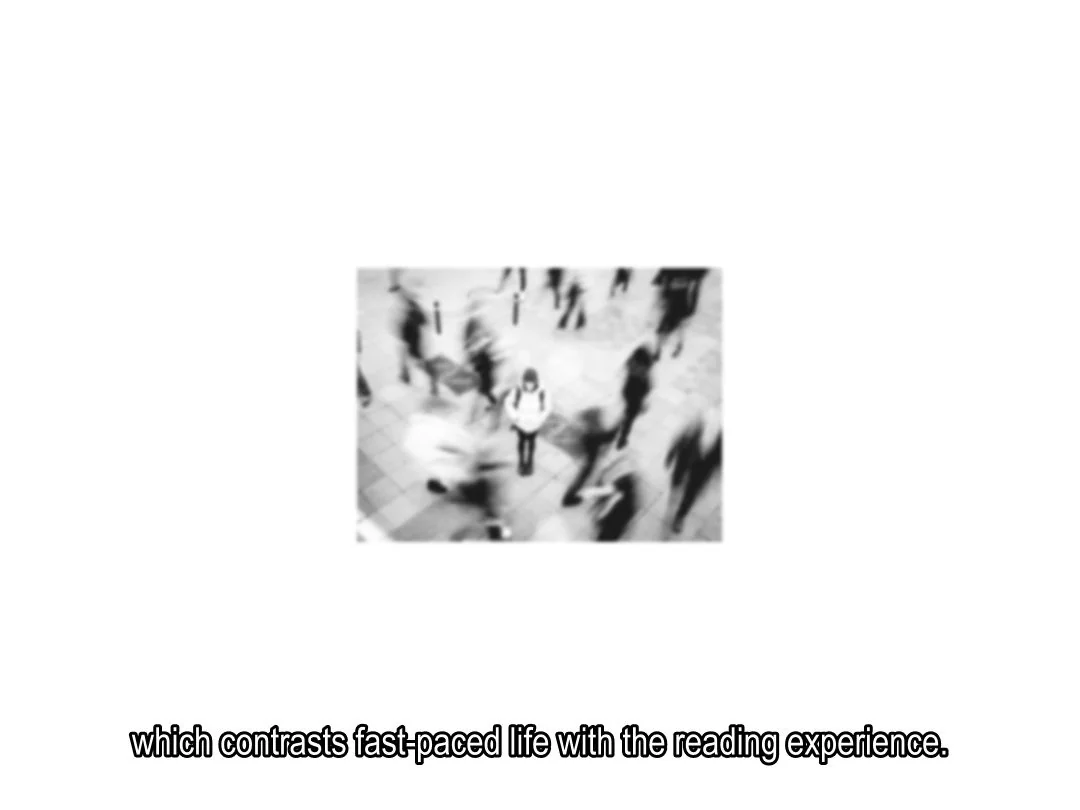
This project, which took the form of a publication, is a record of that impasse: an investigation into how we design, live, and find meaning as lucid witnesses to a world in crisis. The editorial project combines three strands: a personal one, where we share our thoughts and vent our feelings; a theoretical one, where we contextualise current events and the phenomena that lead us to act and feel in this way (notably metamodernism, which oscillates between hope and doubt); and, finally, a visual dimension, where we explore images related to the idea of illusion. We also created an audiovisual piece to complement the publication, which explores the fast pace of contemporary life which contrasts with the publication's reading.

PROJECT BY Vasco Carrilho
Marcos Rodrigues
Margarida Calafate
Inês Simón

close
A DESIGNER AT THE END OF...
Glamour (SHOWCASE)

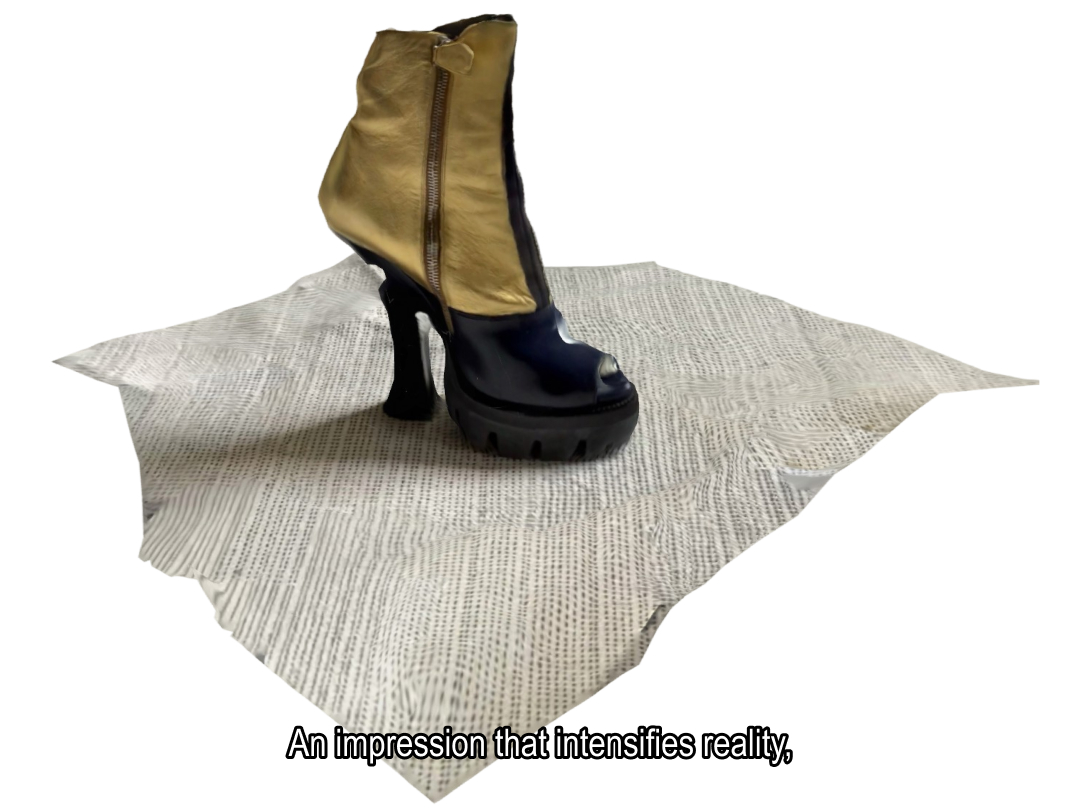
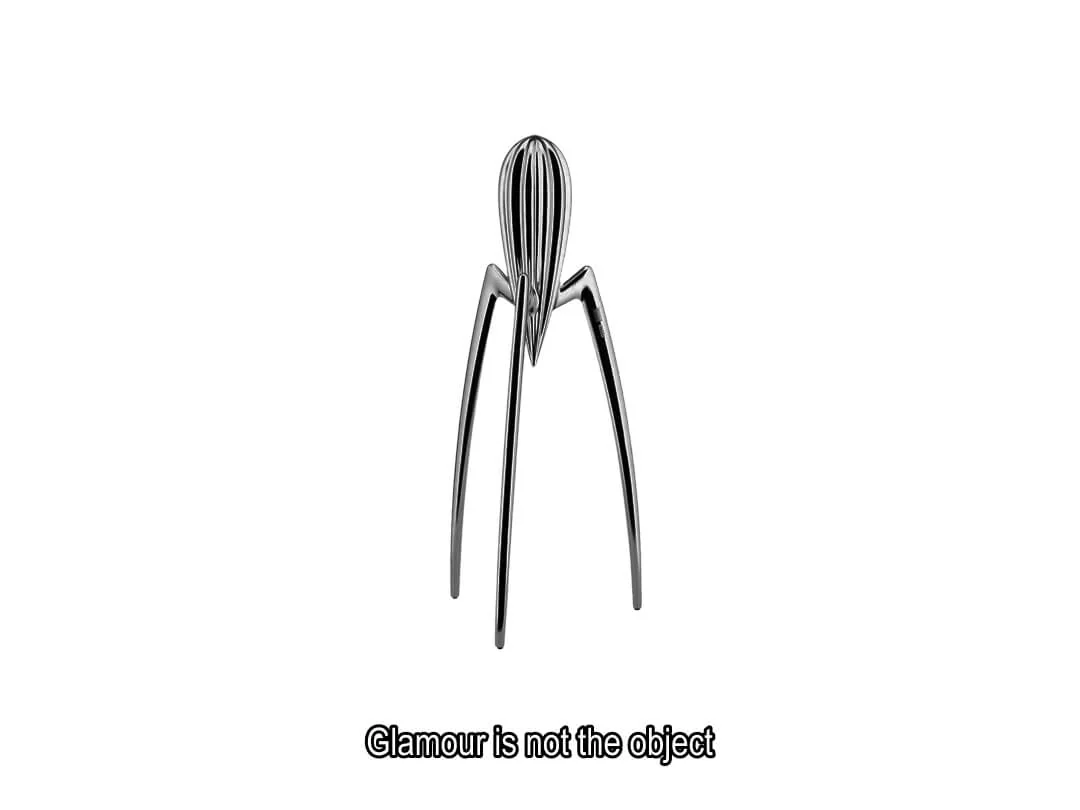
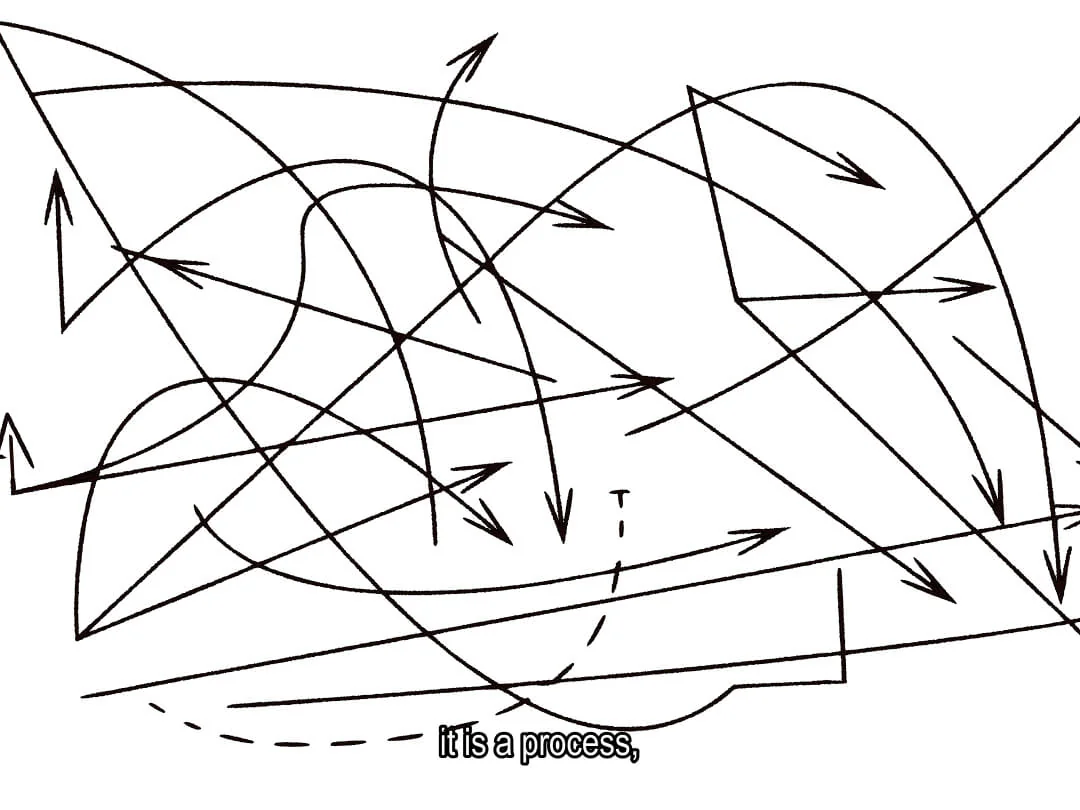
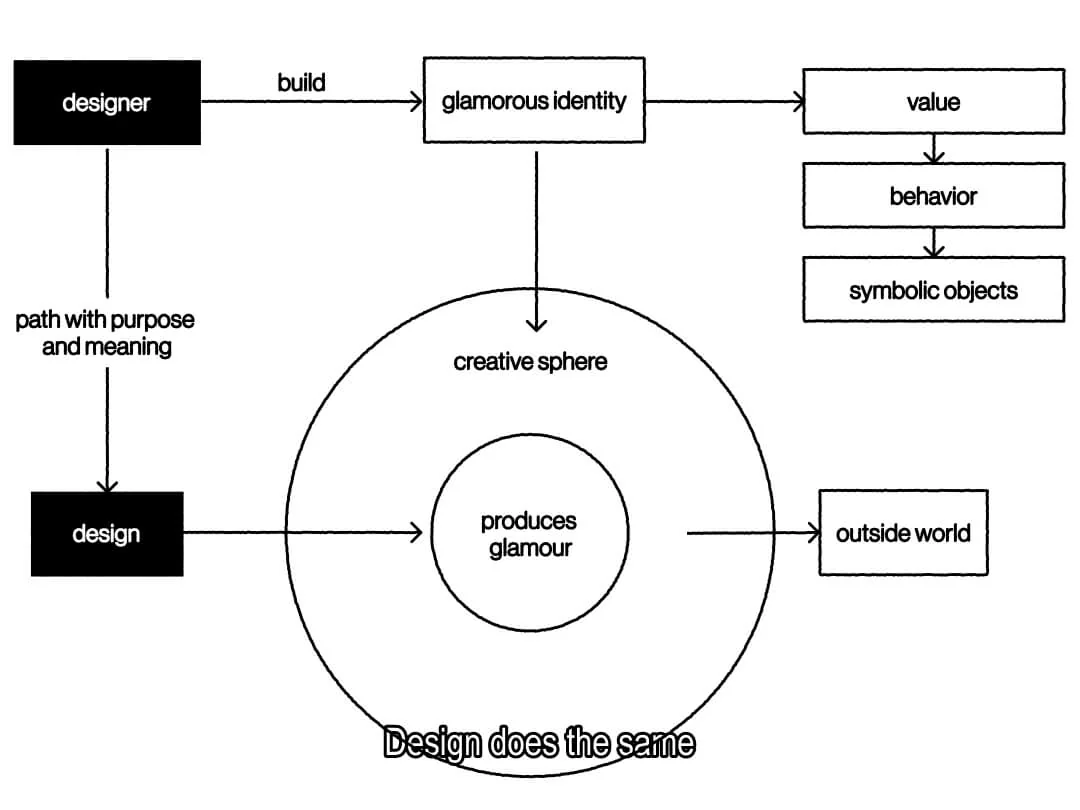
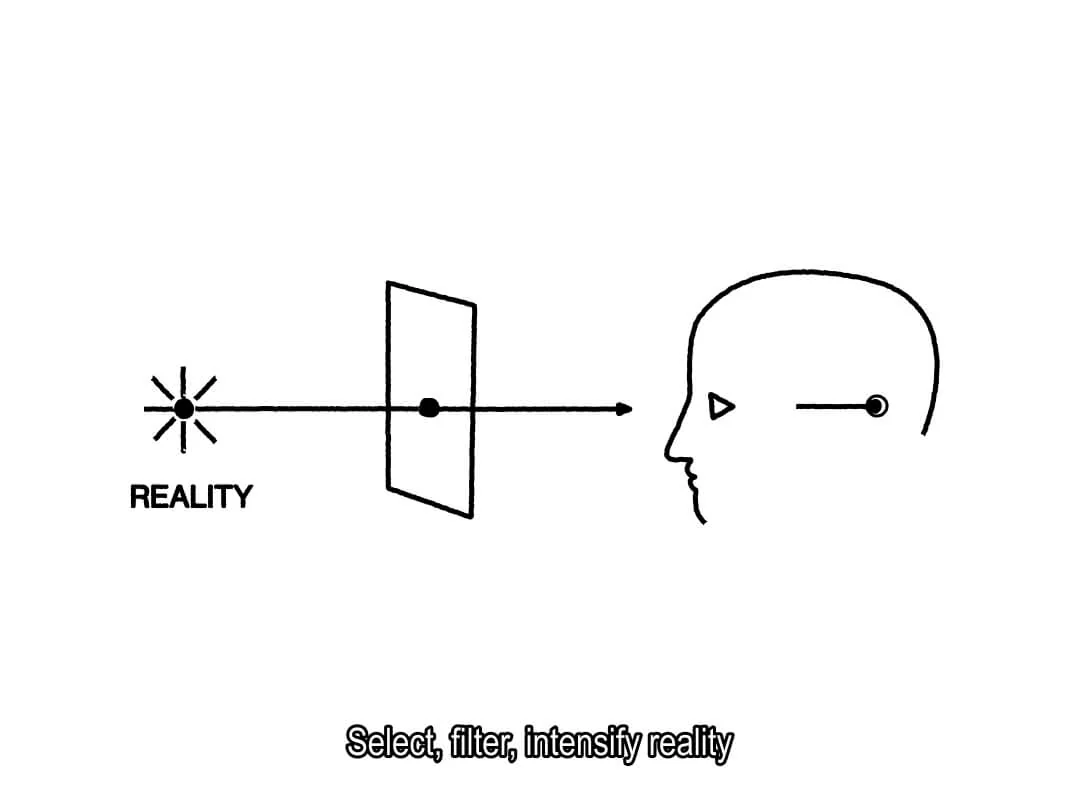
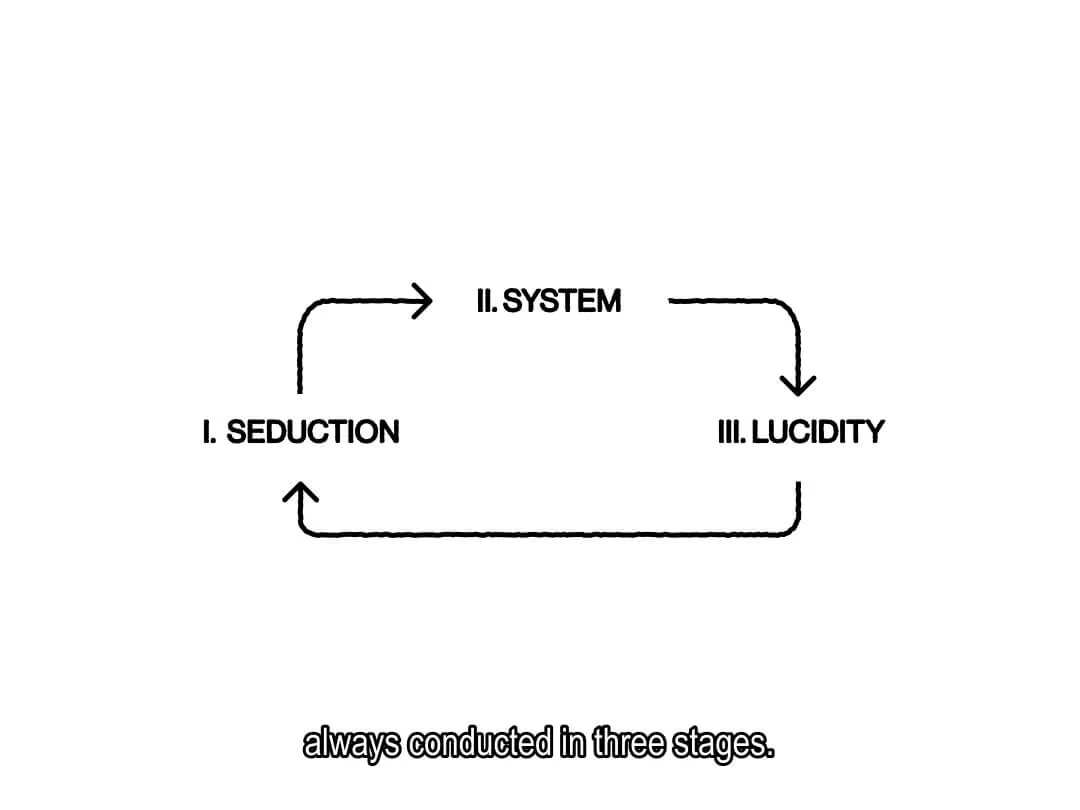
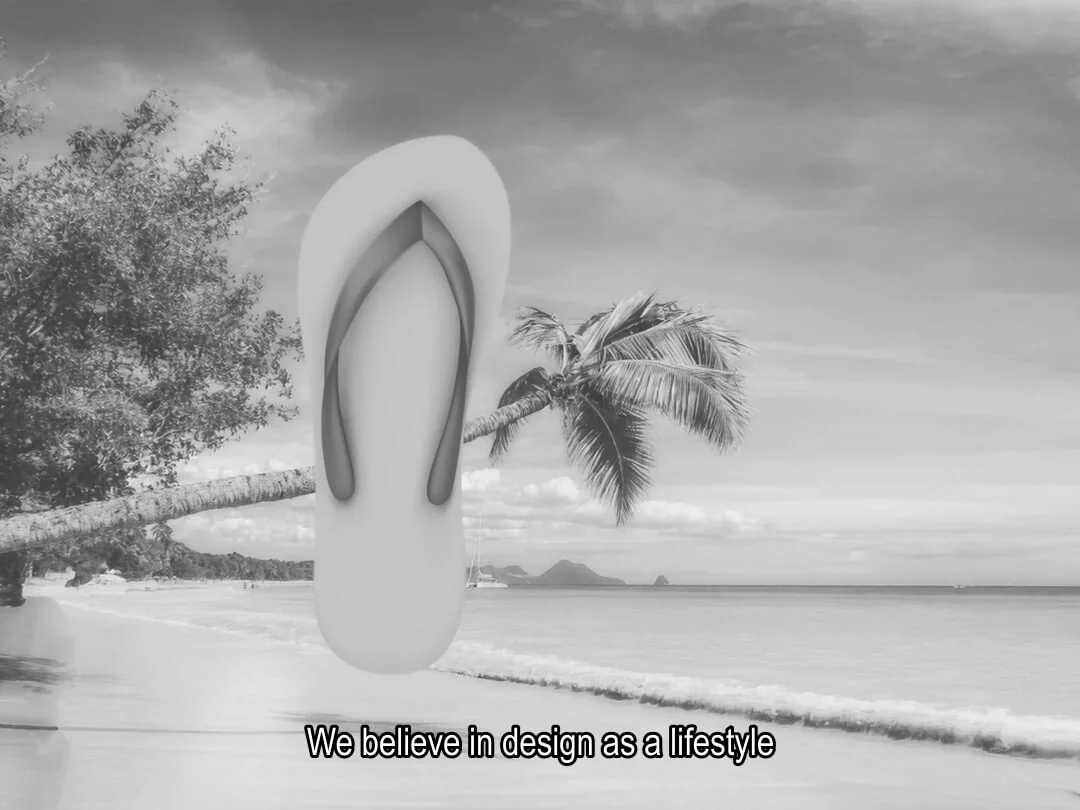
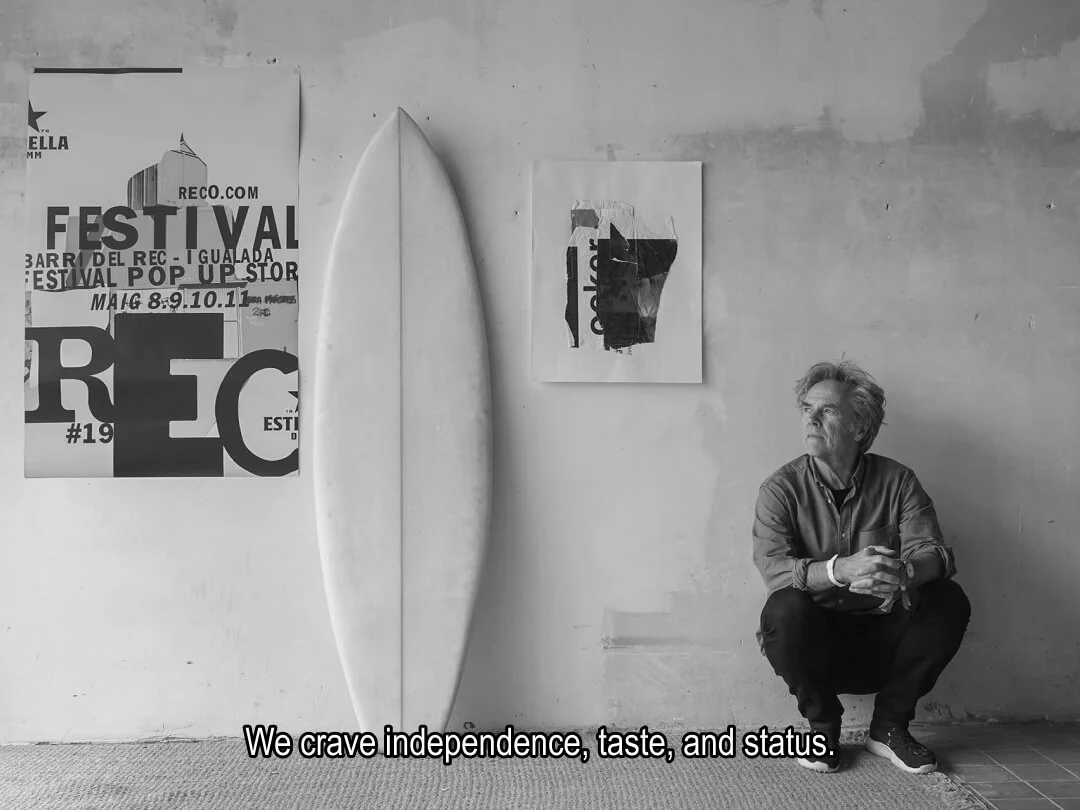
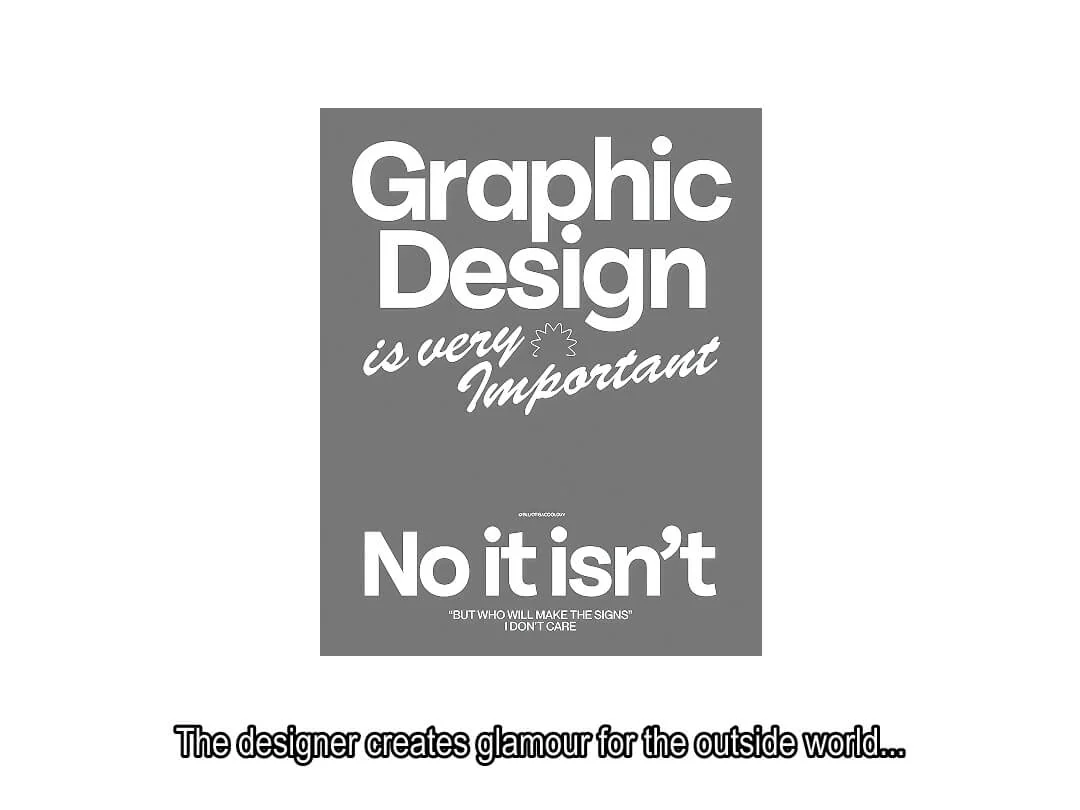
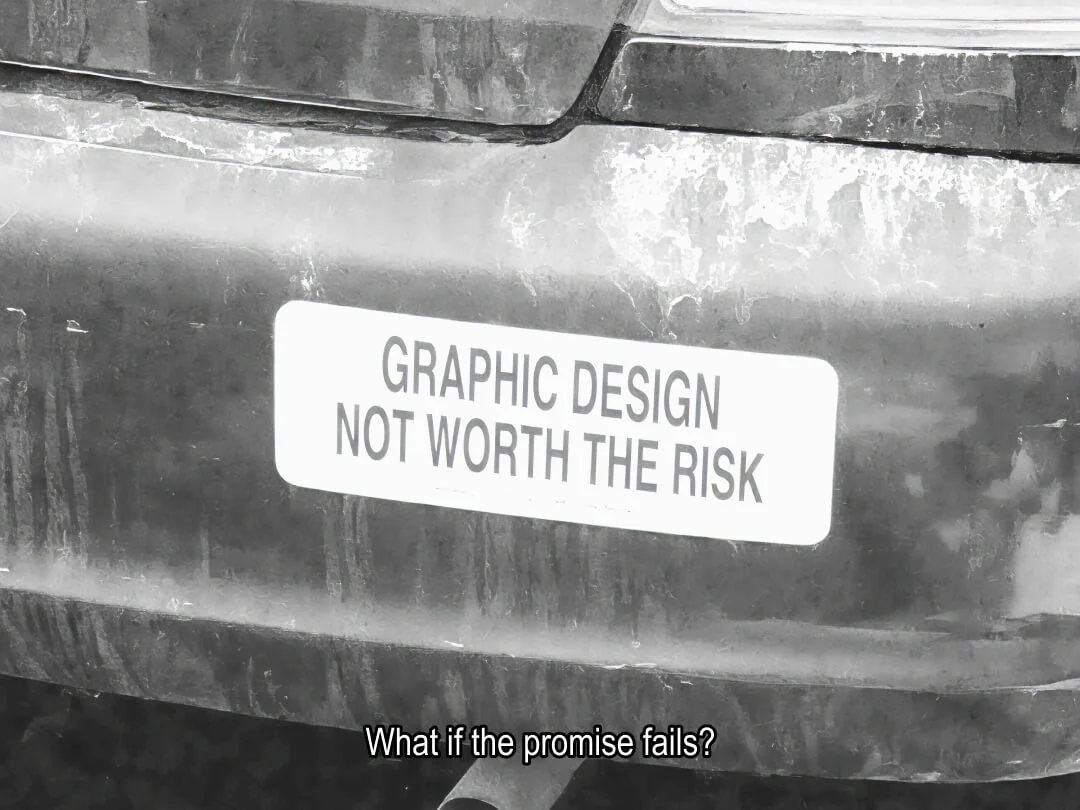
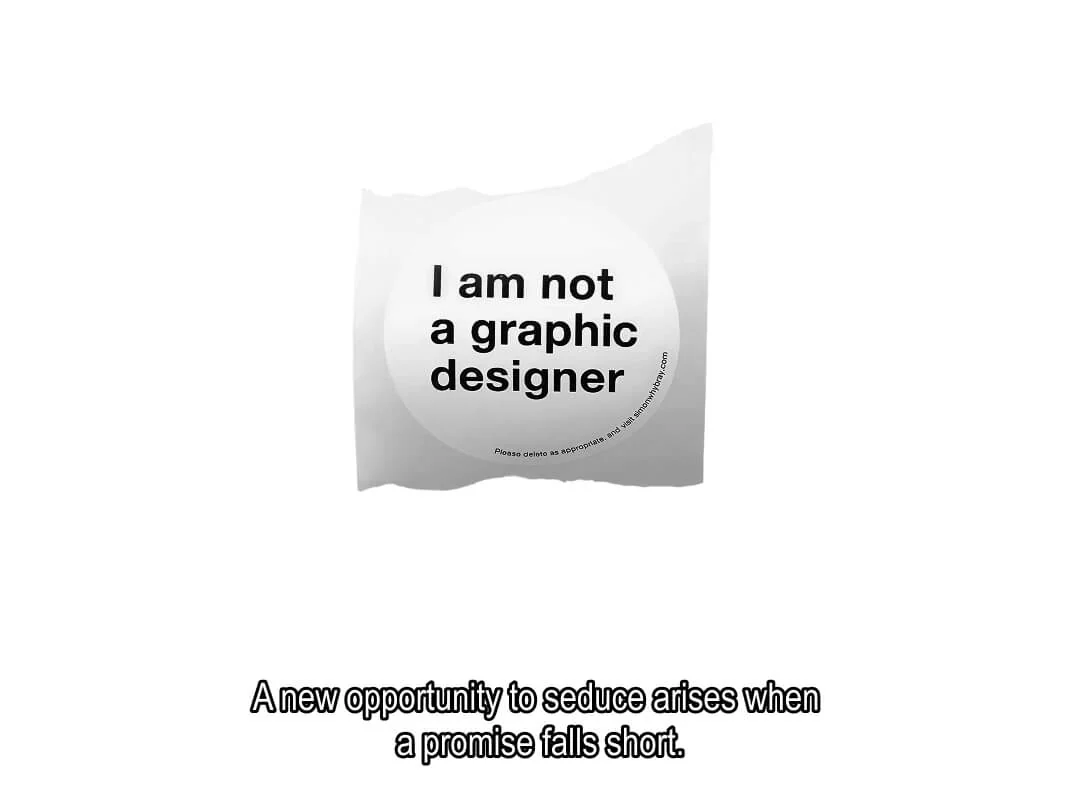
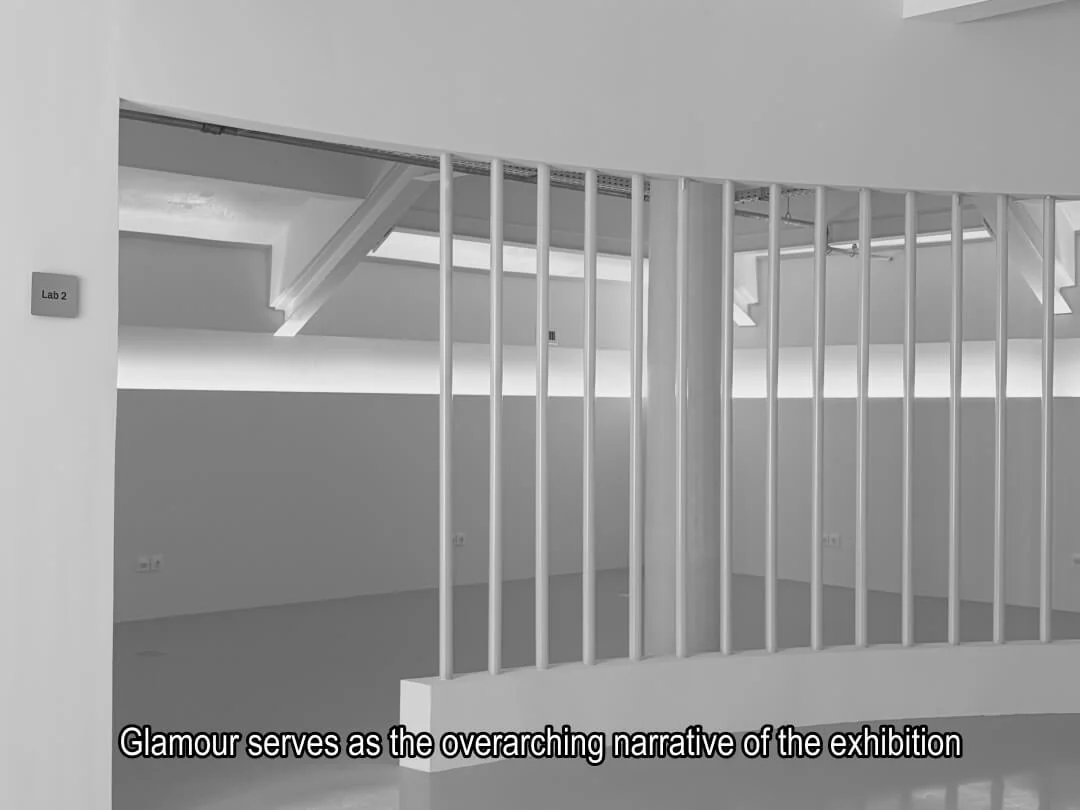
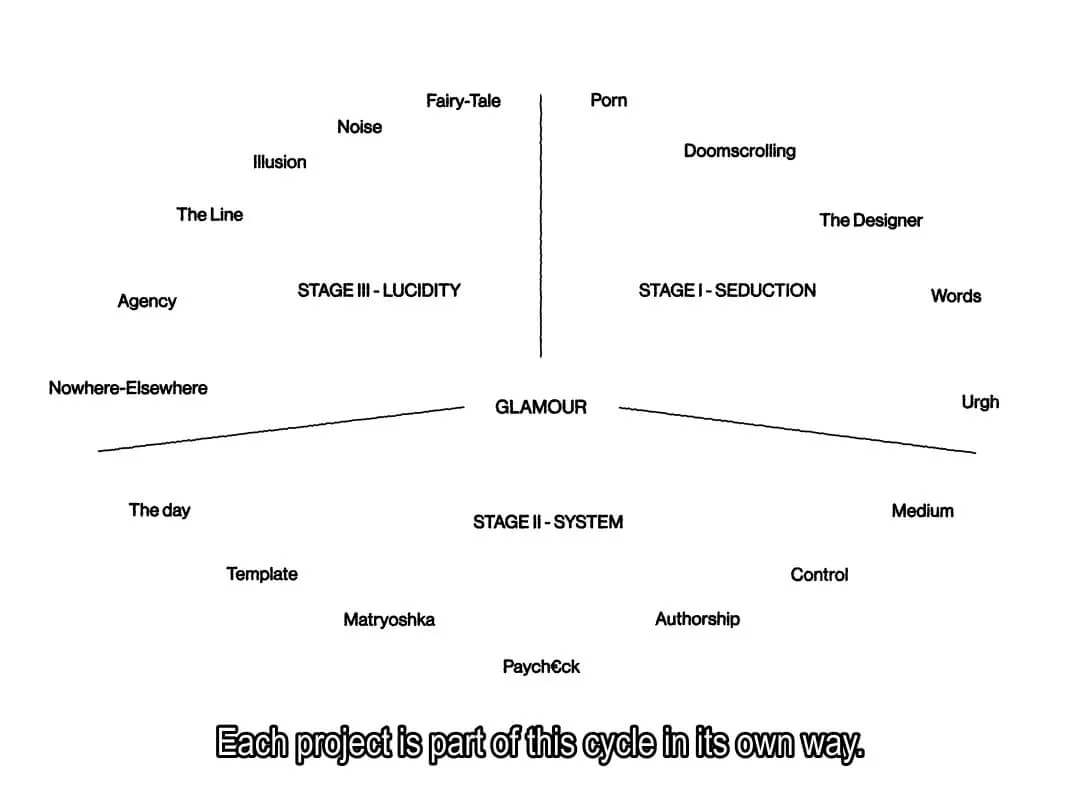
A Designer at the End of Glamour is an impression that intensifies reality, sustained by what is never fully revealed. It is not limited to objects: it is a mechanism, a process, and a promise. In design, glamour operates through both the practice and the practitioner. In practice, it contributes to the creation of objects, images, narratives, and experiences that are desirable and capable of evoking emotions and projecting worldviews. Design choices enable the selection, filtering, and intensification of this reality. In the practitioner, glamour influences how designers see themselves and how they are seen by others. Often associated with a certain status — creative and independent — it creates an idealised image of the profession. We propose understanding how glamour operates in design through a three-stage cycle: seduction, adherence to a system, and lucidity.

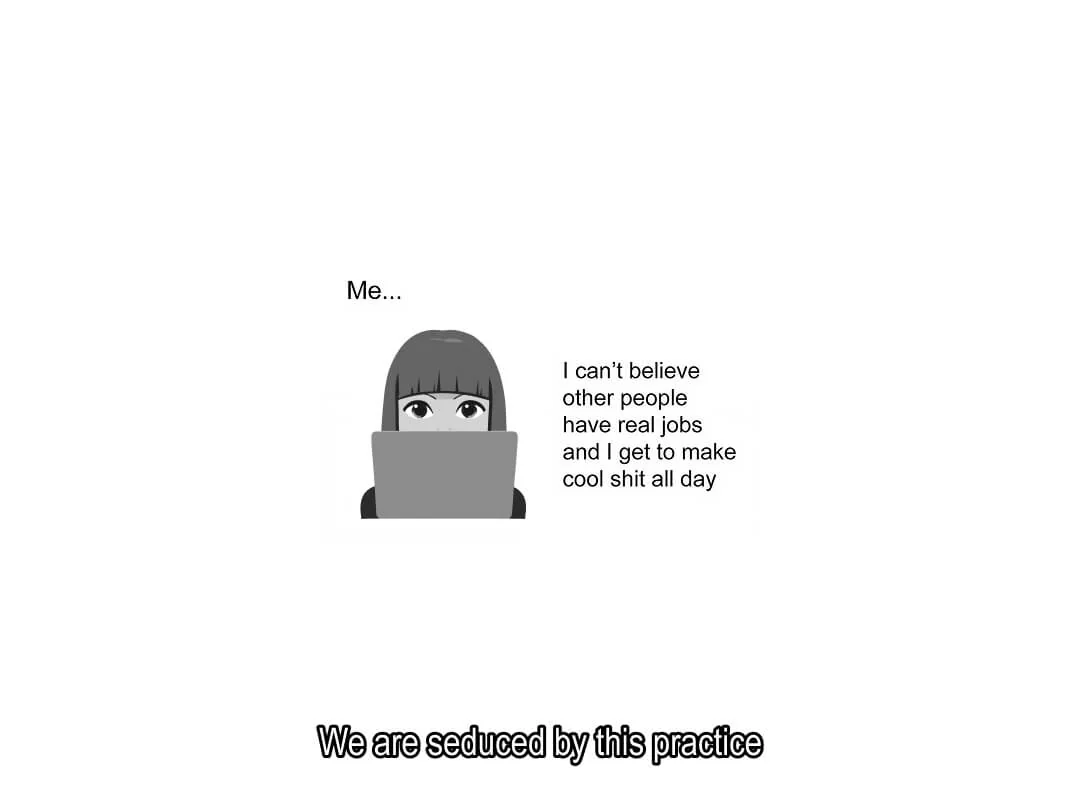
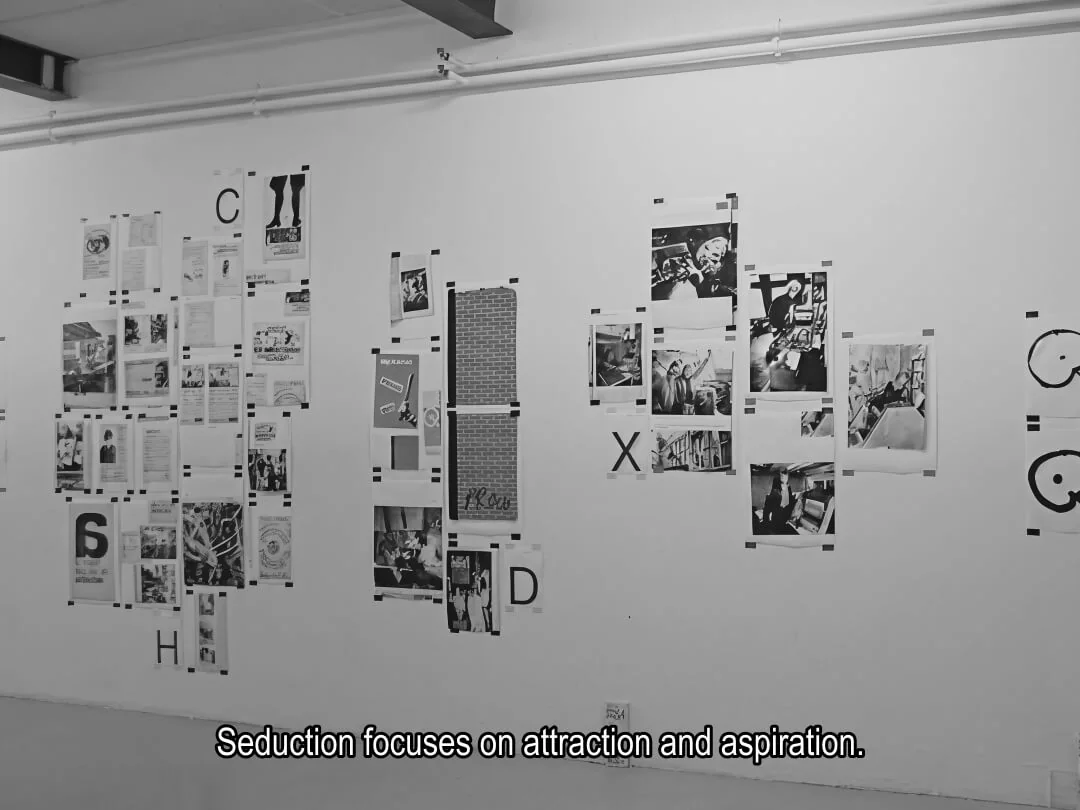
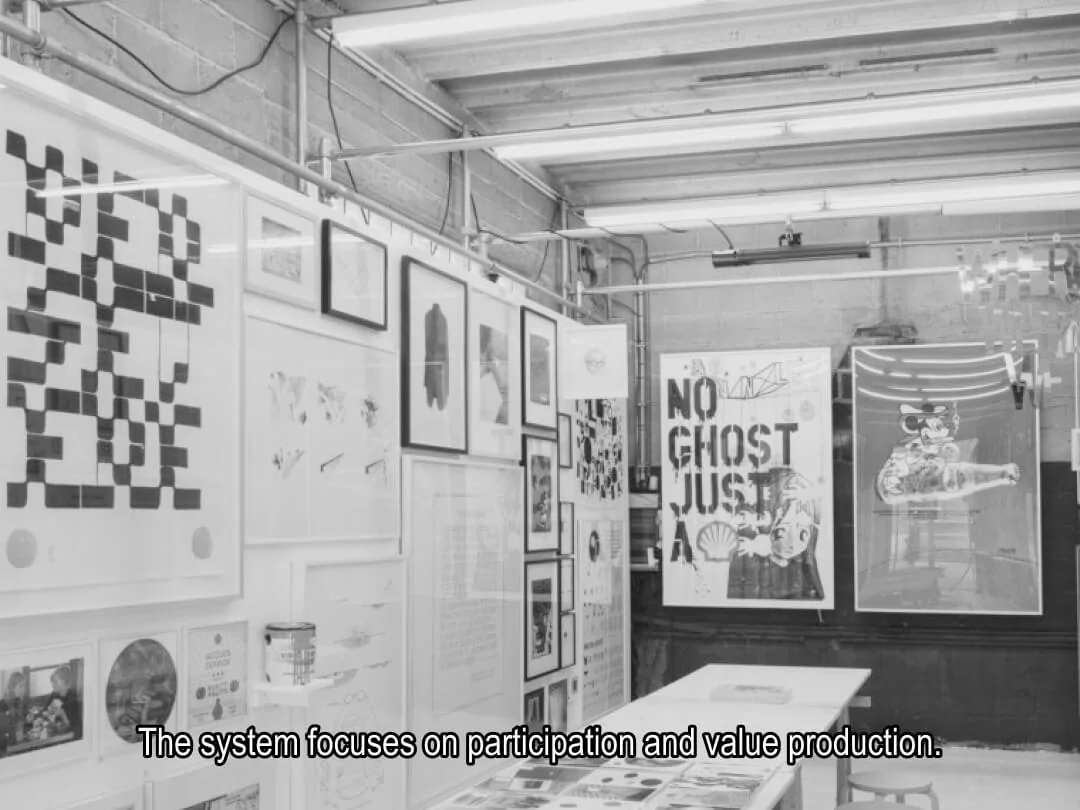
During the seduction stage, design presents itself as a promise, offering an idealised version of reality imbued with purpose and value that we aspire to. Within the system, the designer becomes an accomplice to that promise. It contributes to the creation of glamour through its own identity and the objects it produces, thereby concealing the more precarious or problematic aspects of design practice.

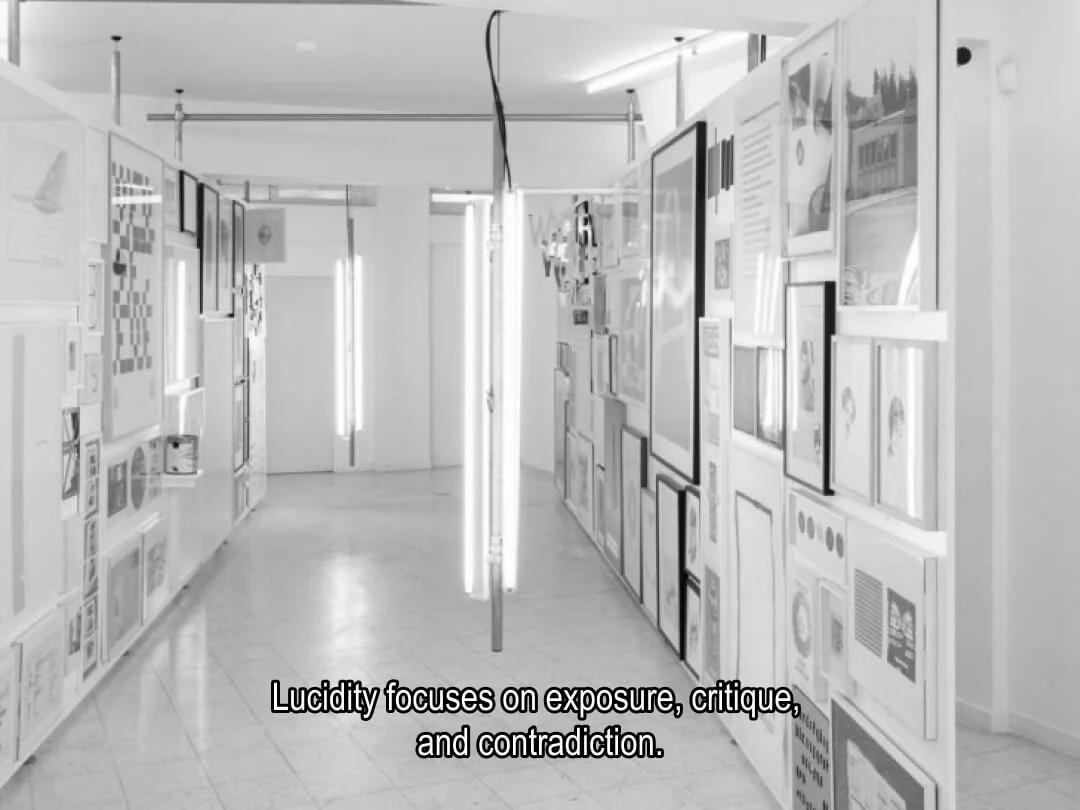
Ultimately, during the phase of lucidity, that which was previously hidden becomes visible. Glamour loses its power when its mechanisms are revealed, causing the promise to enter a crisis. However, this crisis creates the potential for a new opportunity, capable of generating a fresh moment of seduction.The cycle begins again.

PROJECT BY Afonso Quintela
Margarida Silva
Mariana Gouveia
Mariana Silva

close
A DESIGNER AT THE END OF...
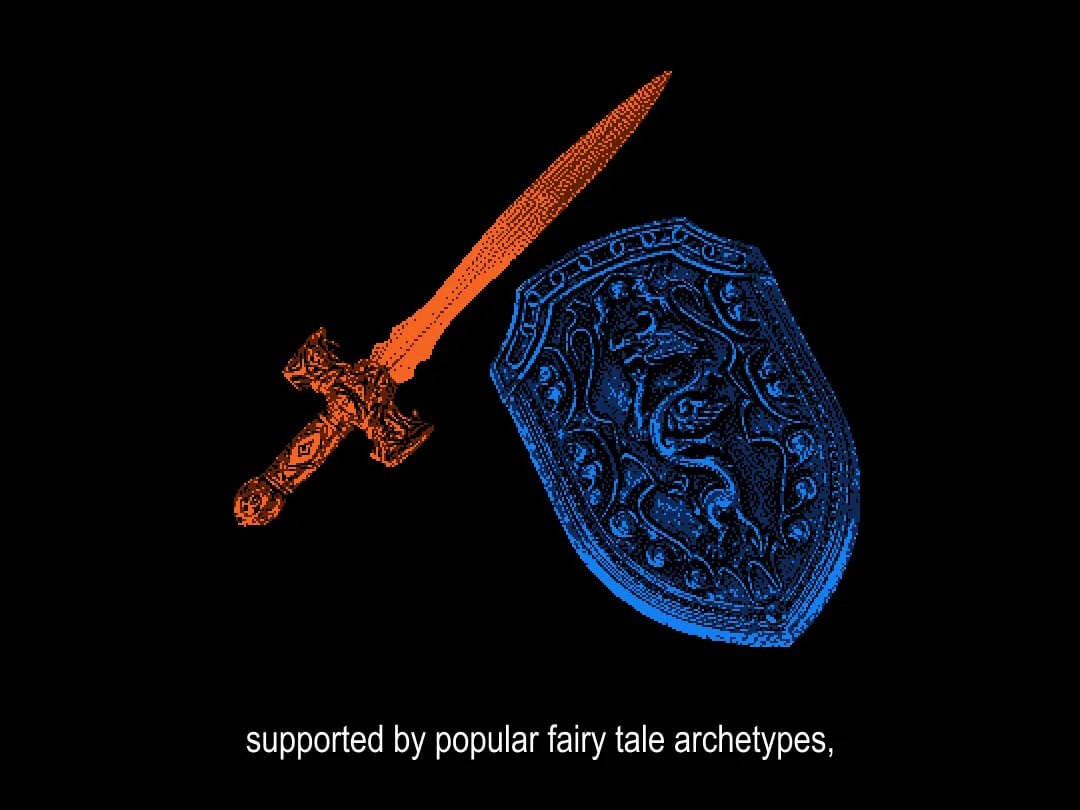
Fairy Tale (PUBLICATION)

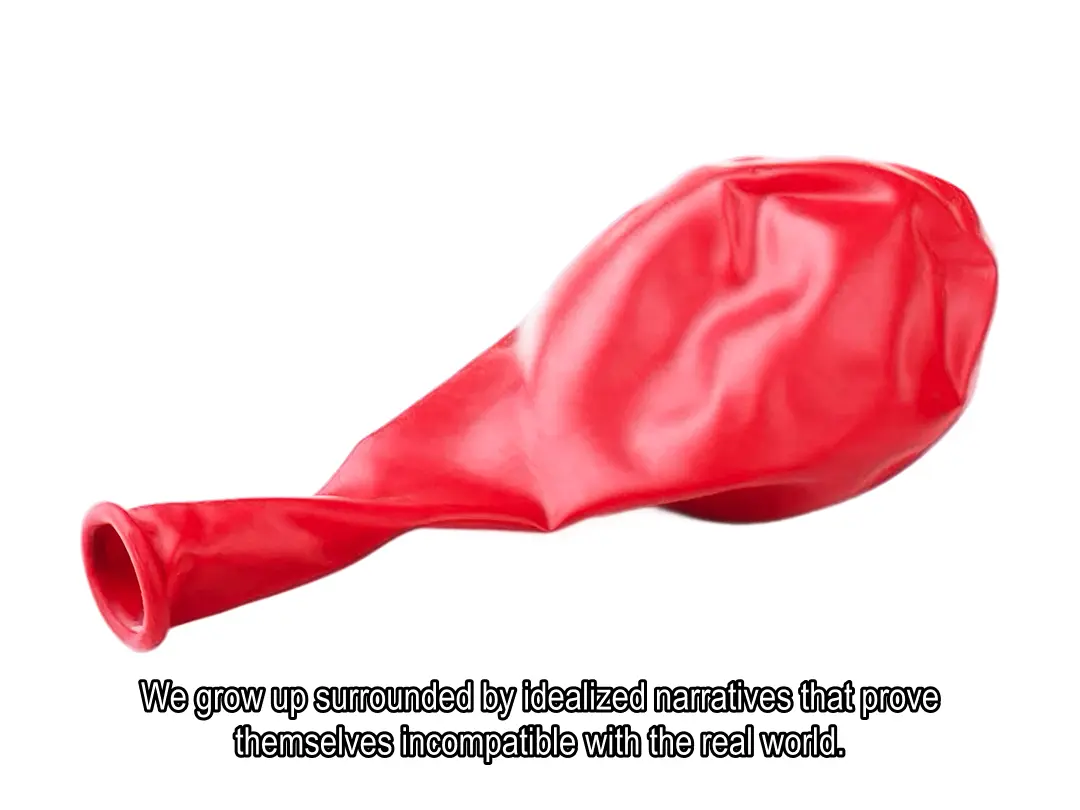
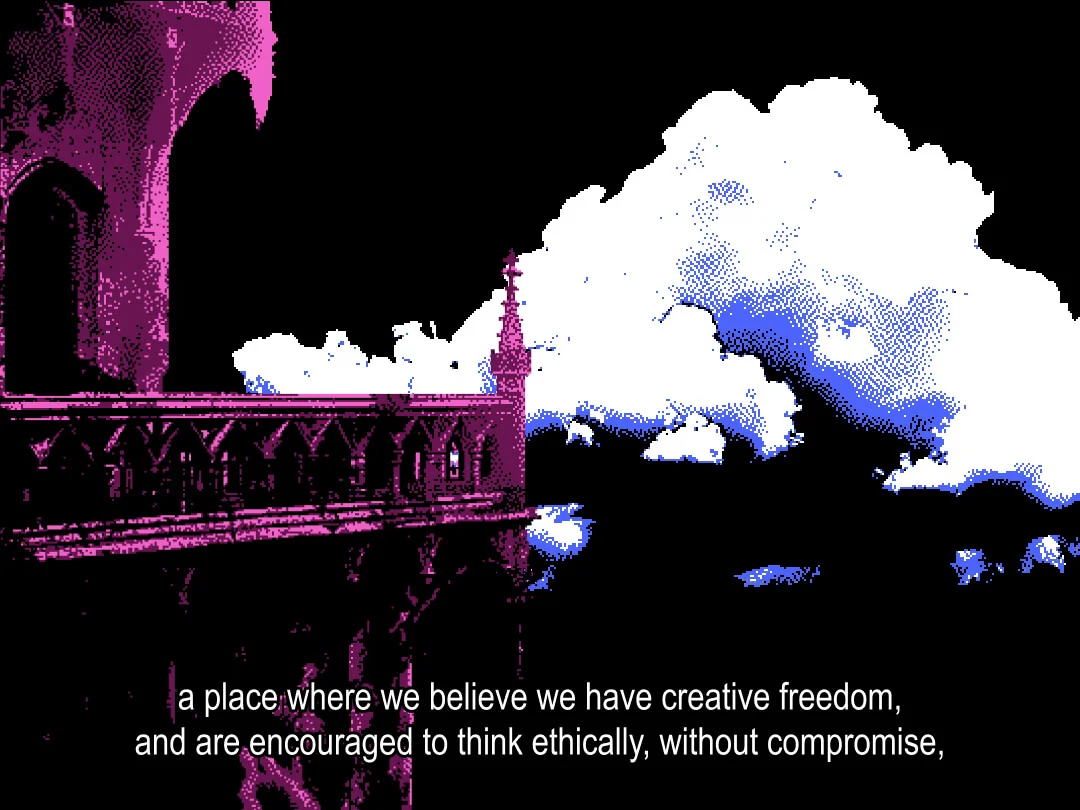
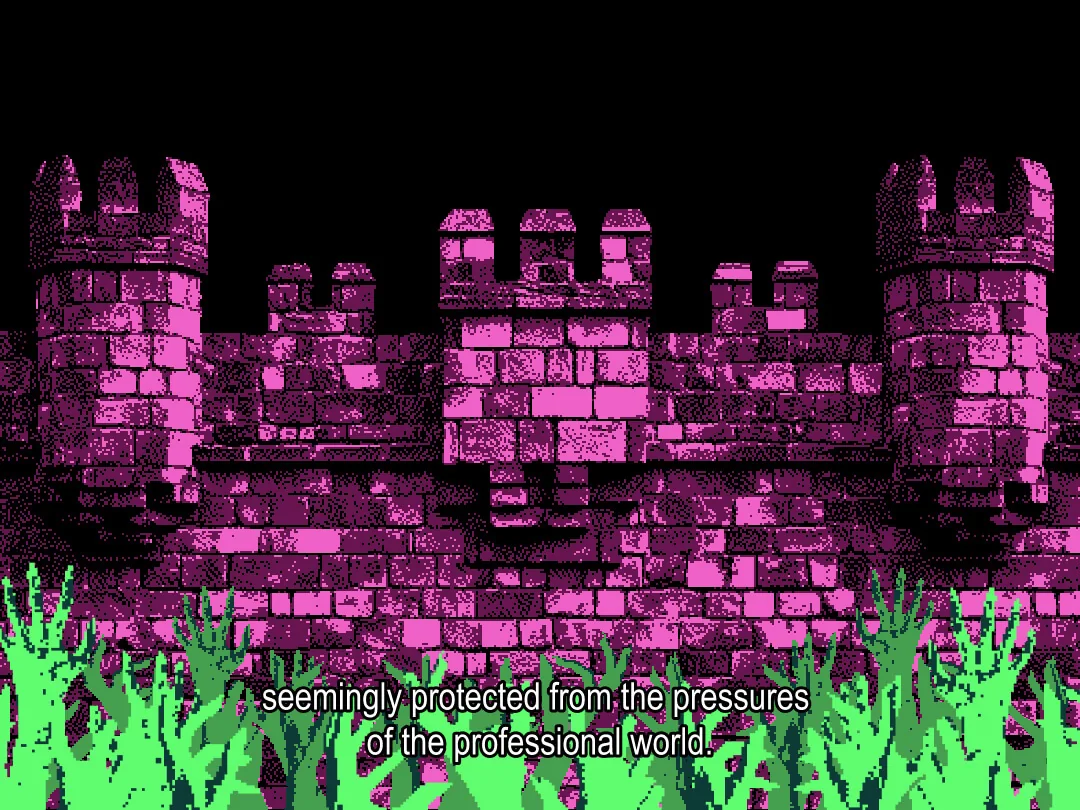
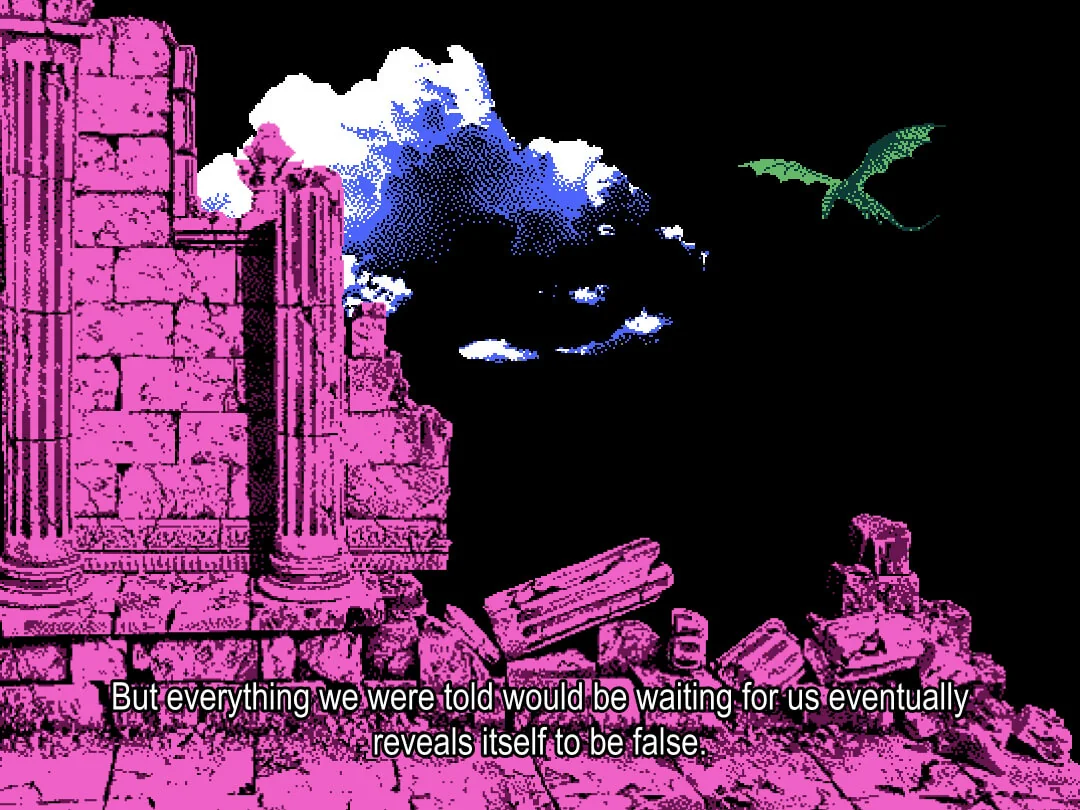
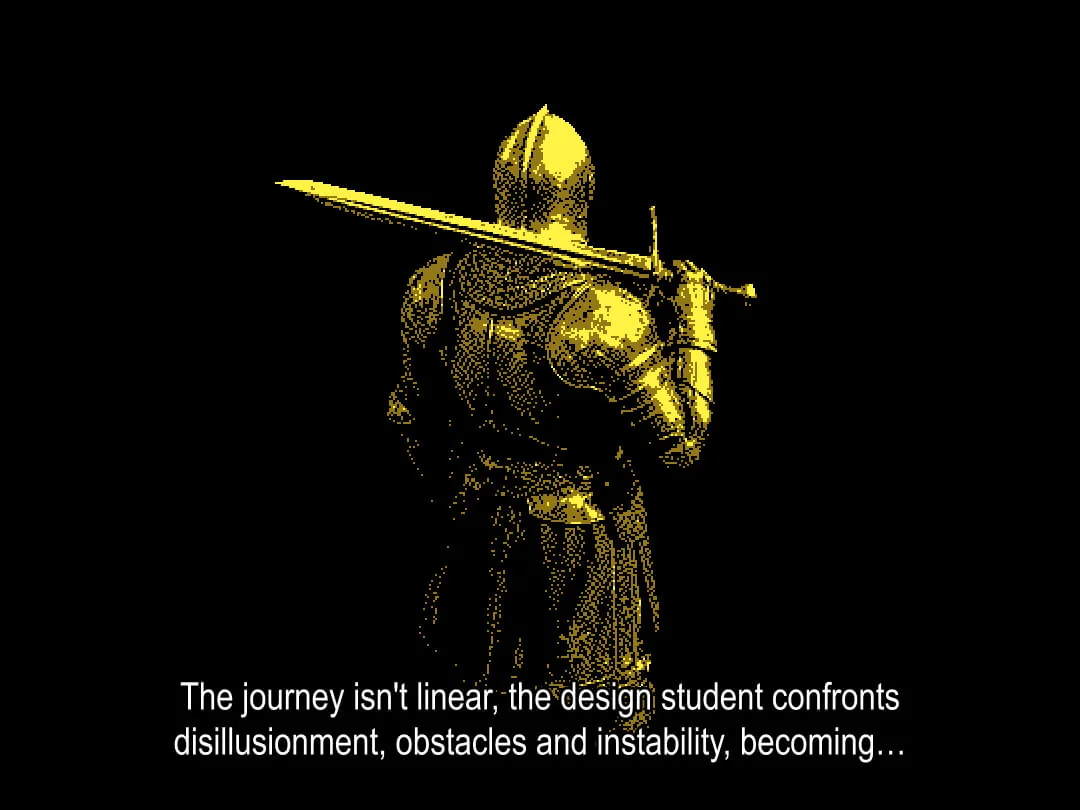
We grew up on idealized narratives that, sooner or later, turn out to be nothing like the real world. Over time, we realize that most of those promises never come true, that everything we were told would be waiting for us has a way of falling apart.

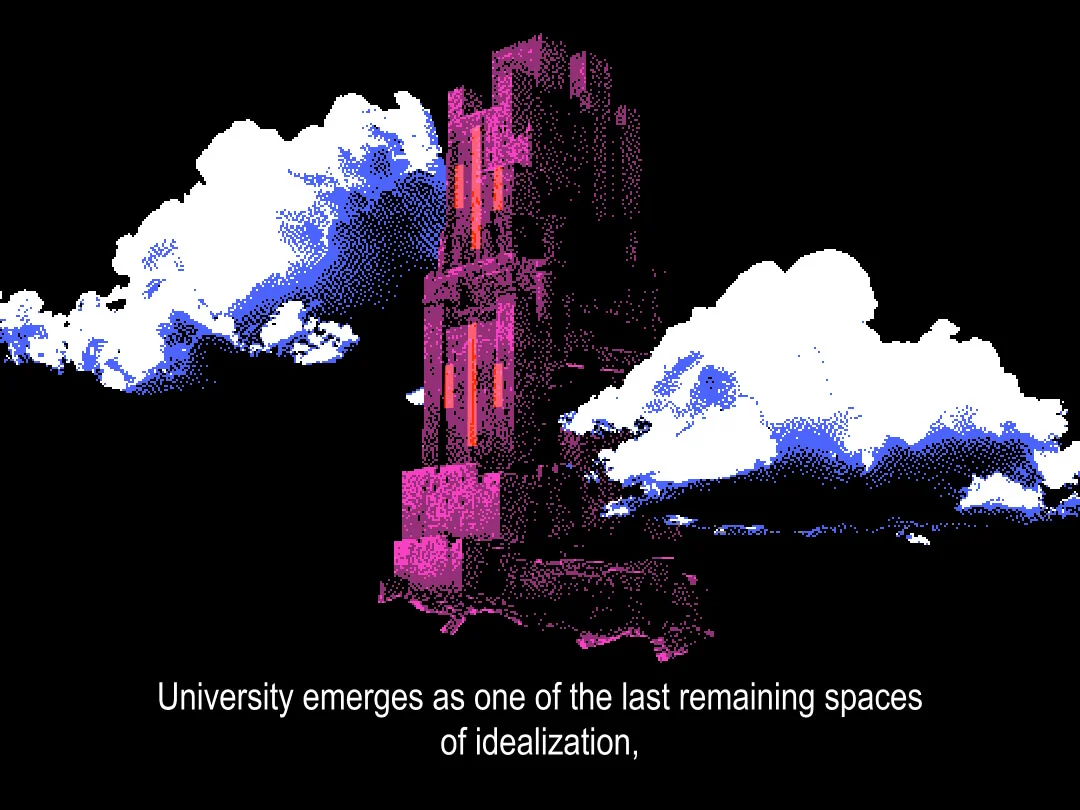
The University feels like one of the last places where that illusion holds. A space where creative freedom seems guaranteed, where thinking ethically and idealistically is encouraged, where the pressures of professional life haven't quite reached you yet. But we can already foreshadow how this ends.

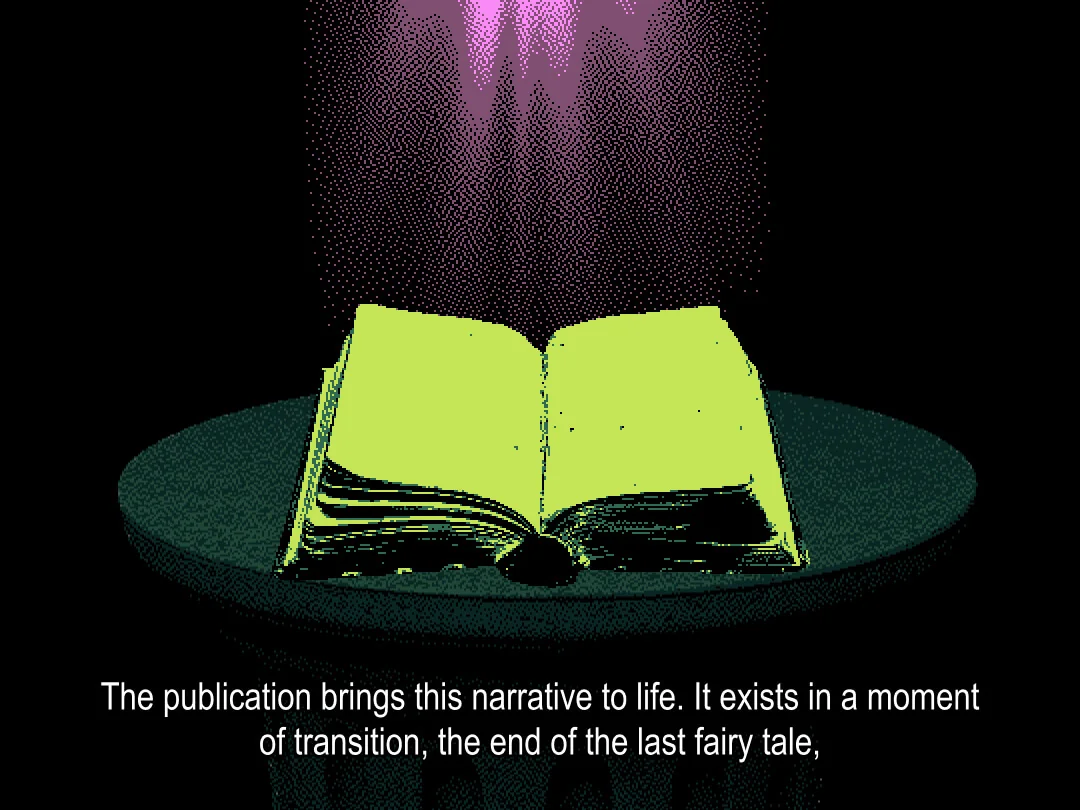
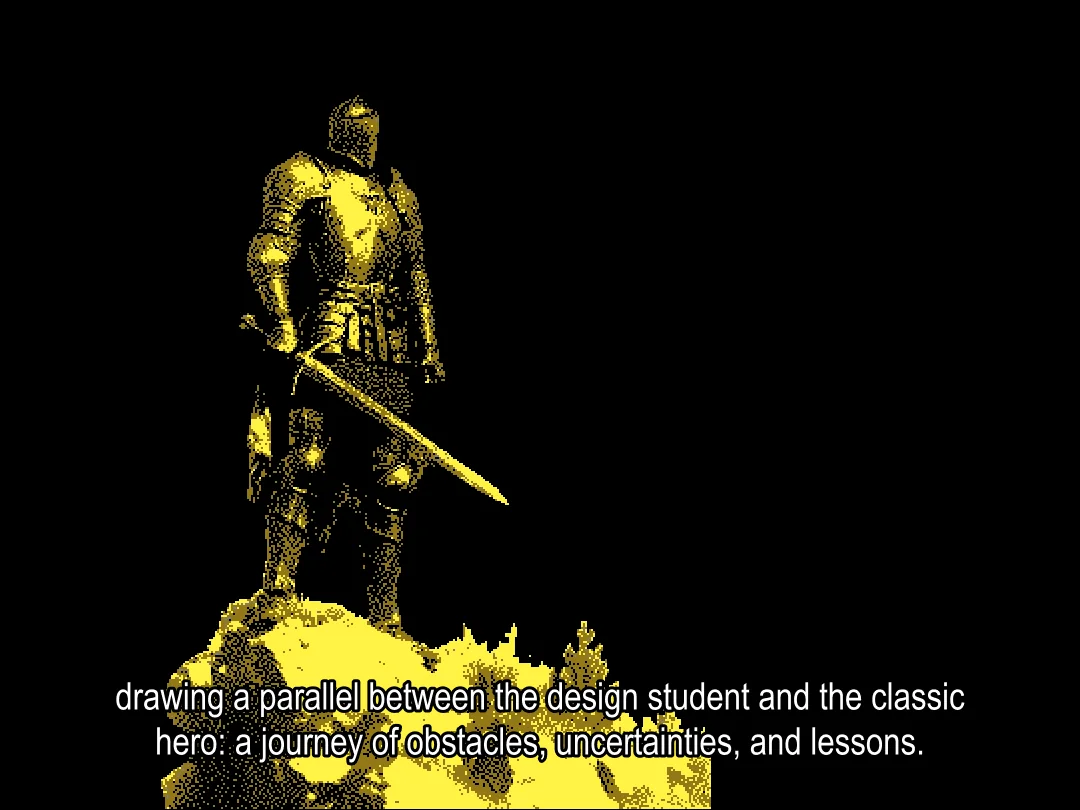
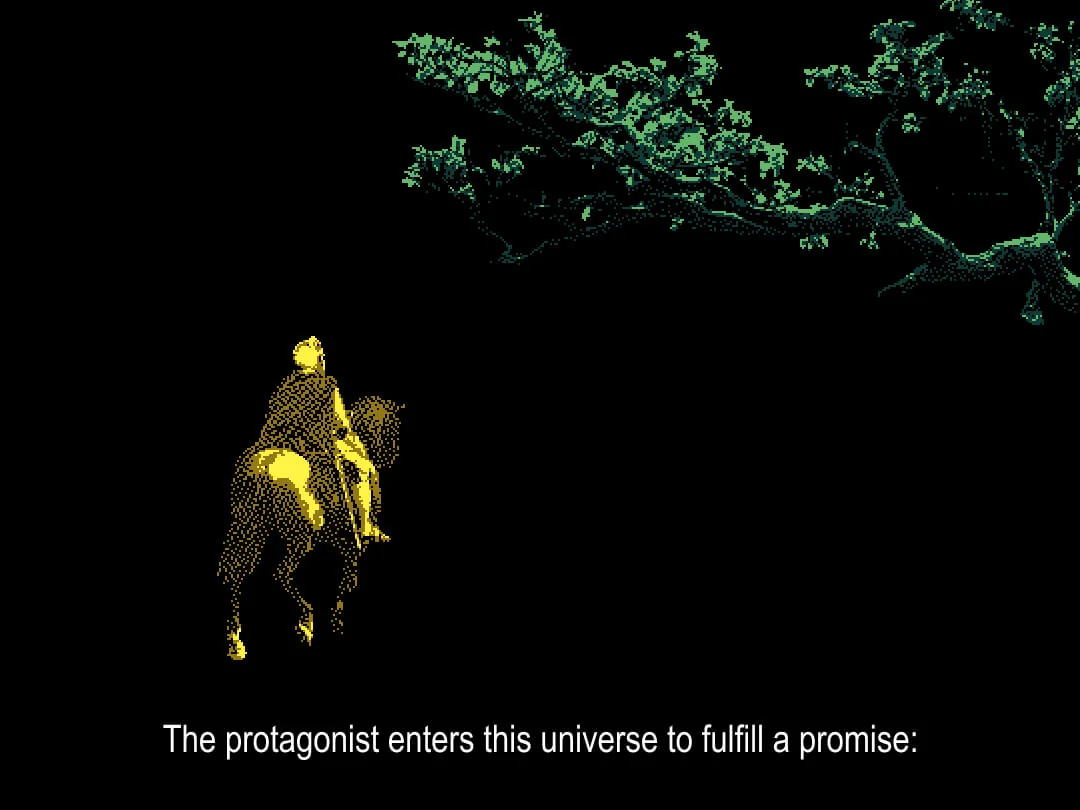
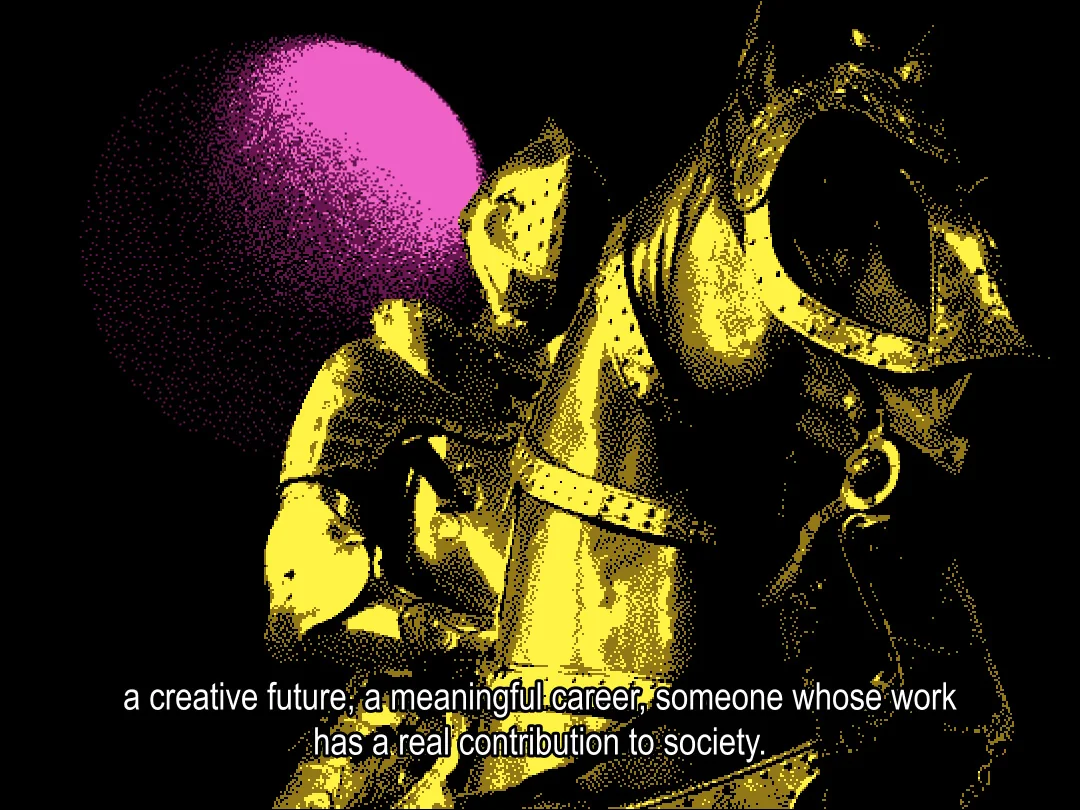
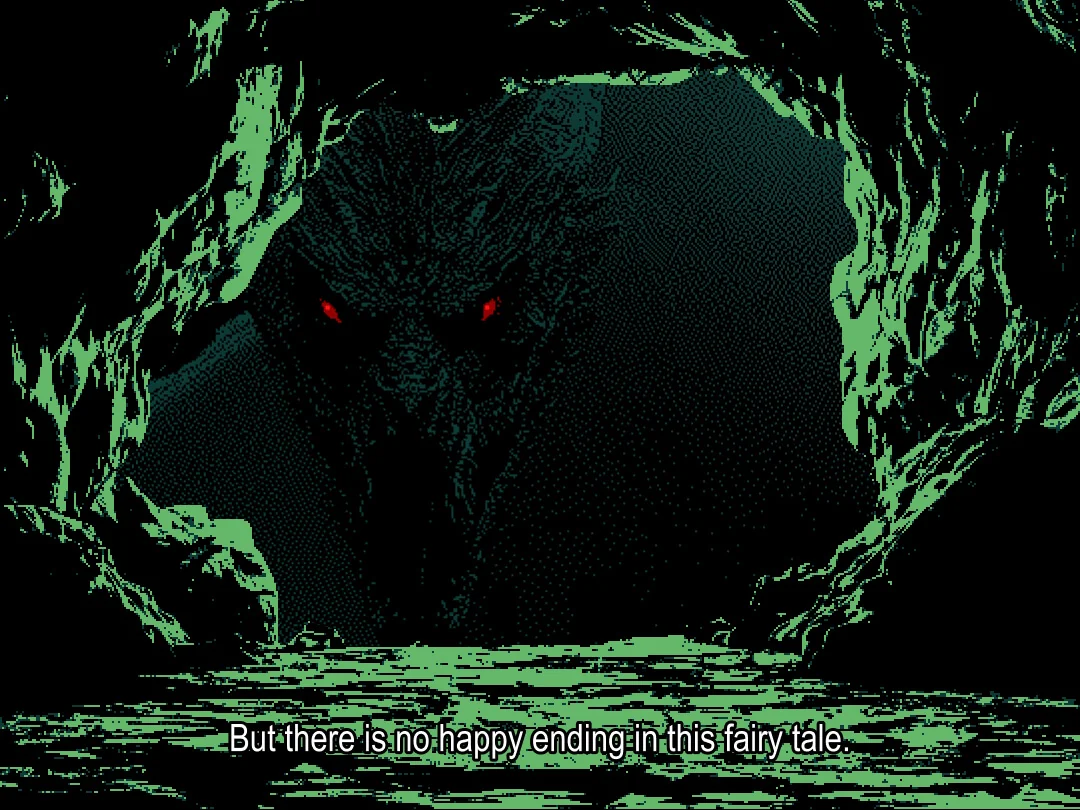
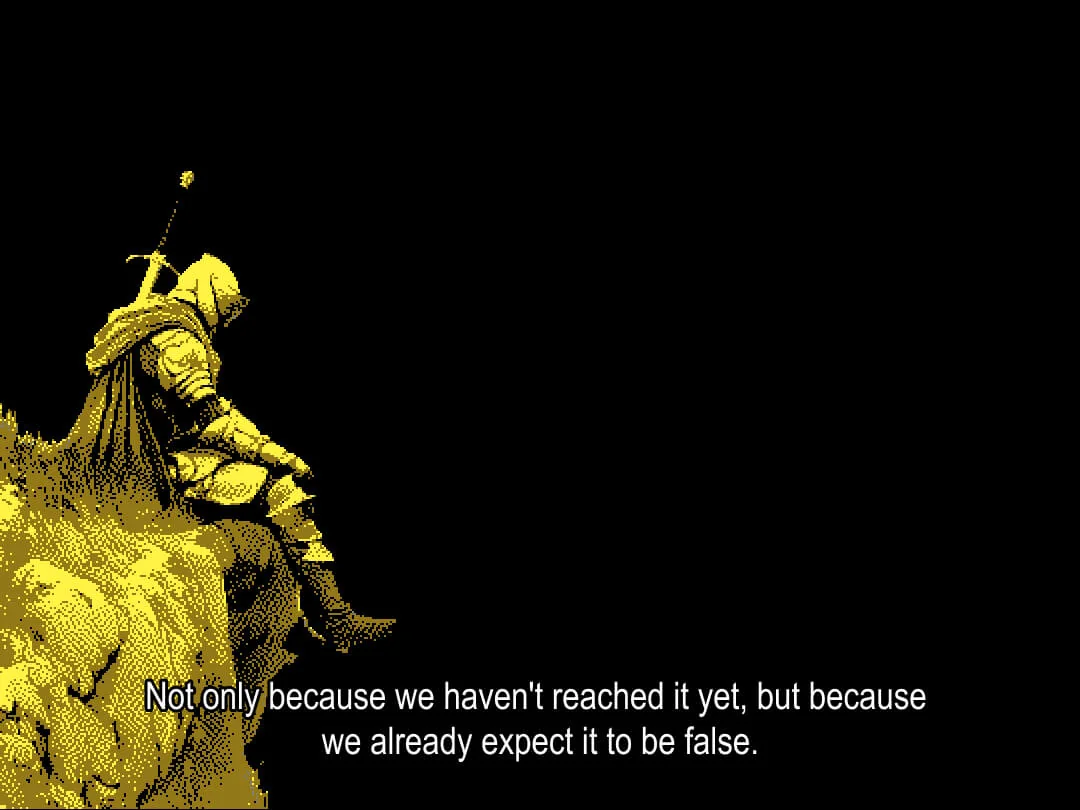
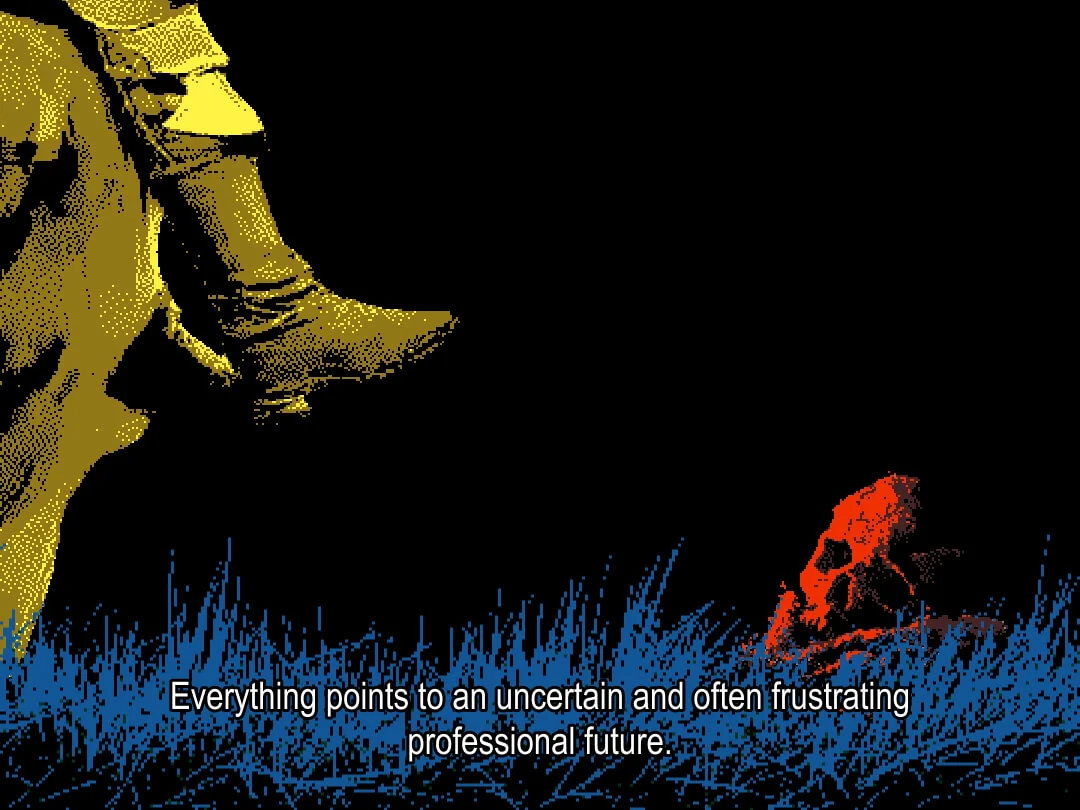
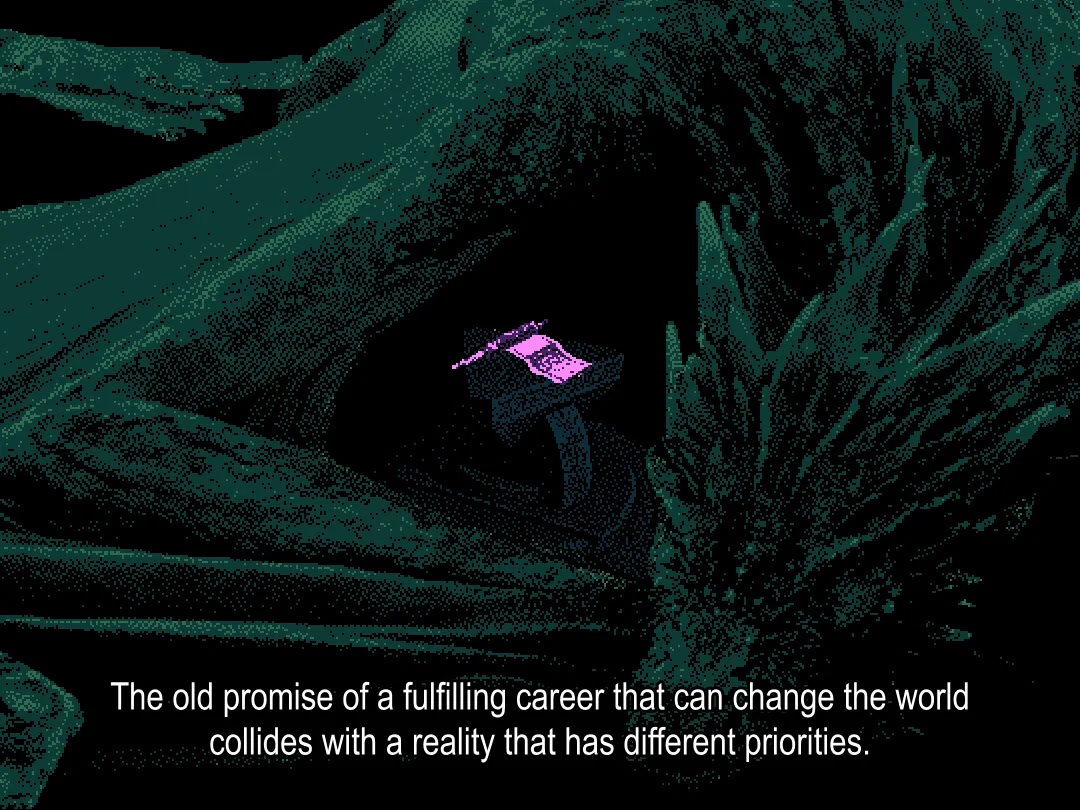
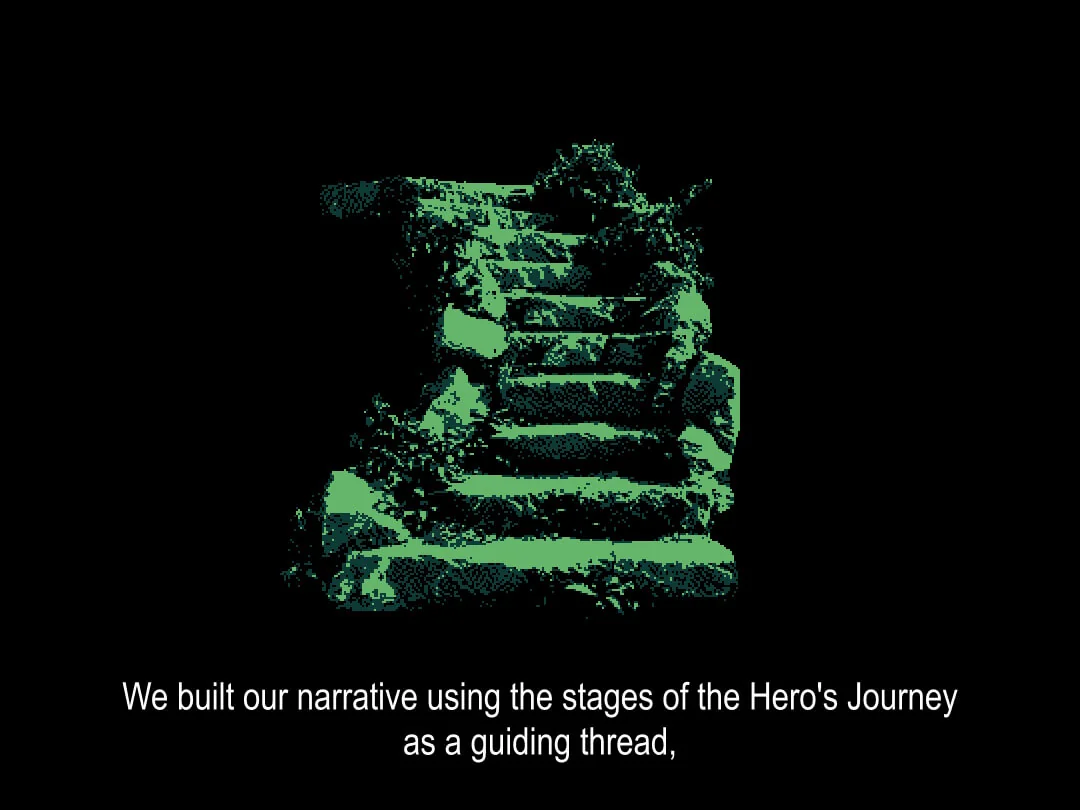
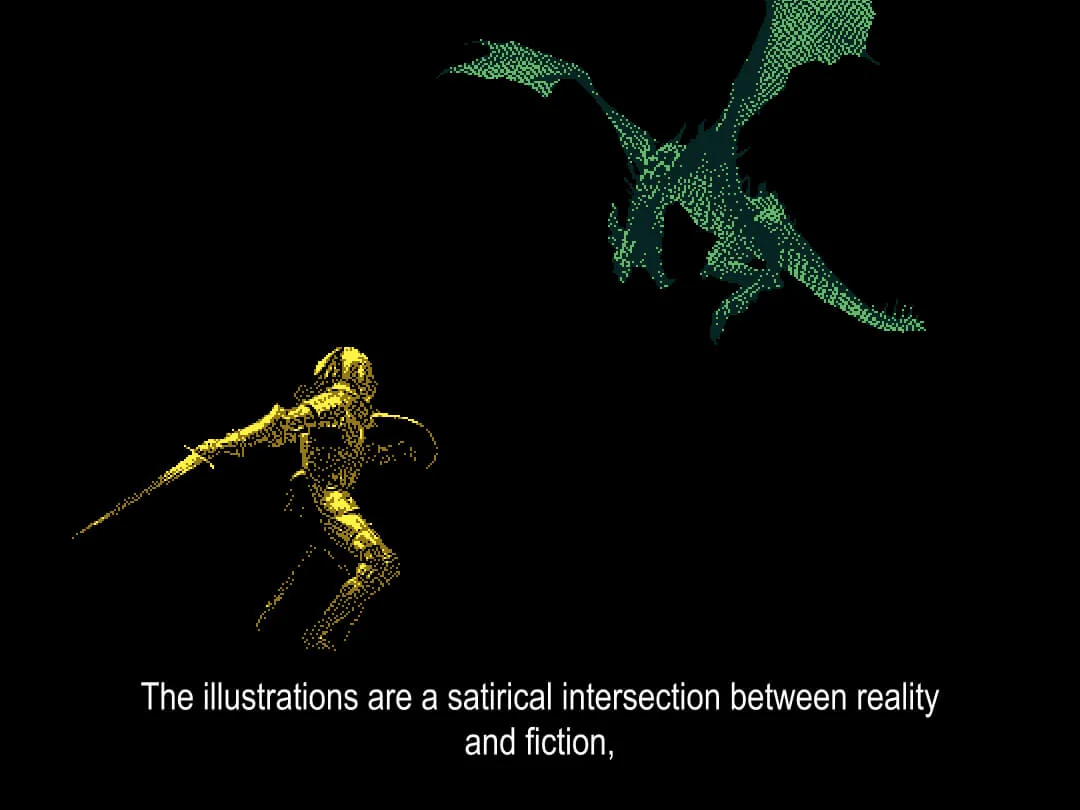
This publication lives in that moment of transition, the end of the very last fairy tale. We draw a parallel between the design student and the classic fairy tale hero: a journey full of obstacles, uncertainty, and hard-won lessons, except our story collides with the world as it actually is. But there is no happy ending to this story. Not only because we haven't reached it yet, but because we already expect it to be false, and everything points toward a professional future that is uncertain, murky, and quietly disheartening. As designers, we've come to recognize something uncomfortable: the promise of creative fulfillment, of a dream career, of meaningful work is, once again, a story someone else wrote for us.

PROJECT BY Beatriz Moreira
Ricardo Xavier
Sofia Santos

close
A DESIGNER AT THE END OF...
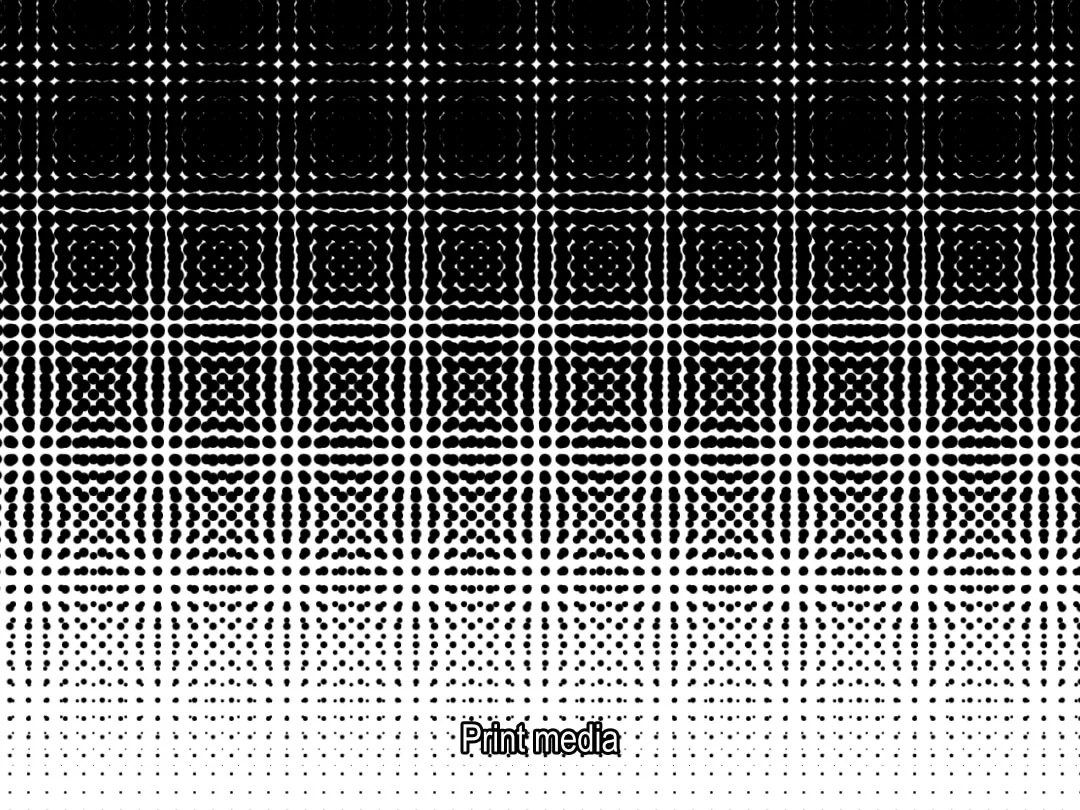
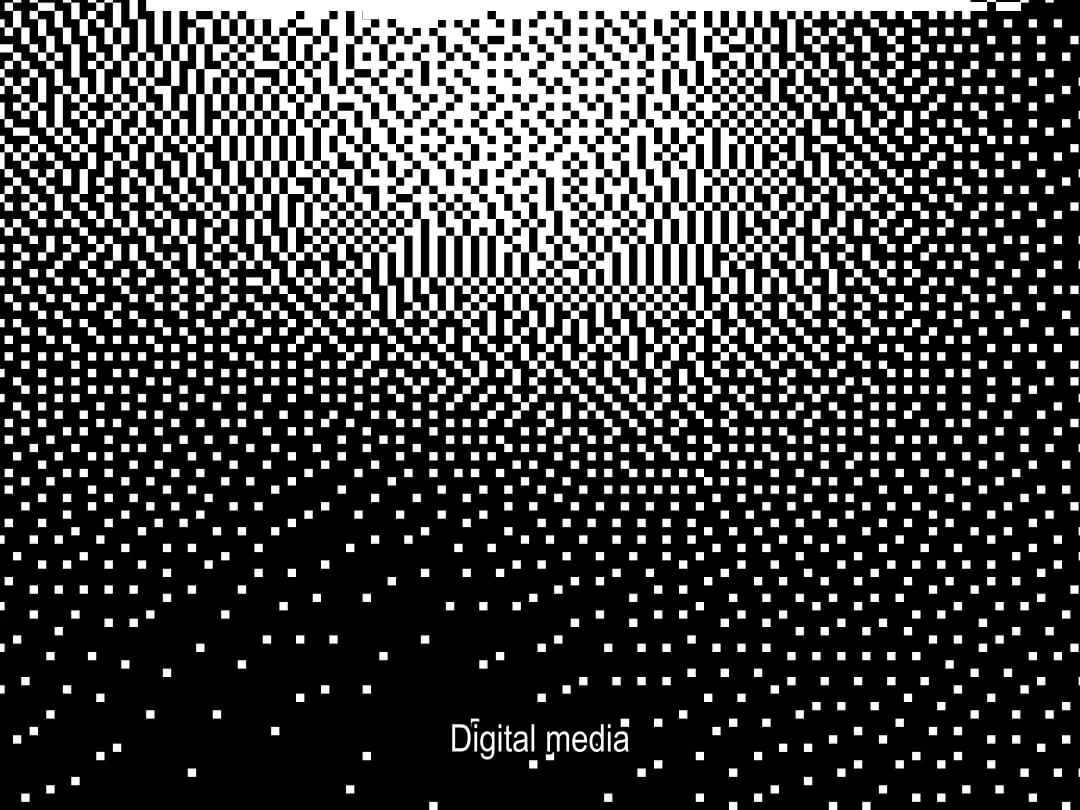
Medium (PUBLICATION & WEBSITE)

We grew up on idealized narratives that, sooner or later, turn out to be nothing like the real world. Over time, we realize that most of those promises never come true, that everything we were told would be waiting for us has a way of falling apart.

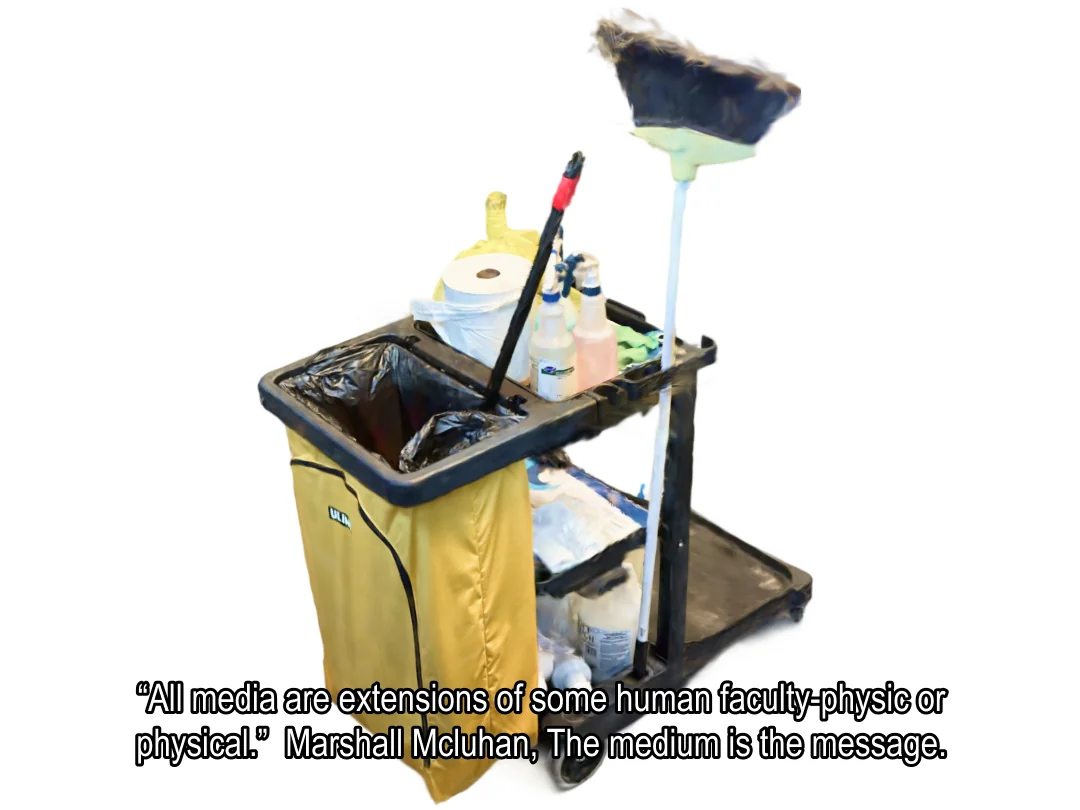
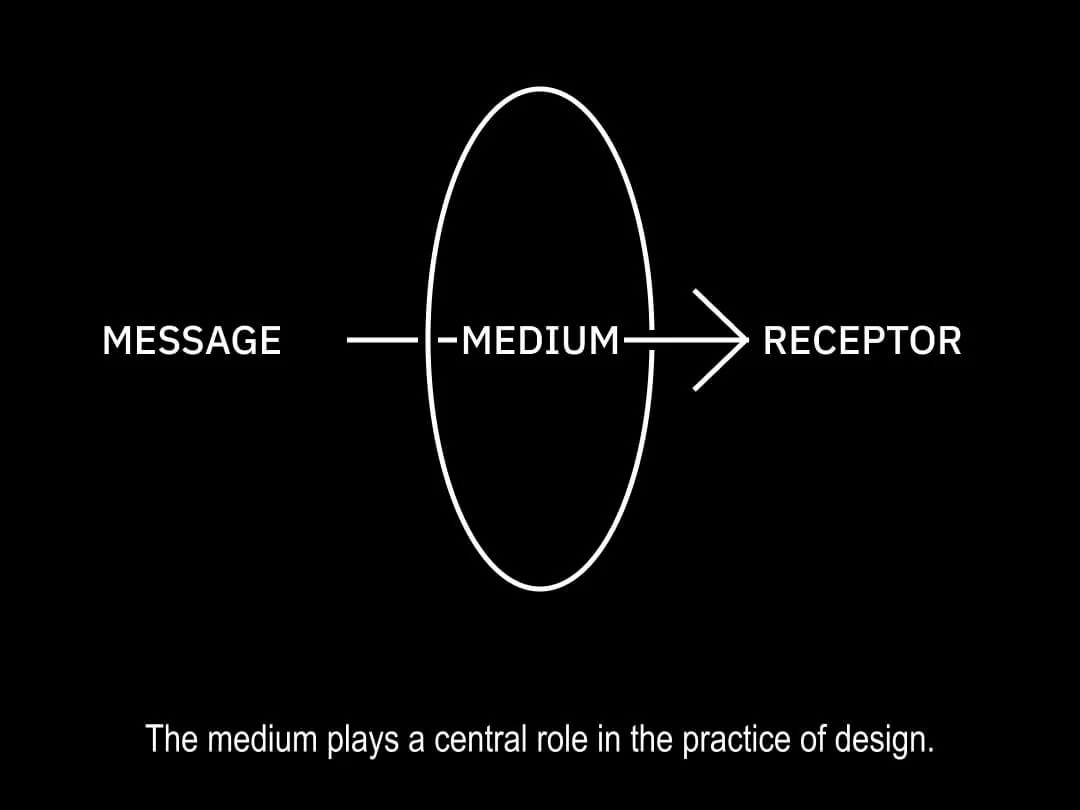
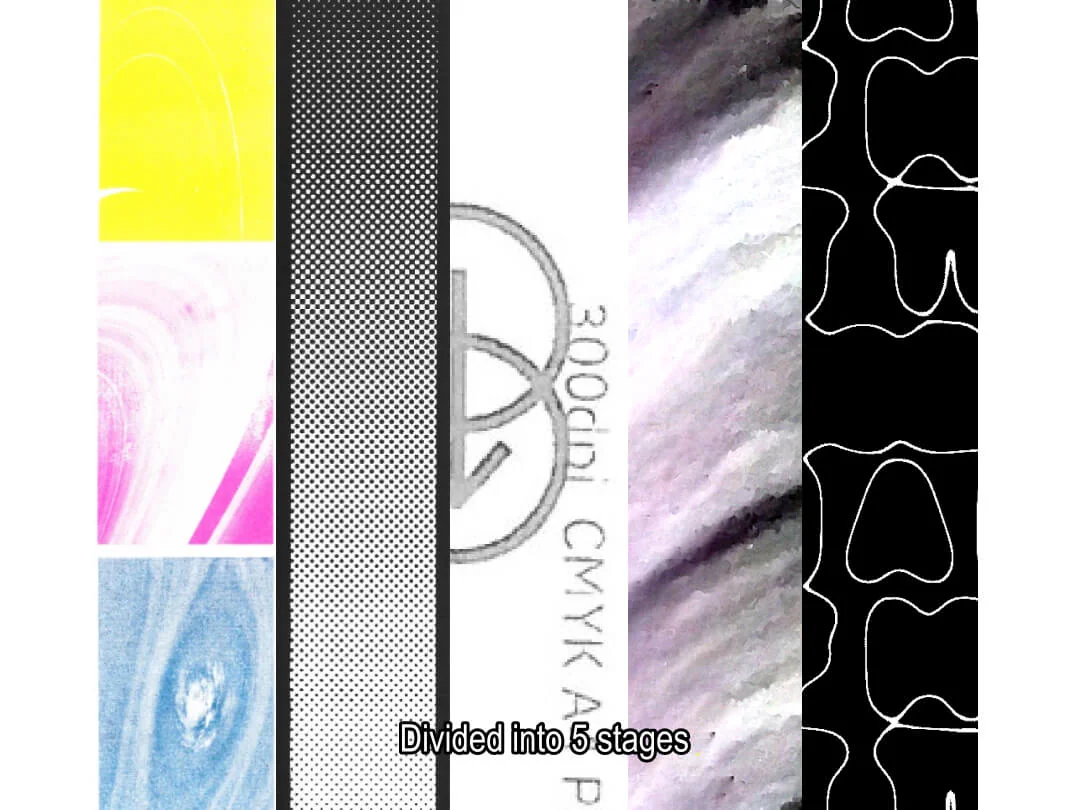
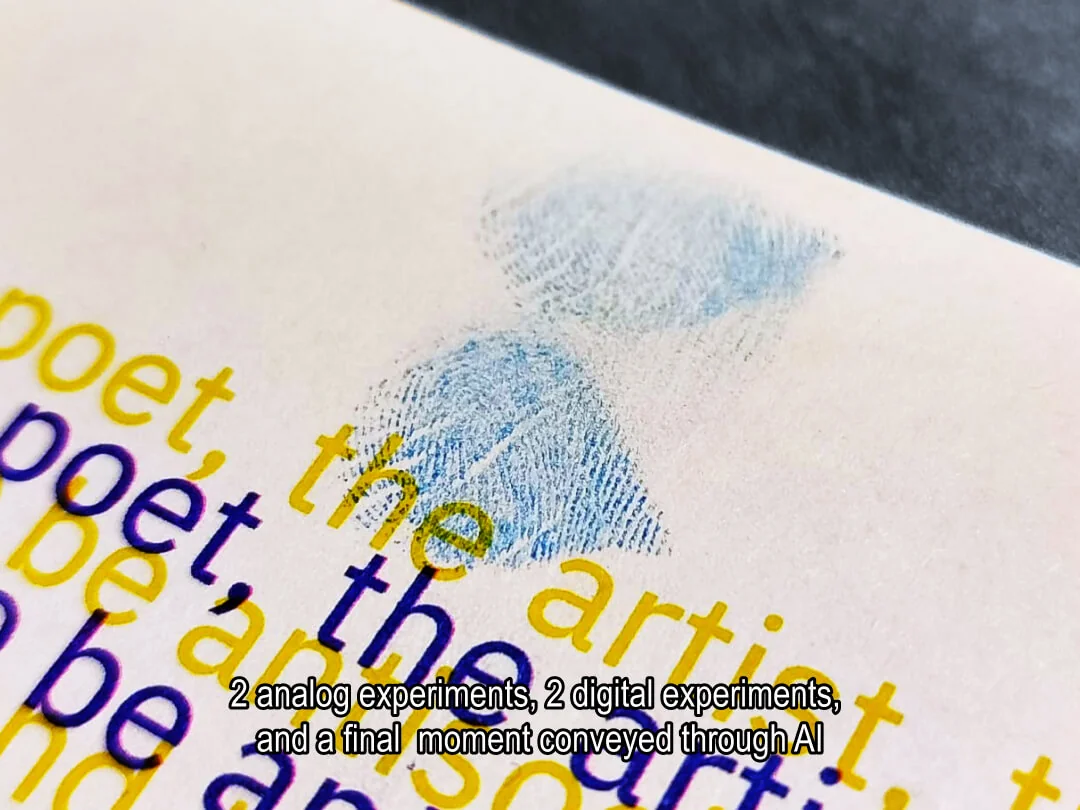
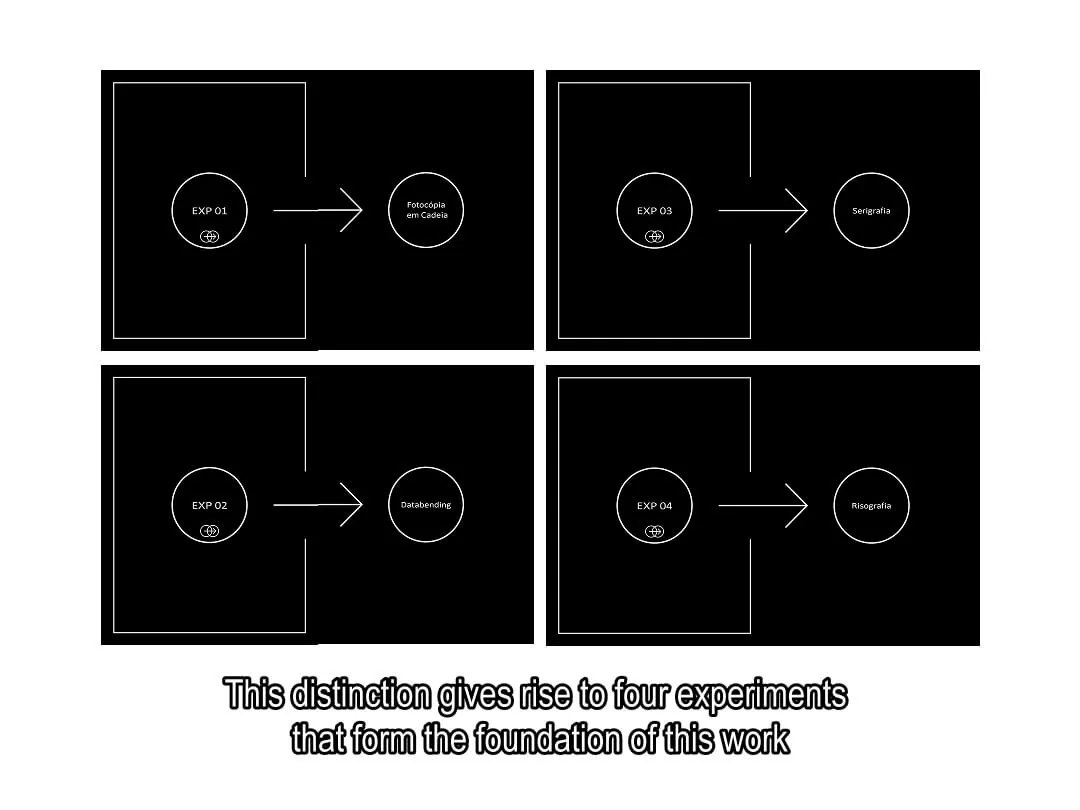
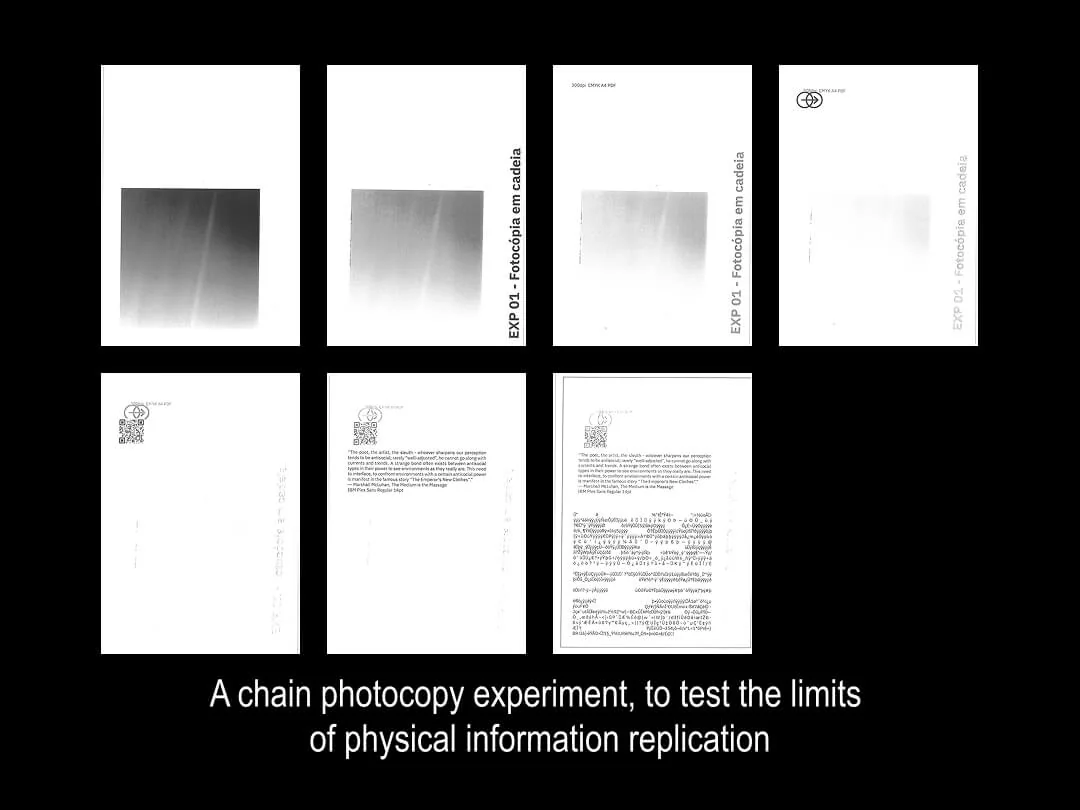
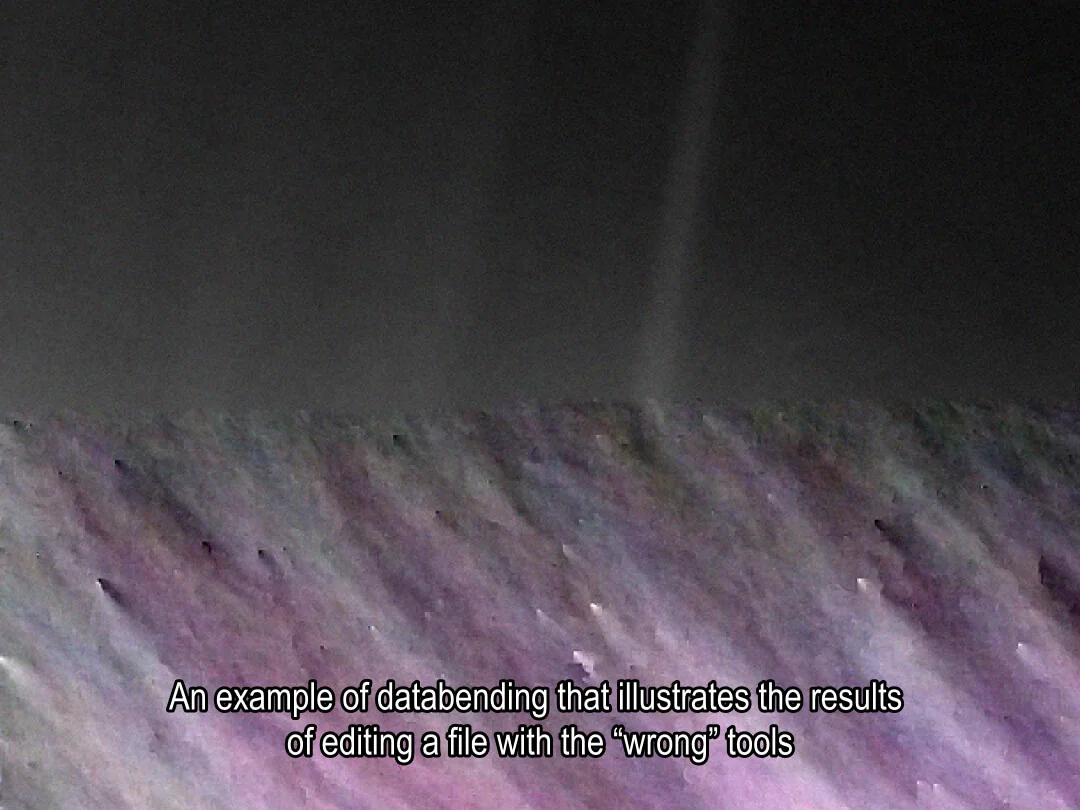
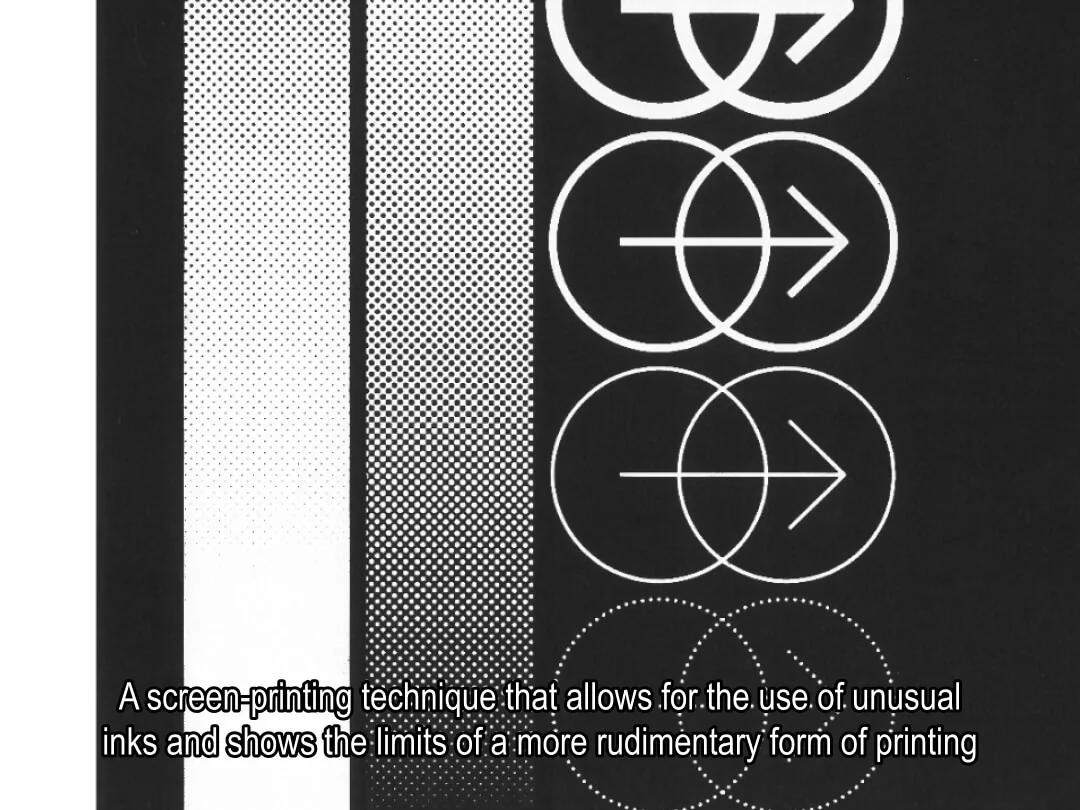
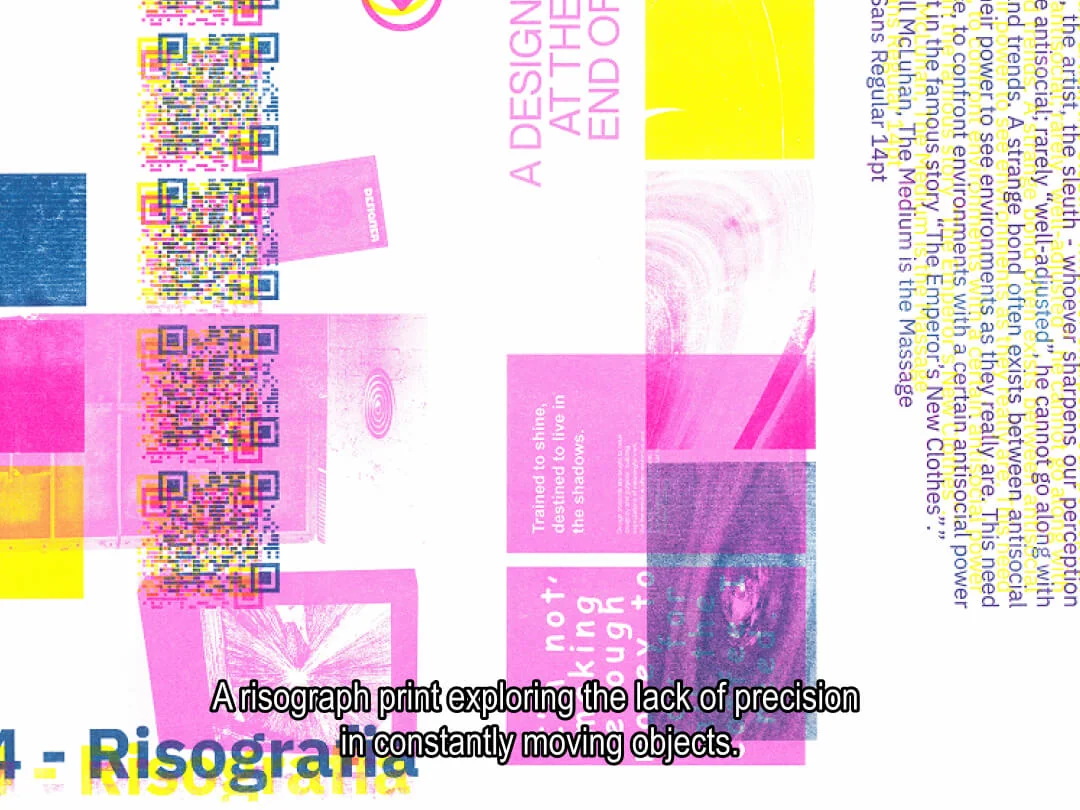
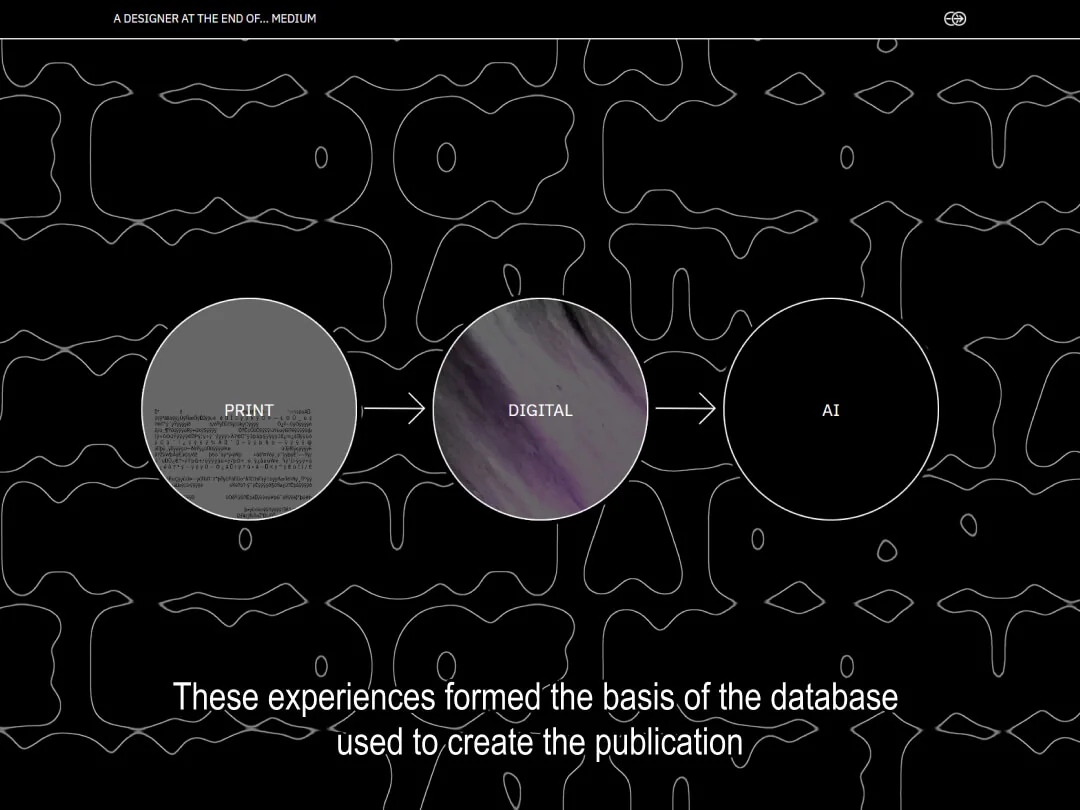
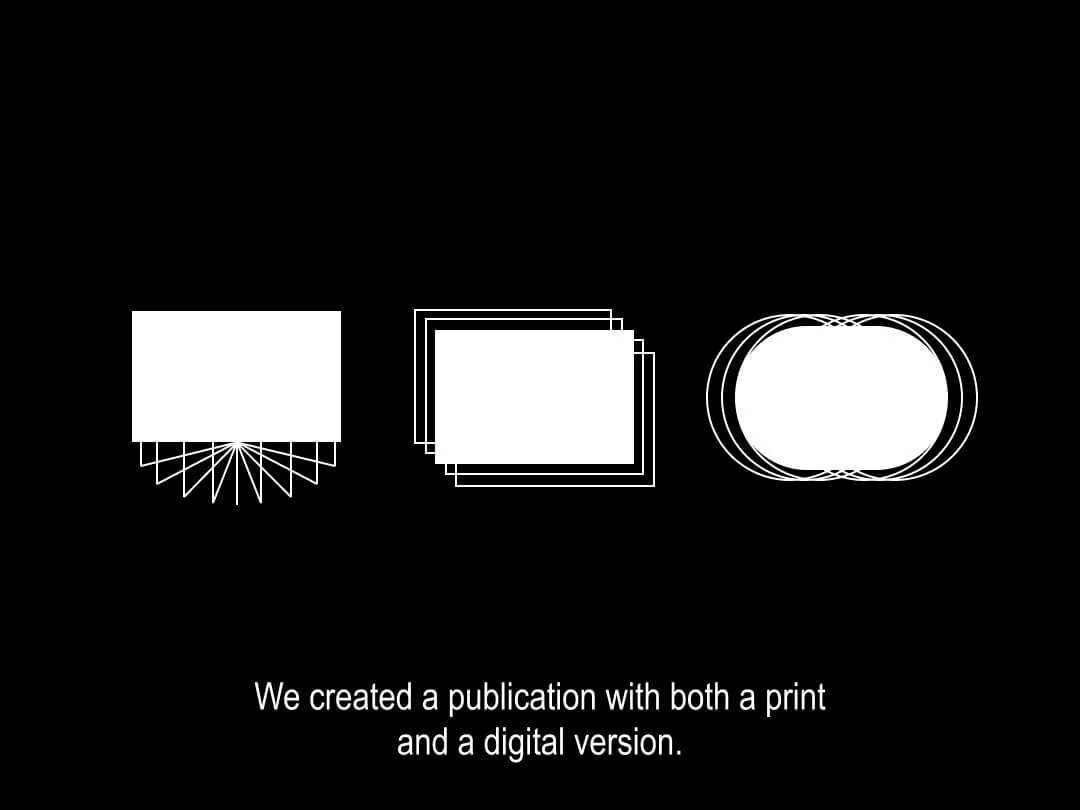
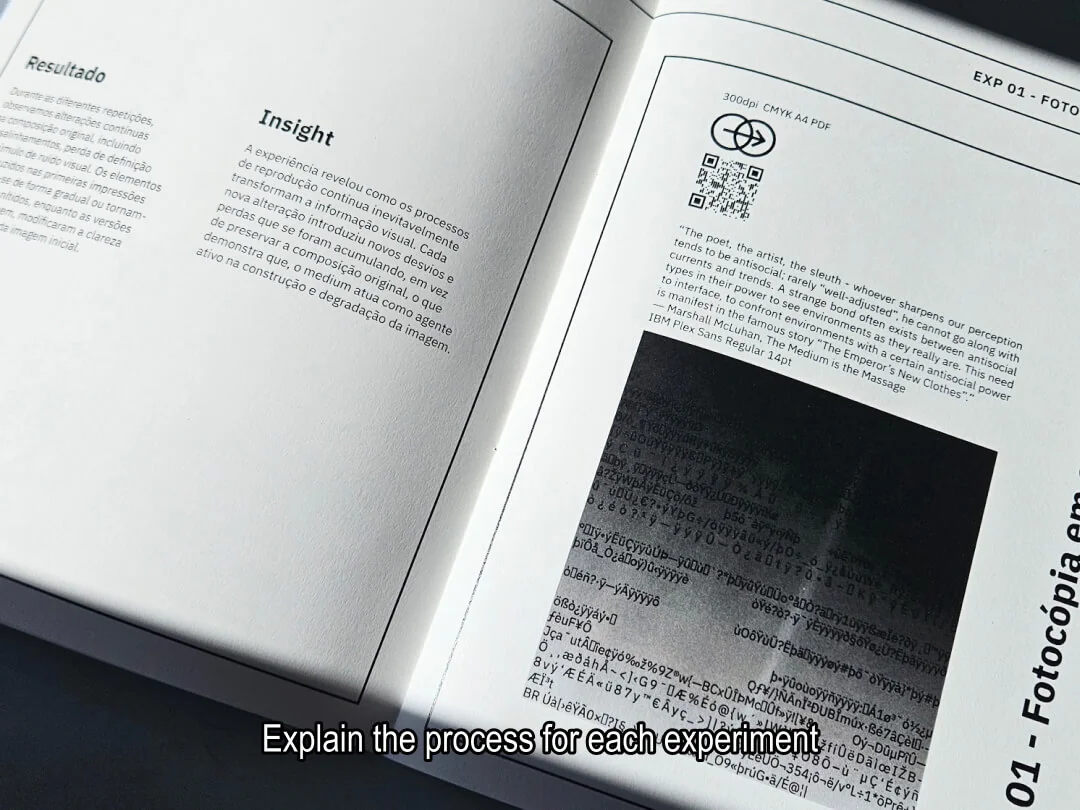
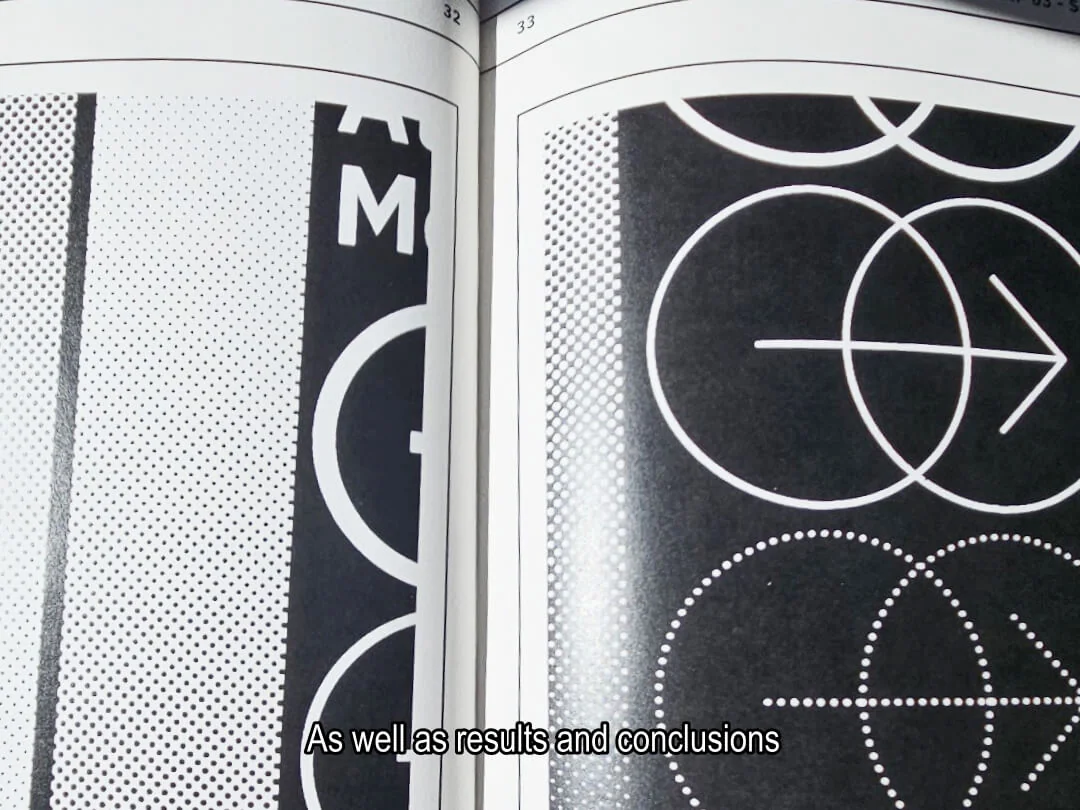
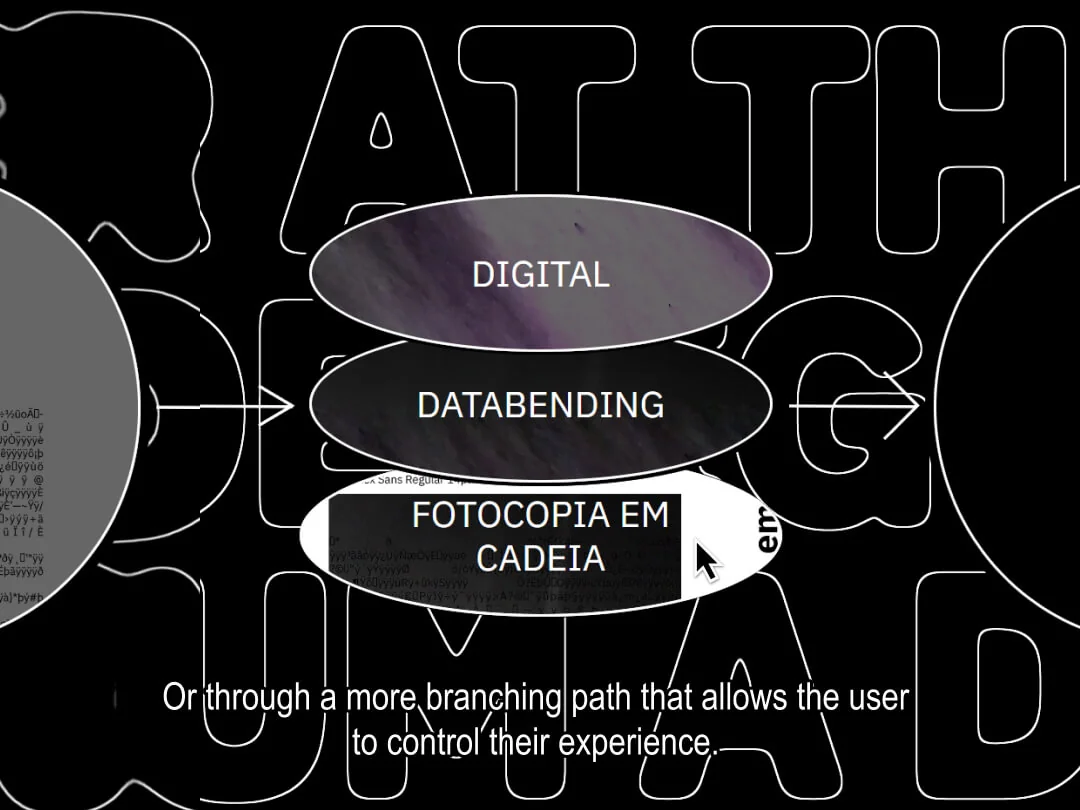
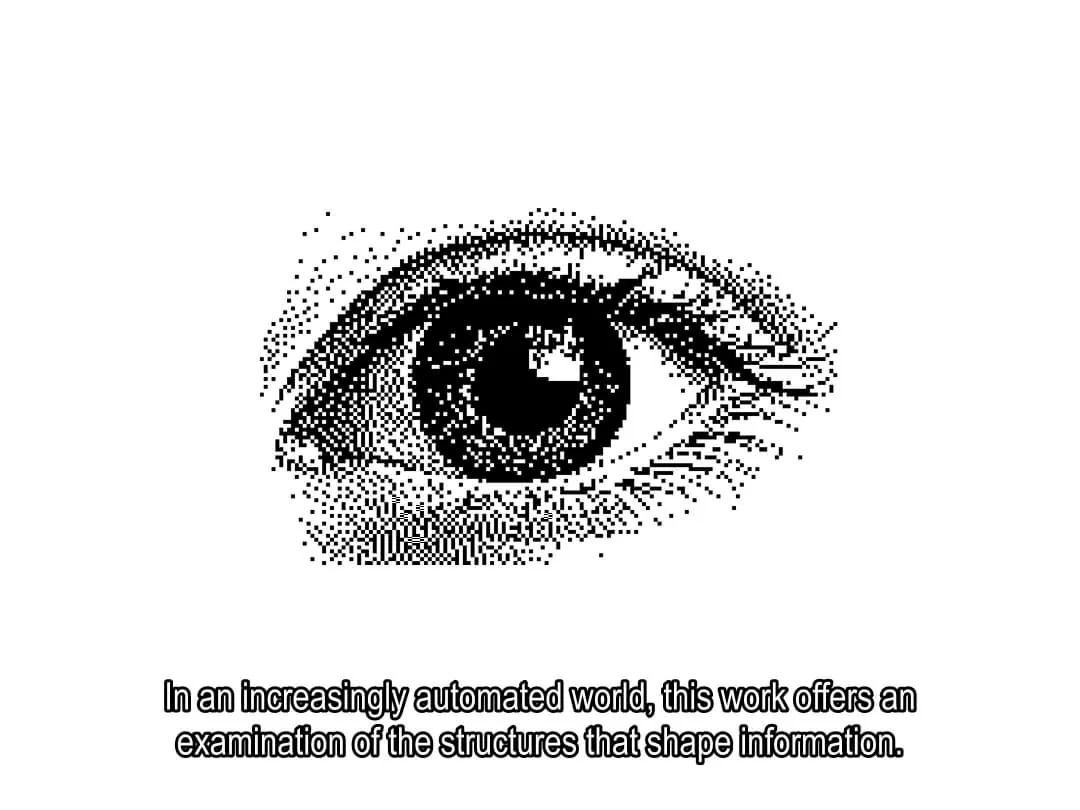
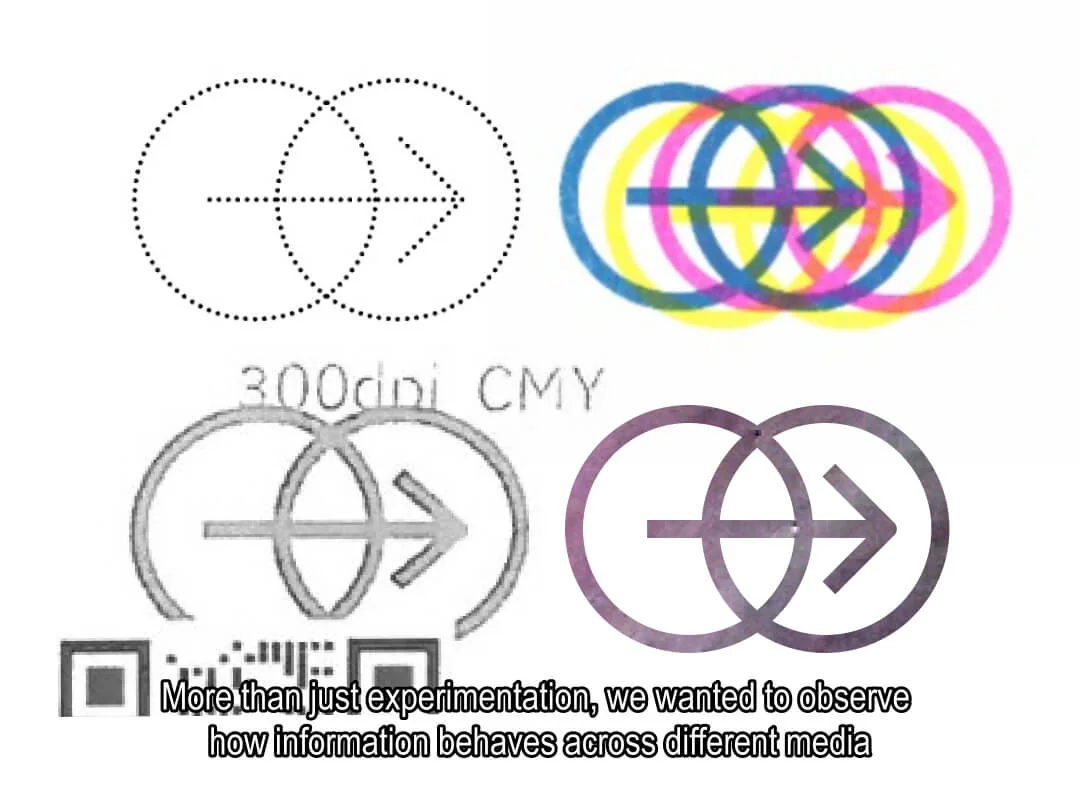
A Designer at the End of Medium explores how information behaves across different media environments: analog, digital, and the most recent AI-based regime. The results of these experiments are the basis of the project, which takes two forms: a publication and a website.

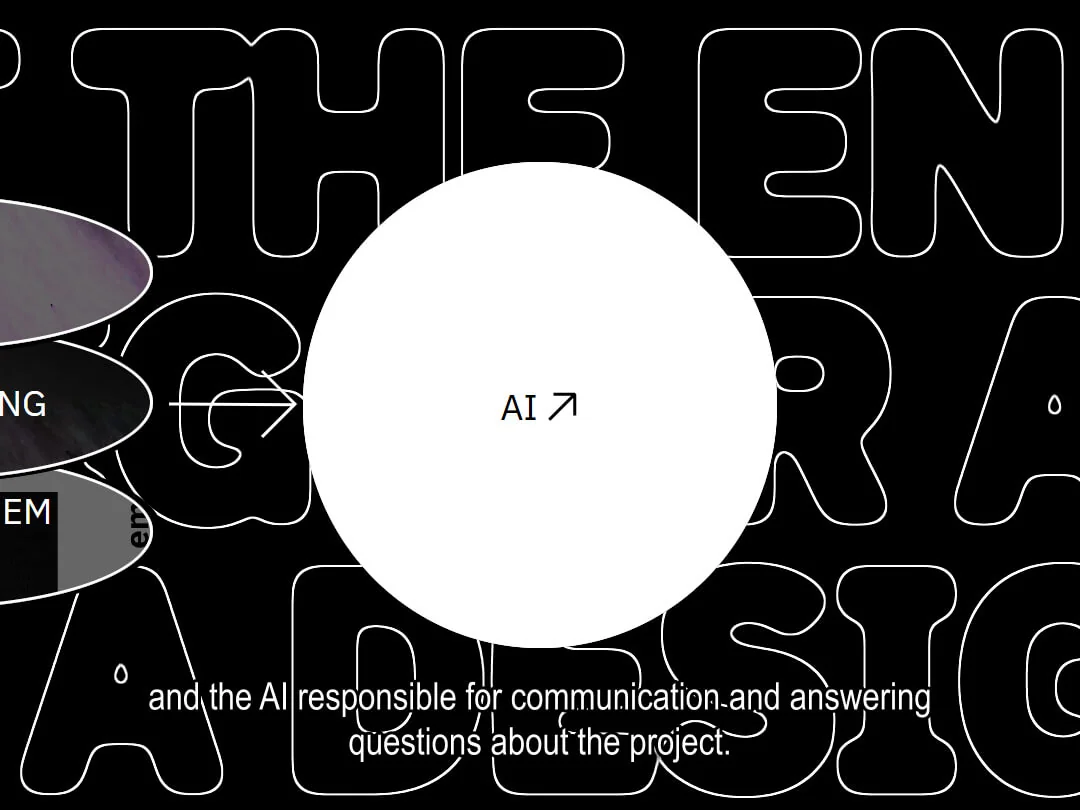
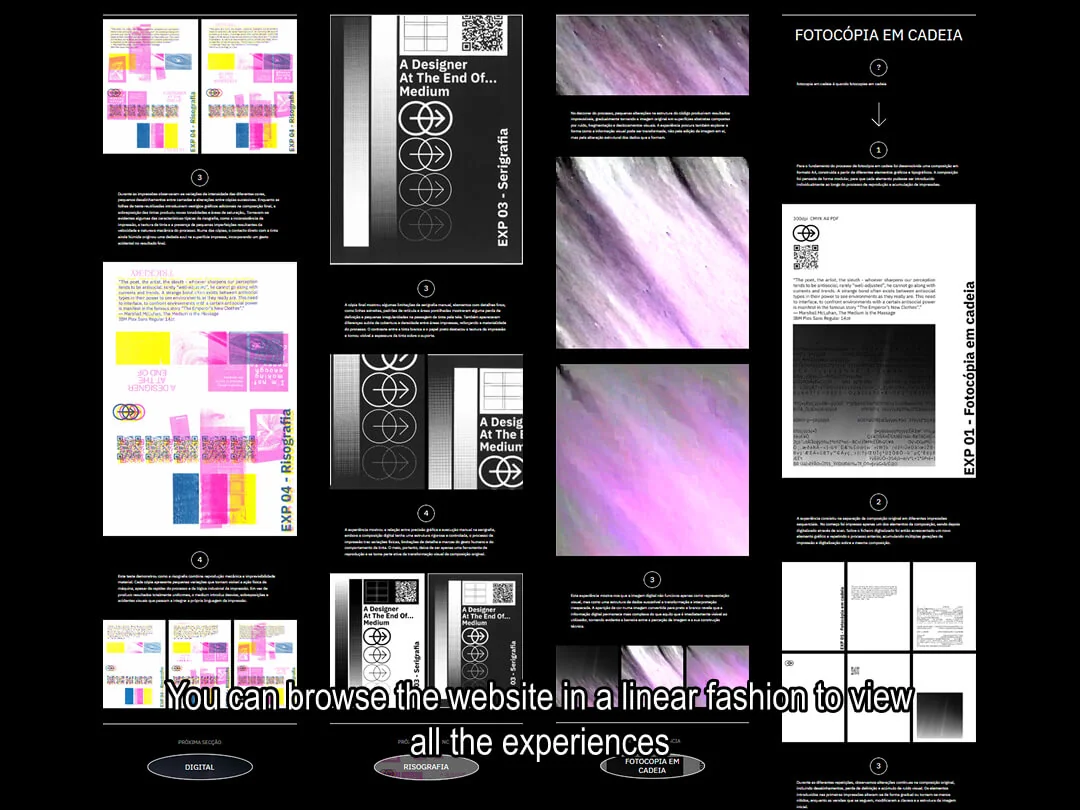
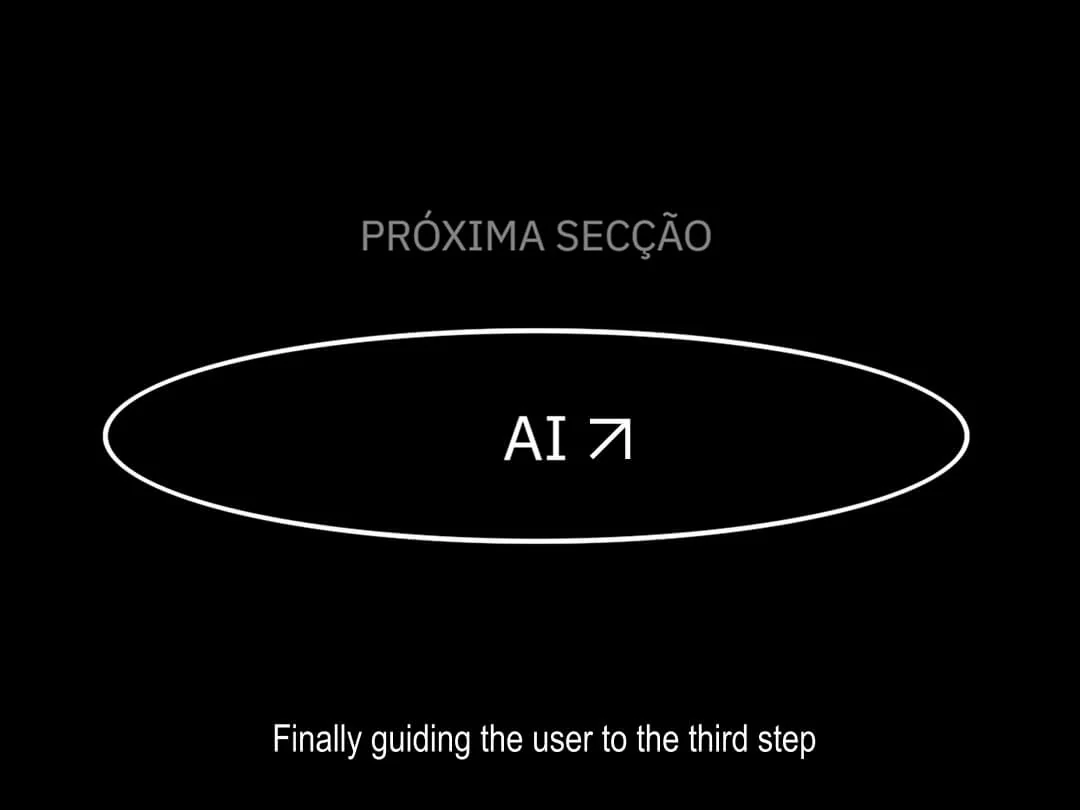
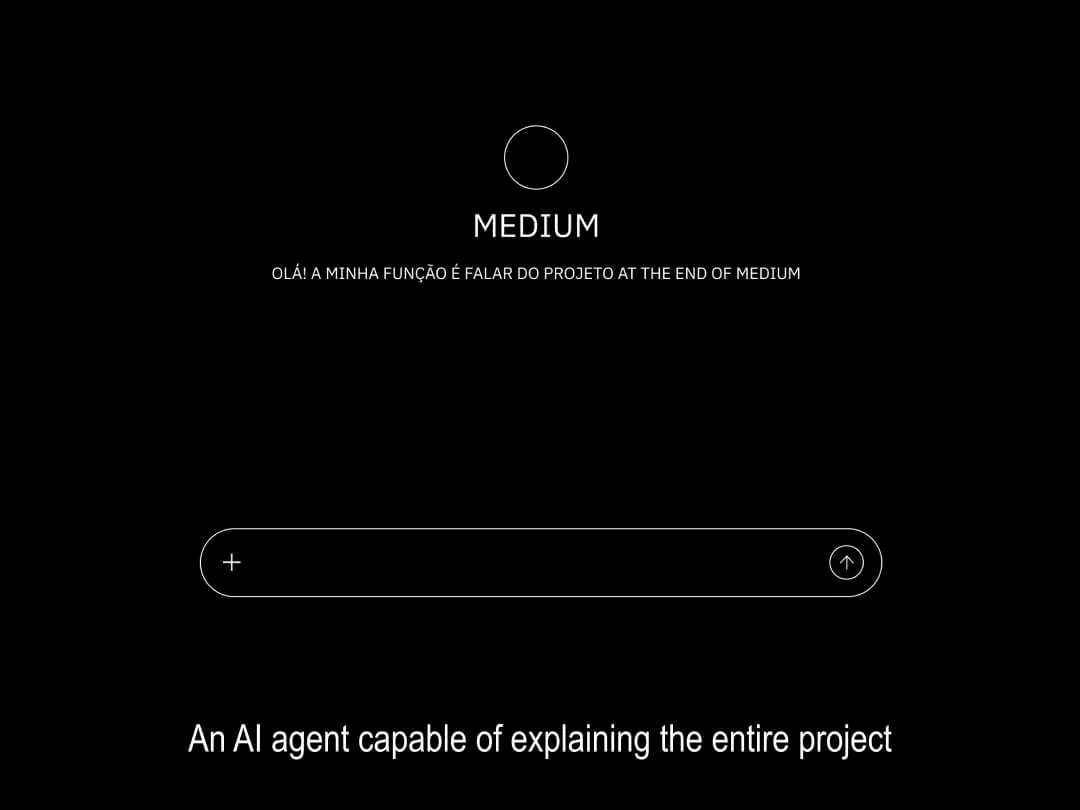
The publication follows a linear structure, presenting the experiments in chronological order. The website, however, offers a different experience, allowing users to navigate its content non-linearly, without a predetermined path. Embedded within the website is an AI agent that has access to both the website and the publication, as well as all the experiments and their results. This enables it to autonomously explain the project, answer questions, and provide insights into the topics explored.

The overarching theme of this project is rooted in the idea that we live in an increasingly automated world. It therefore proposes a deeper examination of the structures that shape the information we interact with every day. More than simply experimenting with different media, the goal was to observe how information transforms when applied to different formats. Sharing these results is an attempt to inspire other designers to step outside their comfort zone and also explore the universe of the medium.

PROJECT BY Lourenço Camões
Ricardo Machaqueiro

close
A DESIGNER AT THE END OF...
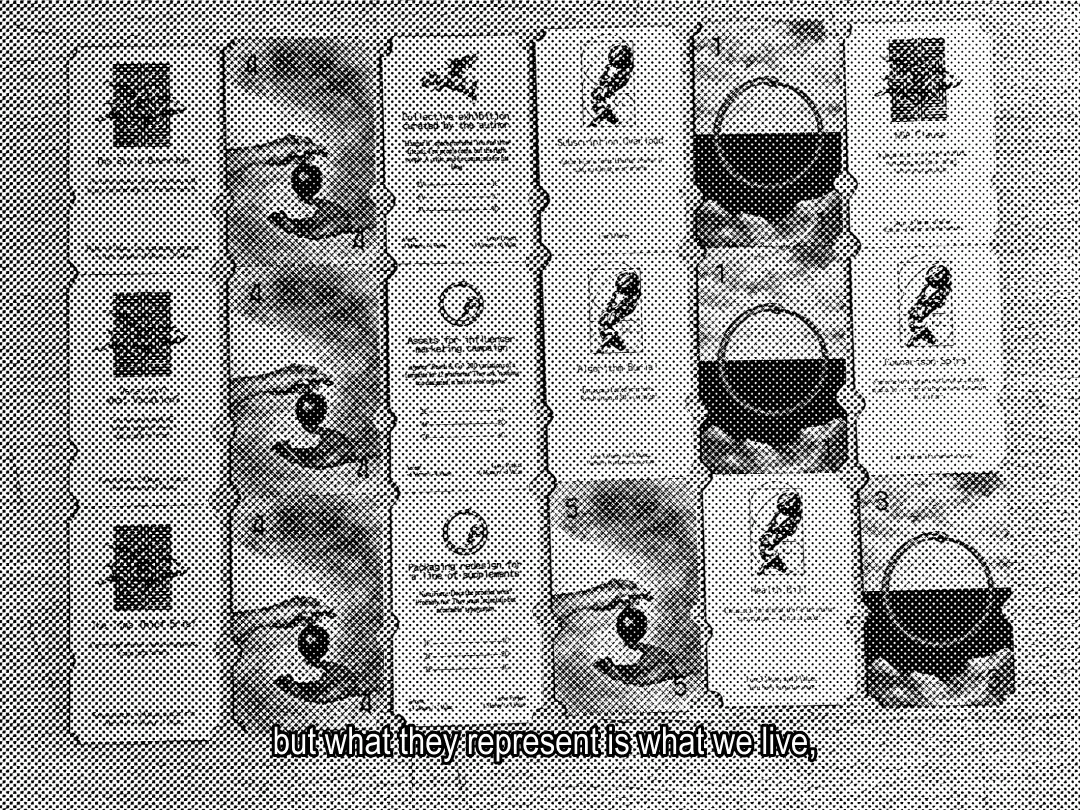
Paych€ck (GAME & TEASER)

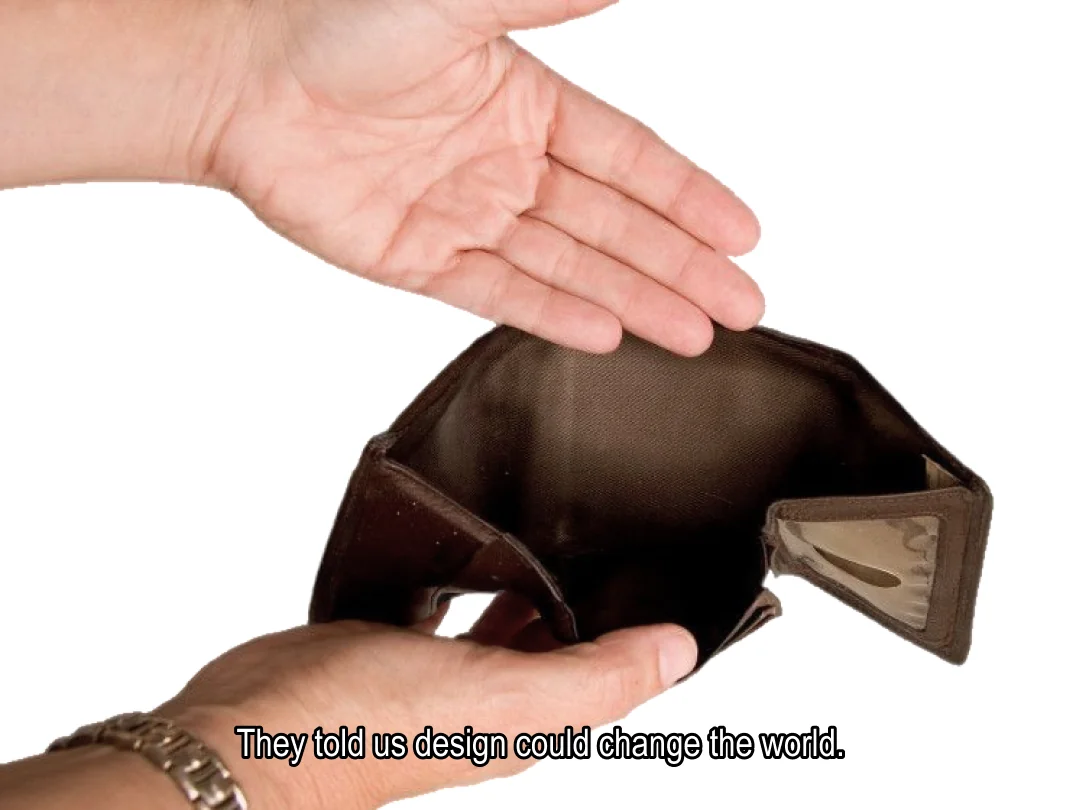
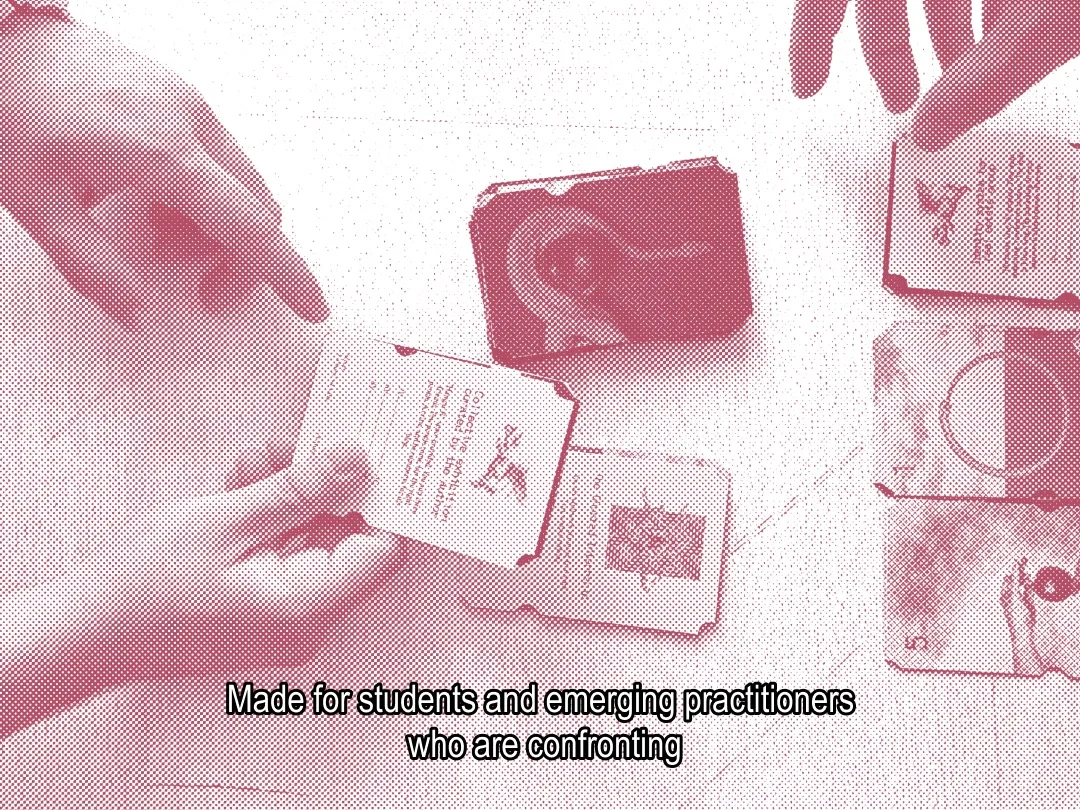
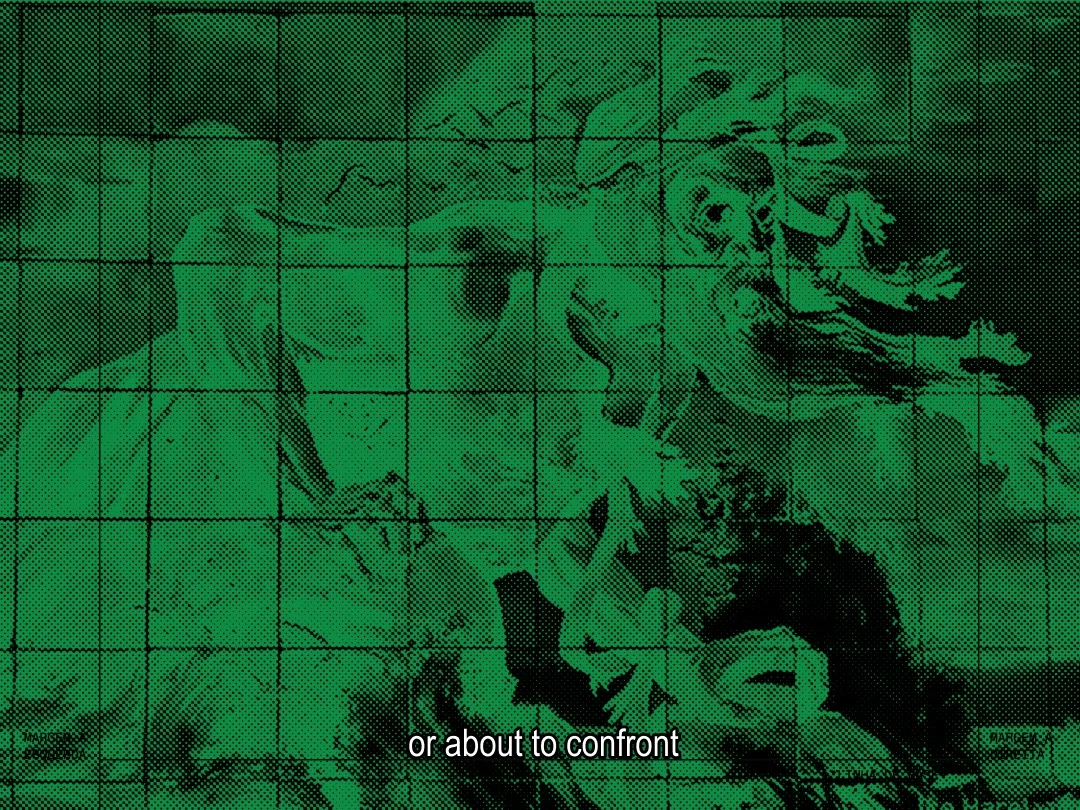
Over the course of three years, we were encouraged to be critical, responsible, and interventive, questioning the role of the designer and the power of design. Then came the rent. The bills. The end of the month.

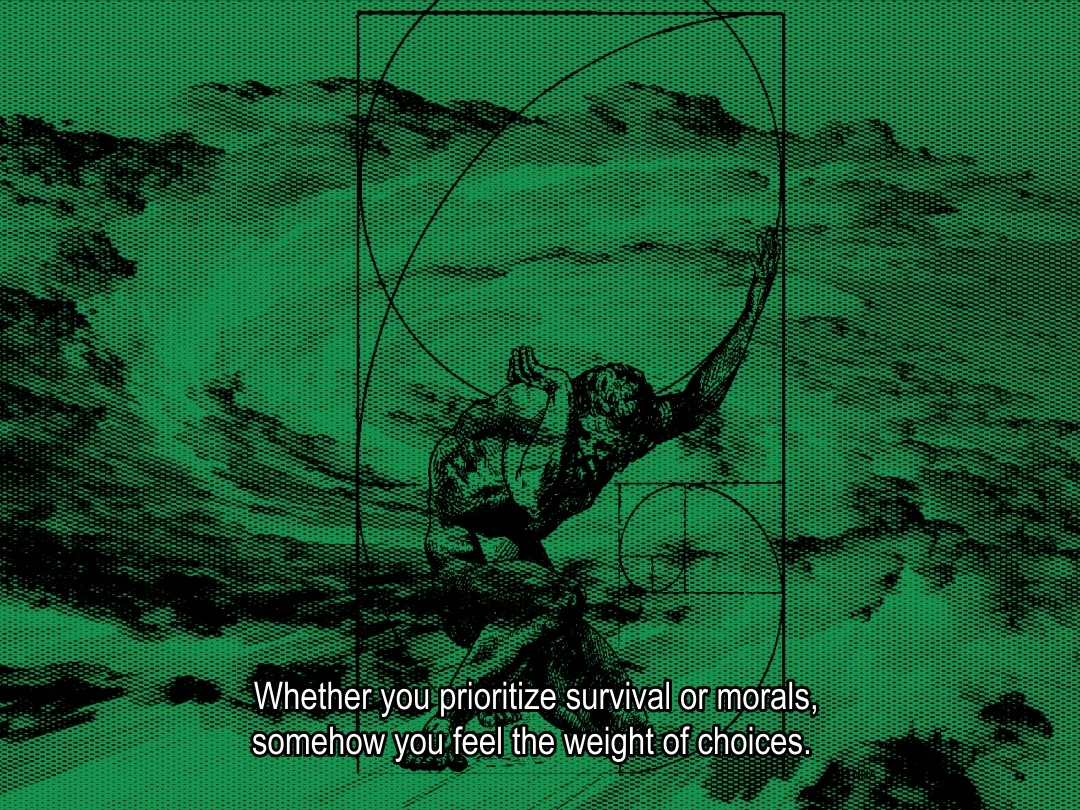
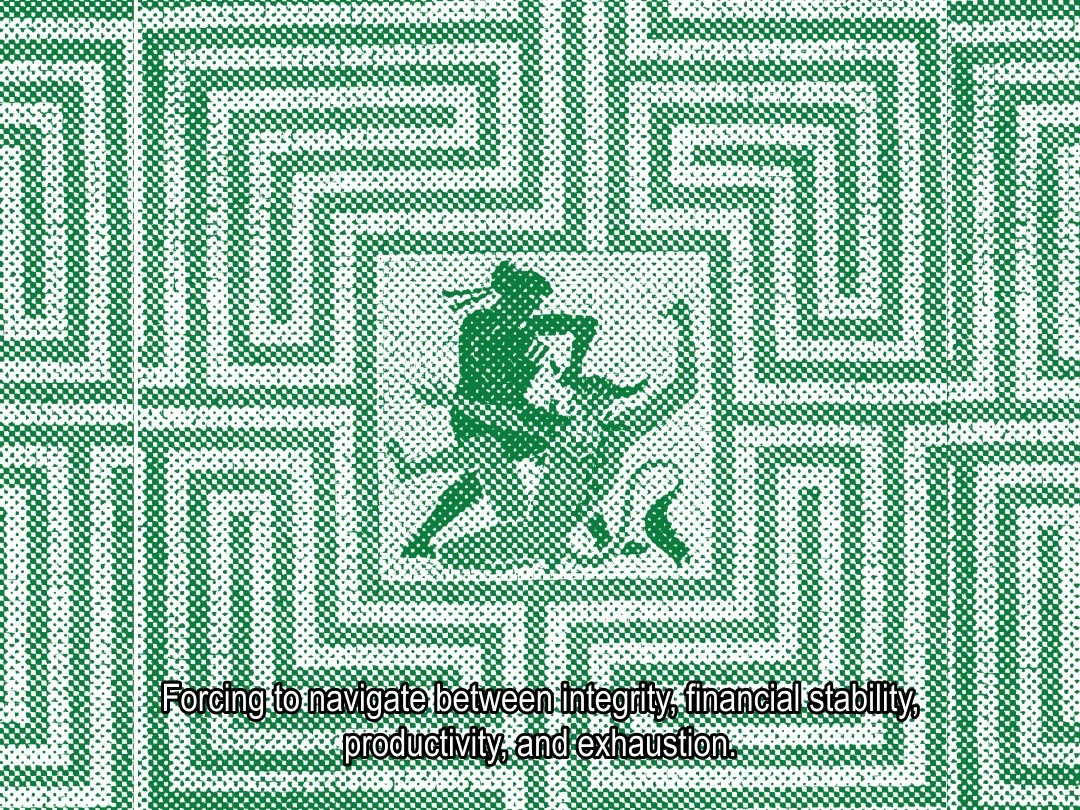
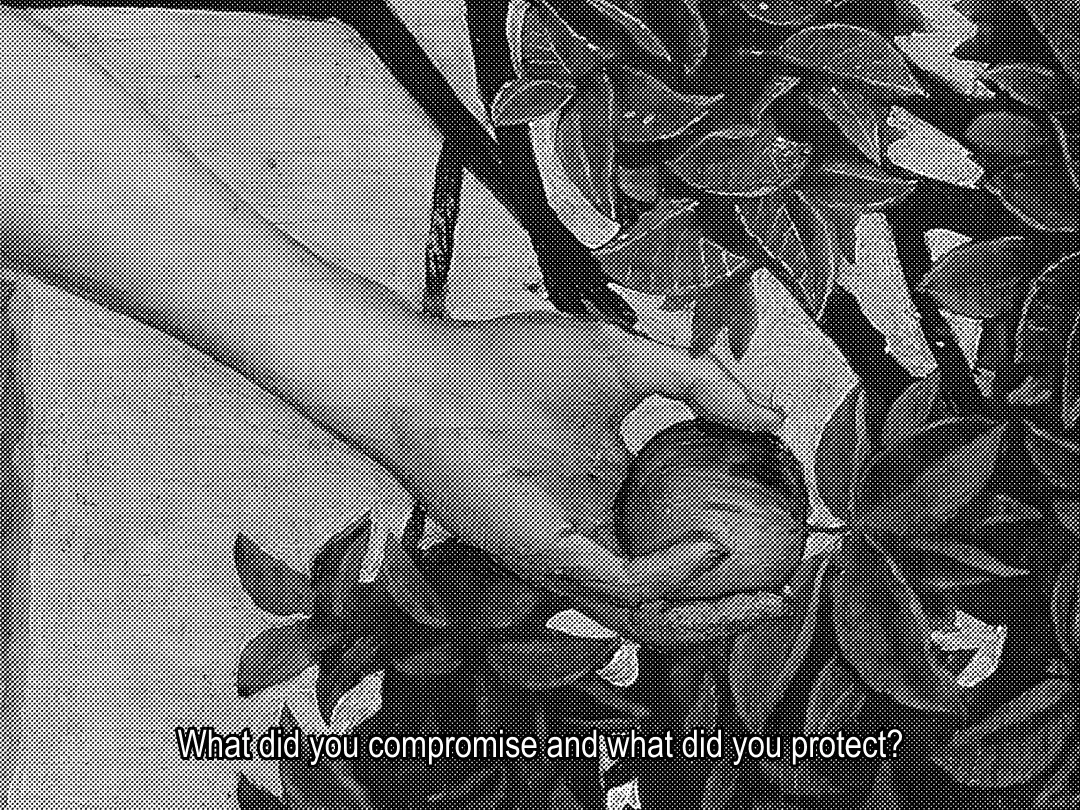
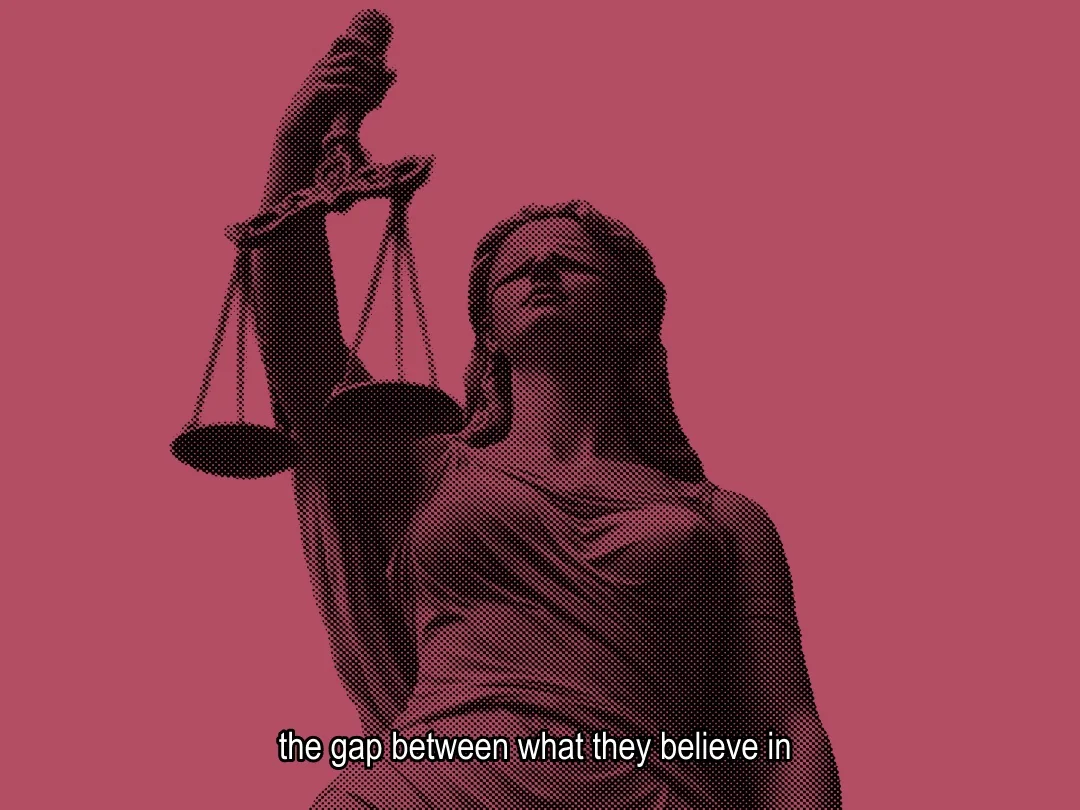
A Designer at the End of Paych€ck is born from this confrontation: the gap between the ideals taught during a bachelor's degree and the professional reality that follows. A dilemma that pits your values against financial stability, forcing you either to give up economic security or to embrace the very system you learned to criticize. Is it possible to reconcile the integrity of practice with the need to survive?

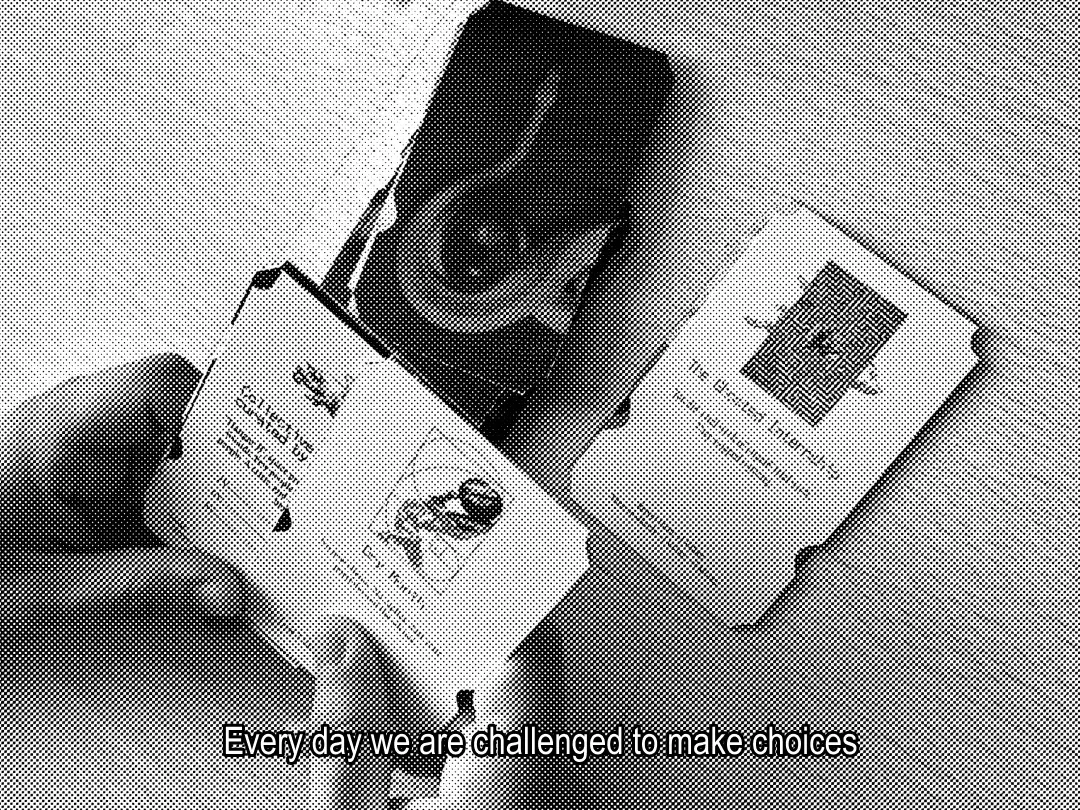
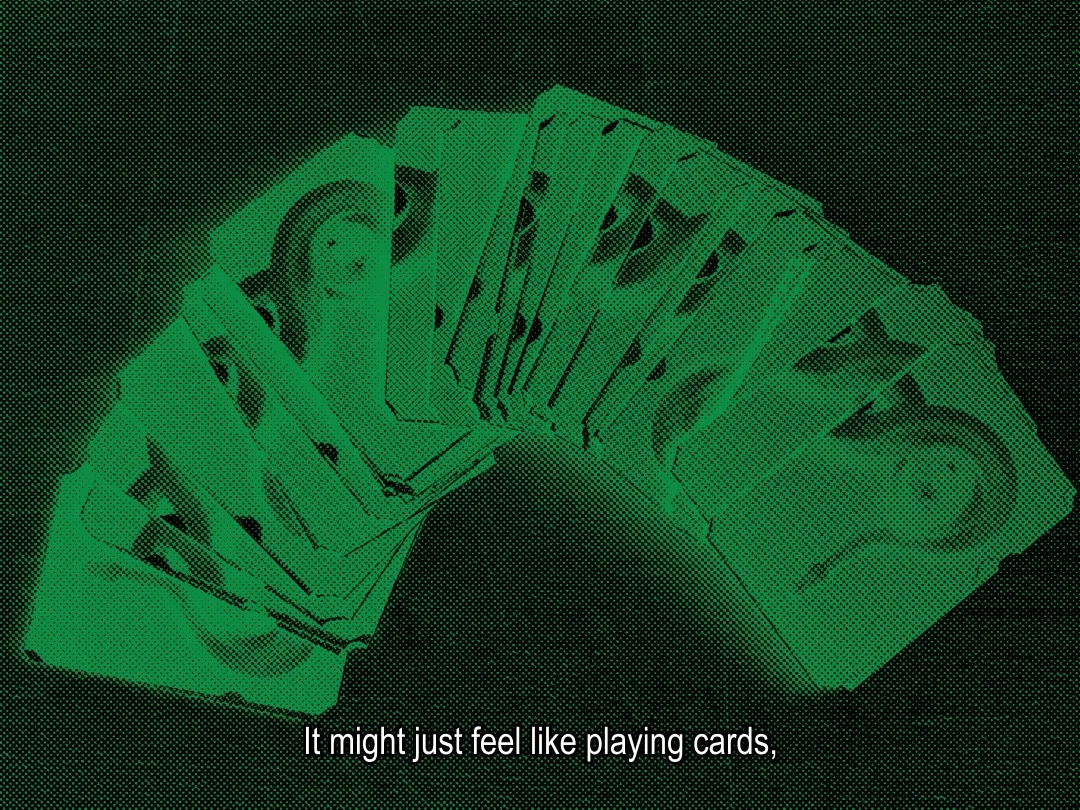
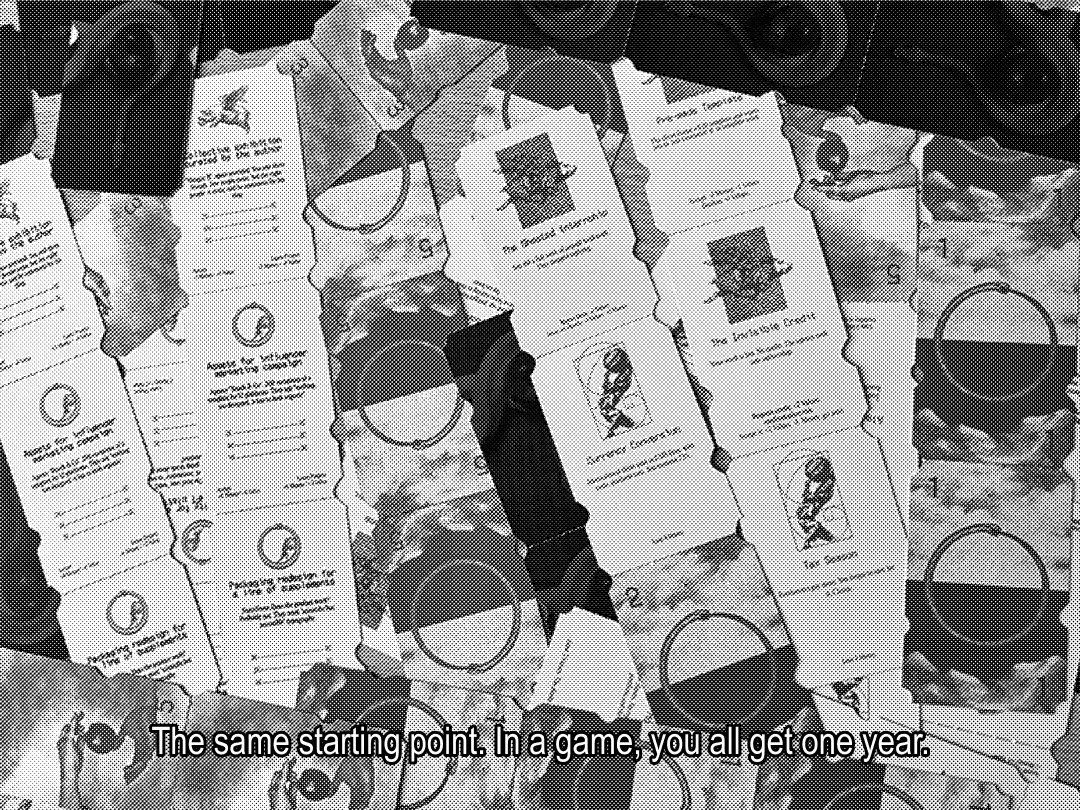
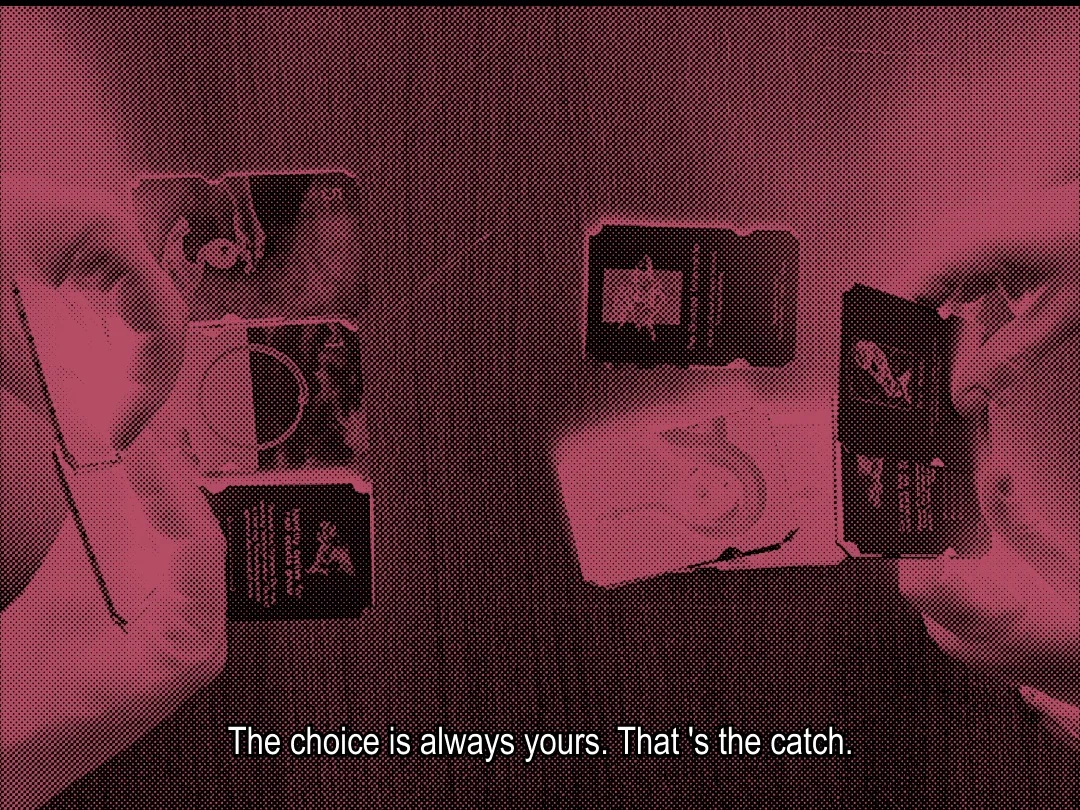
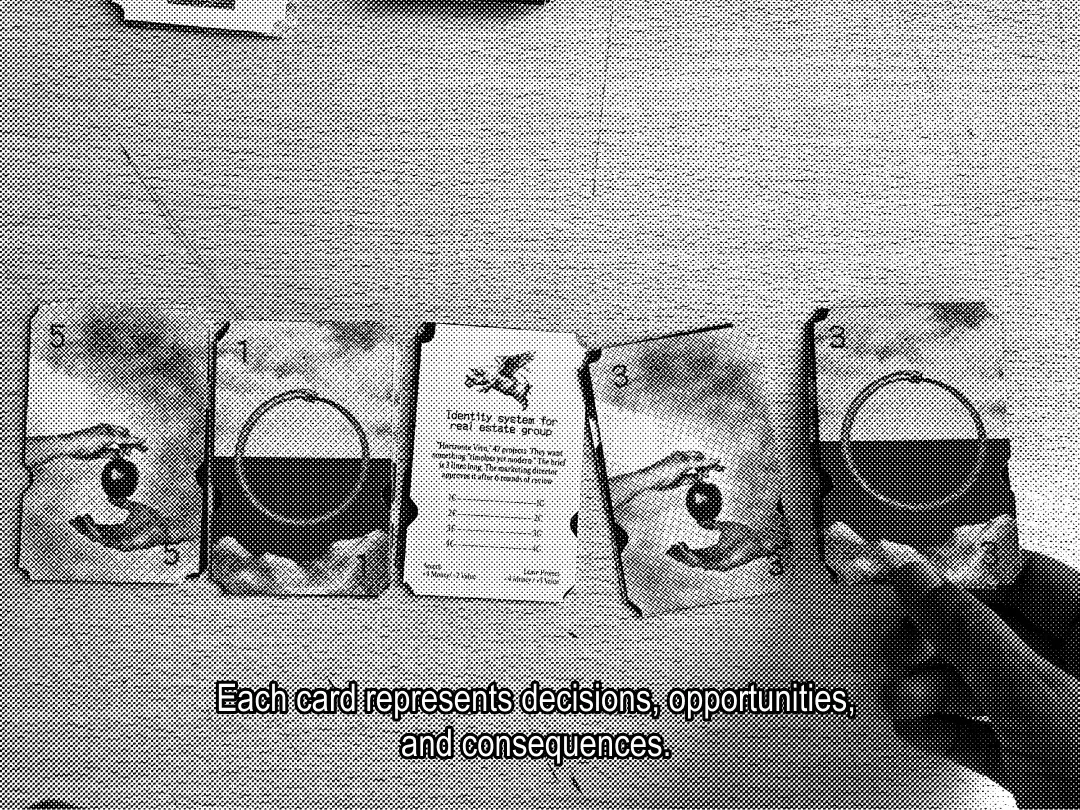
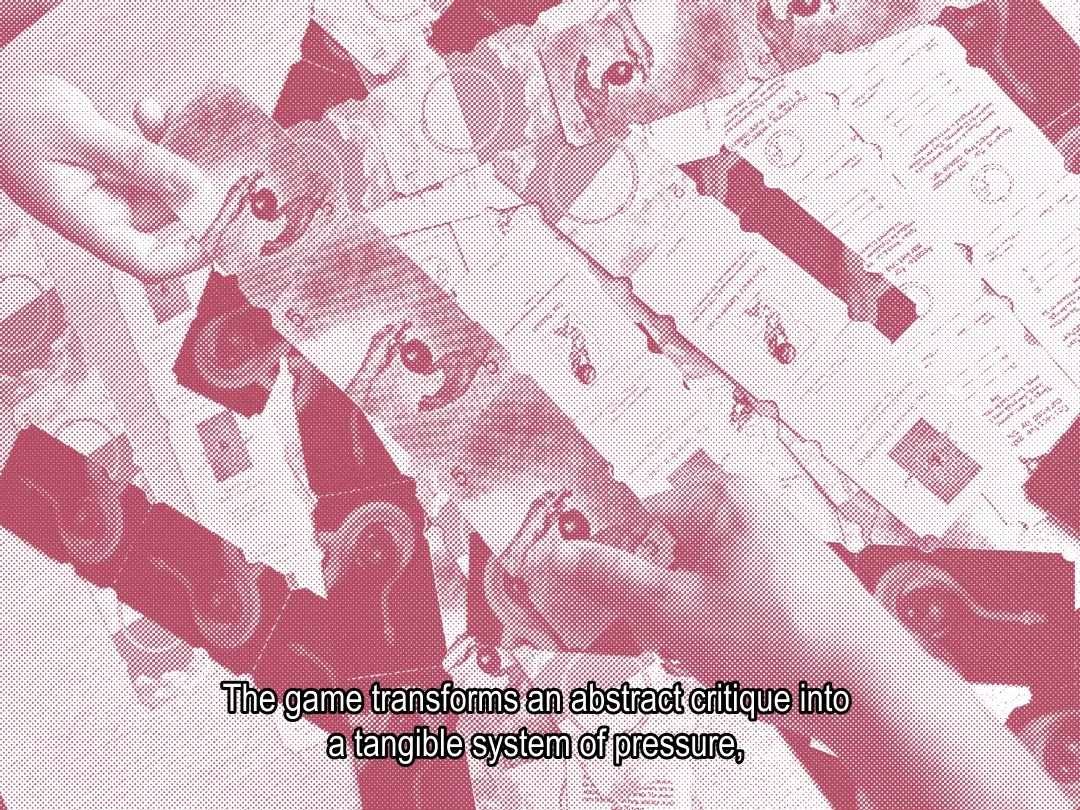
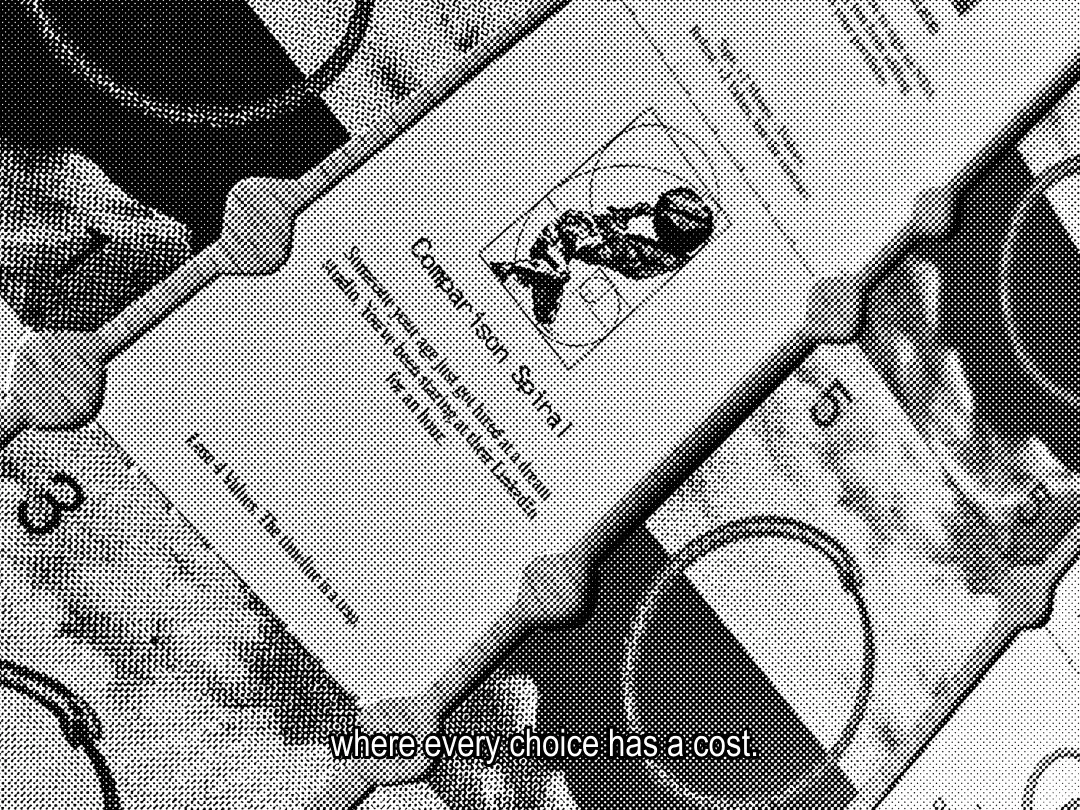
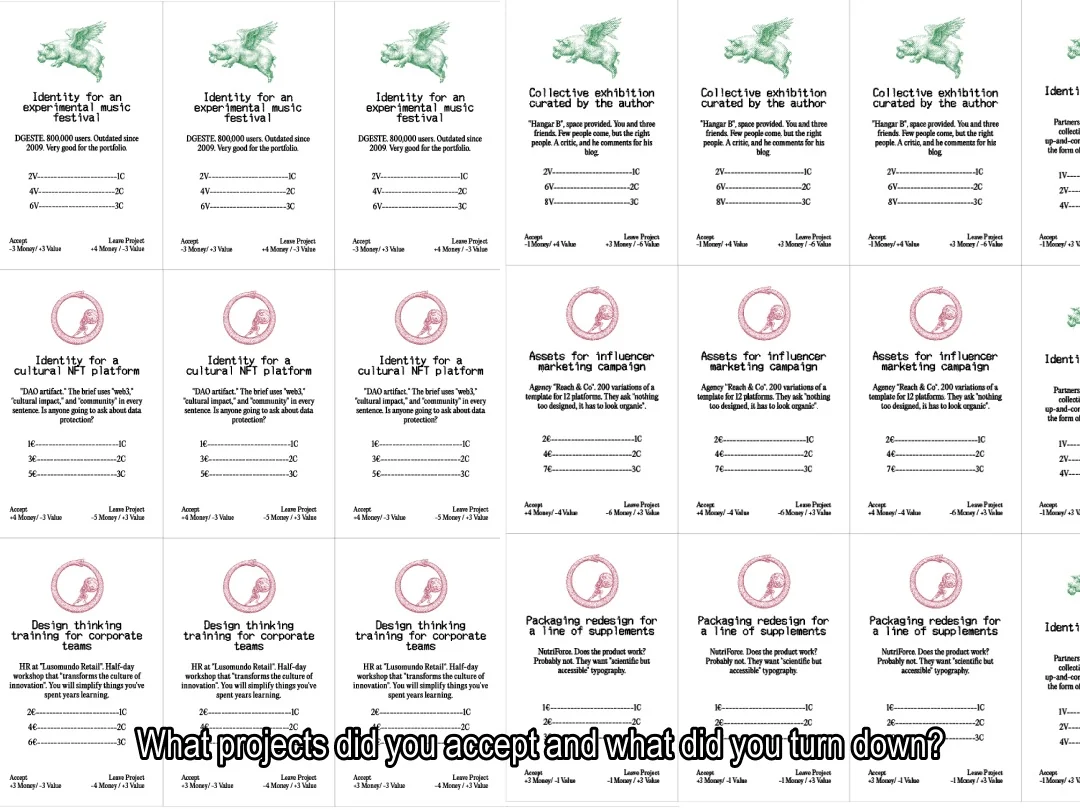
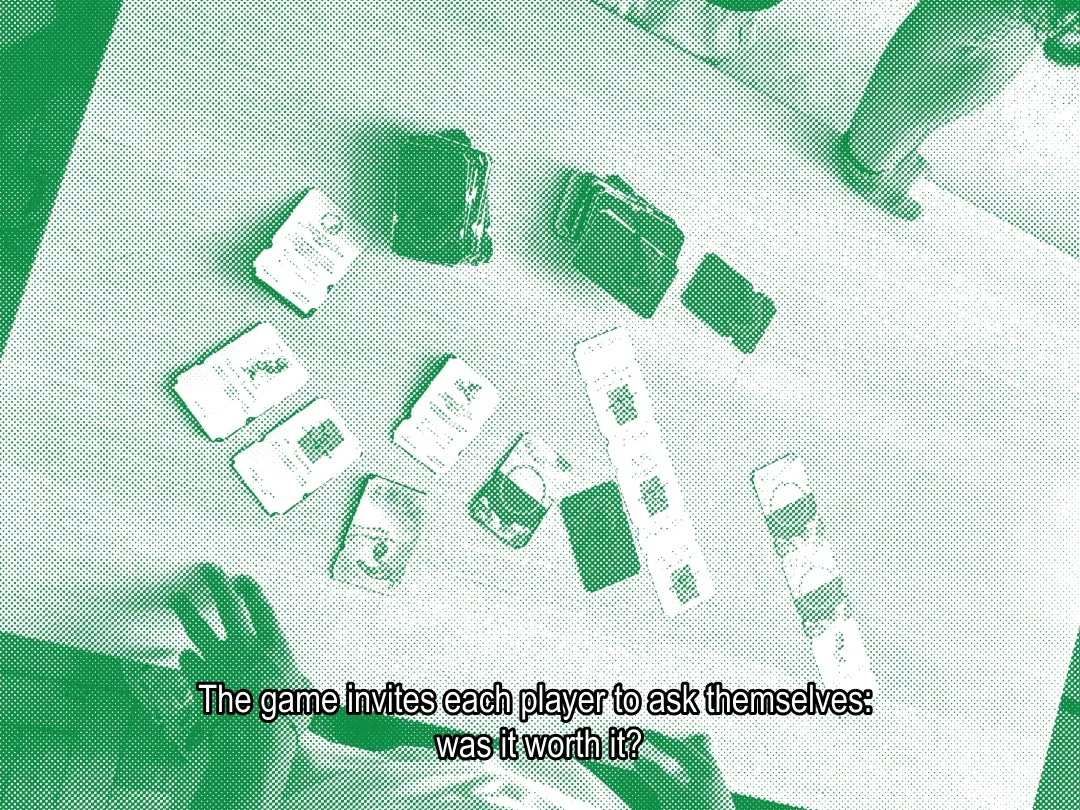
The project transforms this critique into an experience. Through a card game, each player navigates a year of professional decisions, accepting or rejecting projects, managing resources, and balancing values with financial realities. Every choice has a cost.

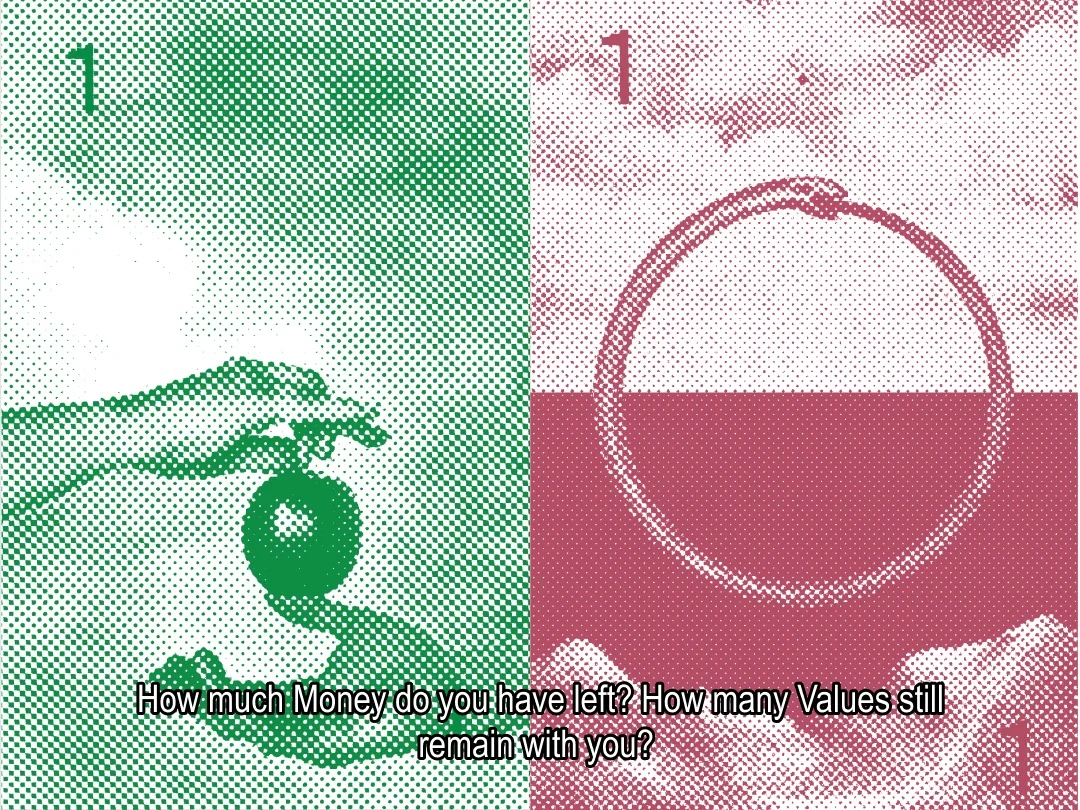
In the end, there is no winner. Only the reflection of what each person became in order to survive. How much are we willing to compromise before the next paych€ck?

PROJECT BY Madalena Leitão
Marcos Afonso
Pedro Ribeiro
Vasco Guerreiro

close
A DESIGNER AT THE END OF...
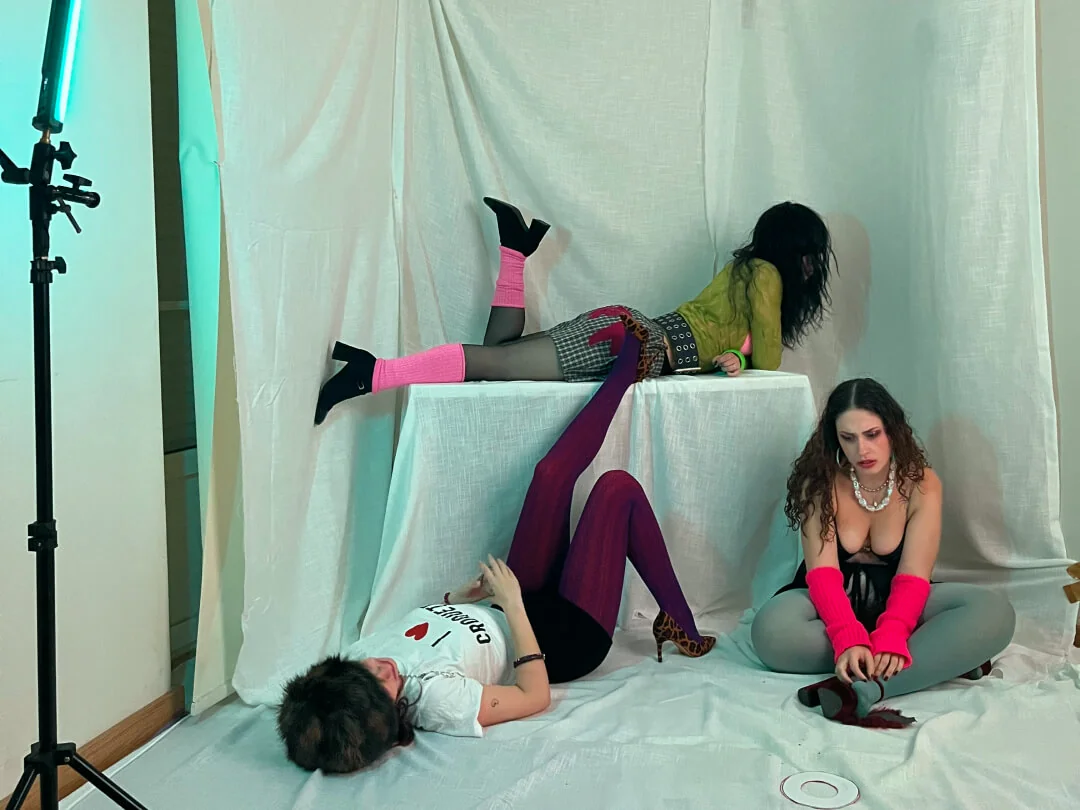
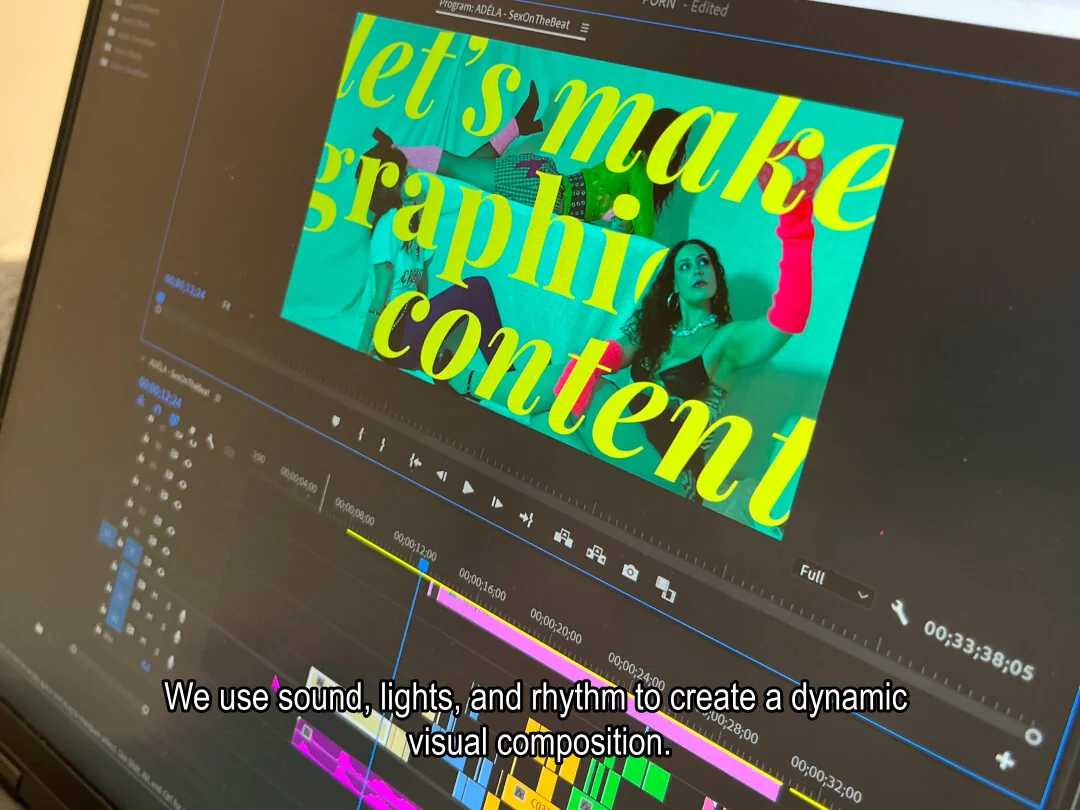
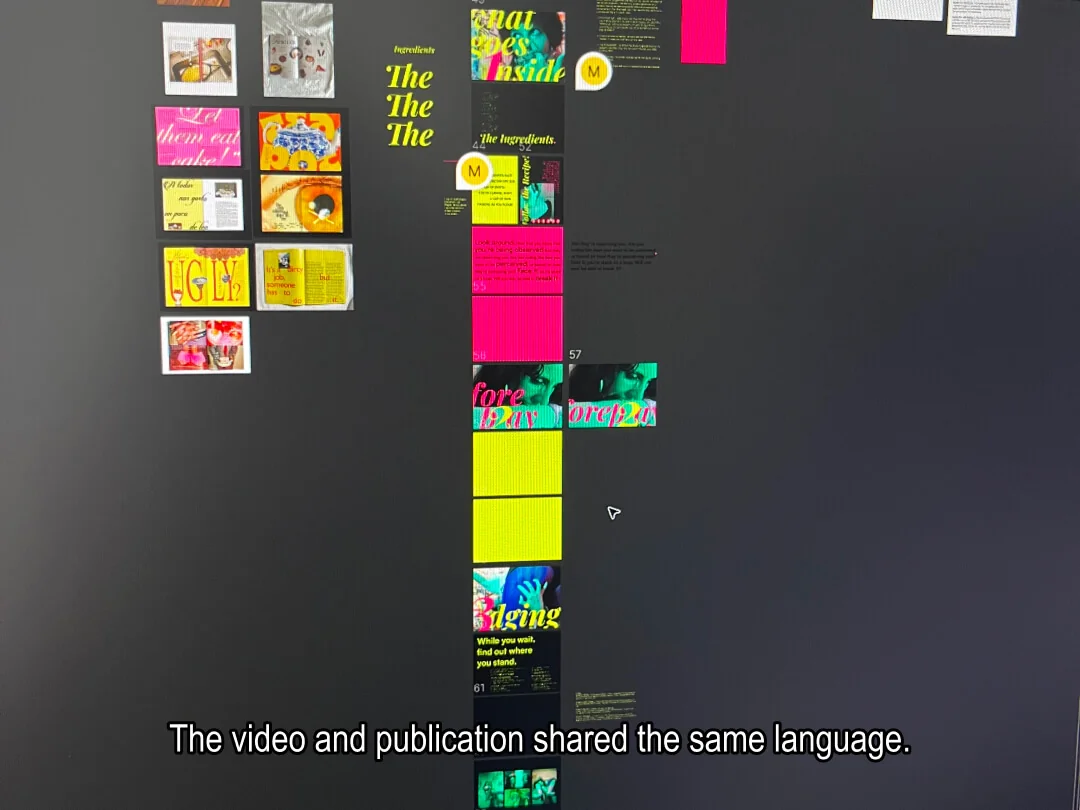
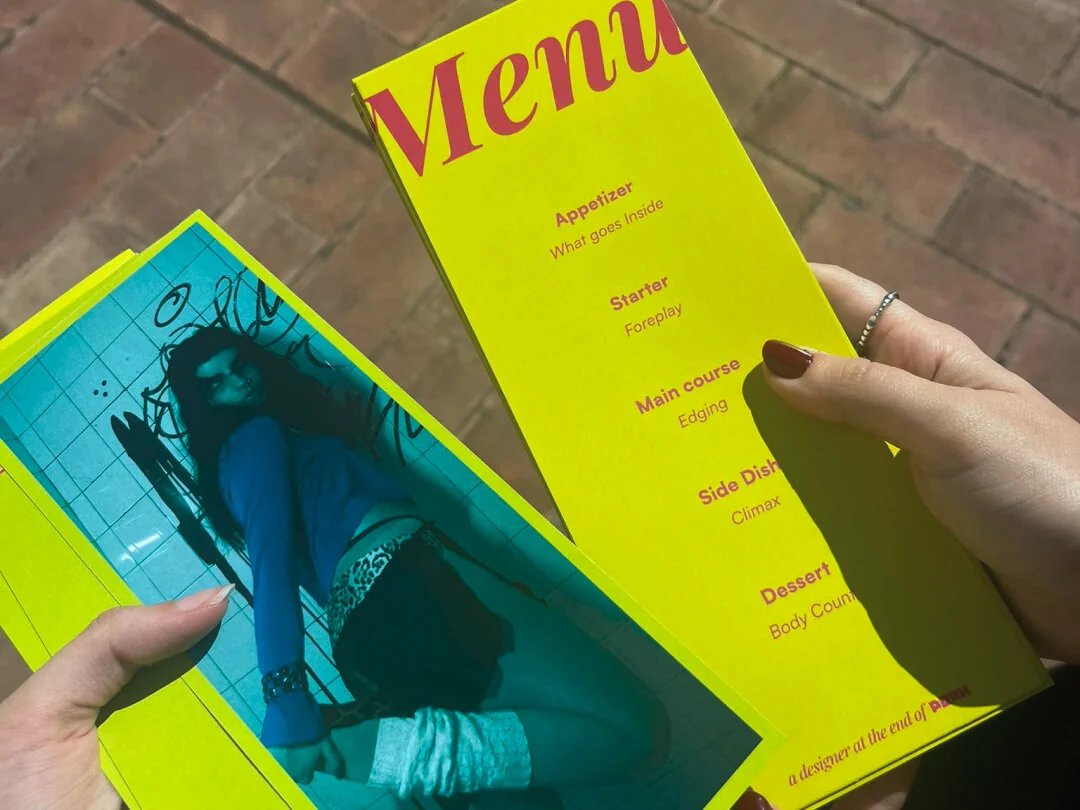
Porn (PUBLICATION & AUDIOVISUAL)

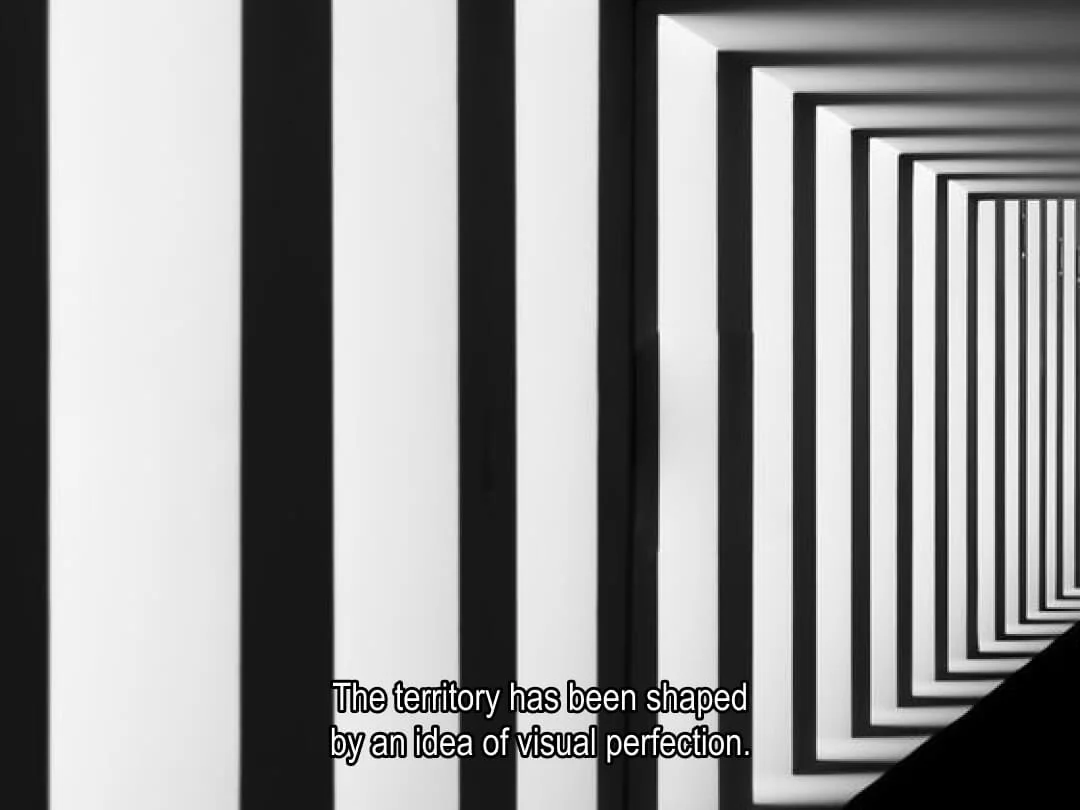
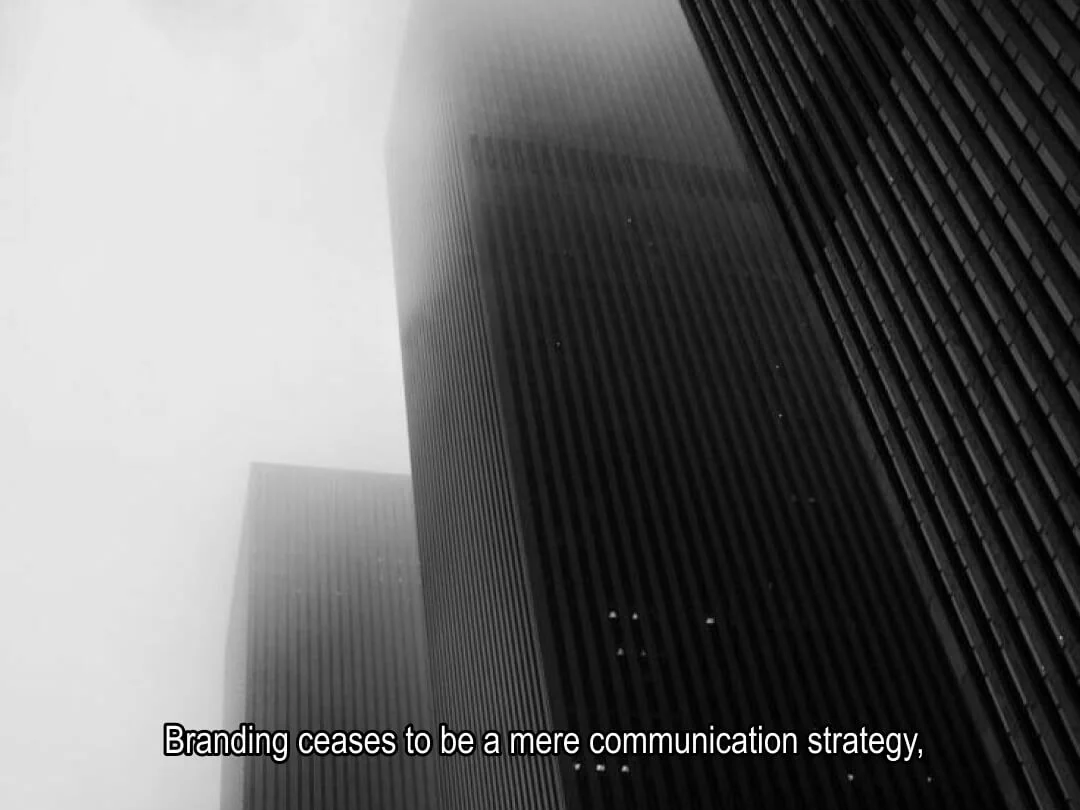
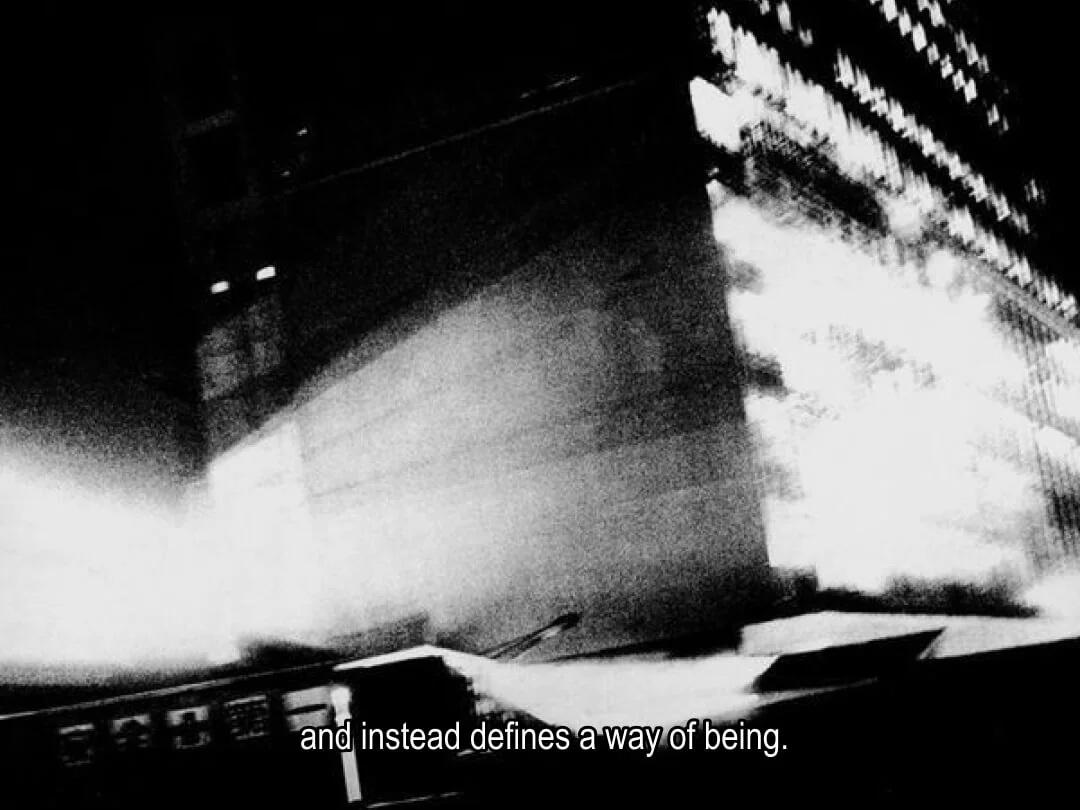
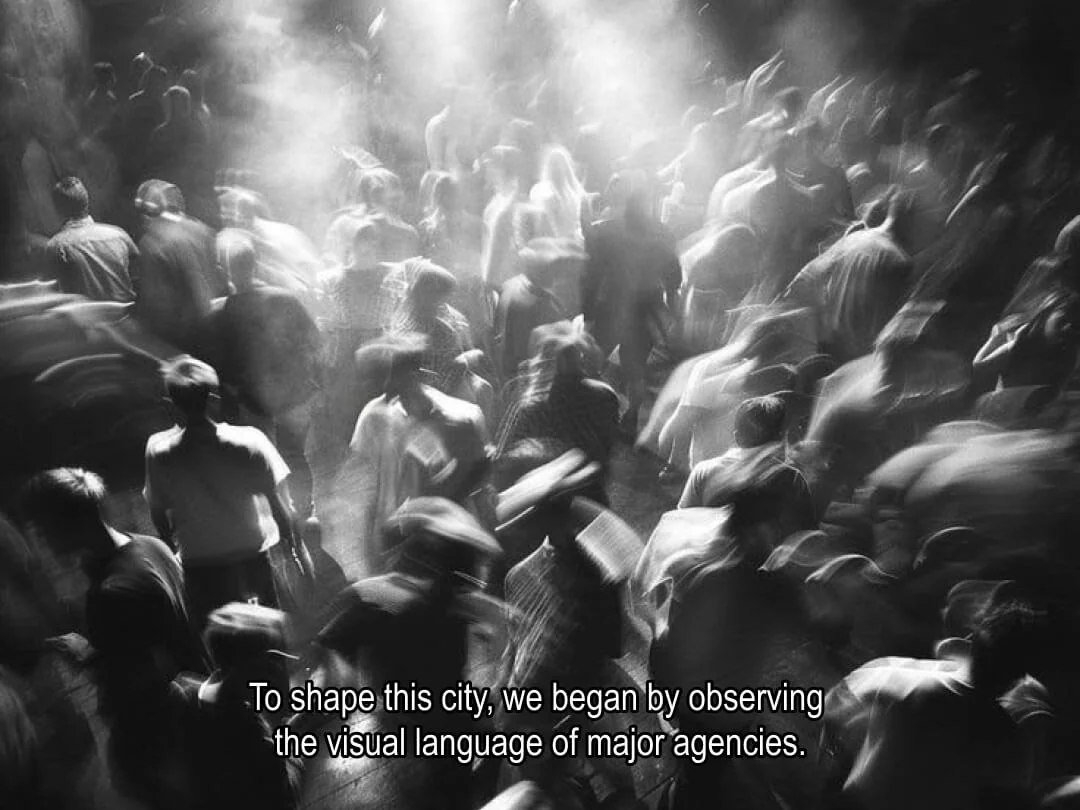
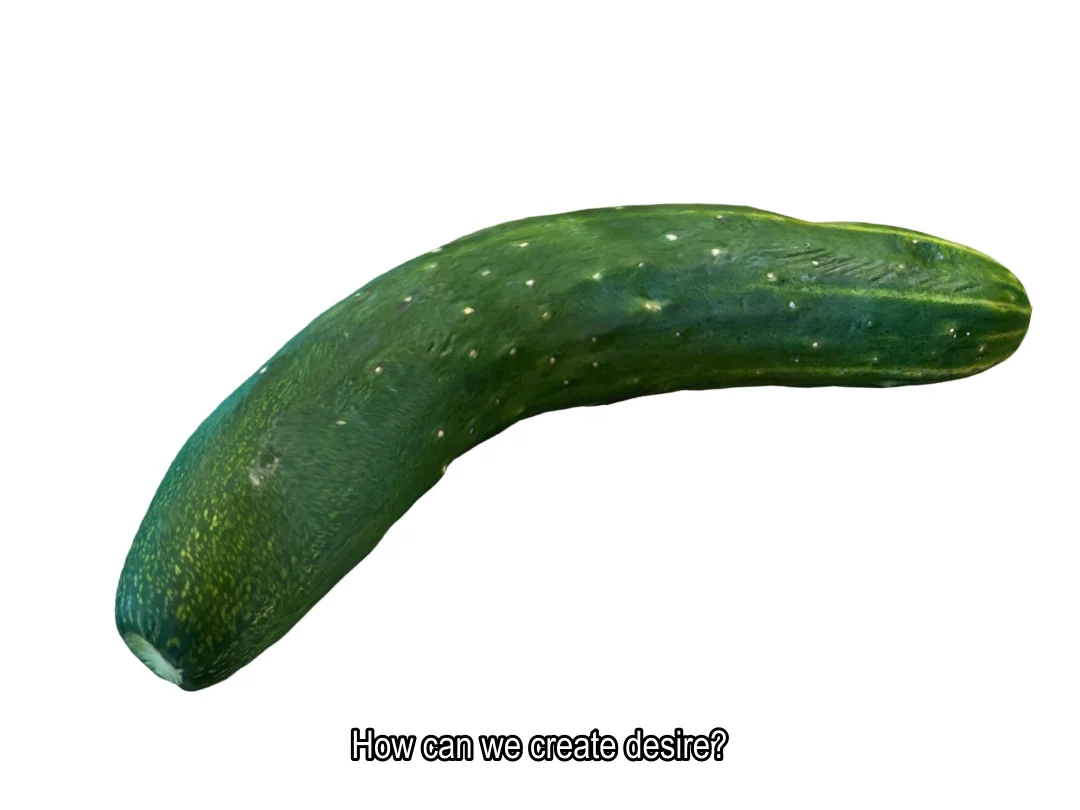
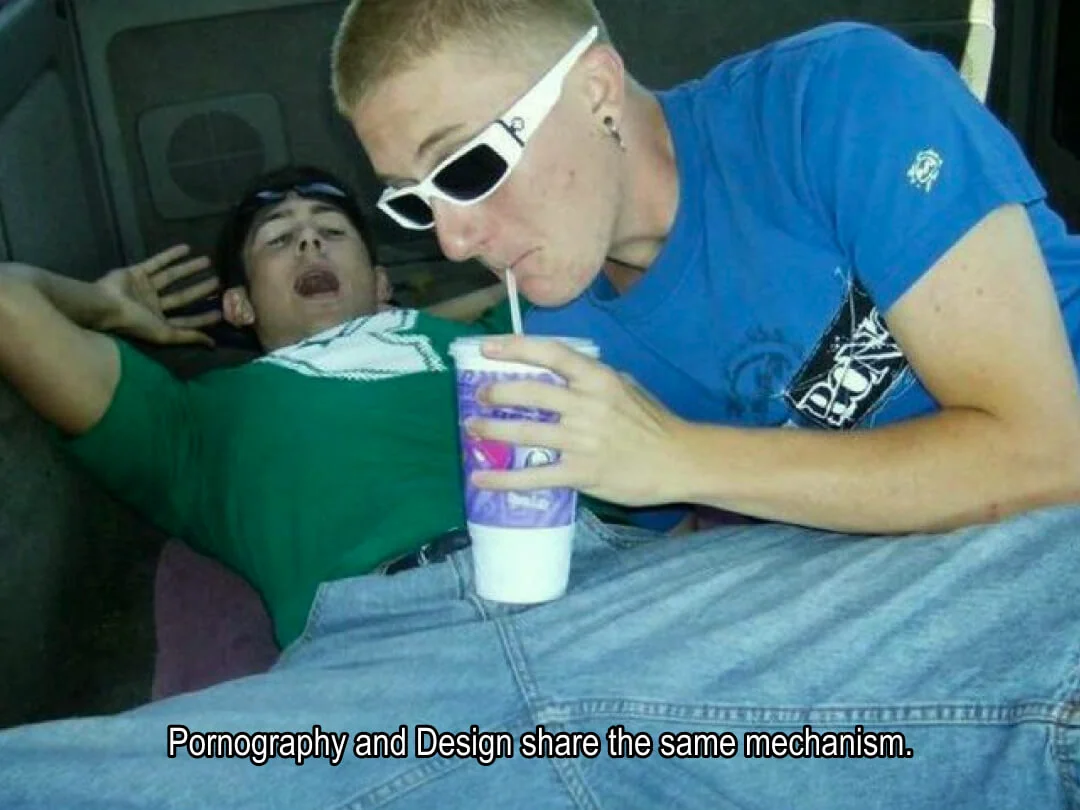
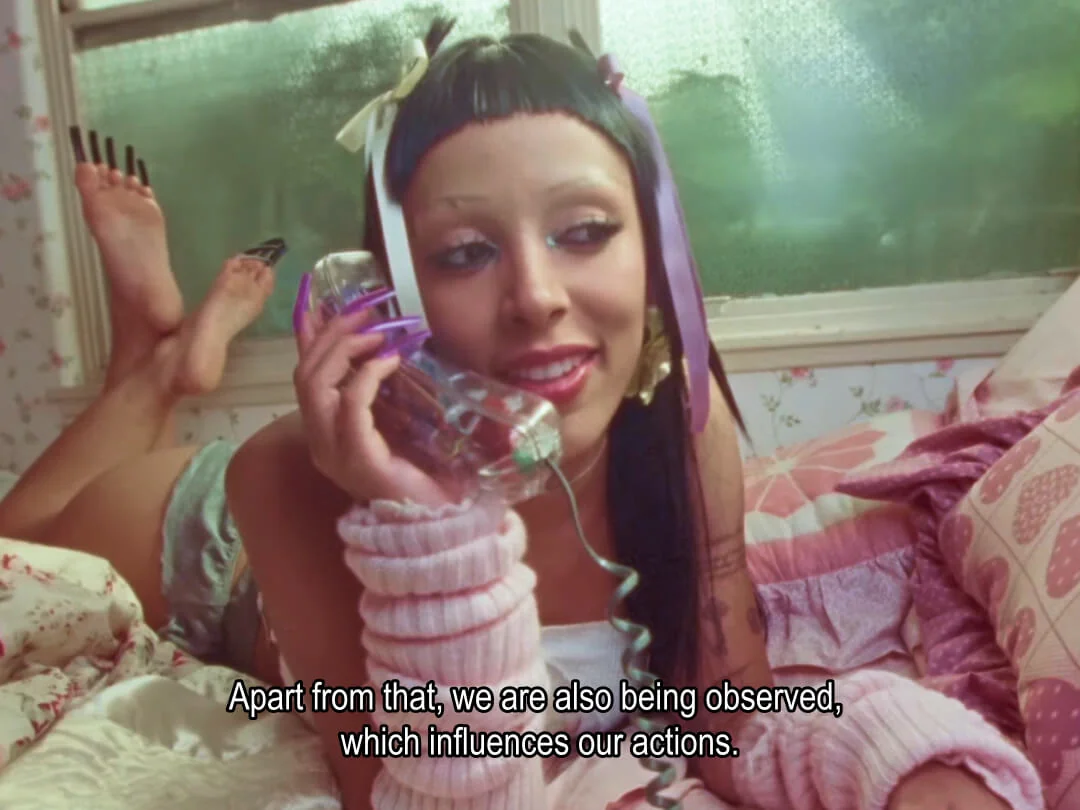
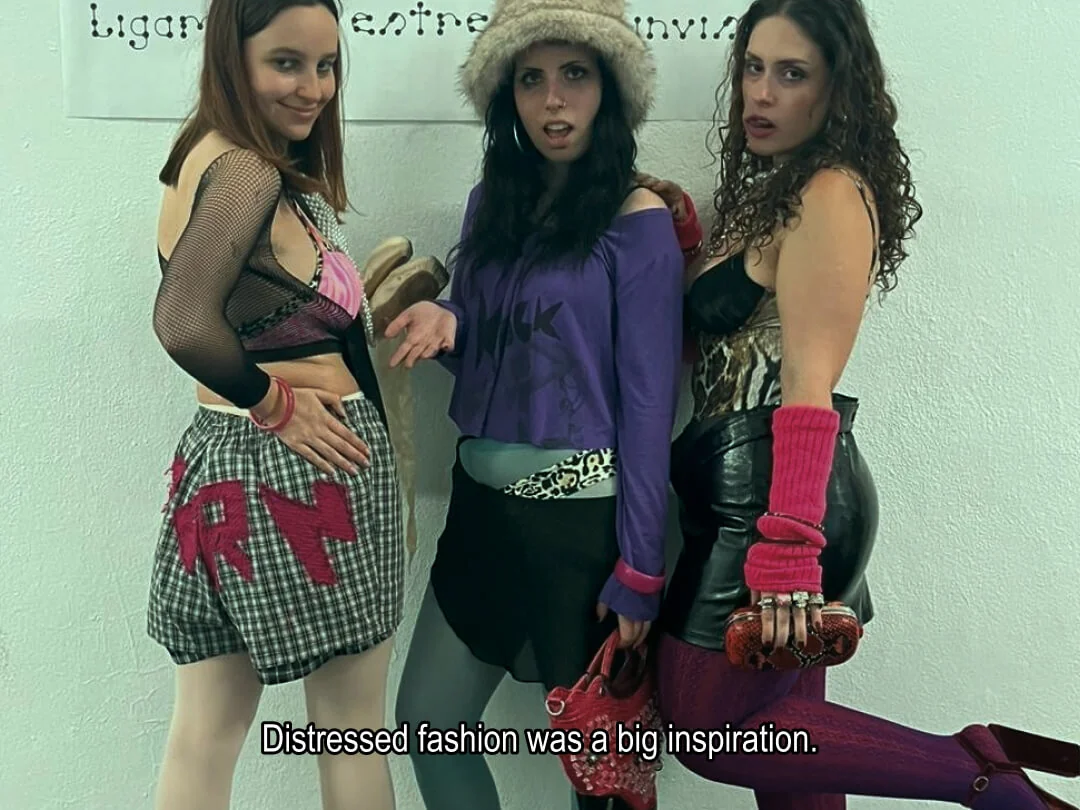
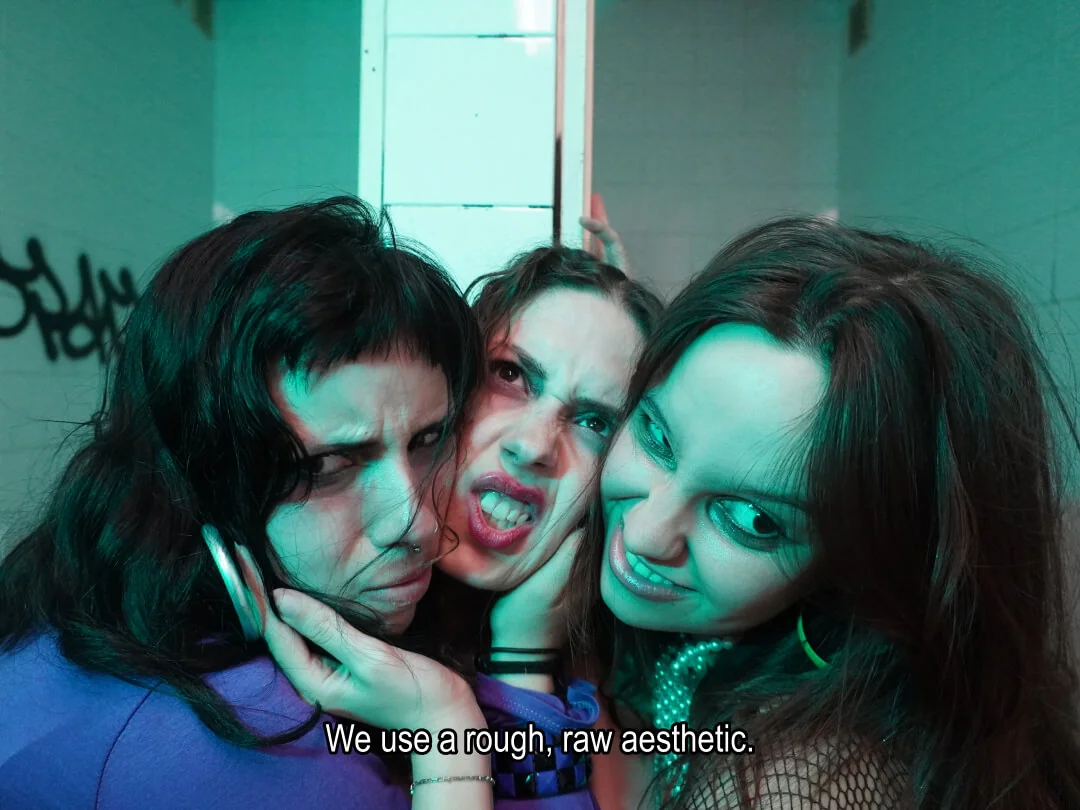
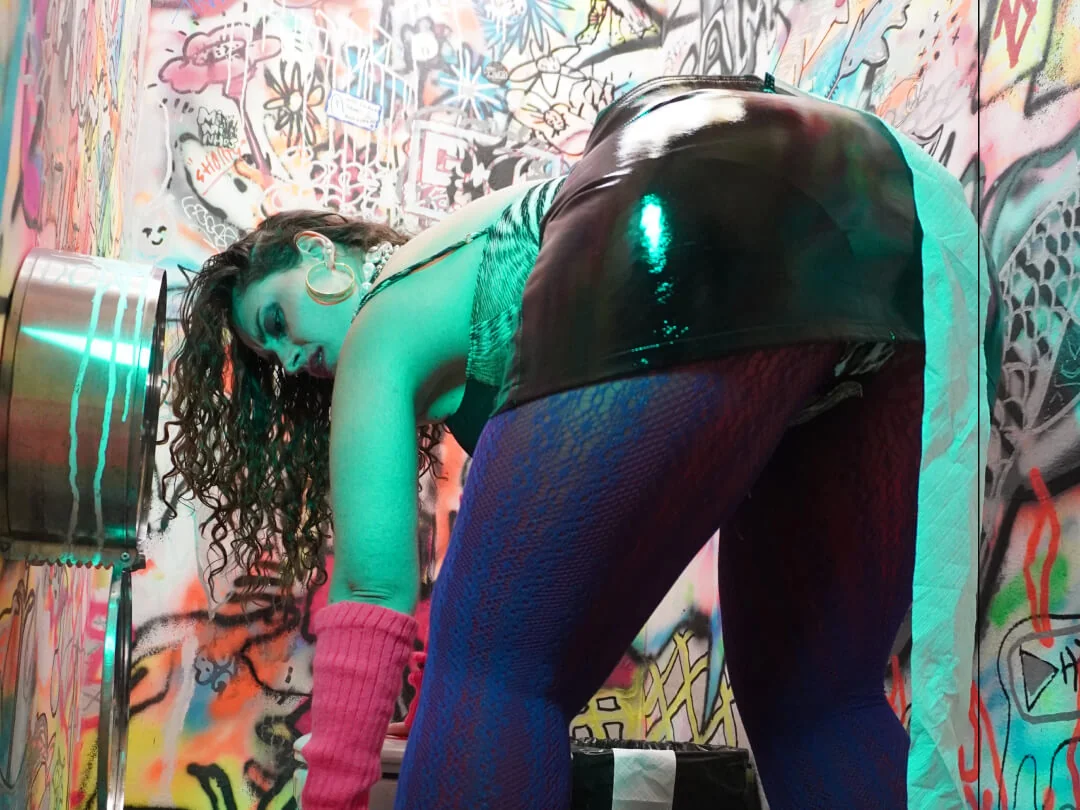
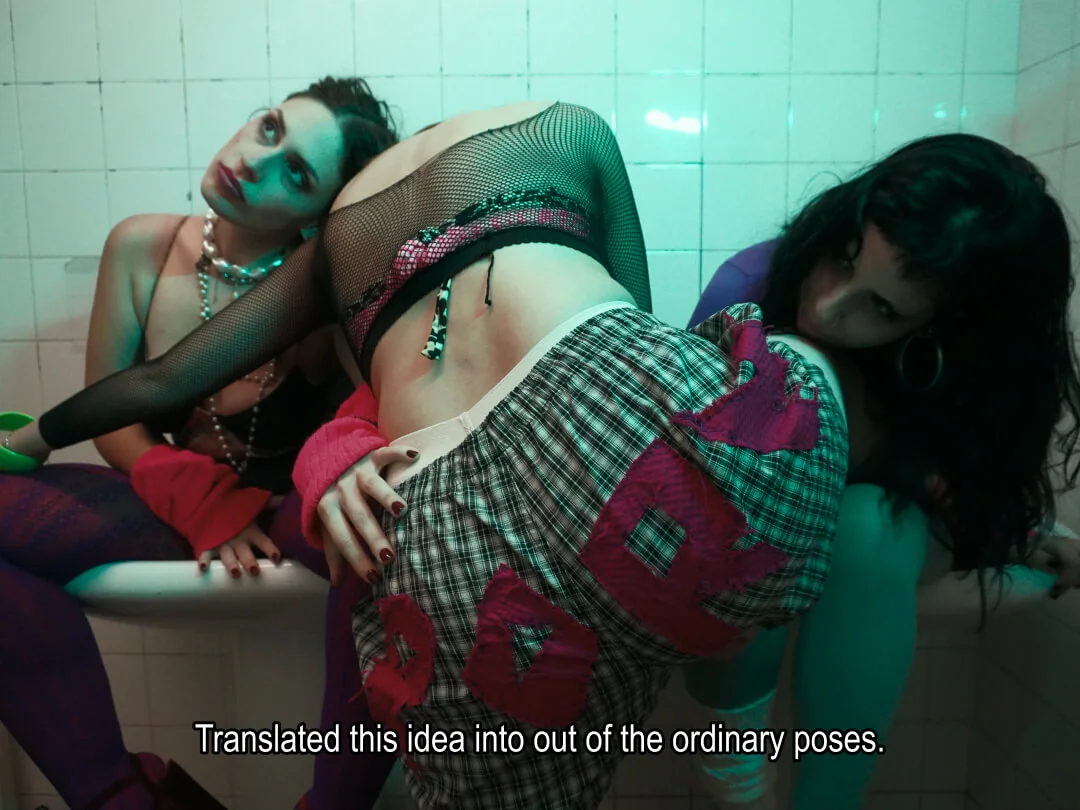
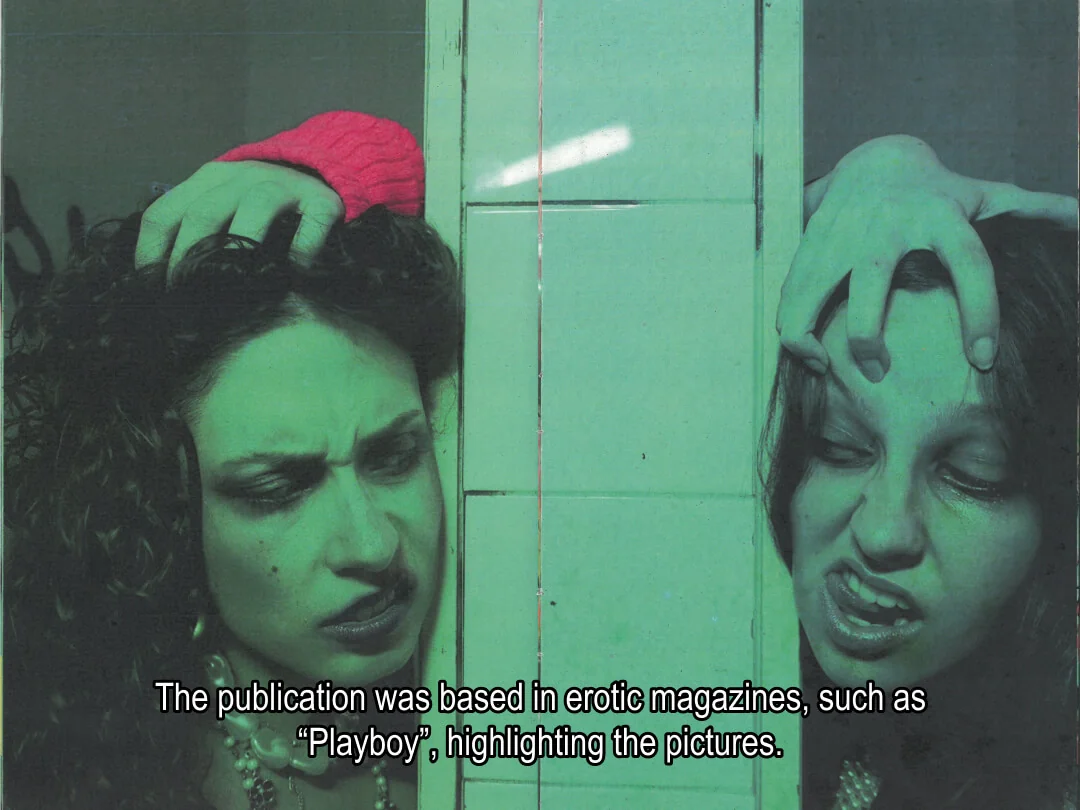
A Designer at the End of Porn explores the shared visual logic between pornography and contemporary mainstream culture. Though socially separated, both operate through the same mechanism: the production of desire through endlessly consumable images.

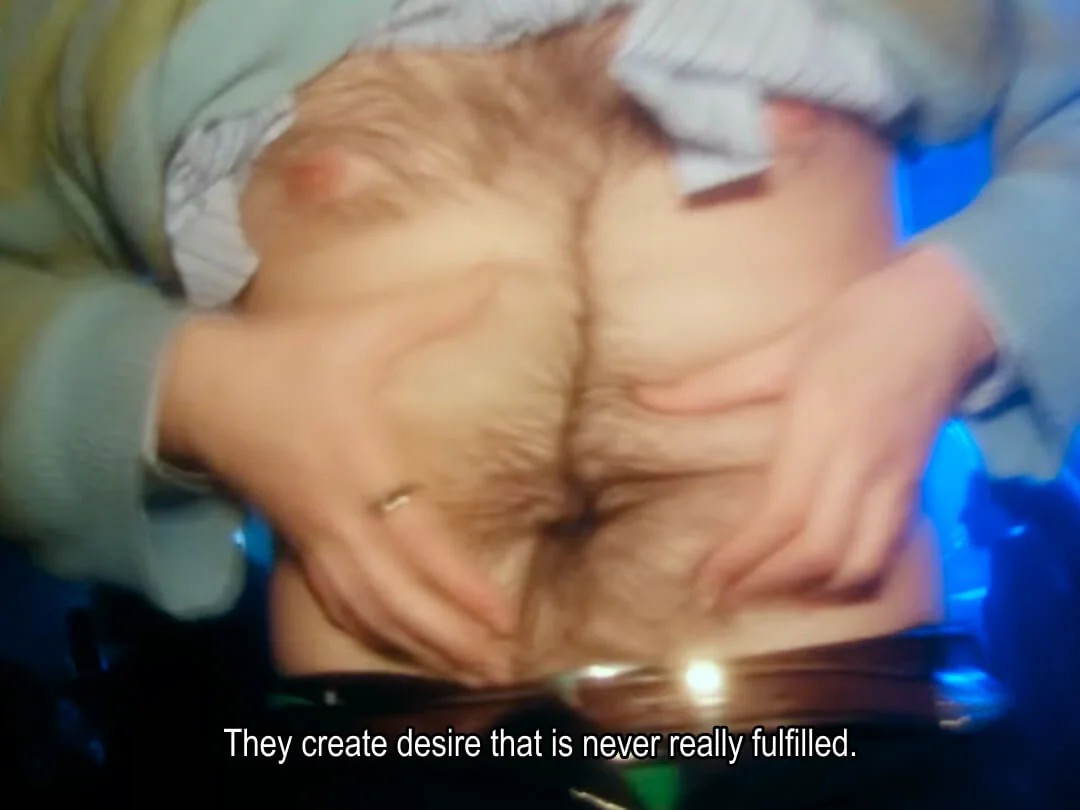
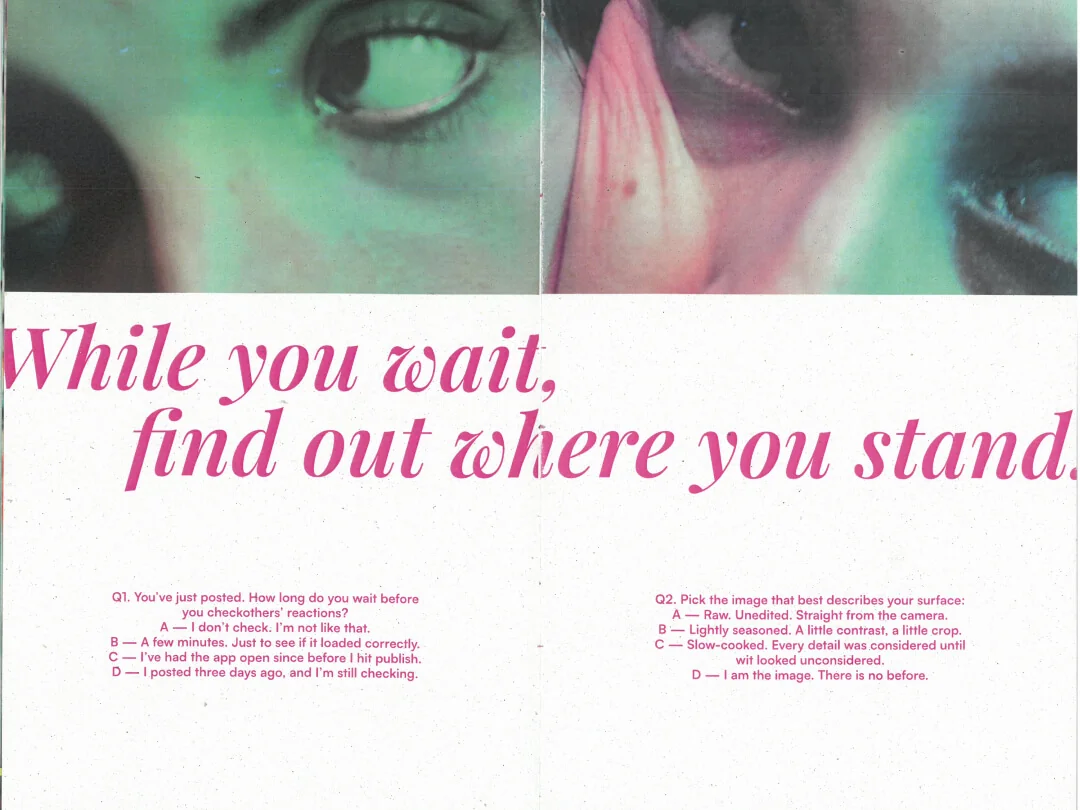
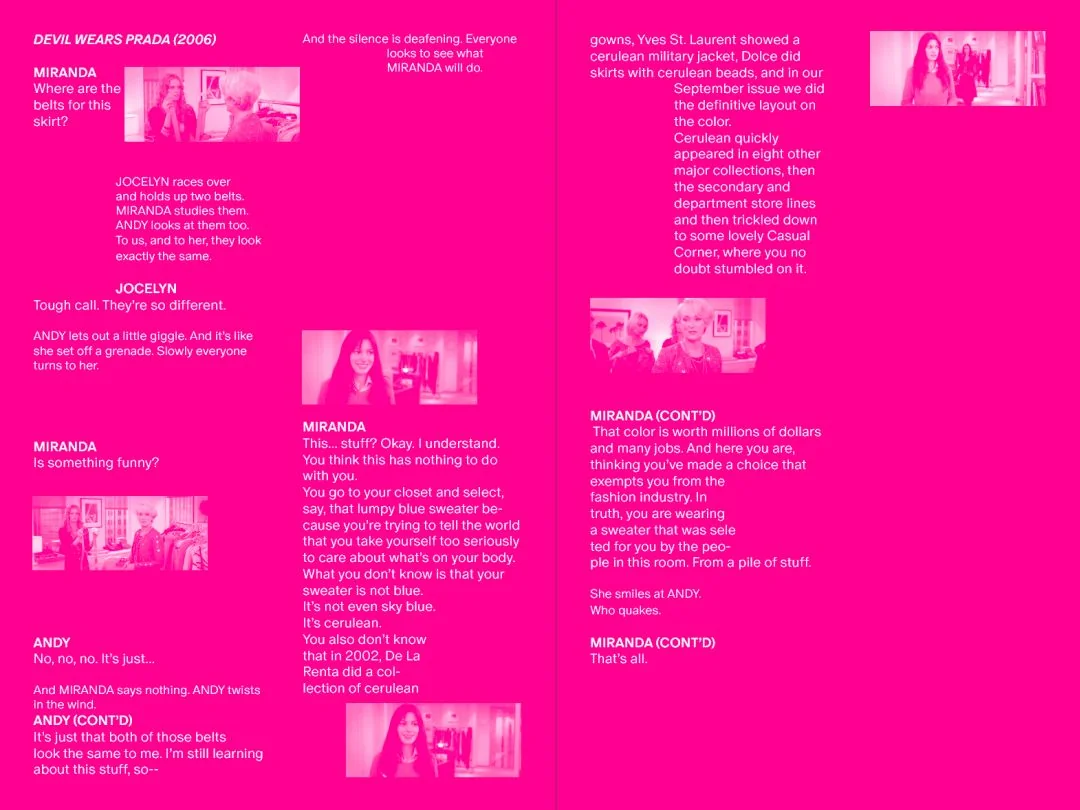
Starting from the analysis of explicit pornographic content, the project draws parallels between the normalized visual language of advertising, branding and digital platforms. If content is the main distinction between these systems, the mechanisms they share become clearer: the construction of desire, the manipulation of attention and behaviour, and the production of ways of seeing. Pornography becomes relevant precisely because it does not conceal its intentions. Its explicitness exposes the architecture that commercial visual culture often hides beneath aesthetic refinement. In this sense, pornography functions not as provocation, but as an analytical tool.

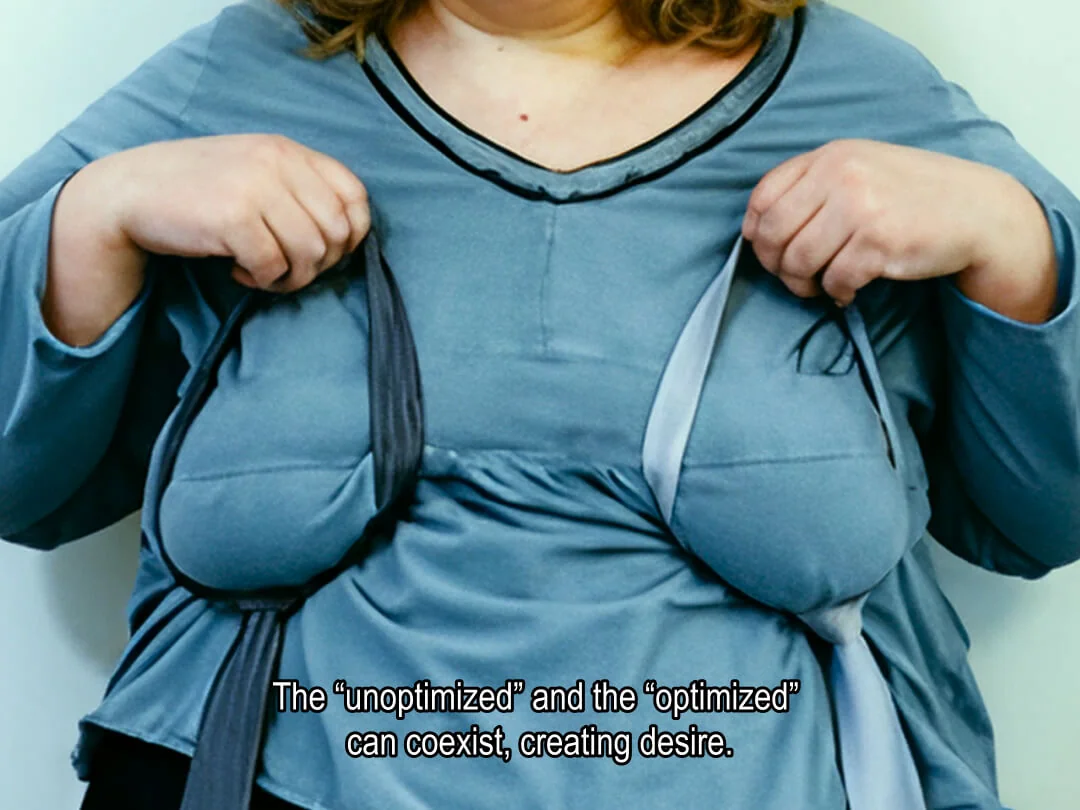
The project combines raw, non-optimized material with polished, optimized imagery to construct visuals that are simultaneously seductive and revealing. Through this tension, it exposes the mechanisms it also reproduces.

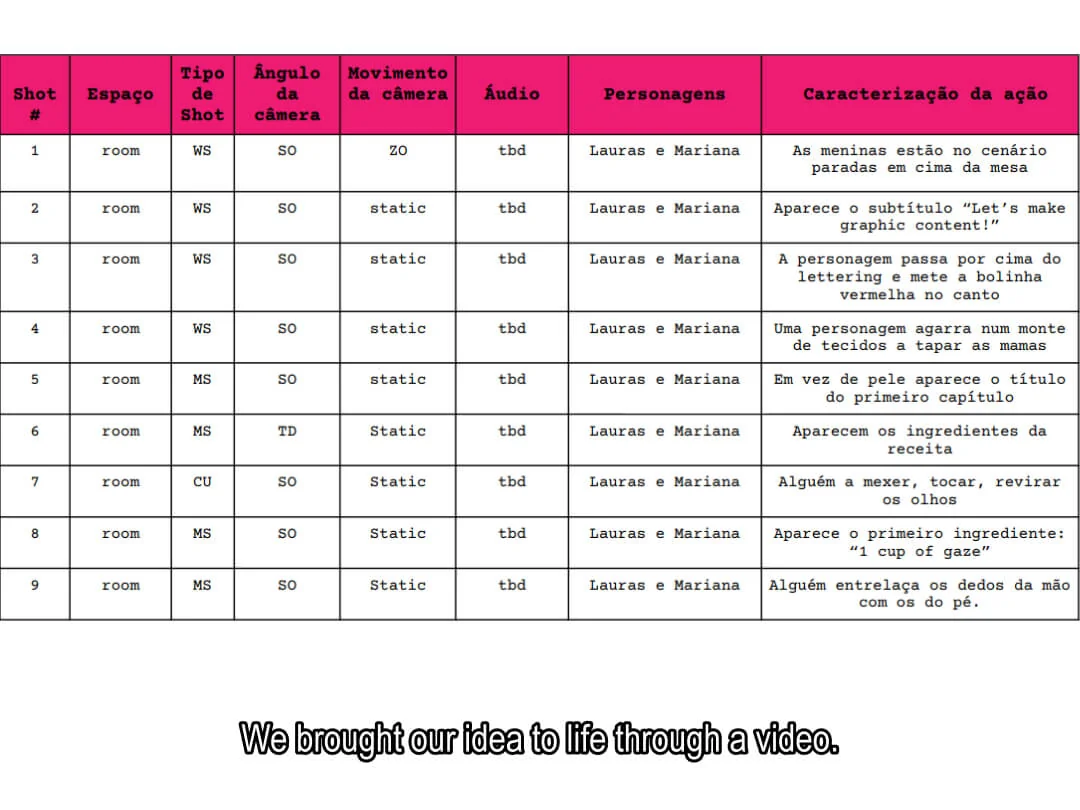
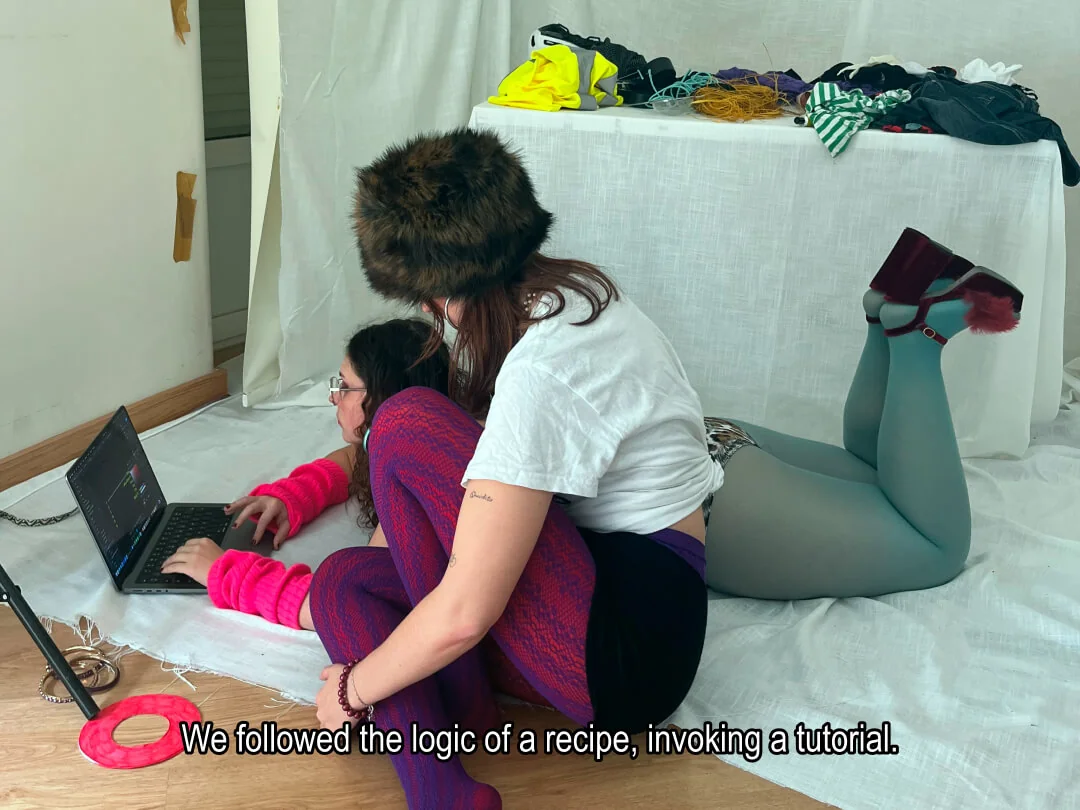
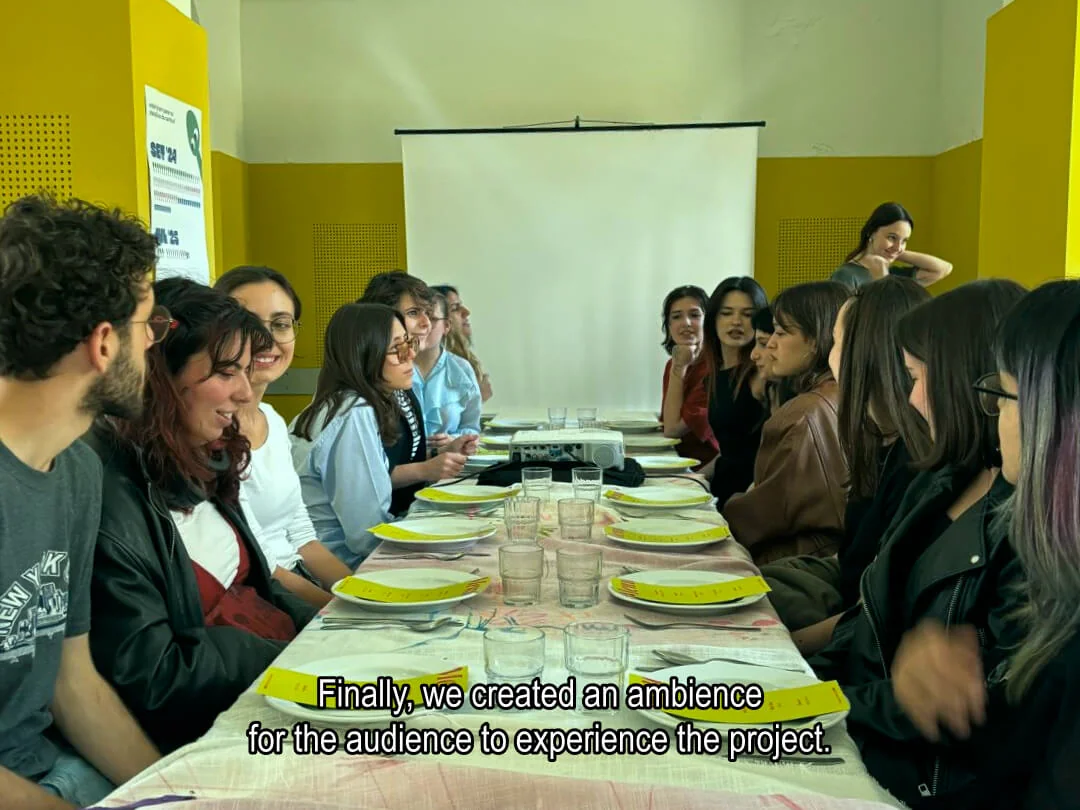
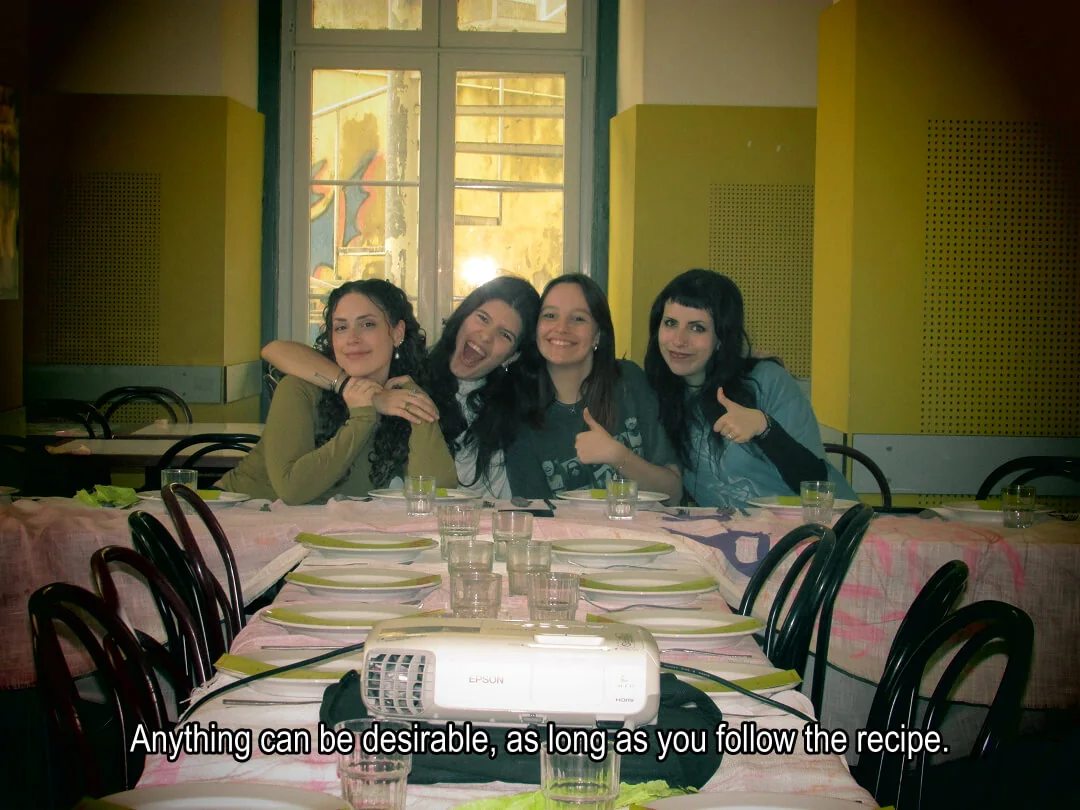
The work takes the form of an audiovisual object and a publication, both structured like recipes for the construction and consumption of desire.

PROJECT BY Mariana Santos
Matilde Caldeira
Laura Costa
Laura Gageiro

close
A DESIGNER AT THE END OF...
The Day (PUBLICATION & WEBSITE)

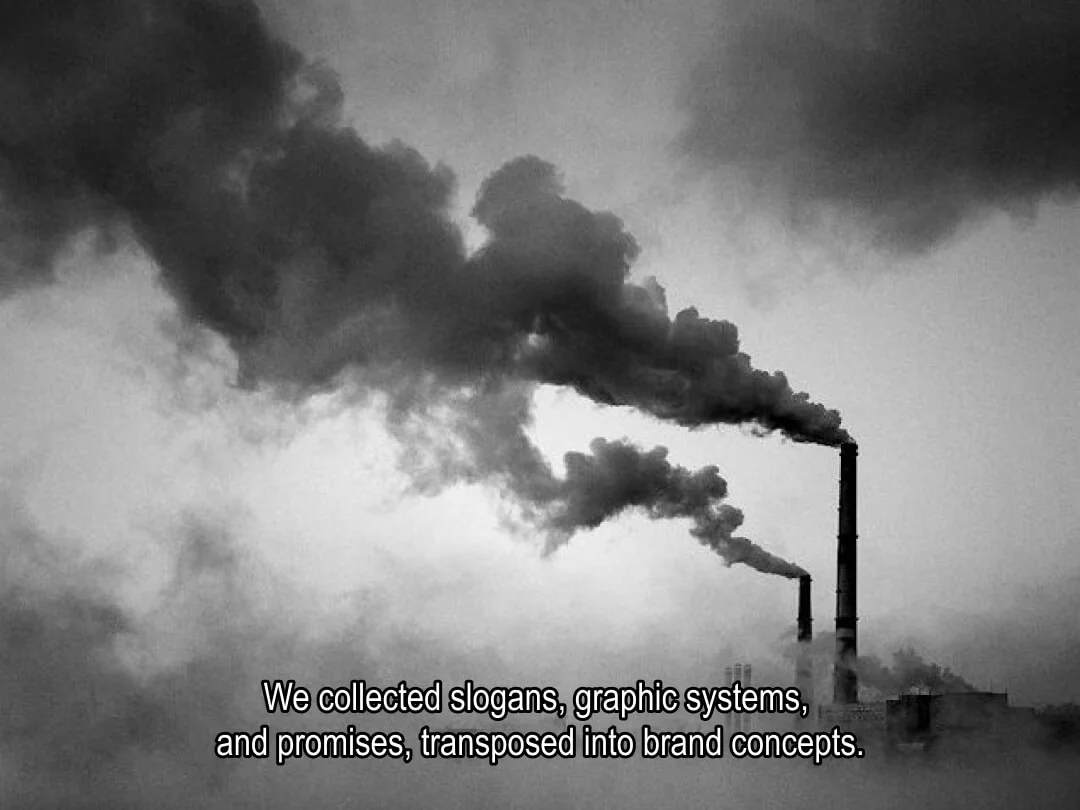
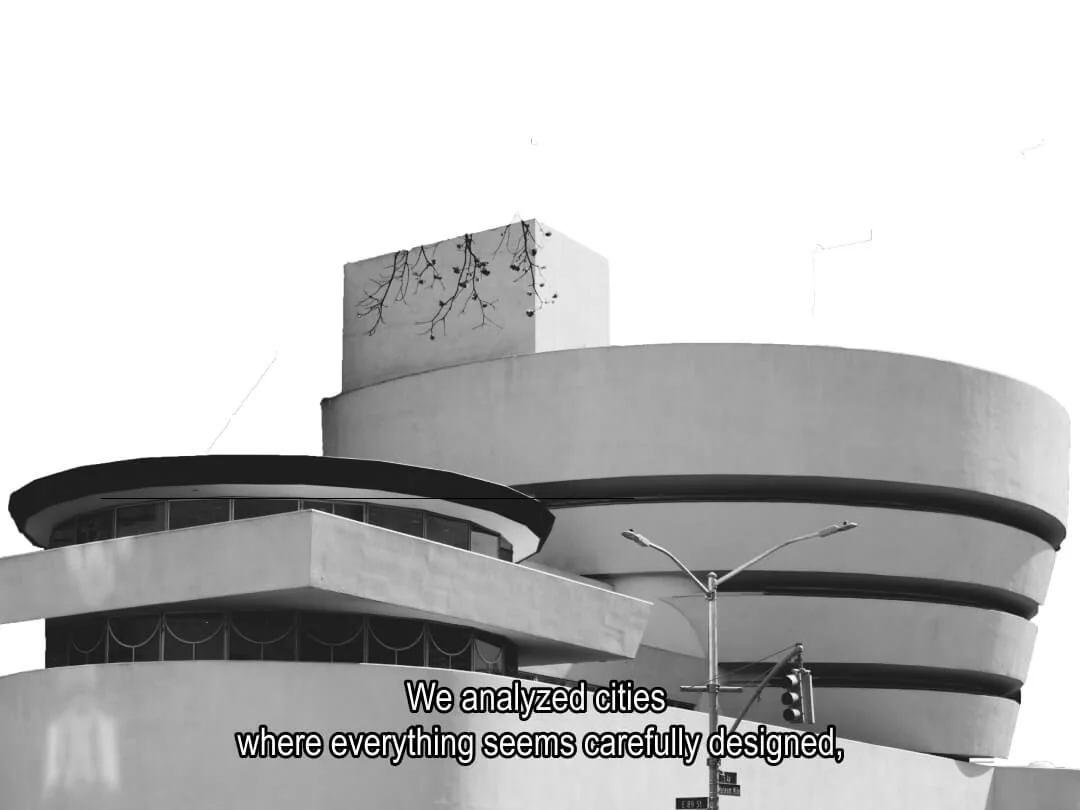
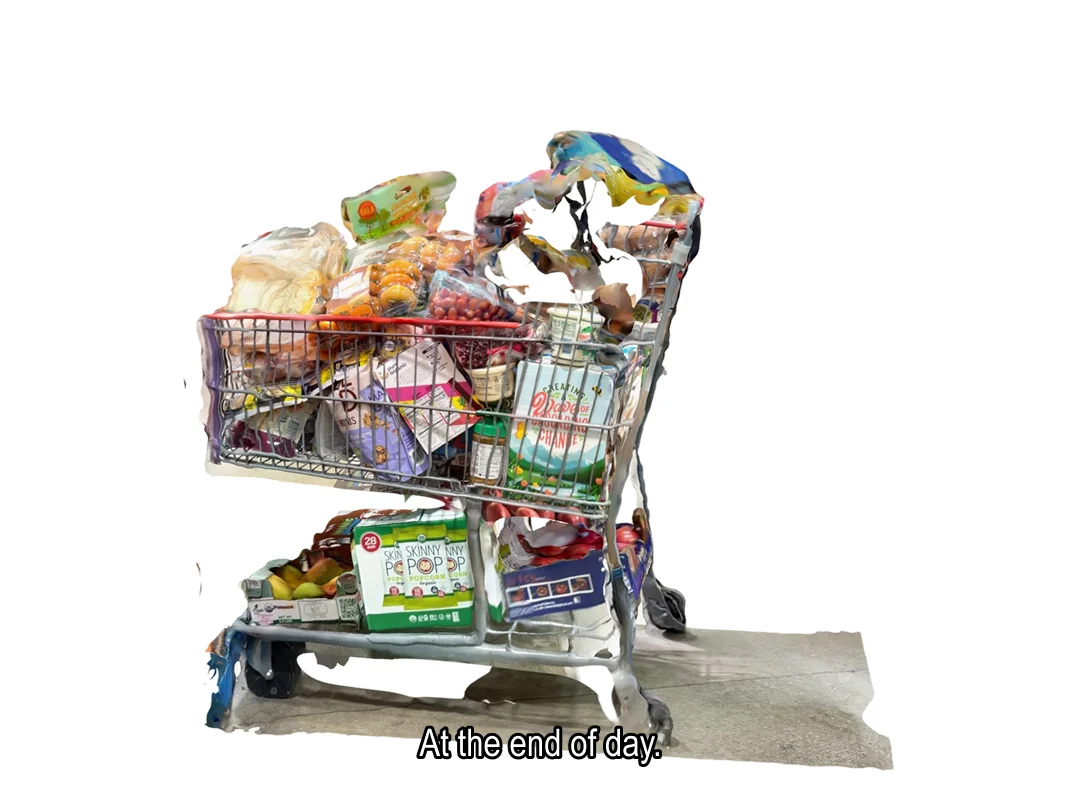
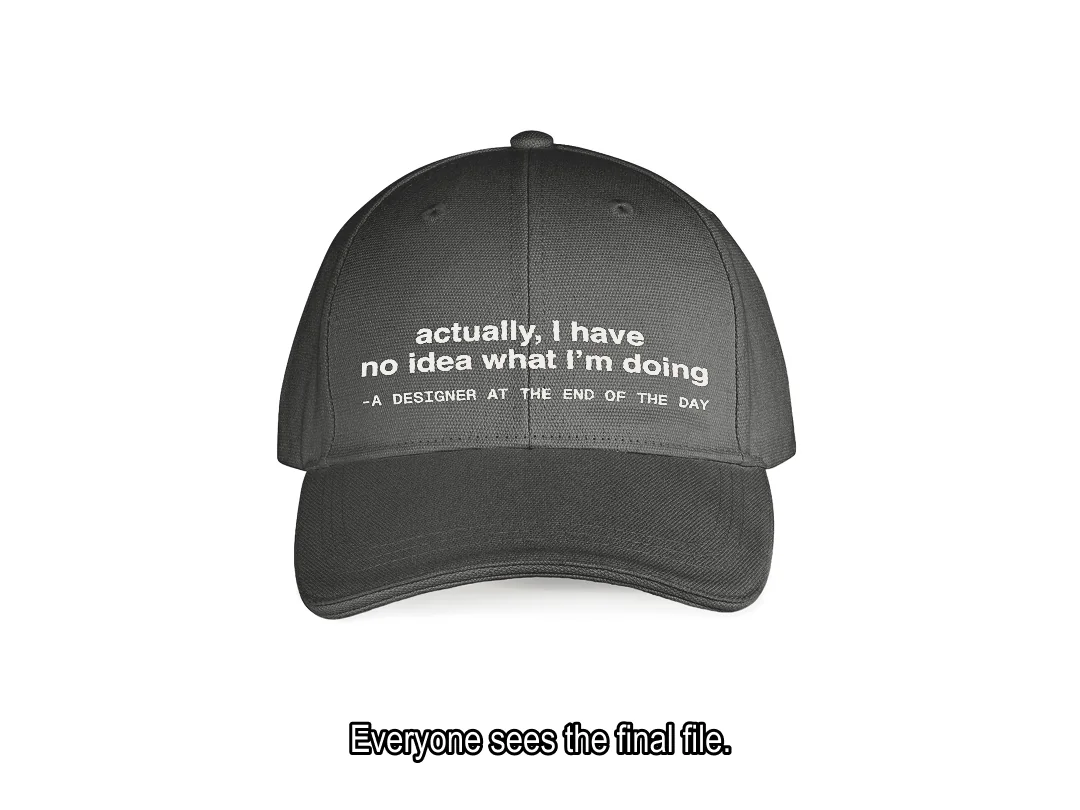
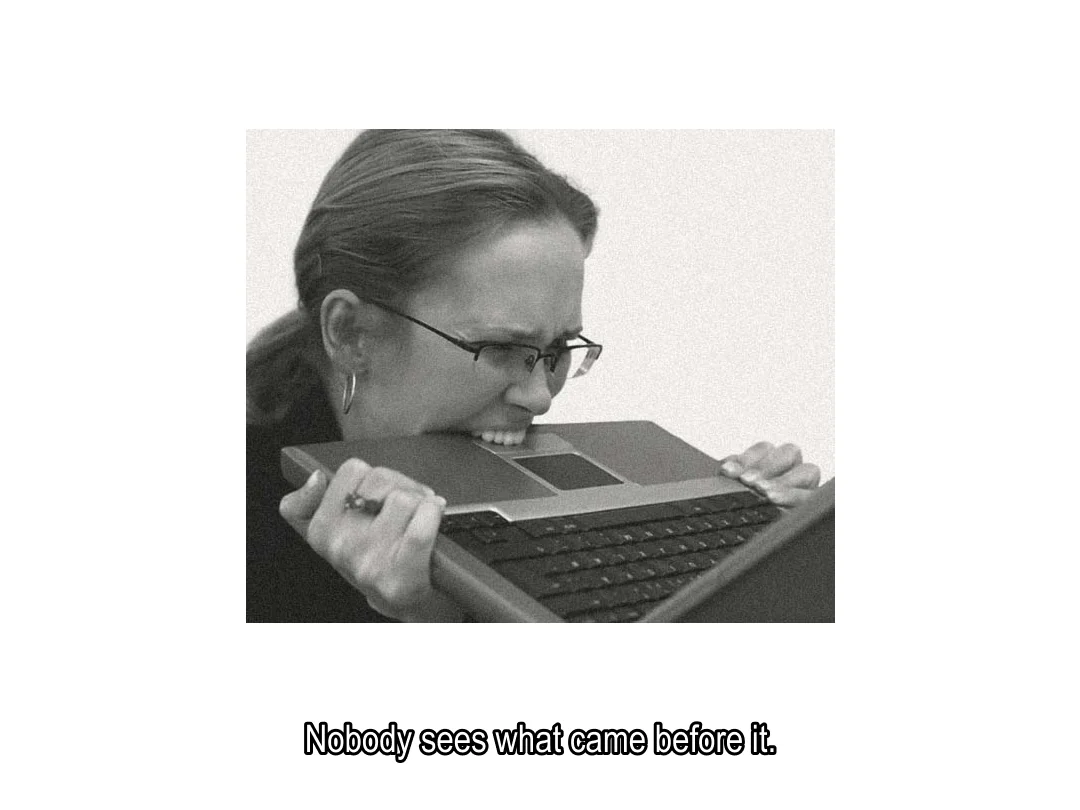
A Designer at the End of the Day looks at the reality of design practice: not the polished version that appears in portfolios and case studies, but the daily experience of doing the work. It begins from a simple observation: that there is a significant gap between how design is presented and how it is actually lived, and that this gap is rarely acknowledged in professional discourse.

The project takes the form of a print and digital publication, honest and occasionally funny, that treats the unglamorous parts of the profession as worthy of serious attention. Alongside it, a website extends the project into a shared space where designers can contribute their own experiences, anonymously or openly, turning a fixed editorial statement into something ongoing and collective. Together, they argue that the ordinary reality of creative practice deserves to be named, not despite its ordinariness but because of it.

PROJECT BY João Afonso
Mariana Reis
Marta Bica
Tomás Simões

close
A DESIGNER AT THE END OF...
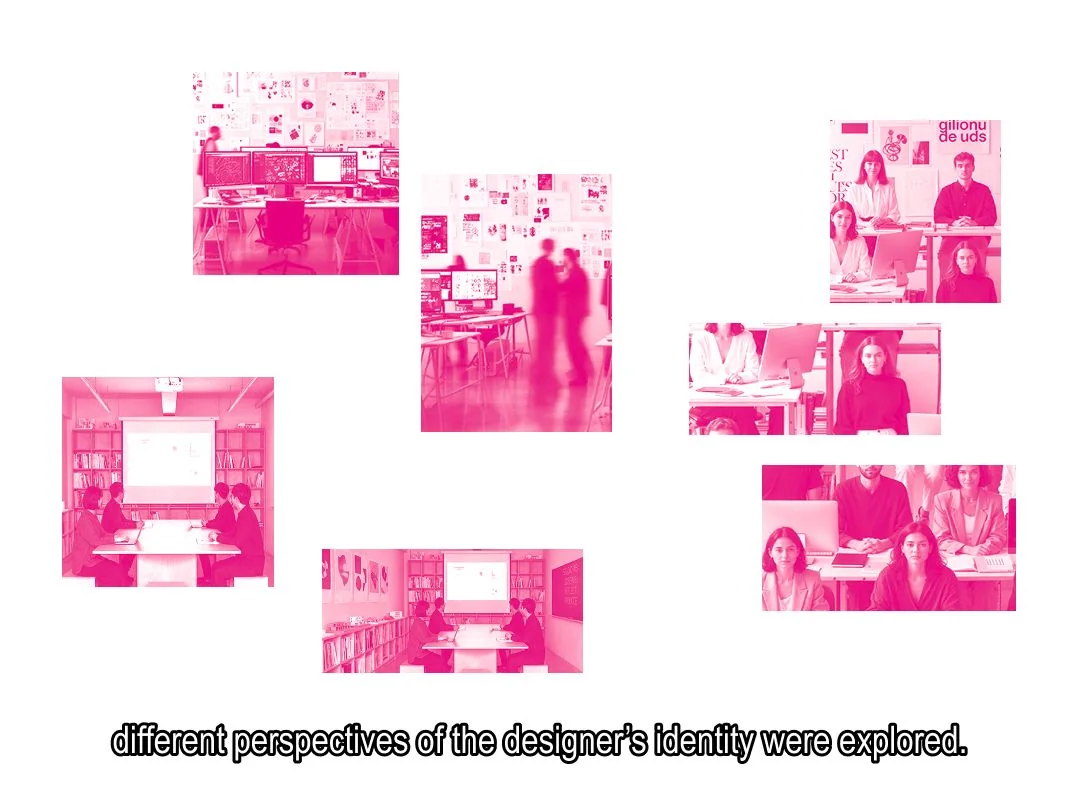
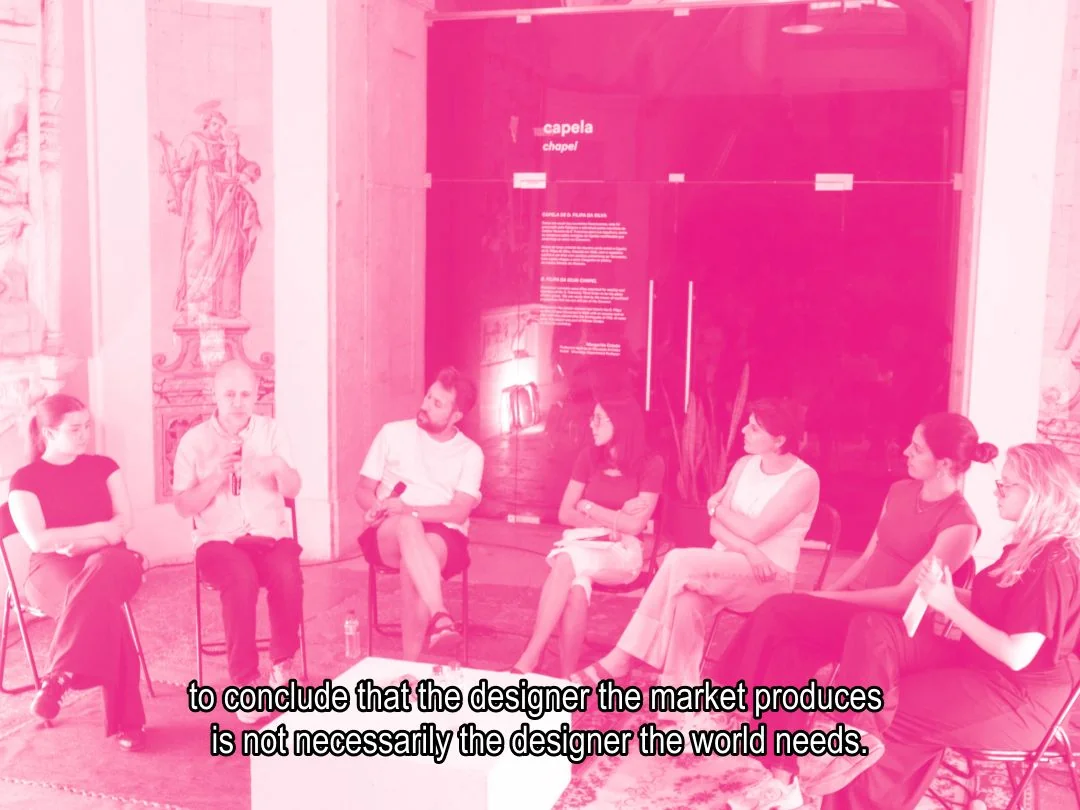
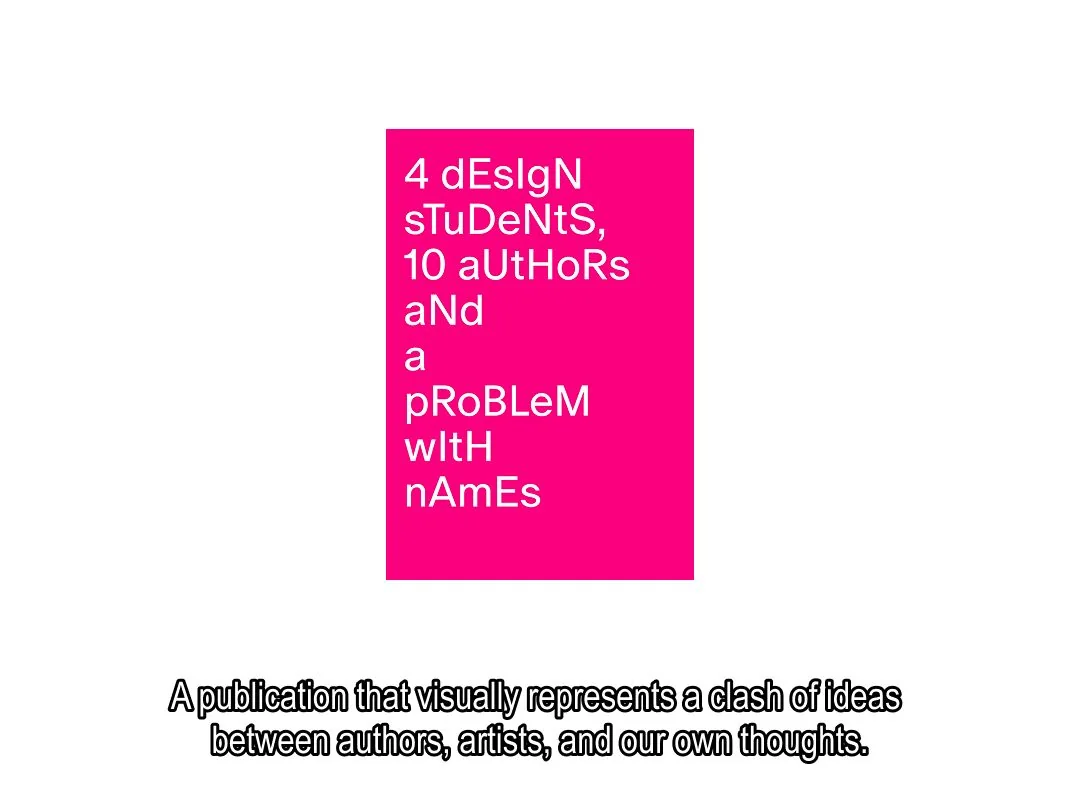
The Designer (PUBLICATION & TALK)

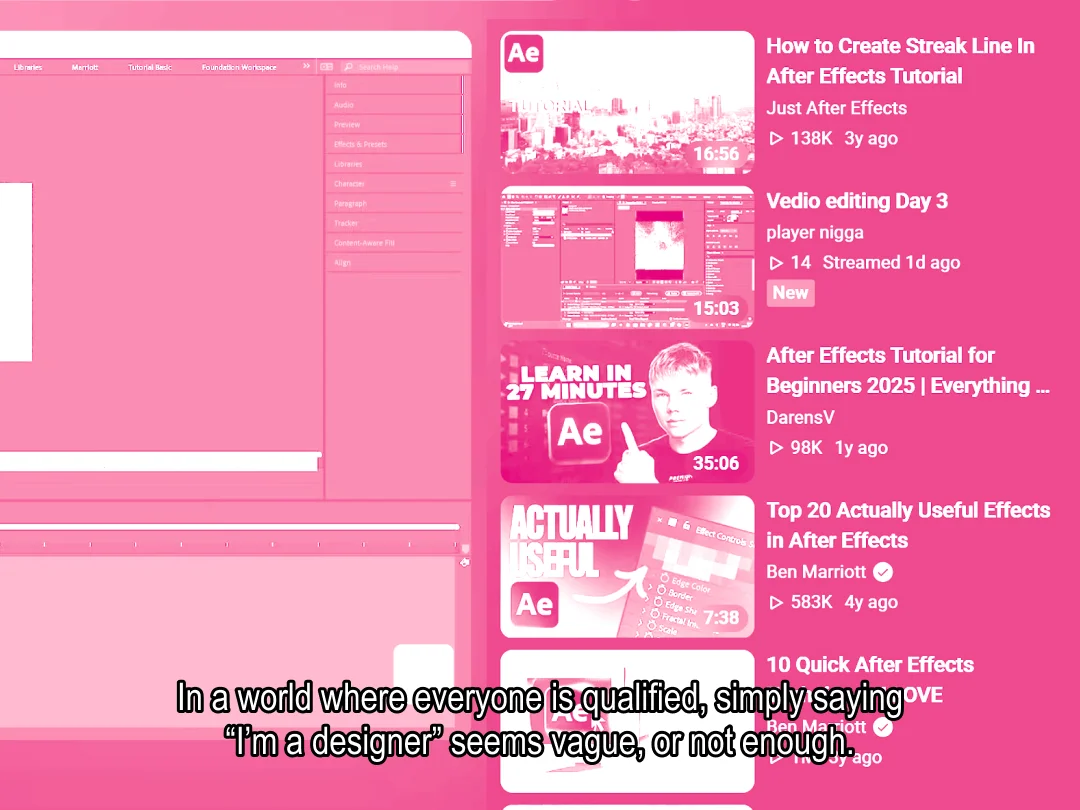
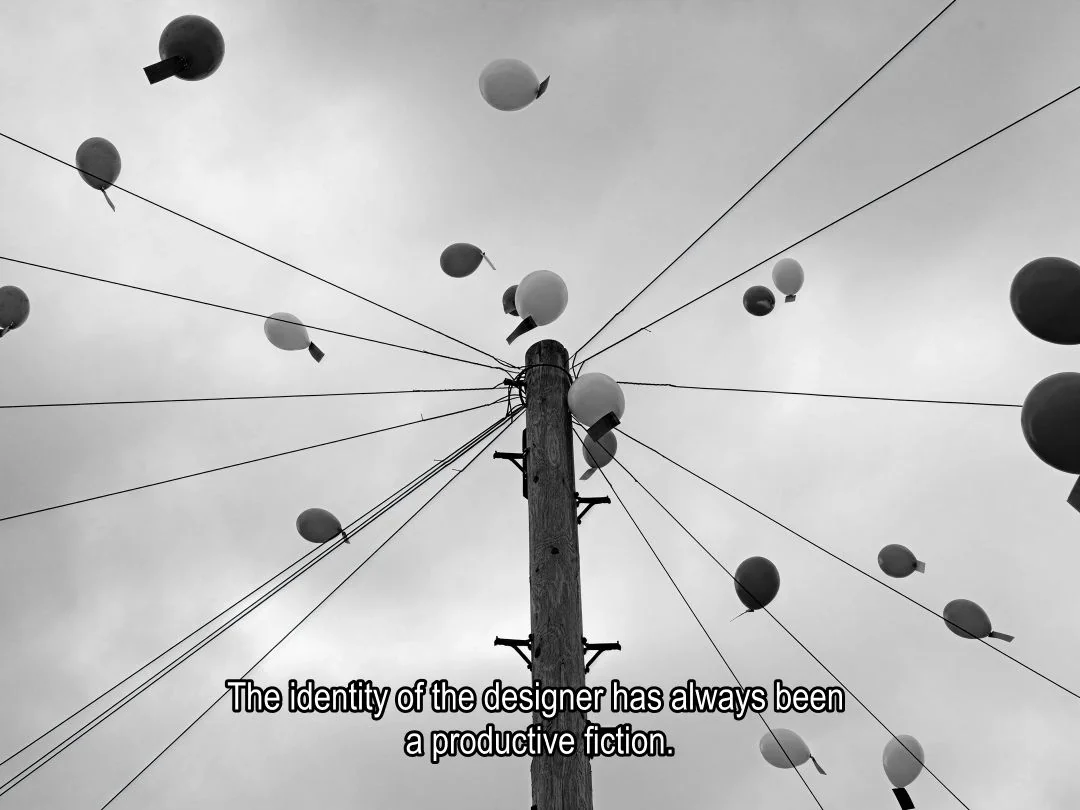
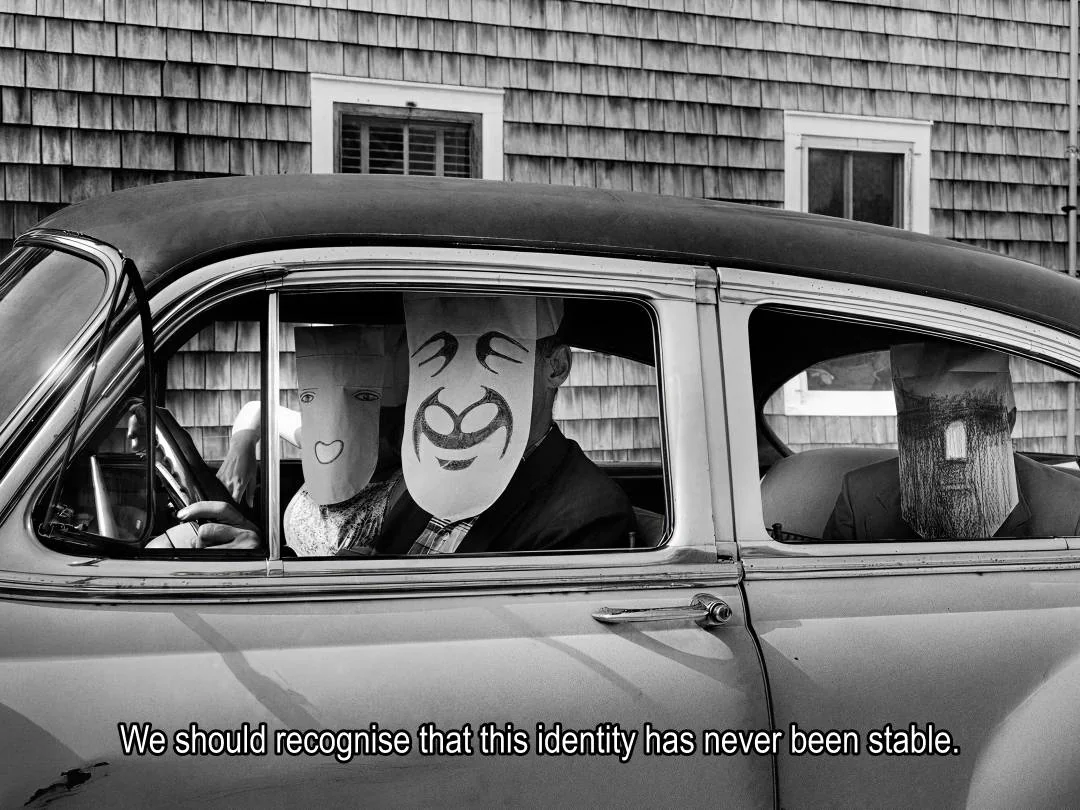
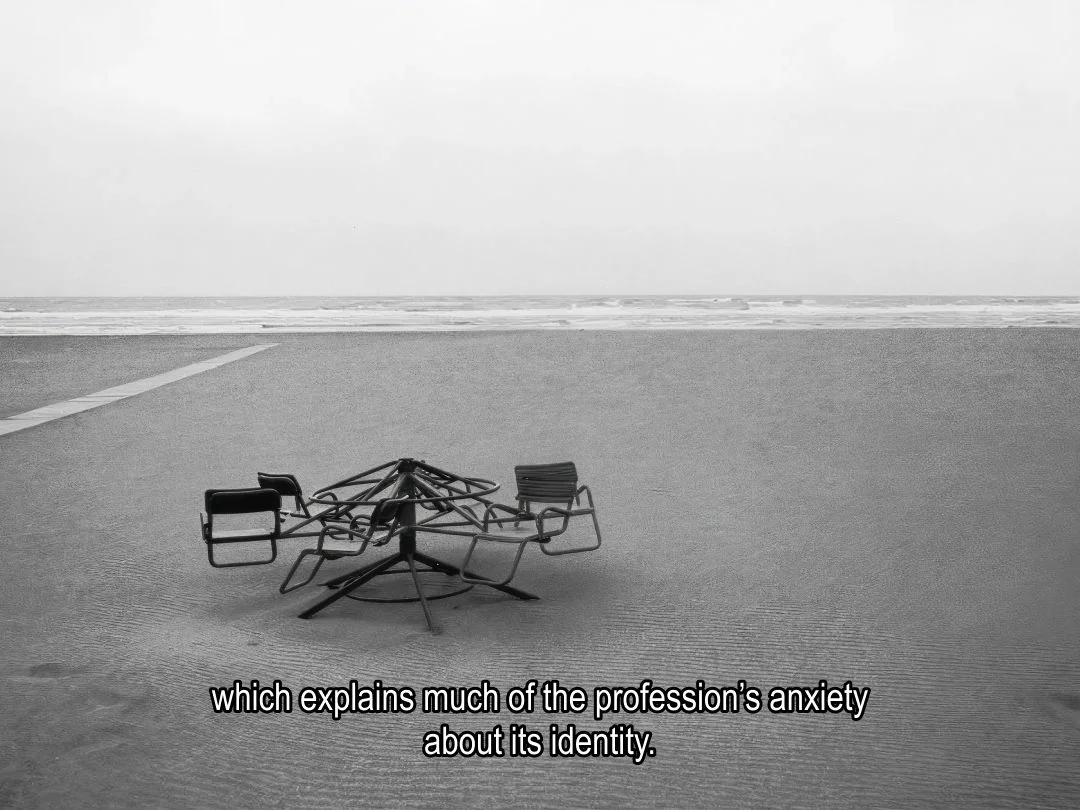
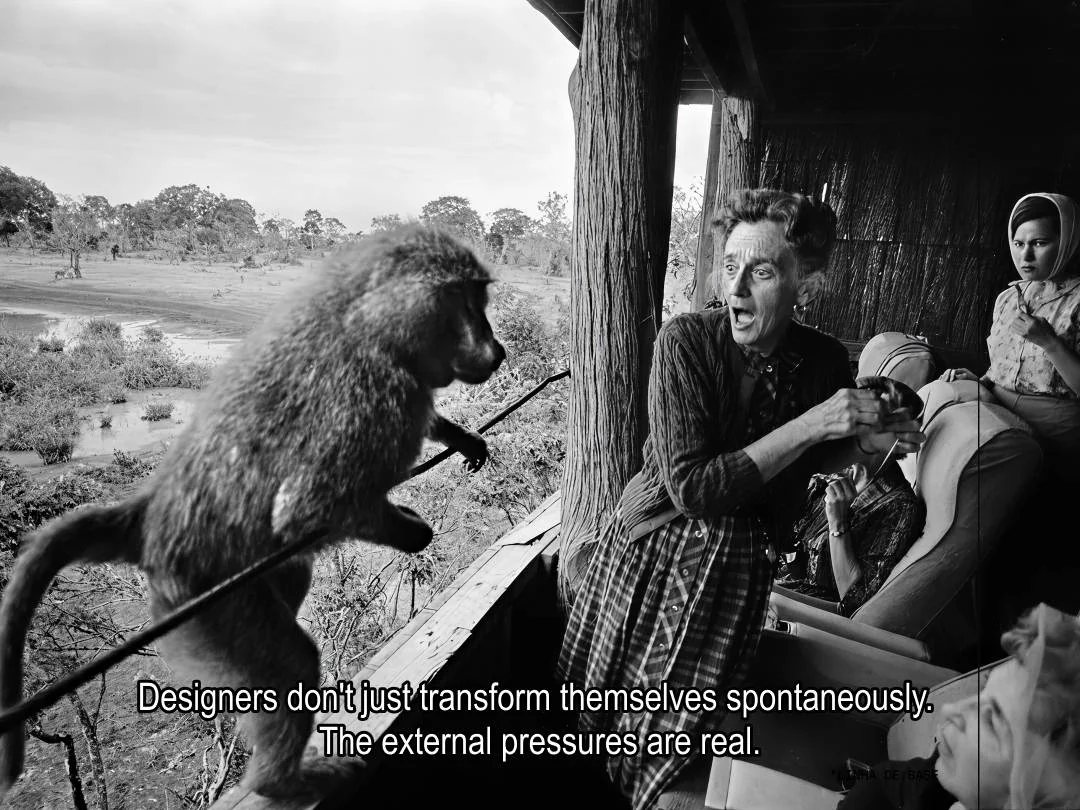
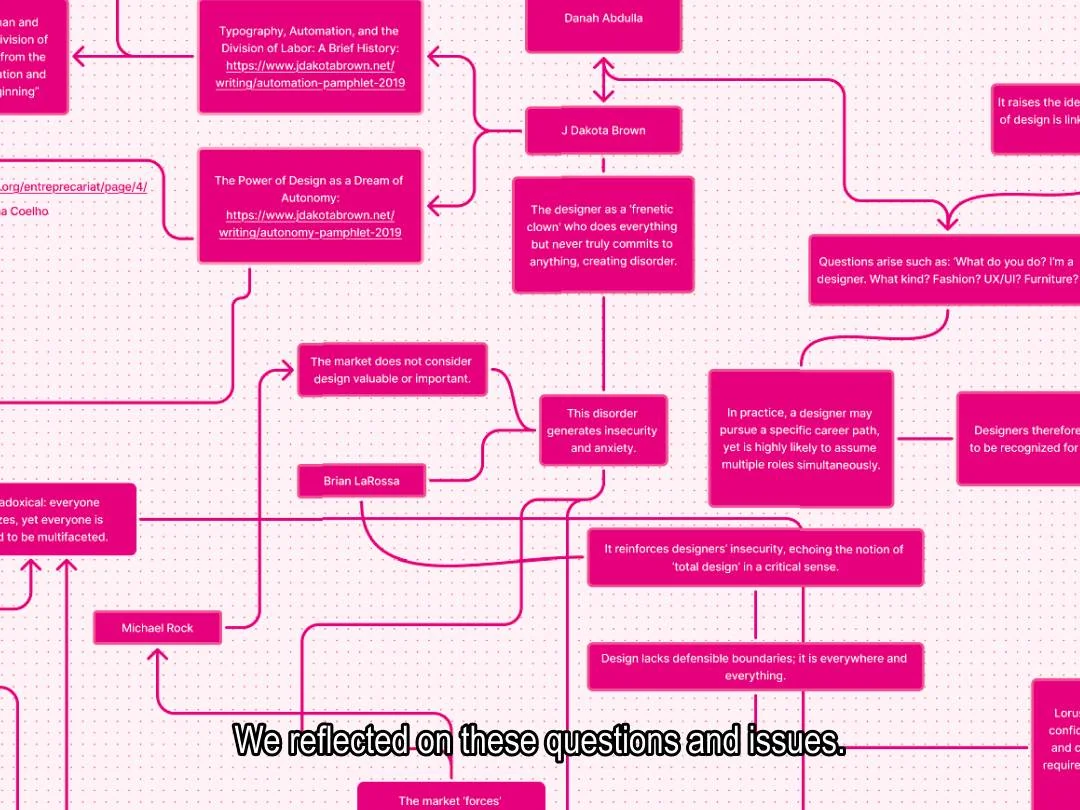
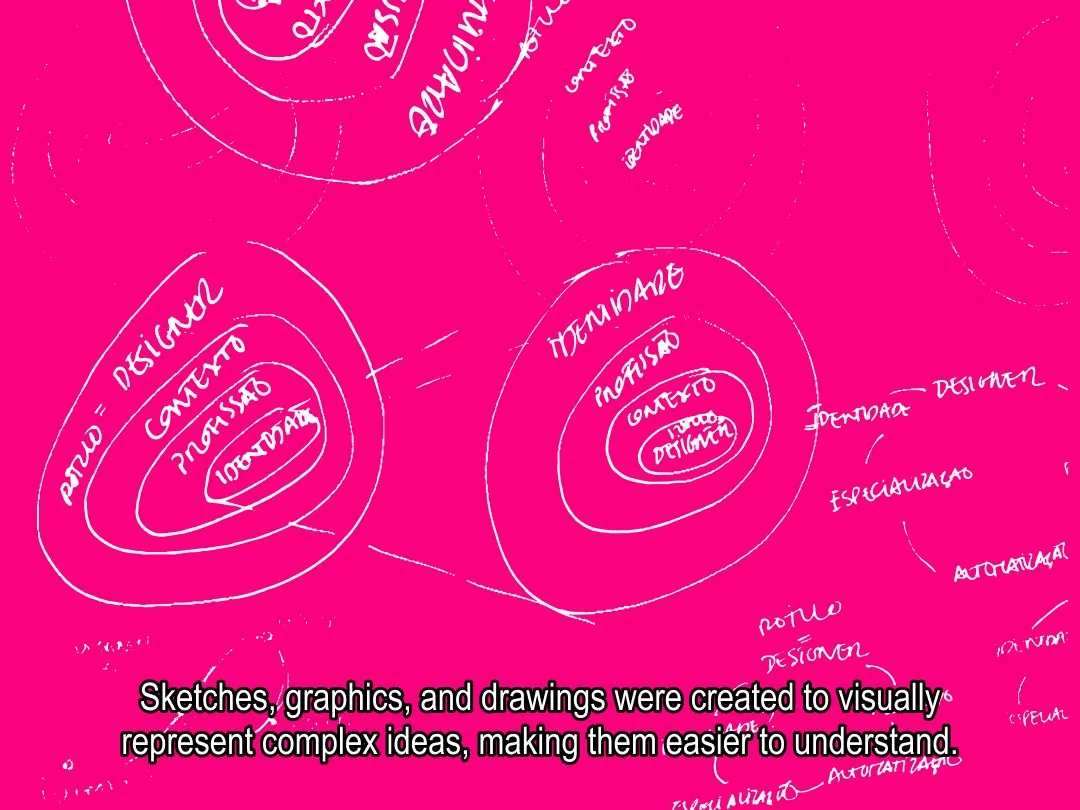
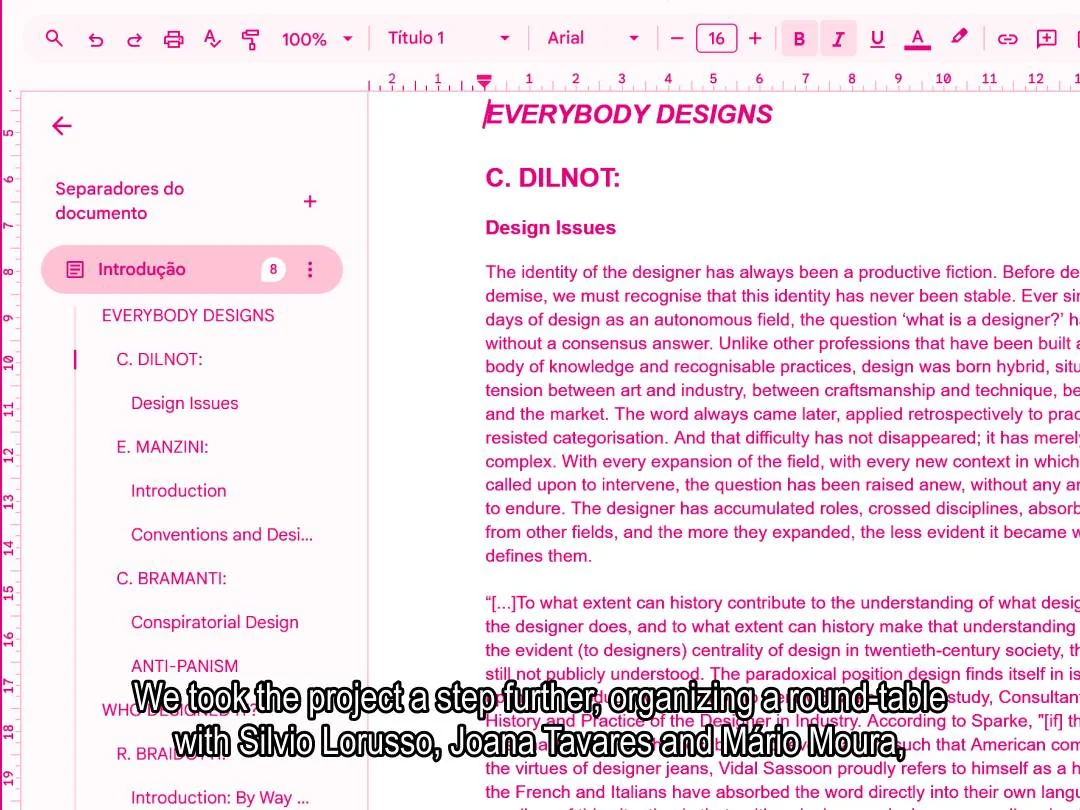
The designer’s identity has always been a productive fiction. Unstable, this identity crisis is nothing new—it is part and parcel of the discipline itself. A designer’s career path is shaped by external factors—economic, political, technological and social—which continually redefine their role.

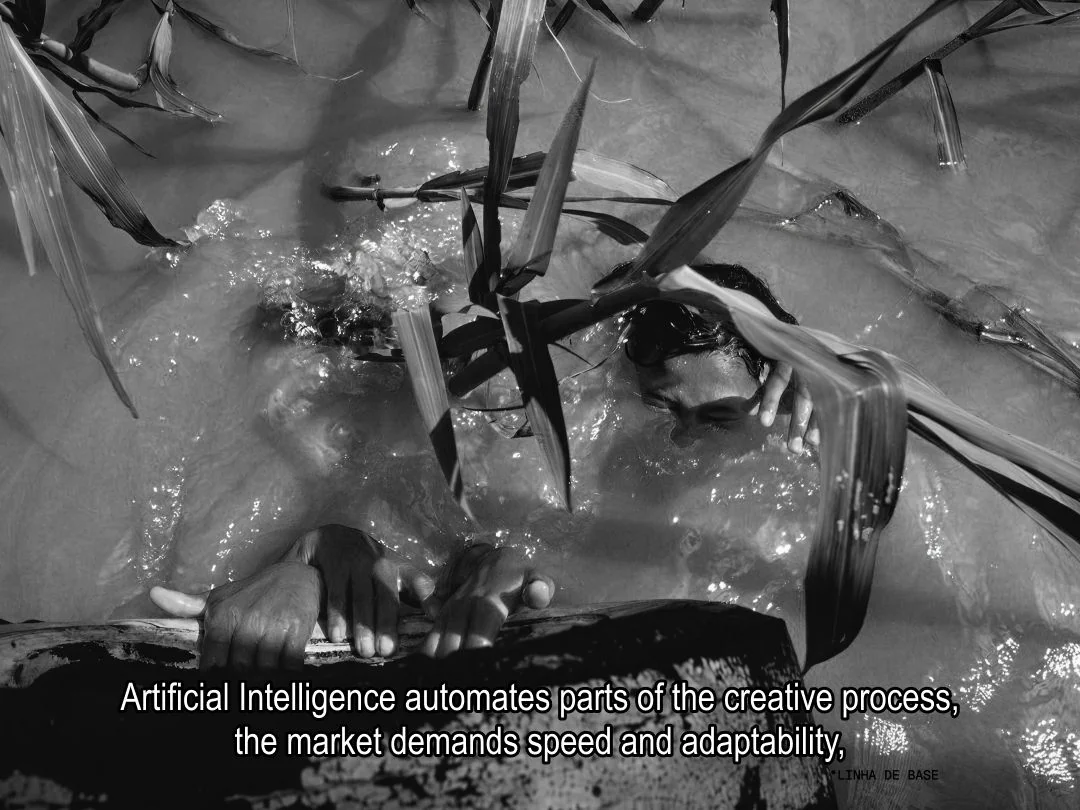
Today, artificial intelligence automates parts of the creative process, the market demands speed and adaptability, and social and political contexts influence what is relevant to design.

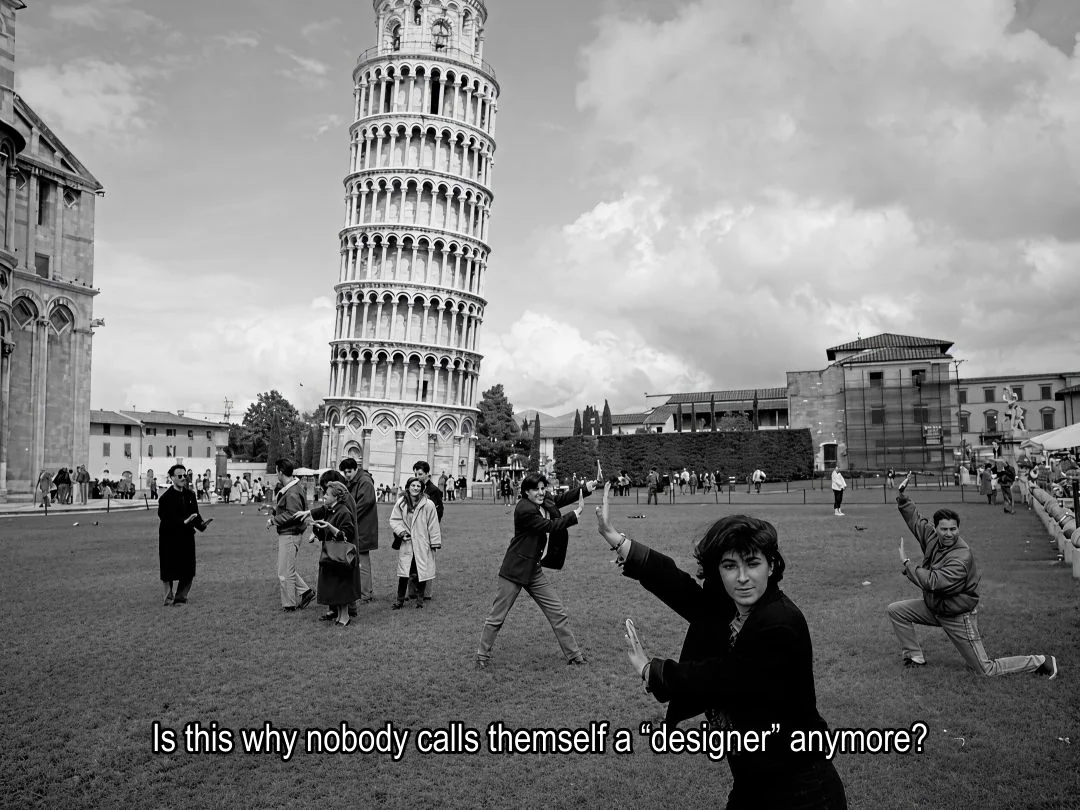
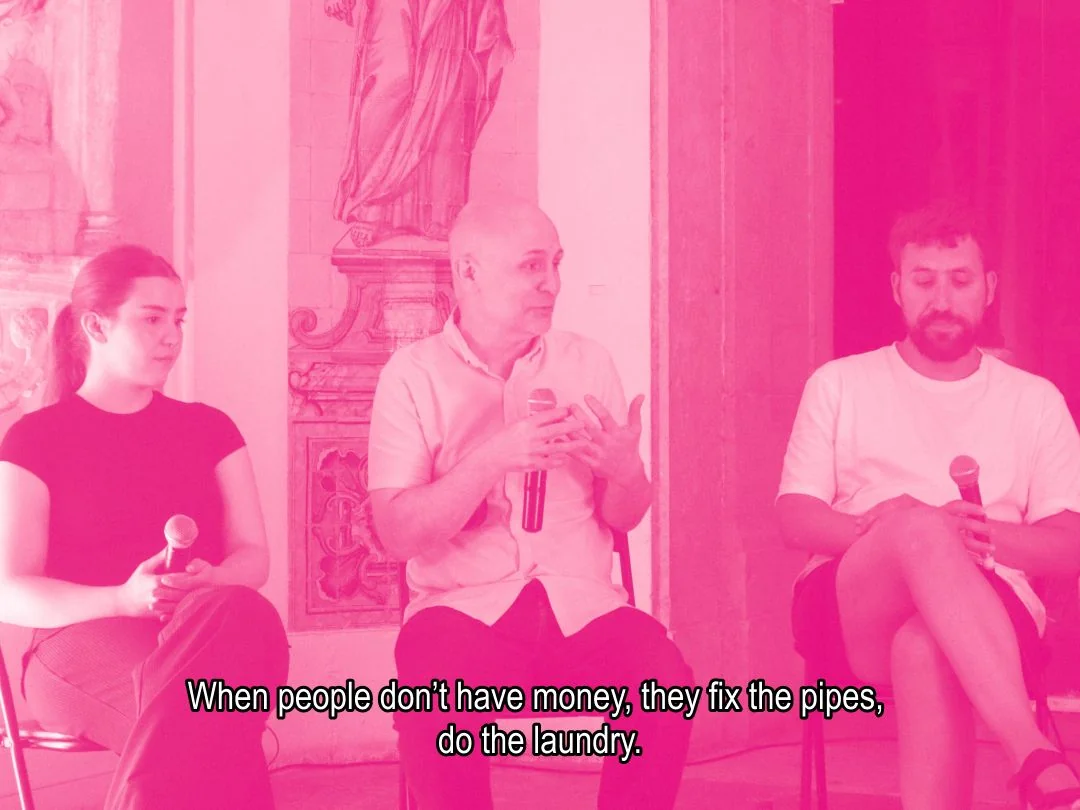
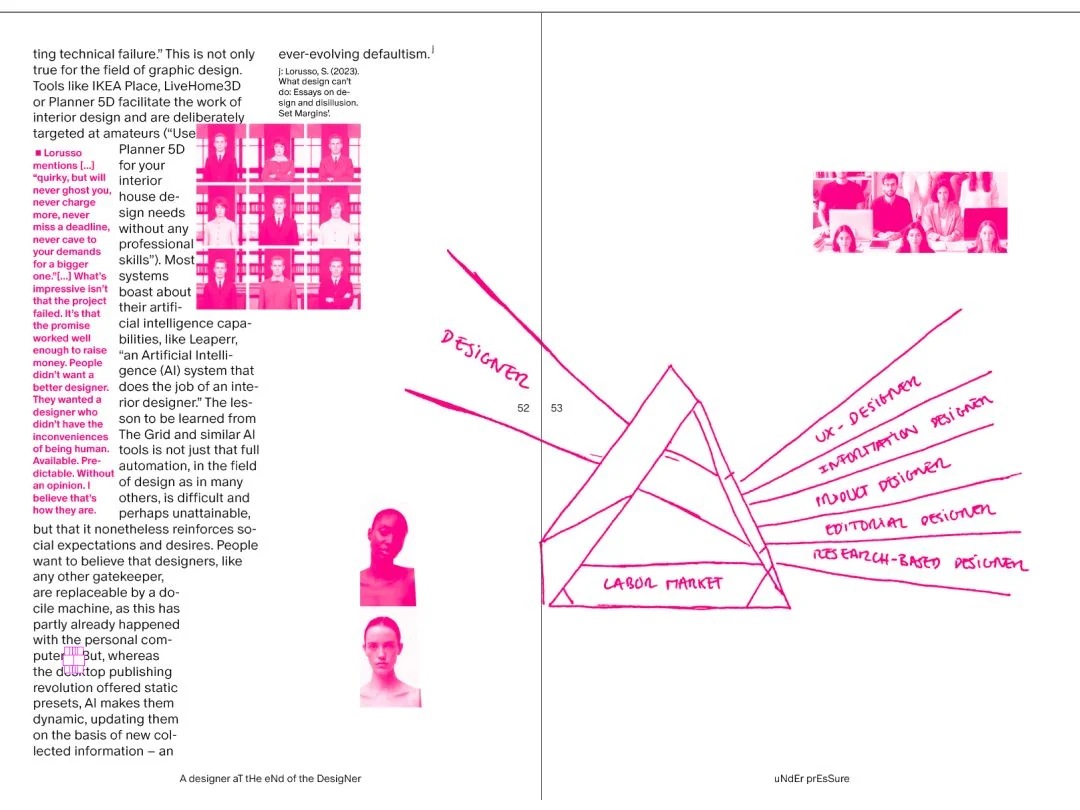
In this scenario, it has become rare for someone to present themselves simply as a ‘designer’. Instead, specialised titles such as UX Designer, Research Designer or Service Designer are proliferating.

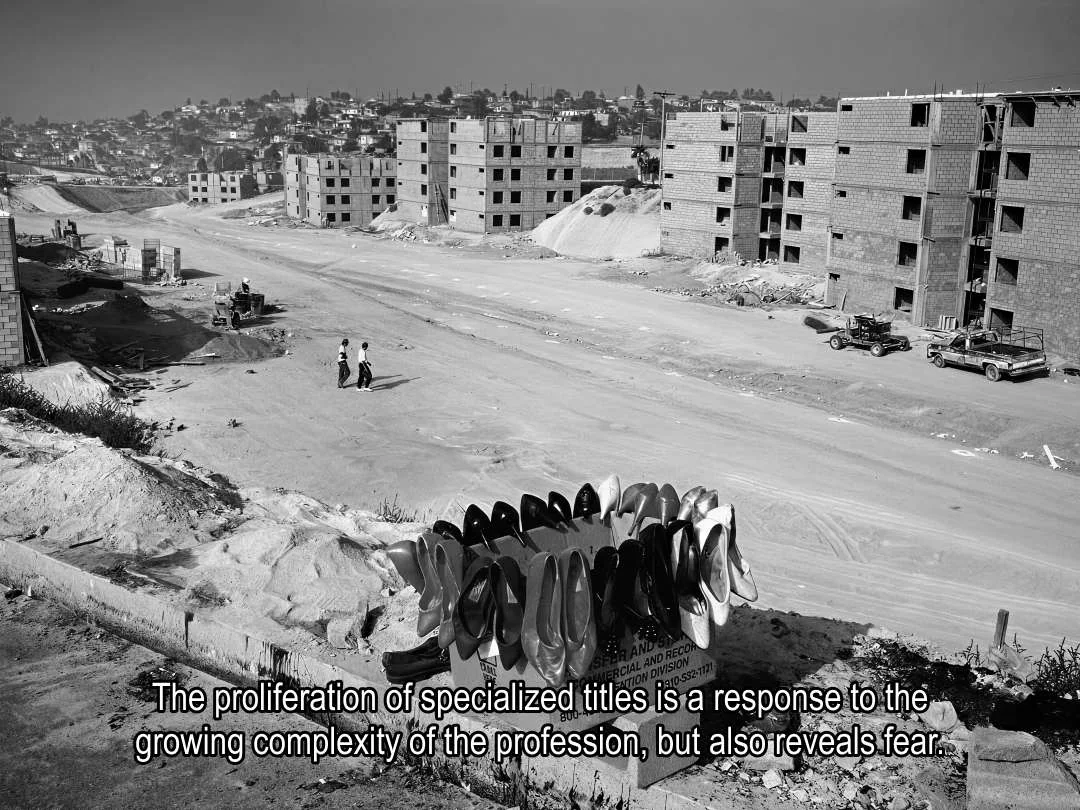
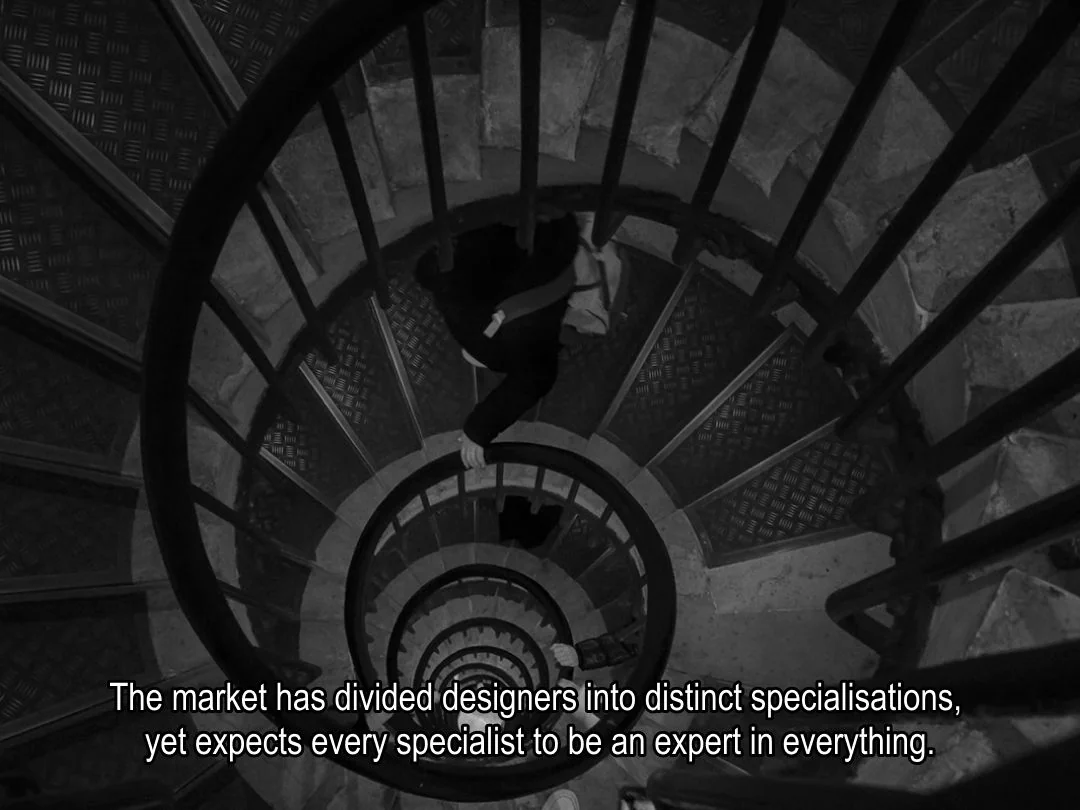
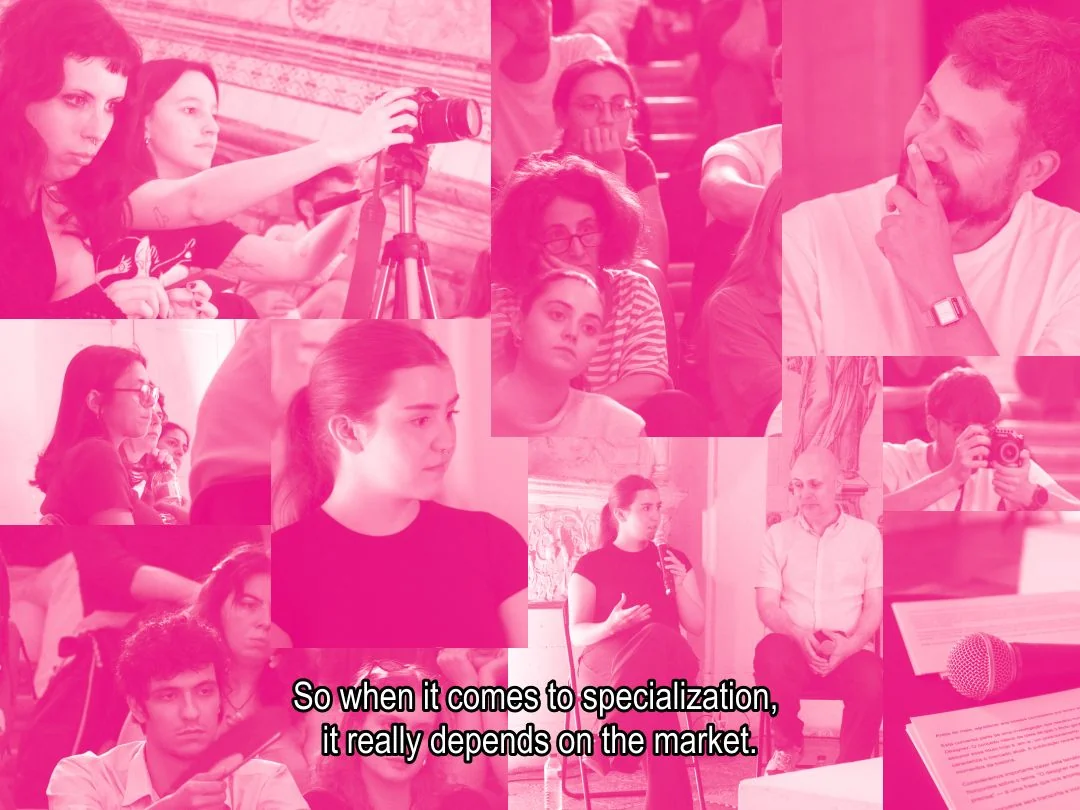
This proliferation of qualifications responds to the growing complexity of the profession, but also to a need for recognition. We are living a paradox: whilst the market fragments the practice into specialisms, it simultaneously demands professionals capable of working across different areas. Thus emerges the specialist designer who, at the same time, must know a little about everything.

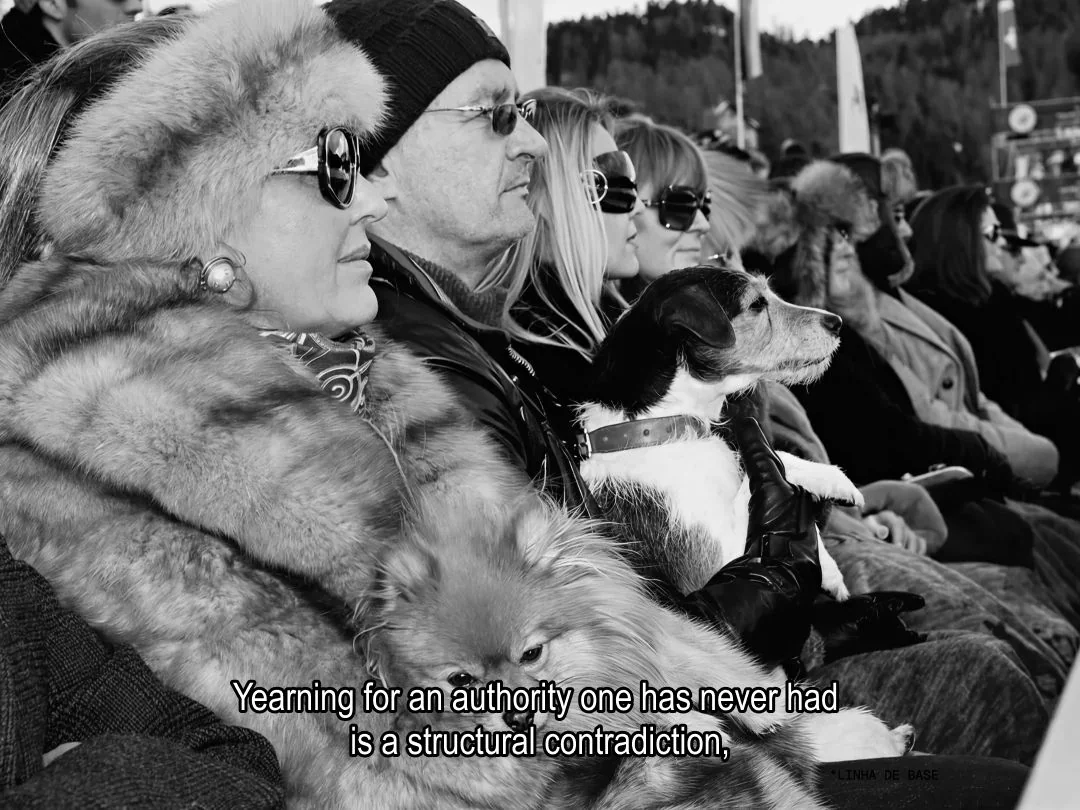
Hyper-specialisation can be understood as a form of identity anxiety. The specific title acts as a form of protection, a sign of belonging and legitimacy. The qualifying word does not answer the question “what are you?”. Rather, it seeks to minimise the uncertainty that this question generates.

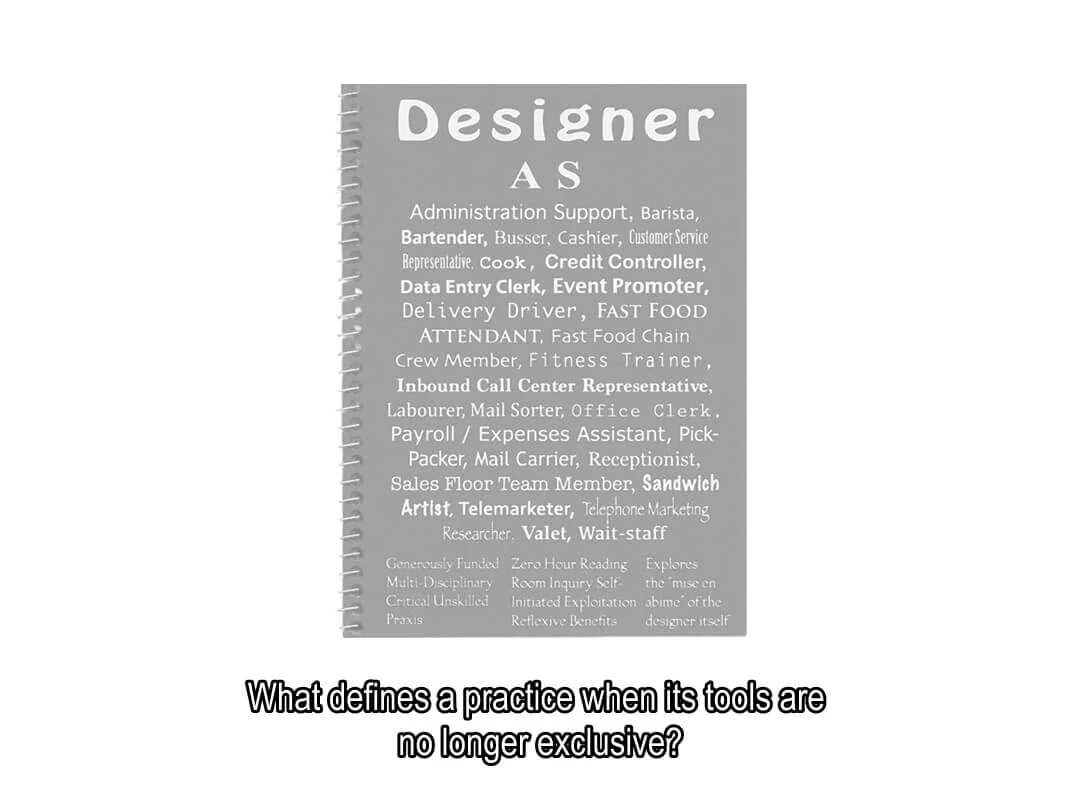
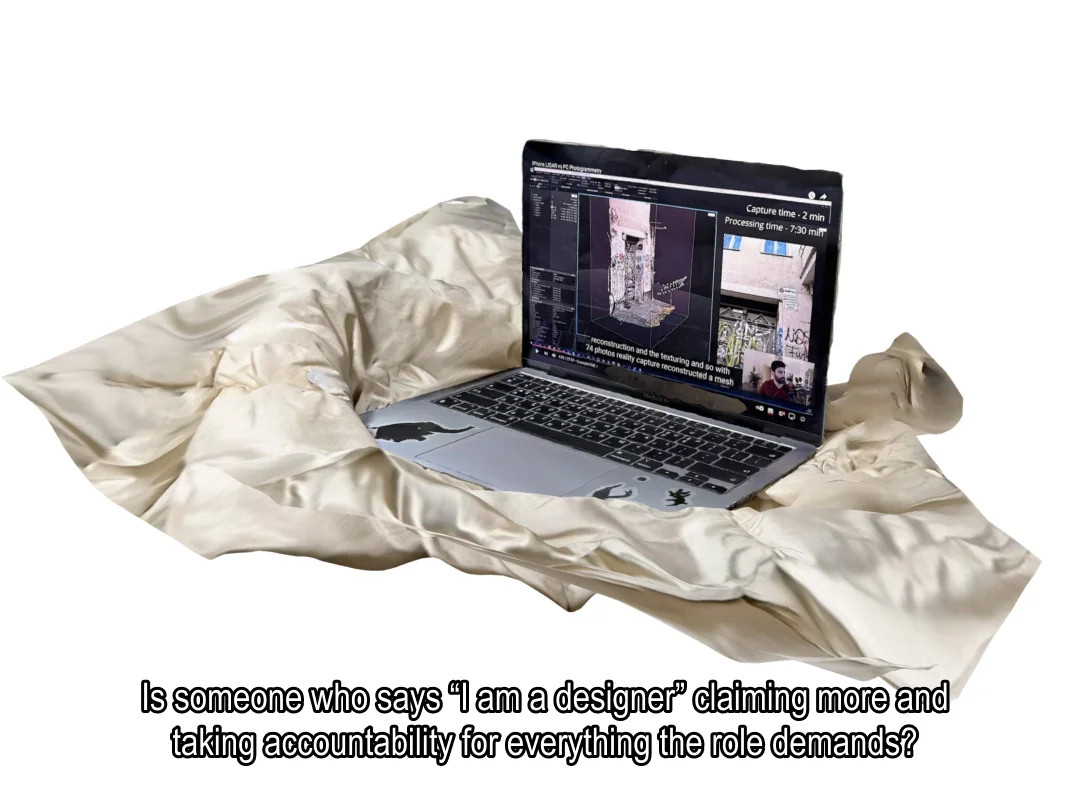
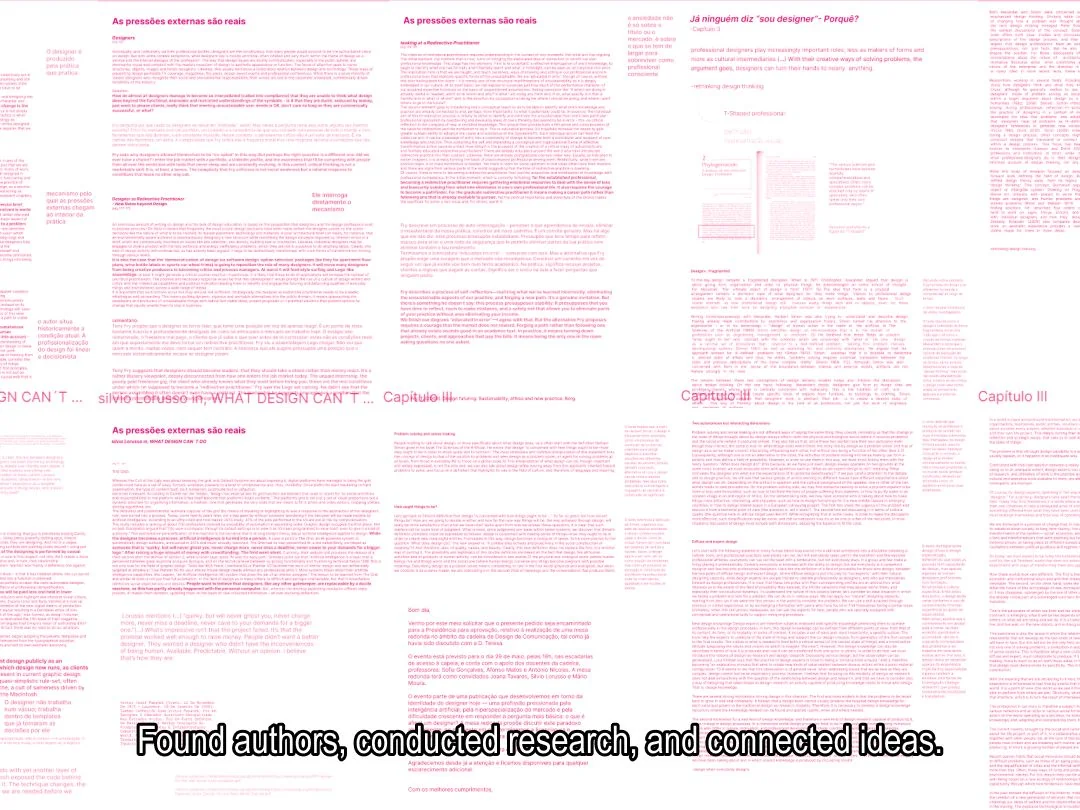
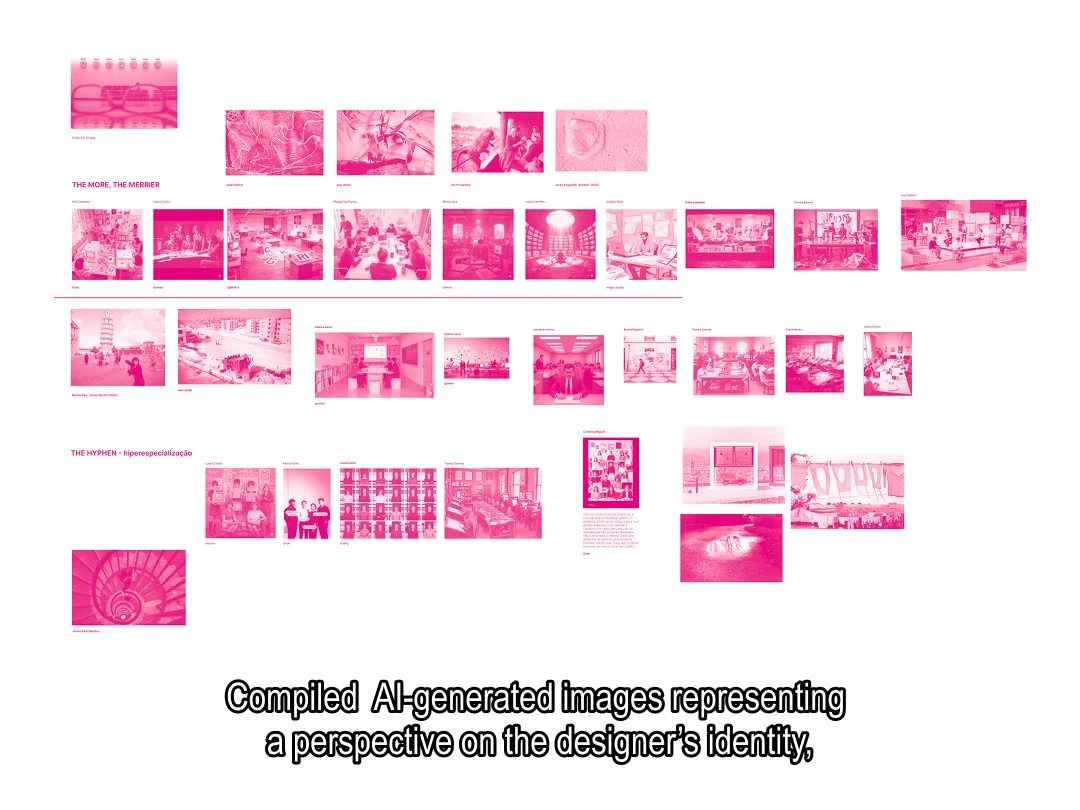
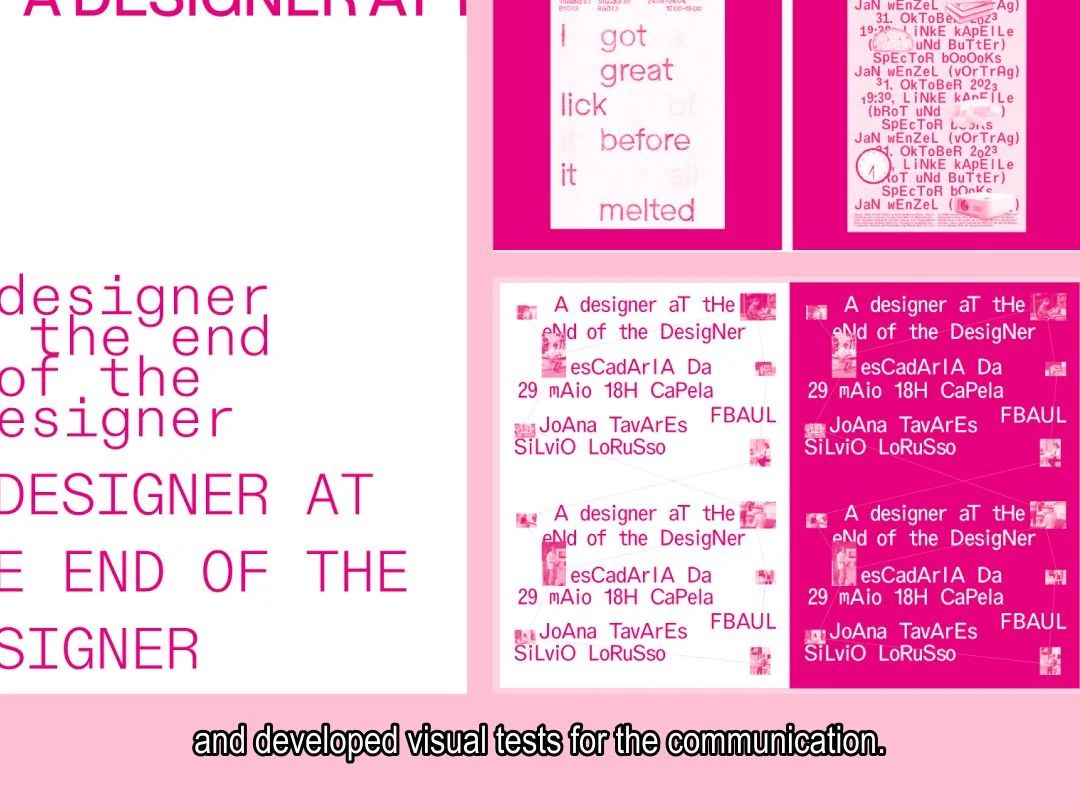
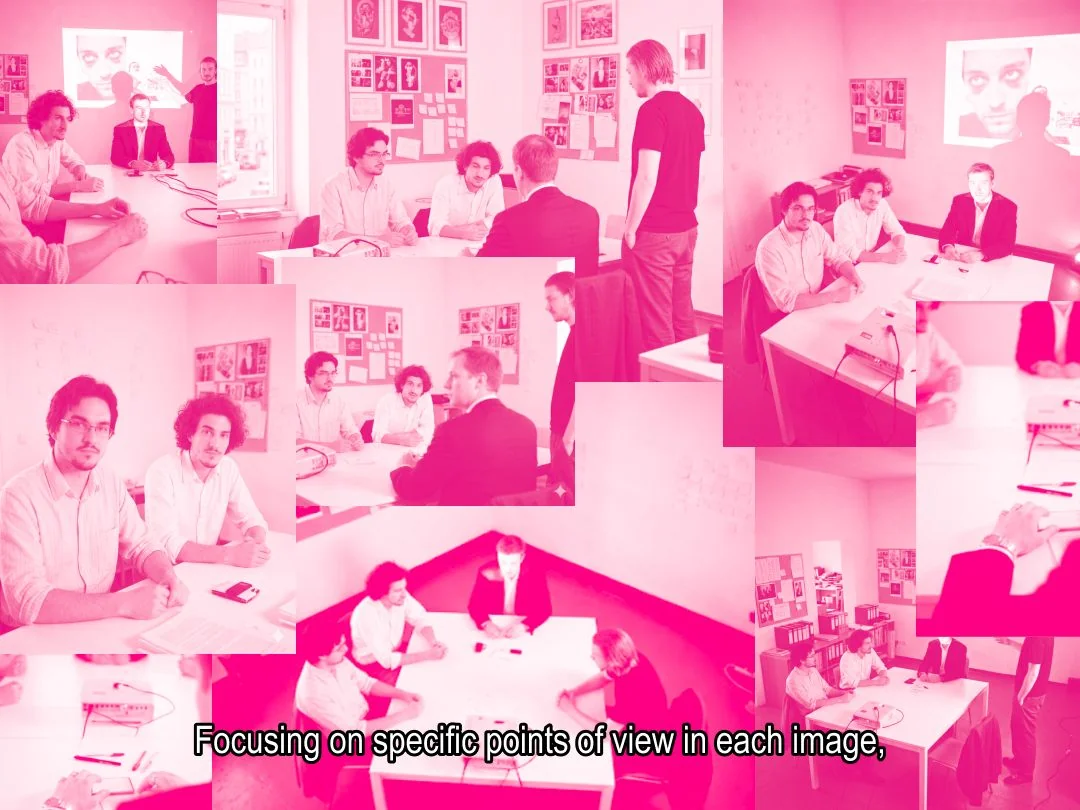
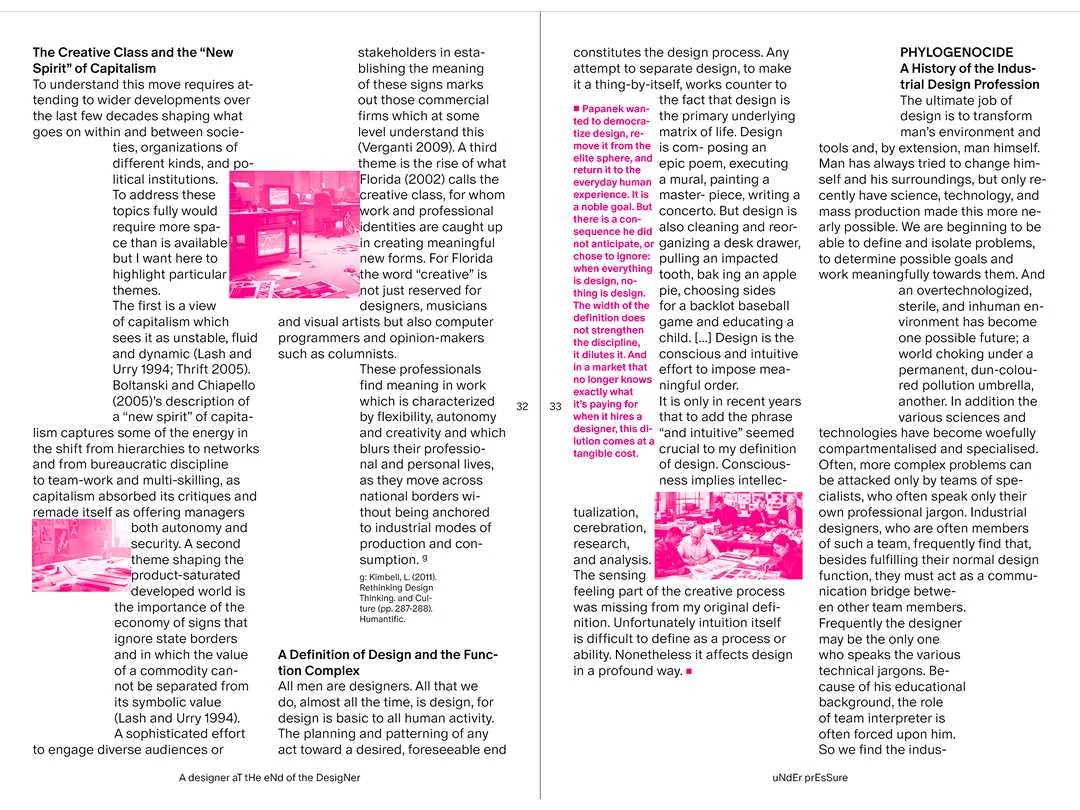
In a world where everyone claims to be a designer, simply saying “I am a designer” seems vague. Yet it may be the most challenging statement of all: refusing to reduce the discipline to a specific role and asserting its breadth as a skill set. A Designer at the End of the Designer takes this tension as its starting point to reflect on the contemporary meaning of simply being a designer.

PROJECT BY Inês Campos
Isa Goulart
Mariana Coelho
Marta Bello

close
A DESIGNER AT THE END OF...
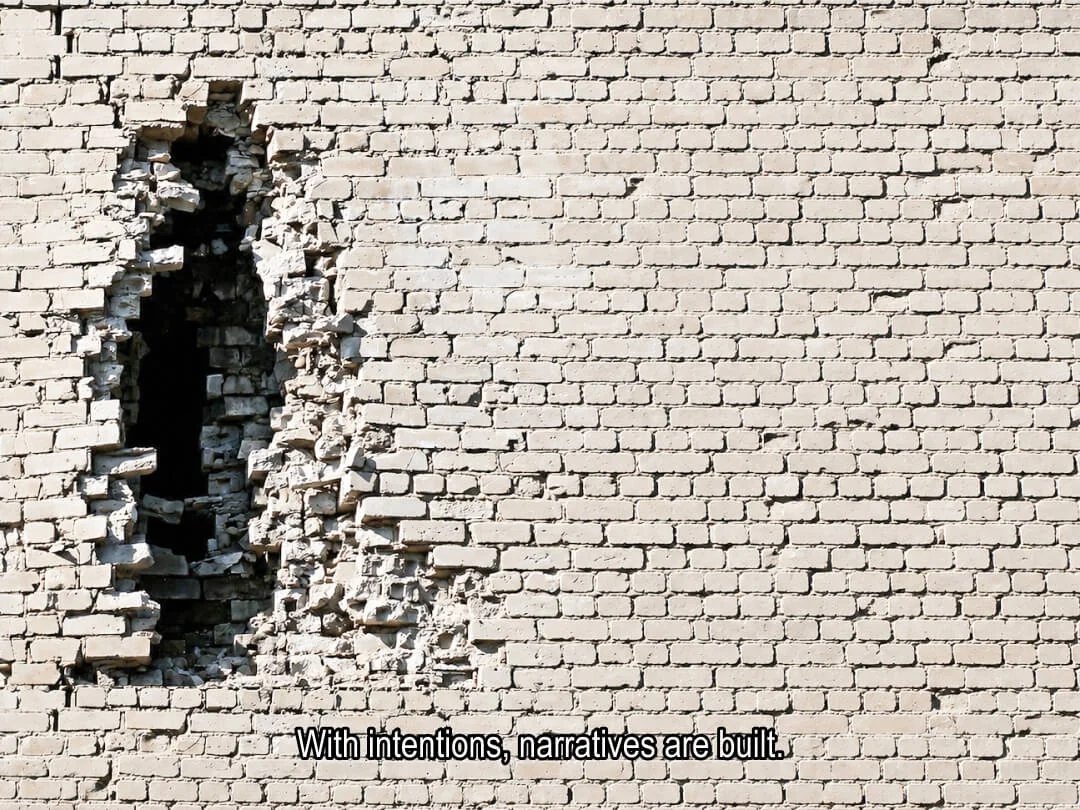
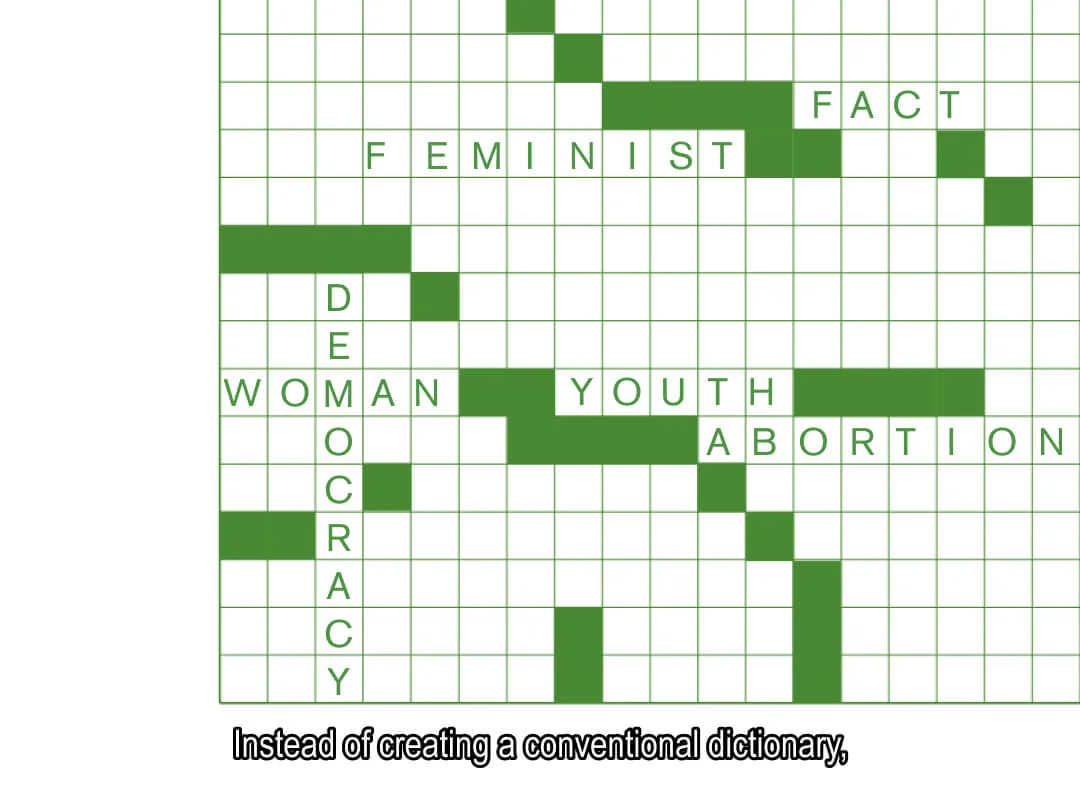
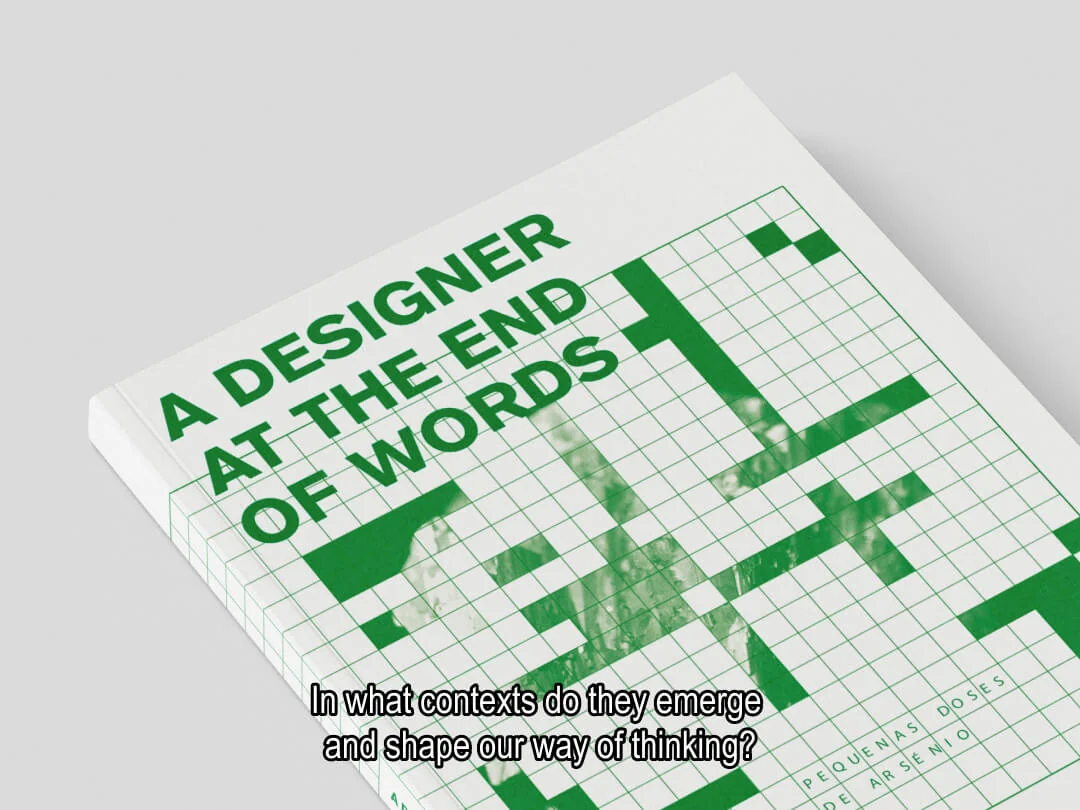
Words (PUBLICATION)

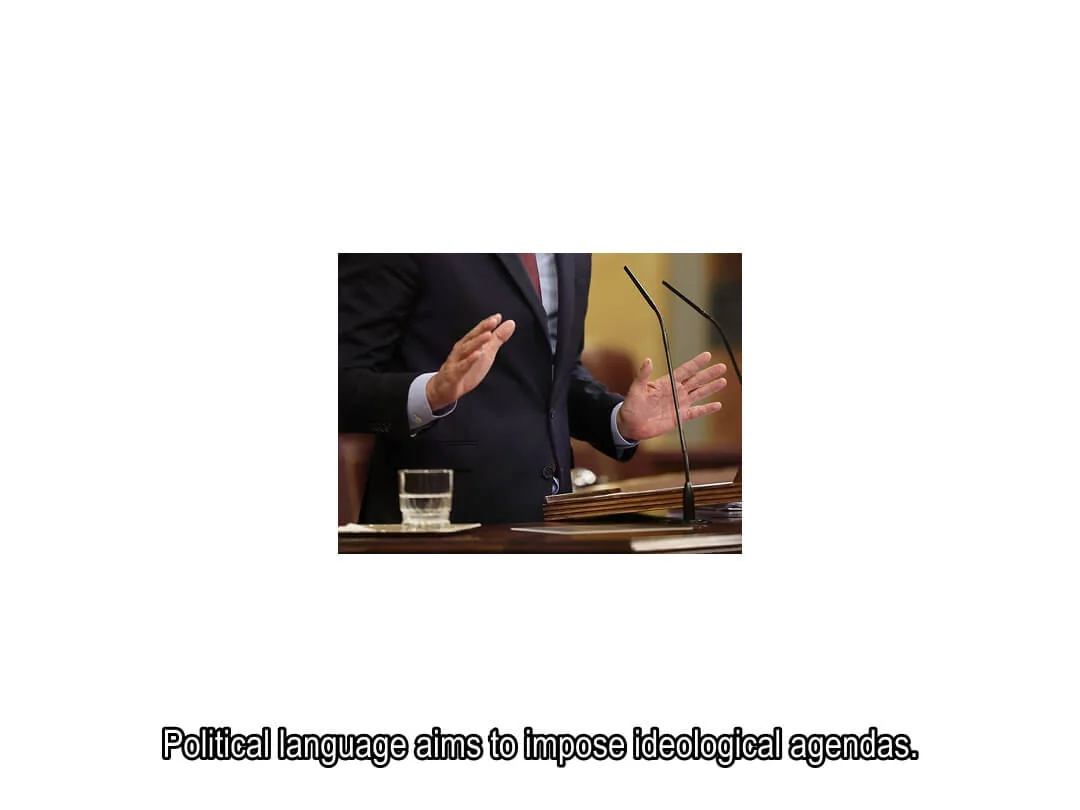
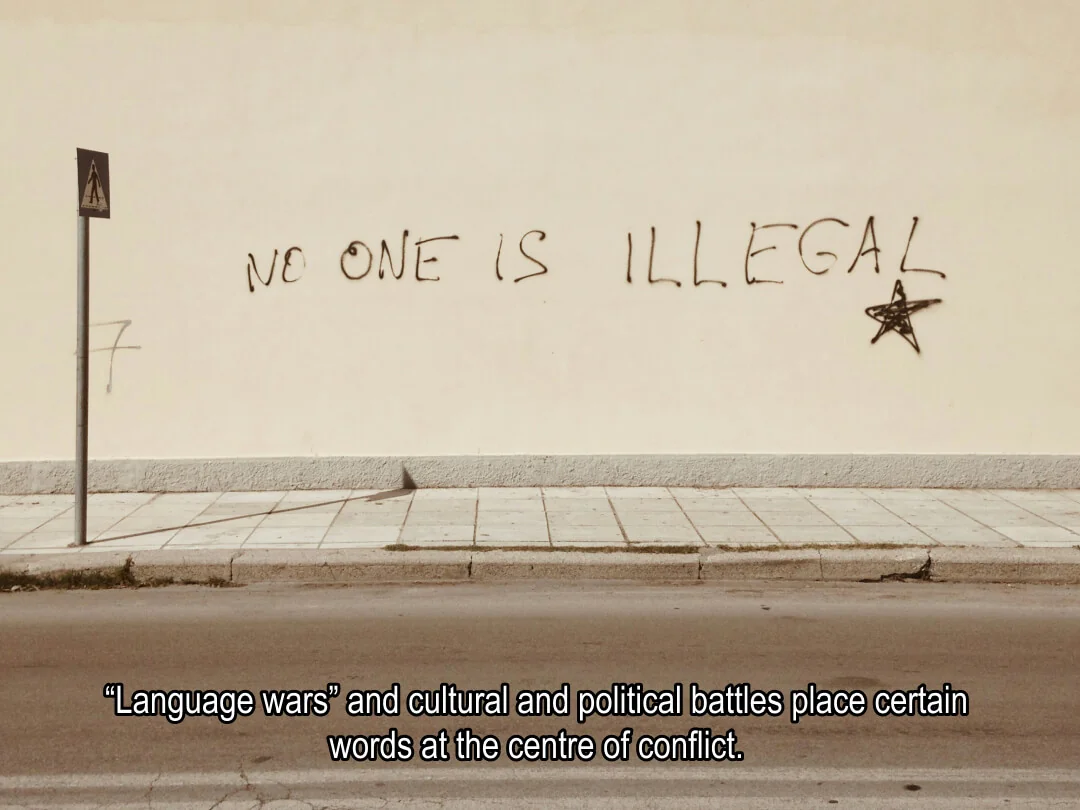
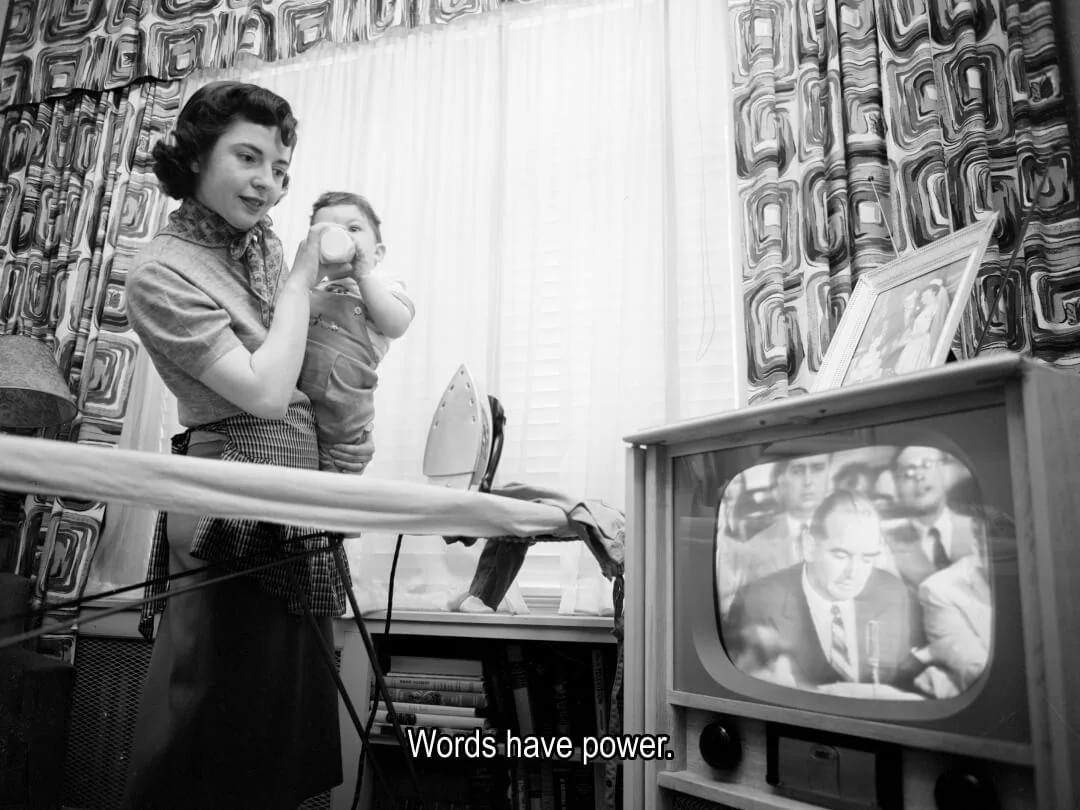
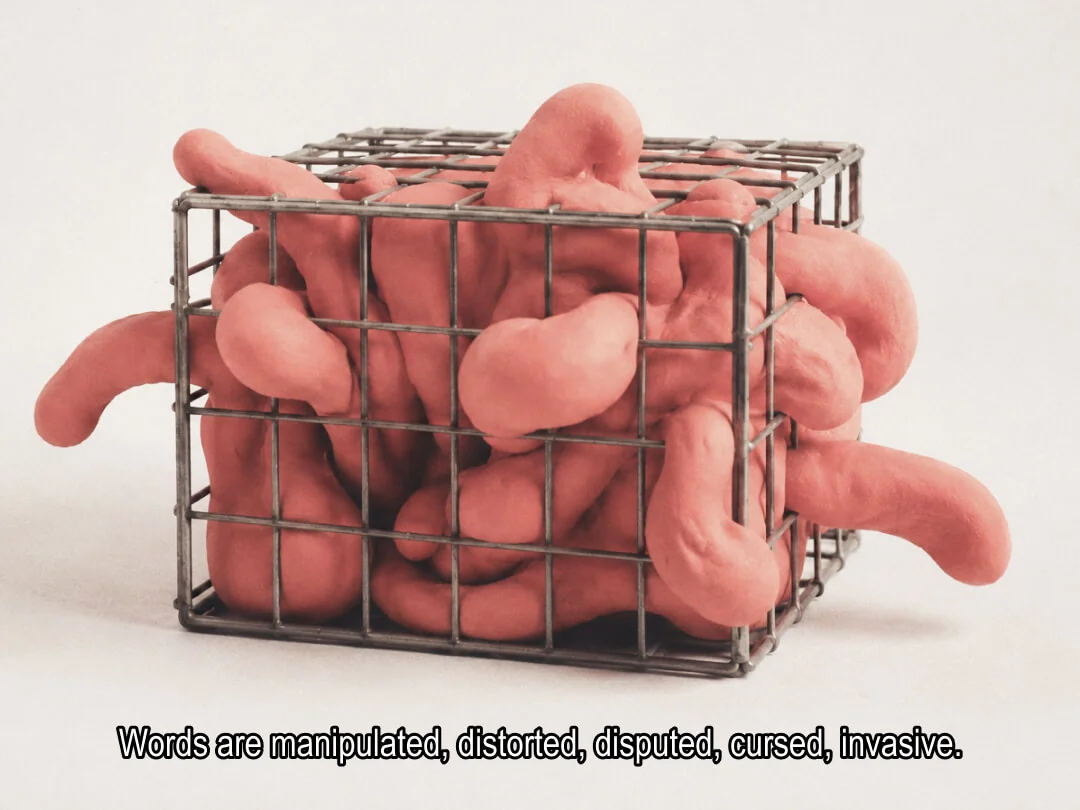
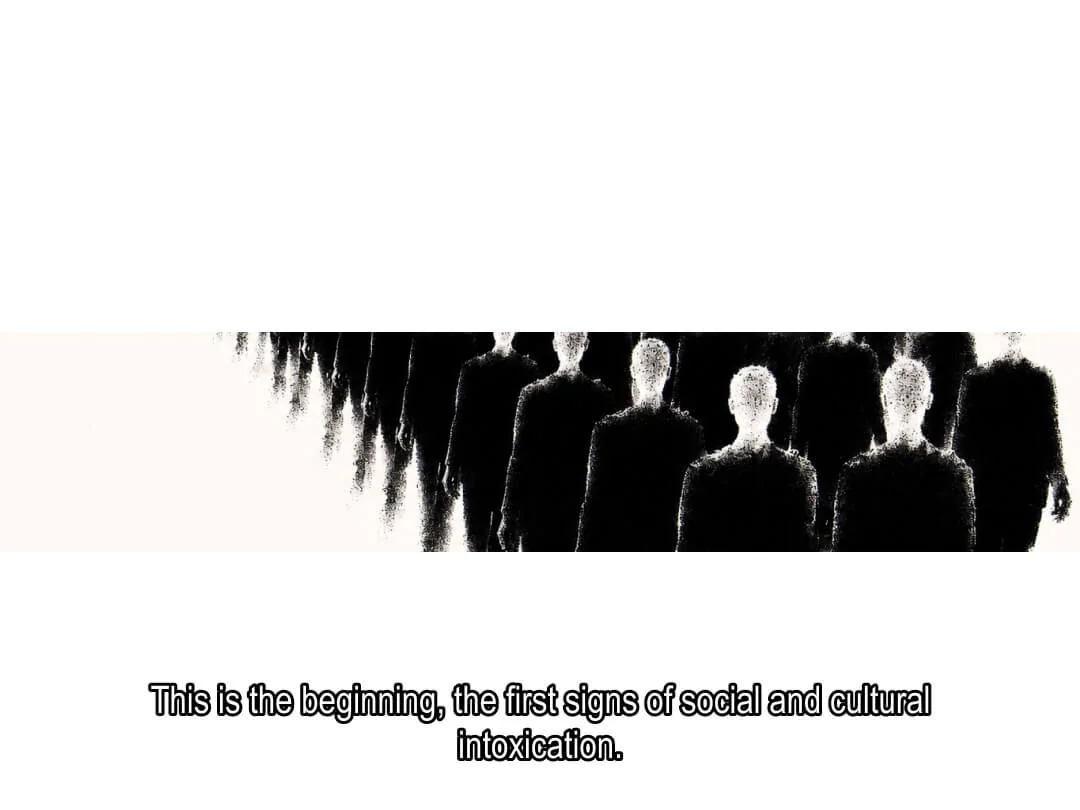
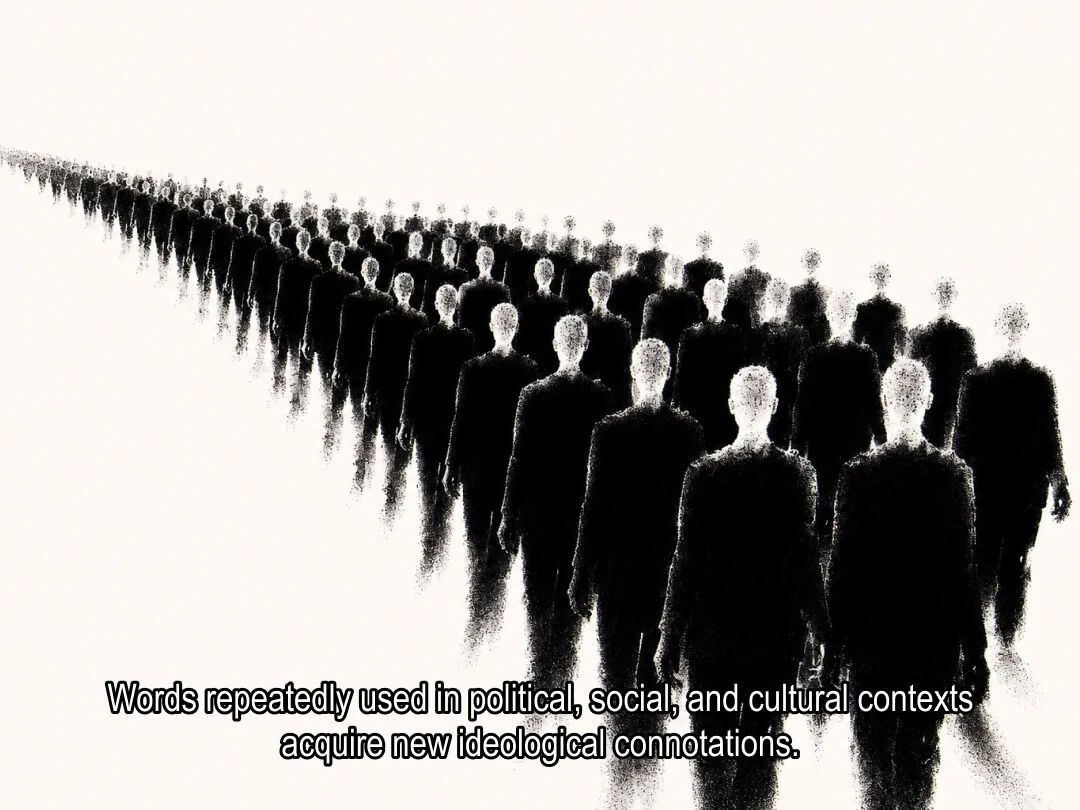
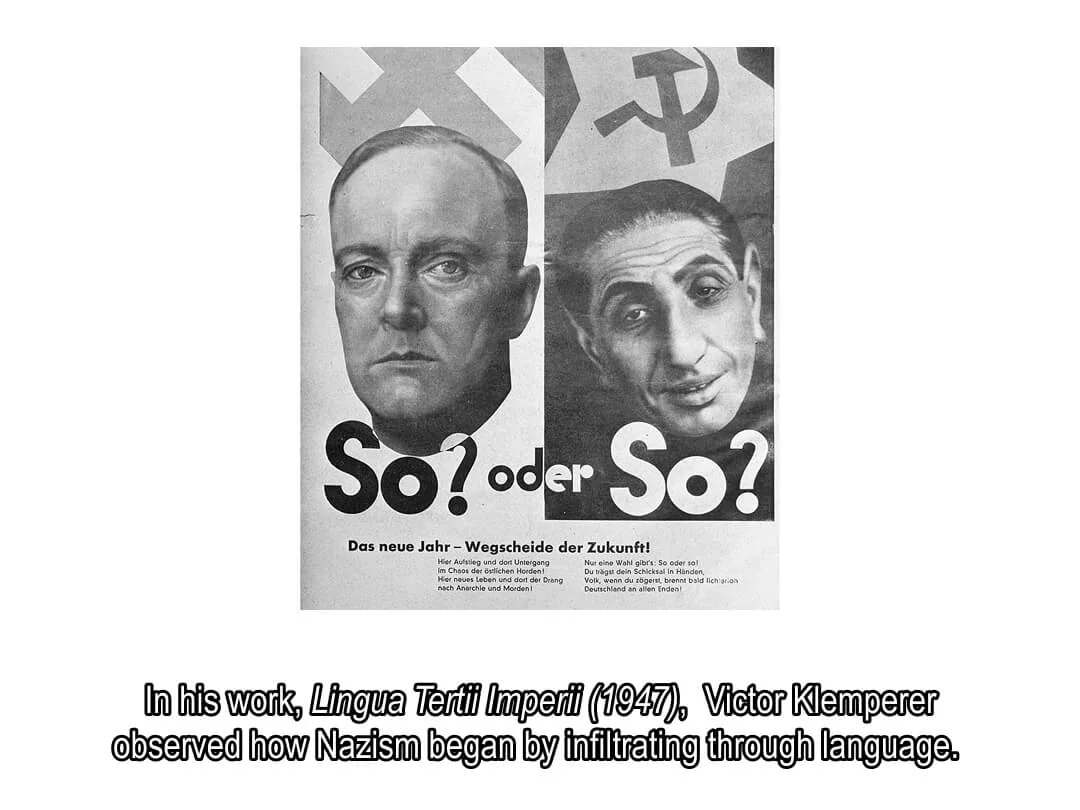
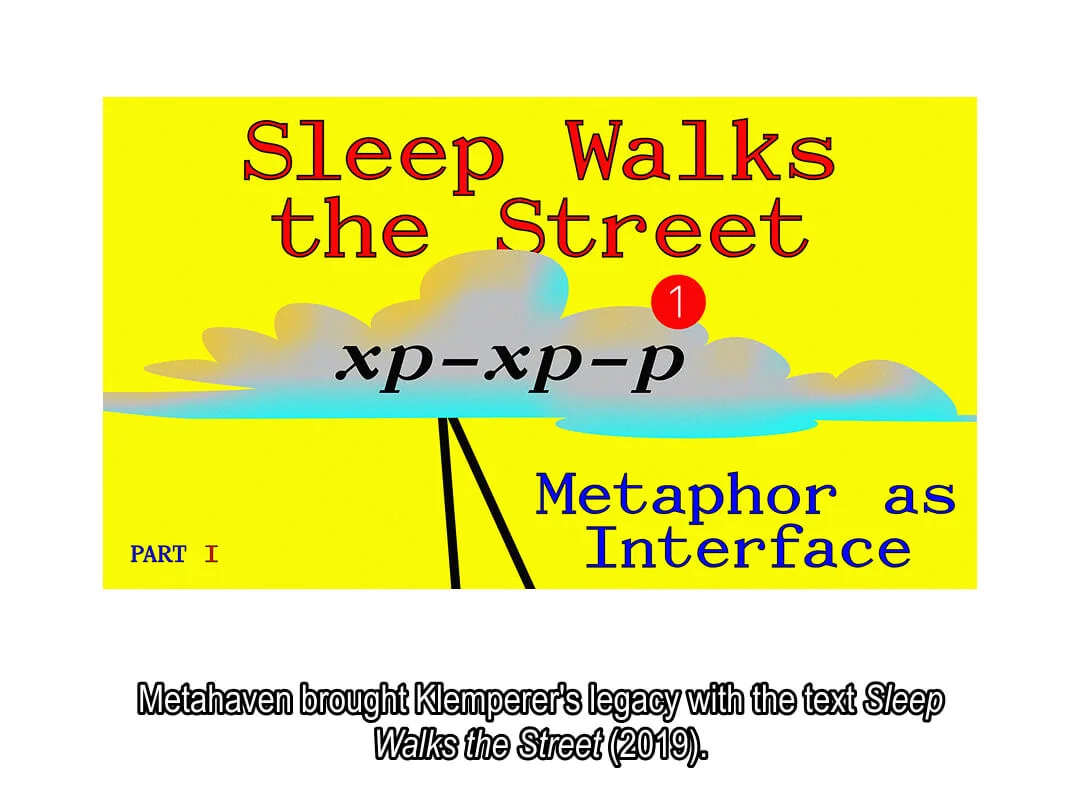
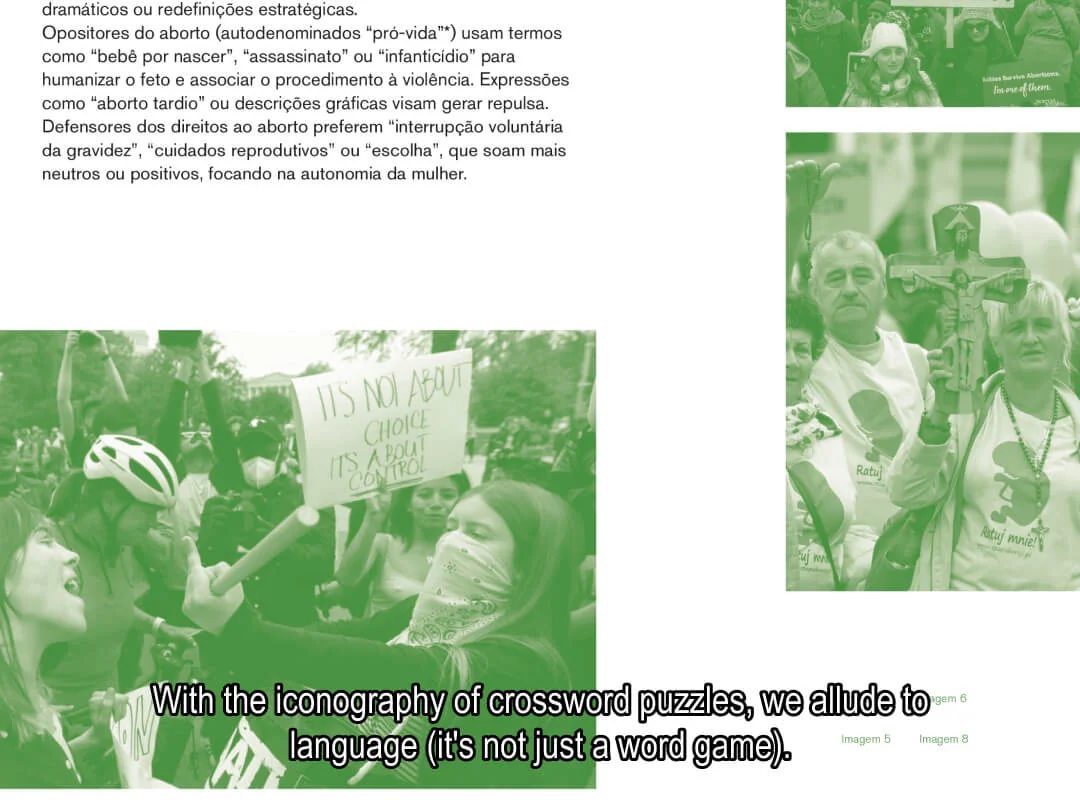
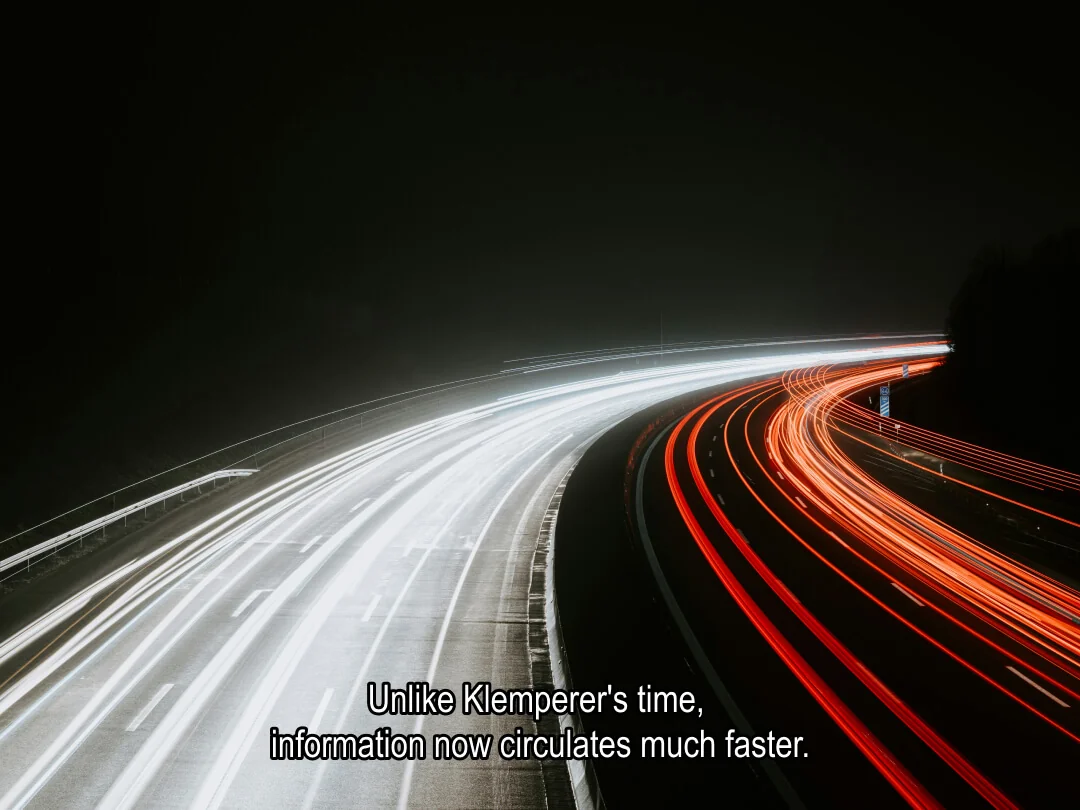
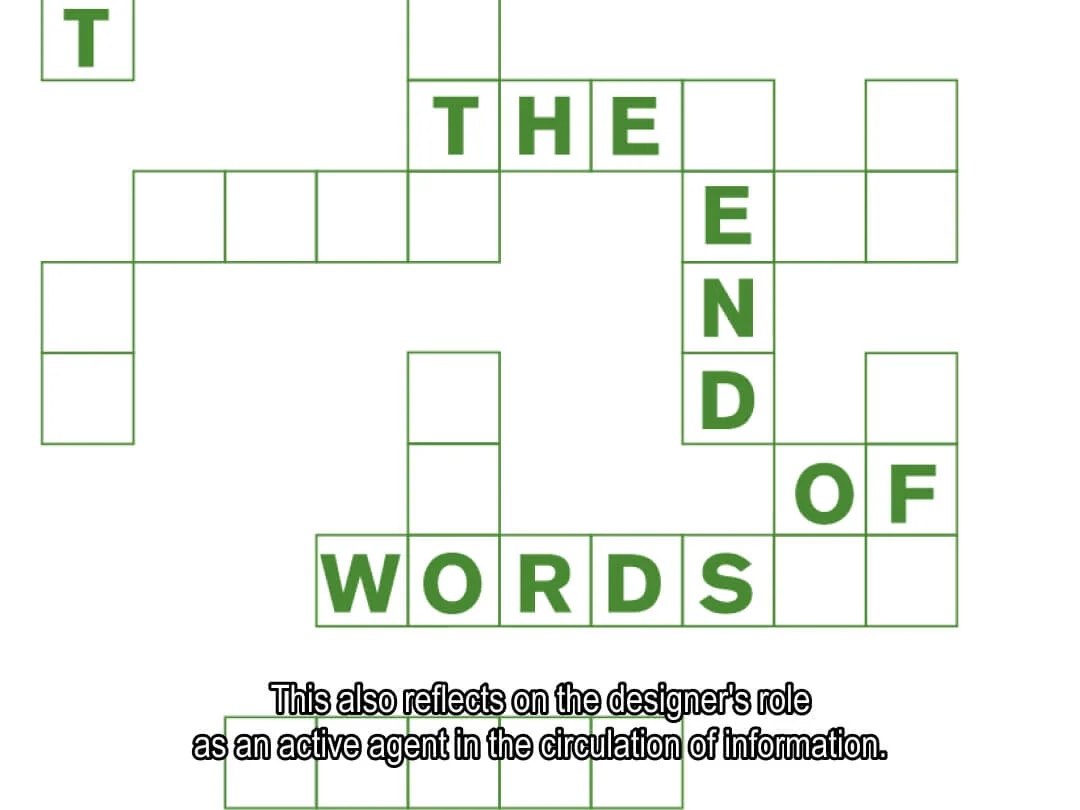
In his book The Language of the Third Reich (1947), Victor Klemperer argues that words function as “small doses of arsenic”, infiltrating everyday discourse almost imperceptibly and altering the way we think and interpret the world. Consequently, widely used terms cease to have a fixed meaning, taking on multiple and contradictory meanings.

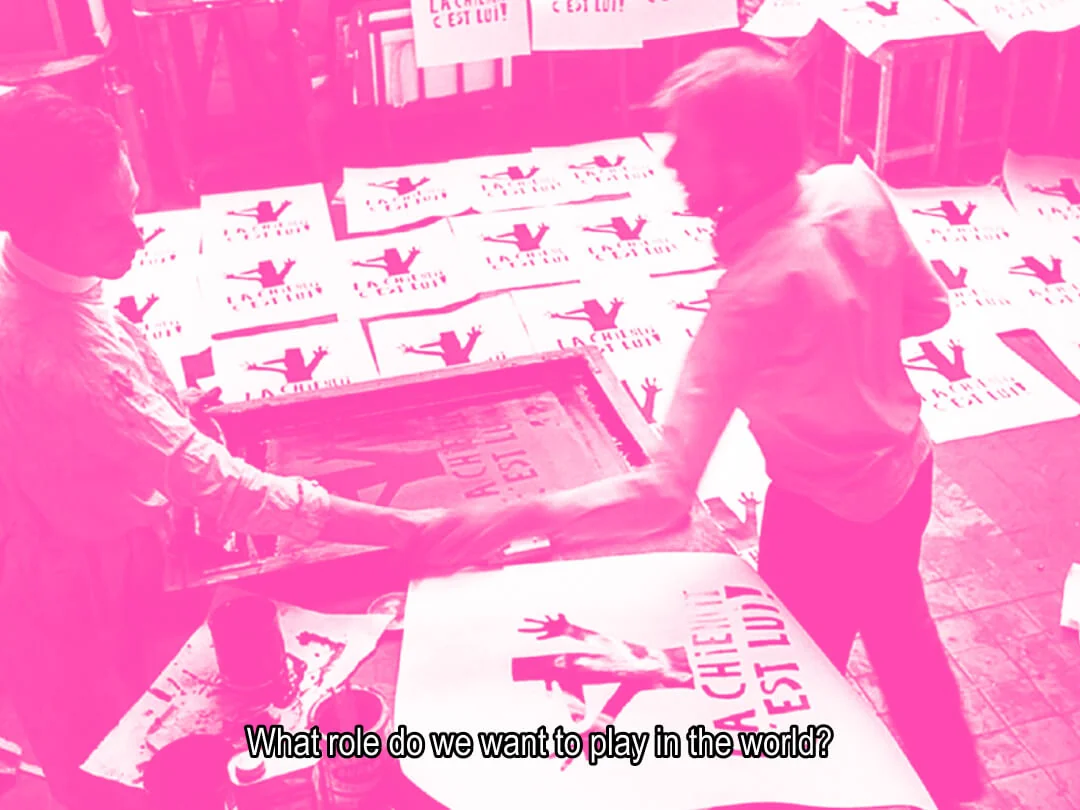
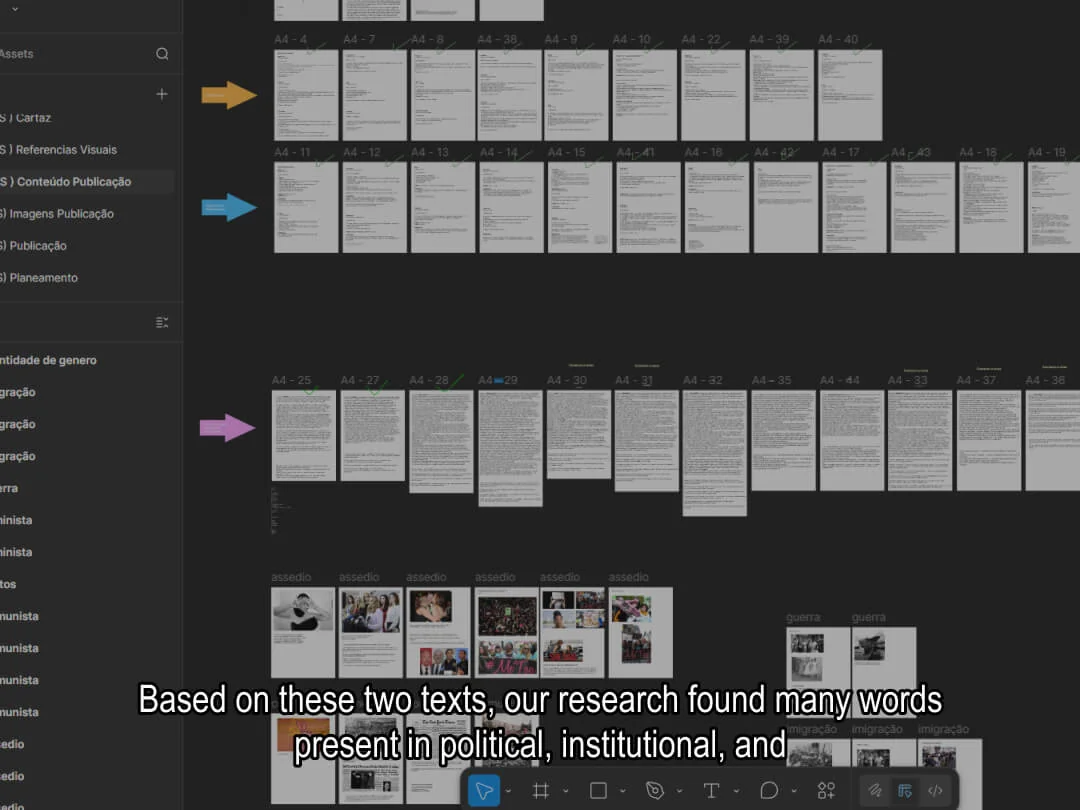
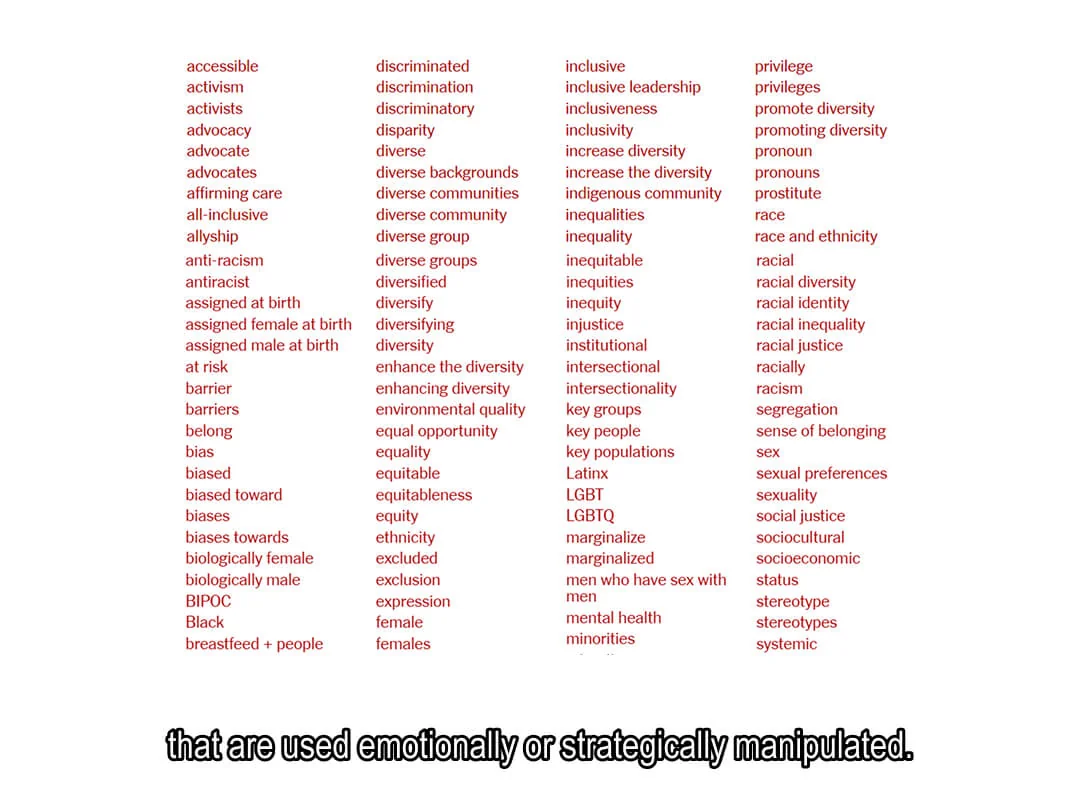
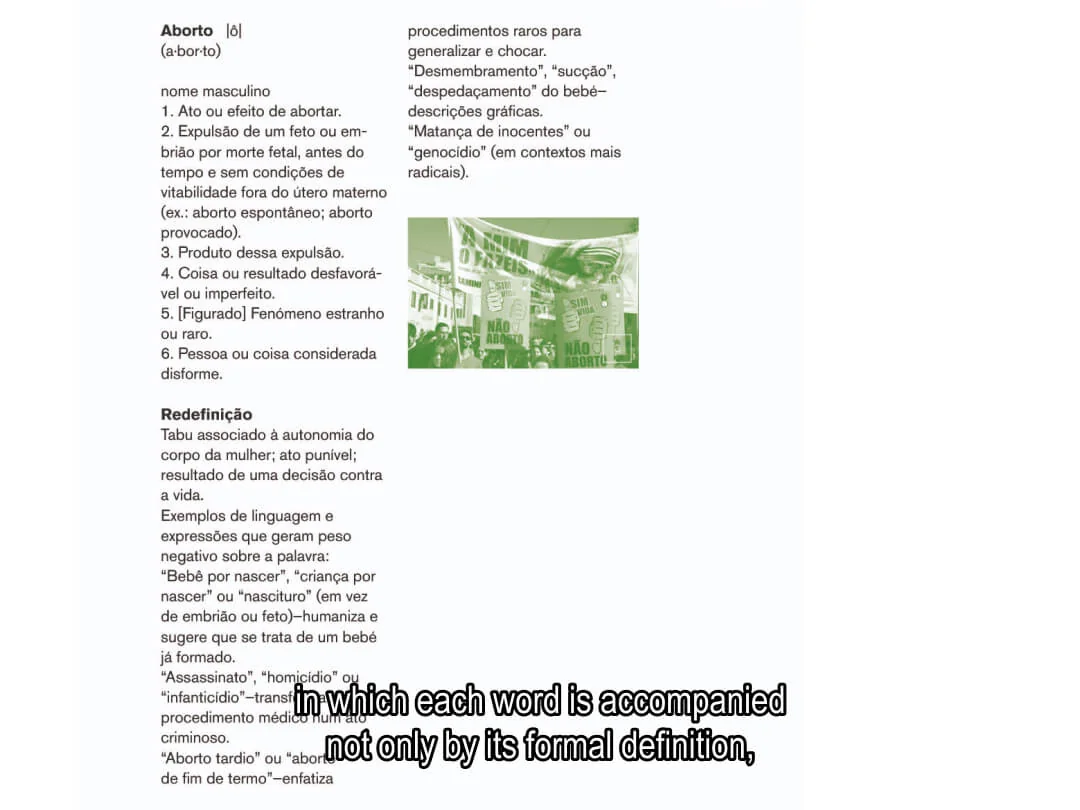
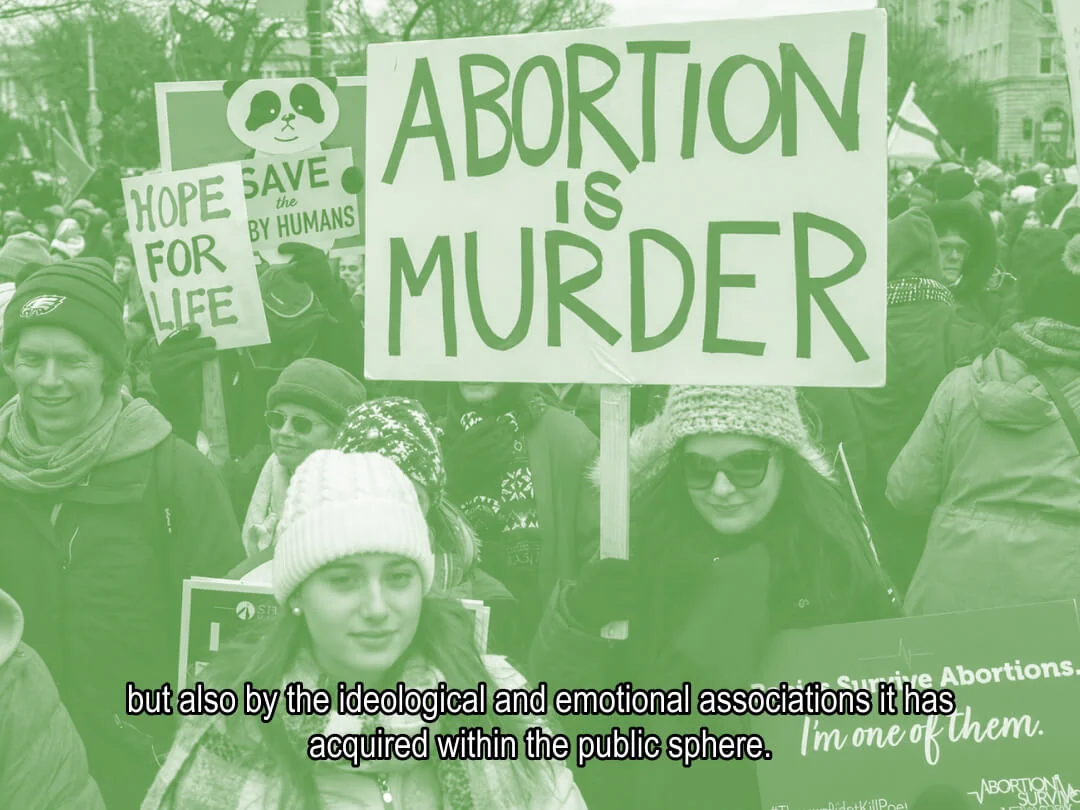
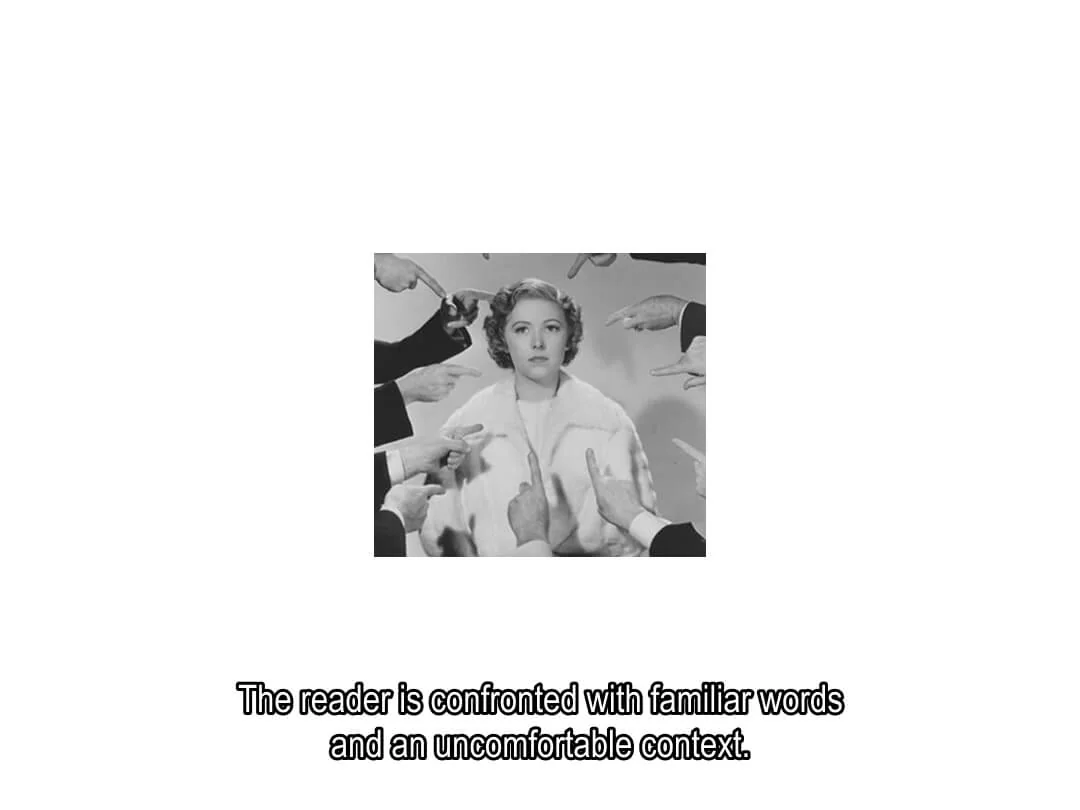
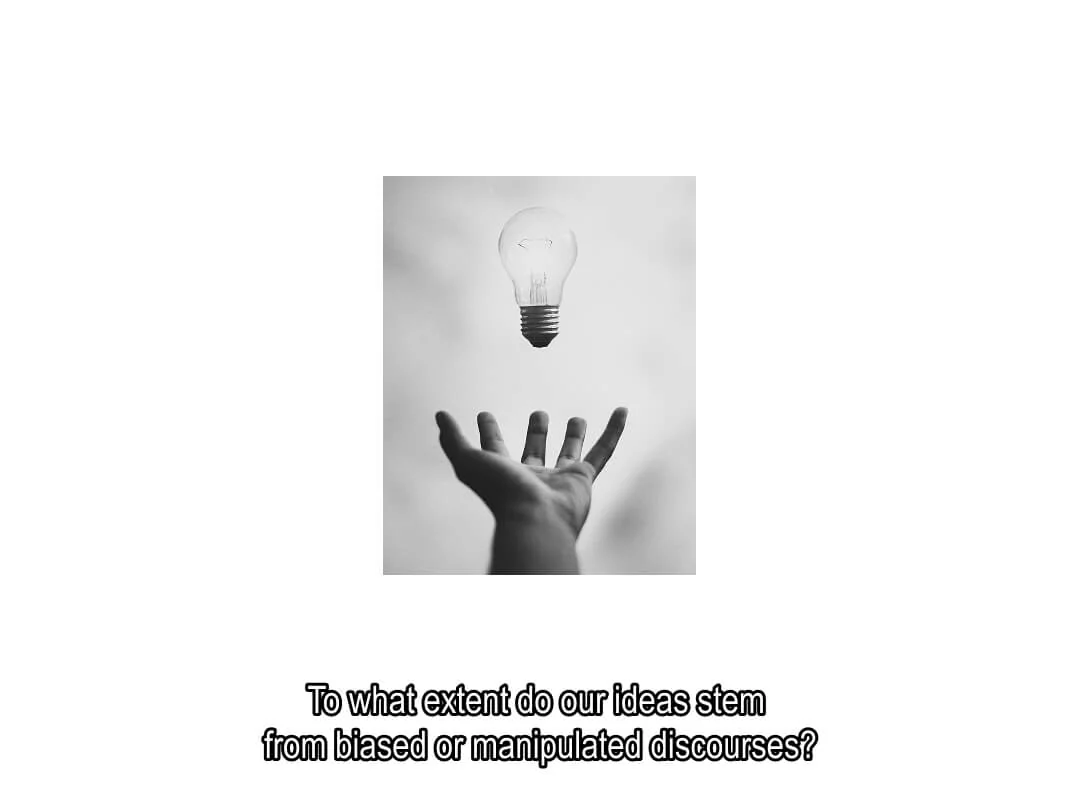
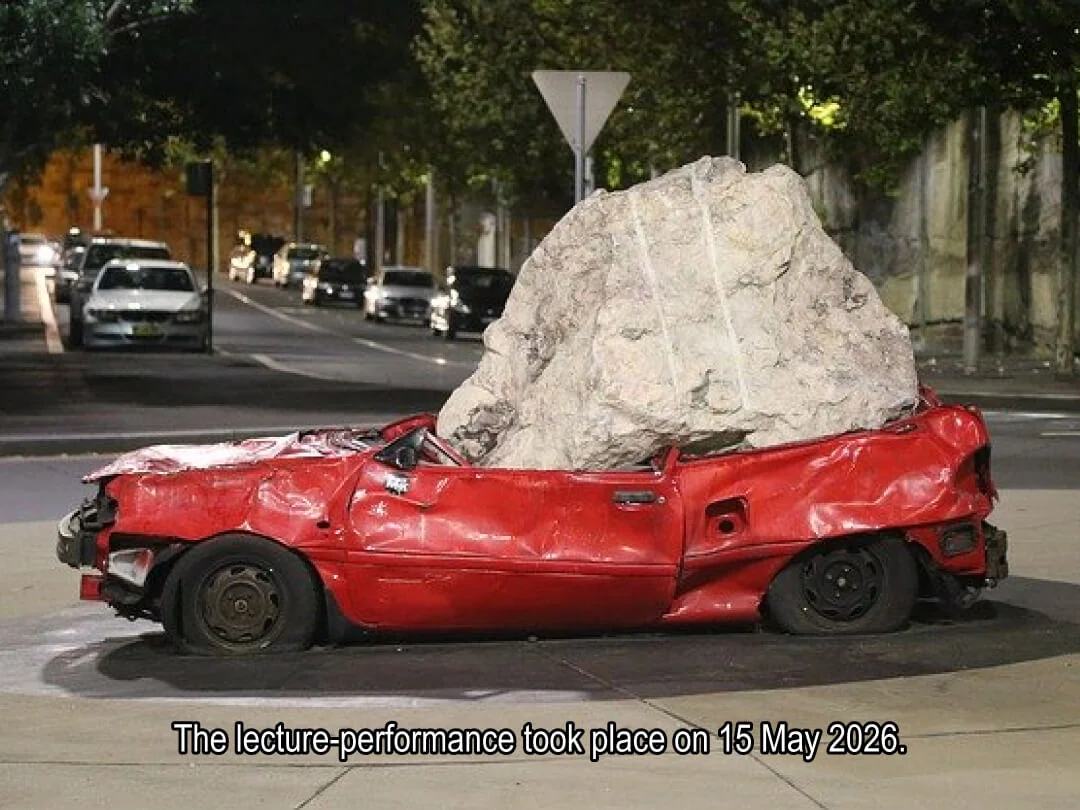
In A Designer at the End of Words, we propose to explore this condition by presenting distorted or manipulated words. We began with a list of words compiled by the students in response to the academic briefing “We are the words of others”, which explored the transformation of public discourse through contested or forbidden words. Drawing inspiration from Jean-Luc Godard’s fragmented essay and political dissatisfaction in La Chinoise (1967), this project was organised in two stages. The first consisted of a lecture-performance, in which each student presented and defined their chosen word, put forward arguments justifying its contestation, and analysed its social effects. The second part translated this discussion into a verbal-visual essay, converting the oral into a printed medium.

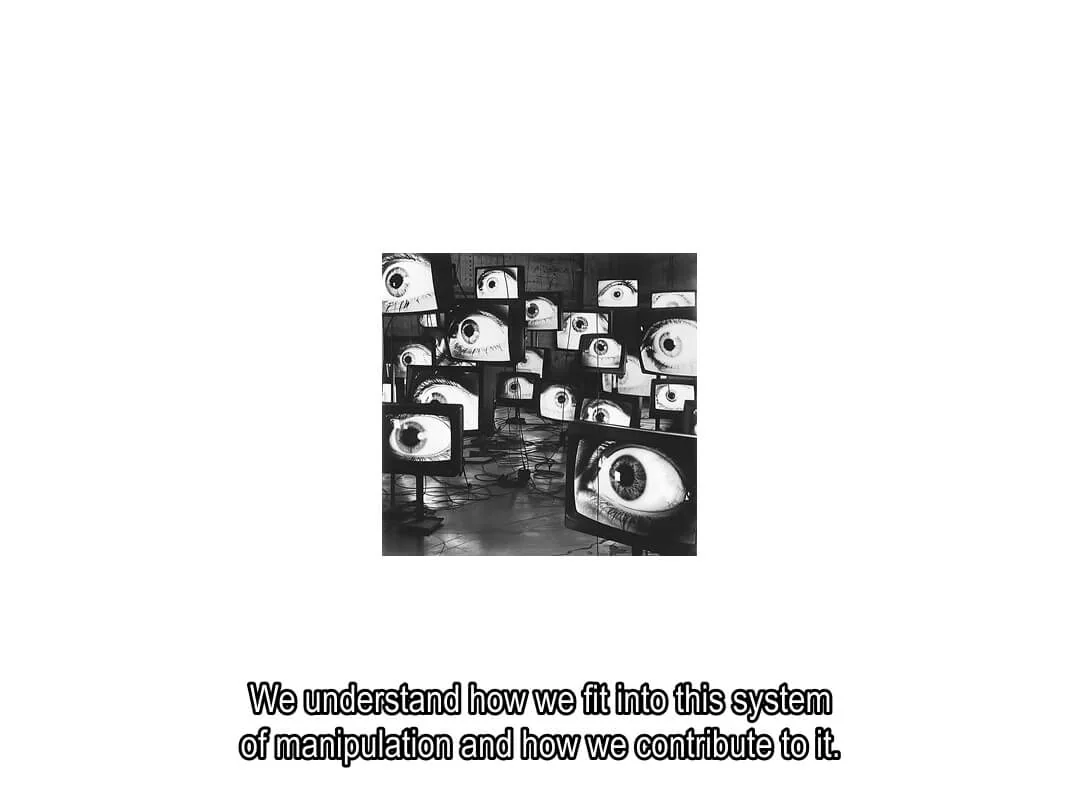
Building on this finding, we sought to identify and highlight these shifts in language, as well as to recognise our role as designers. Using an alternative dictionary, we sought to bring to light what often operates invisibly within public discourse and, in turn, within the ways of interpretation and action that shape key policies and social dynamics.

PROJECT BY Ana Belchior
Andreia Fonseca
Carolina Costa
Selma Pina

close
A DESIGNER AT THE END OF...
Control (GAME)

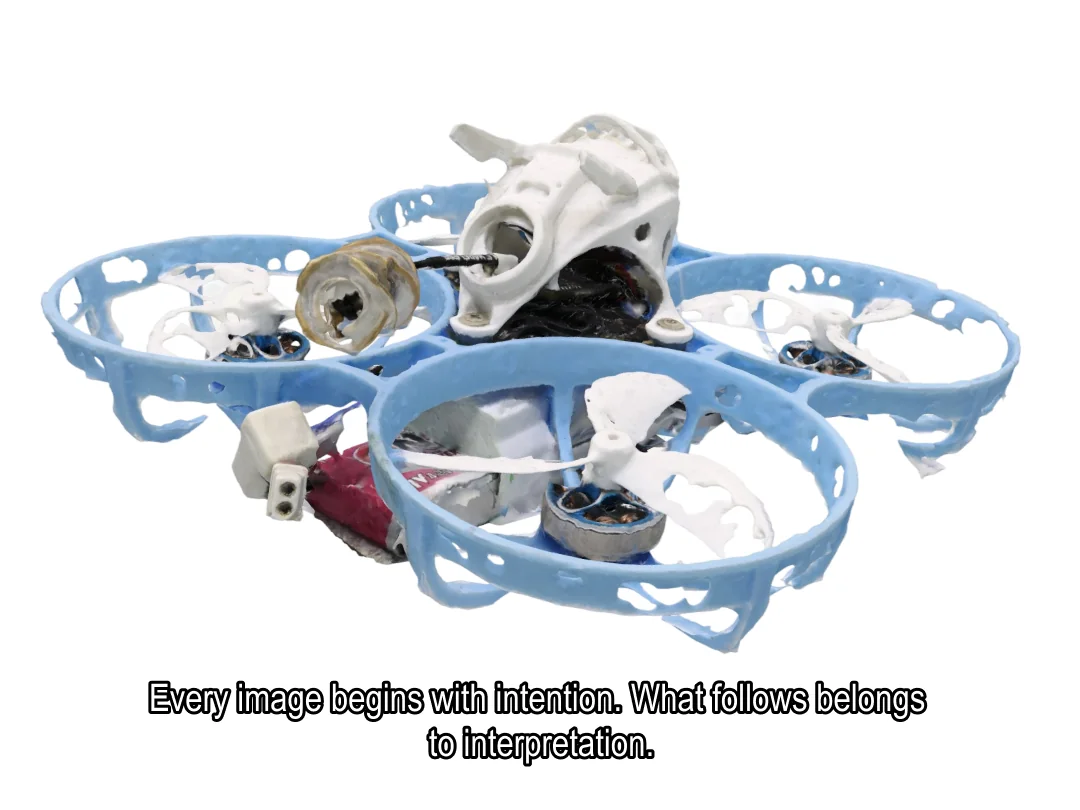
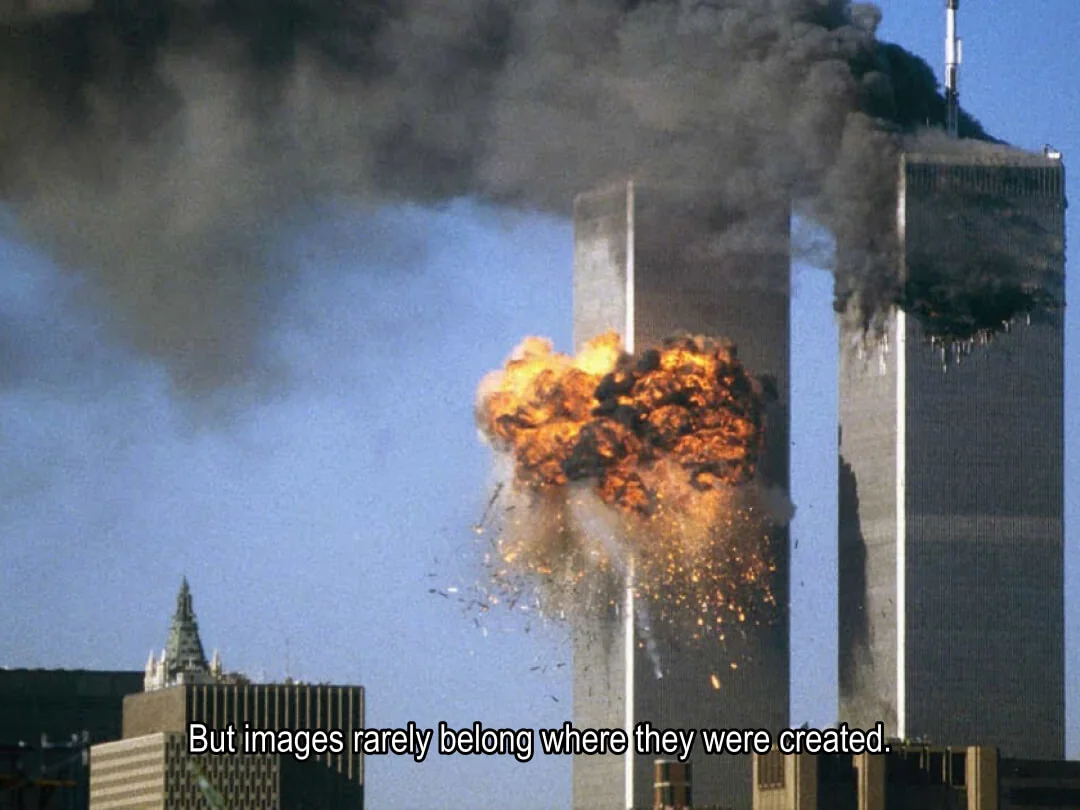
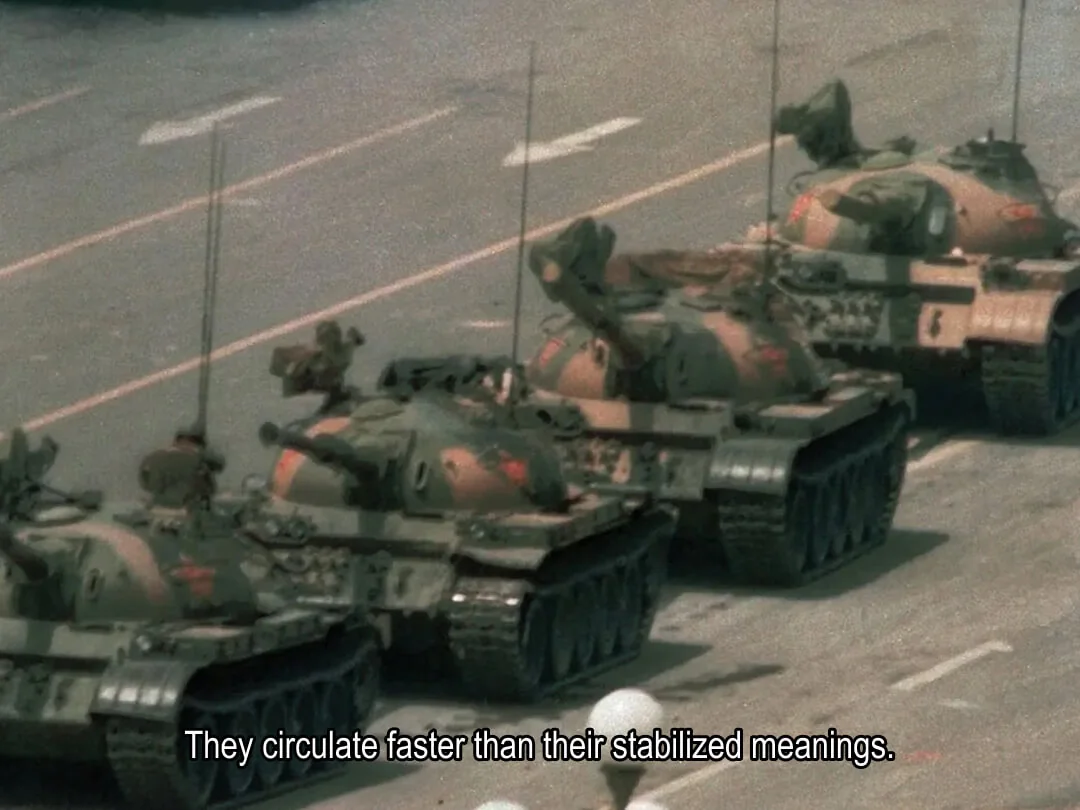
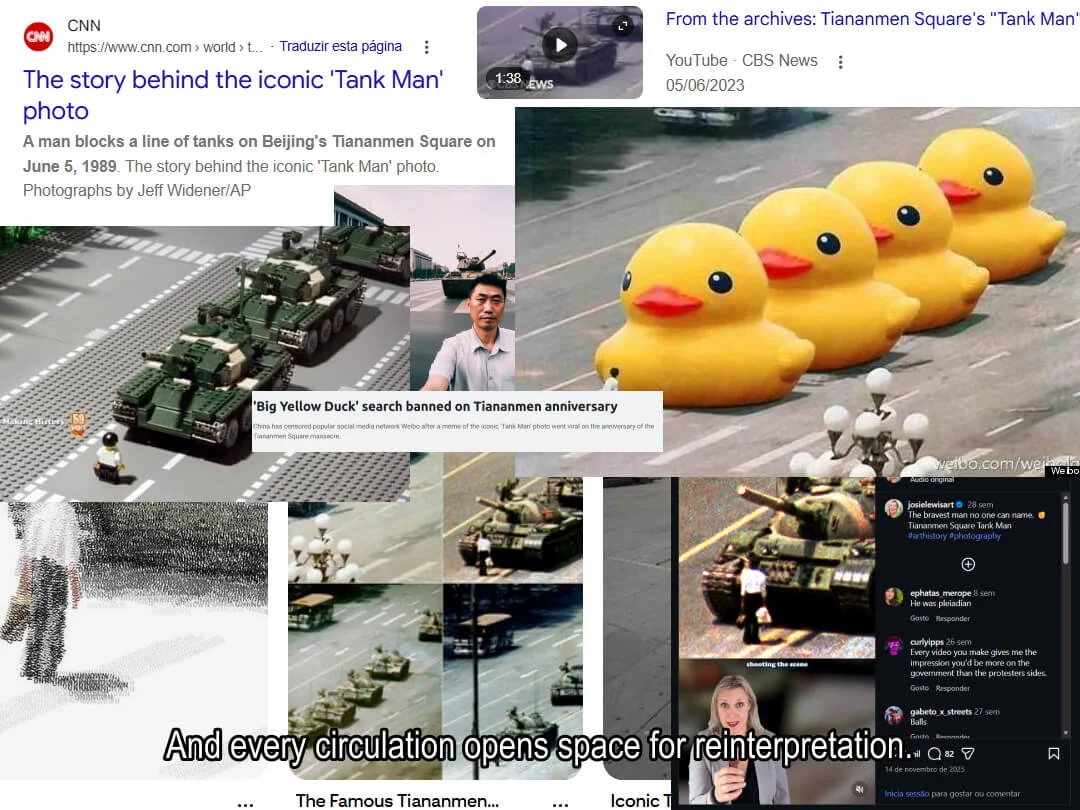
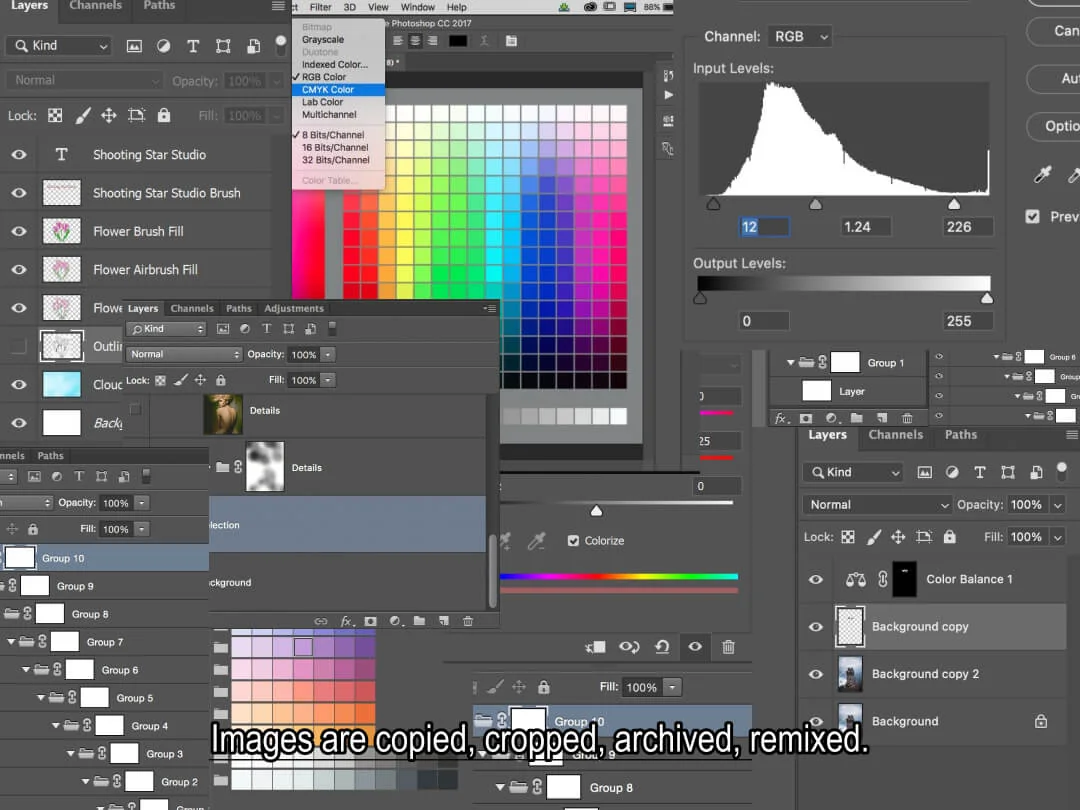
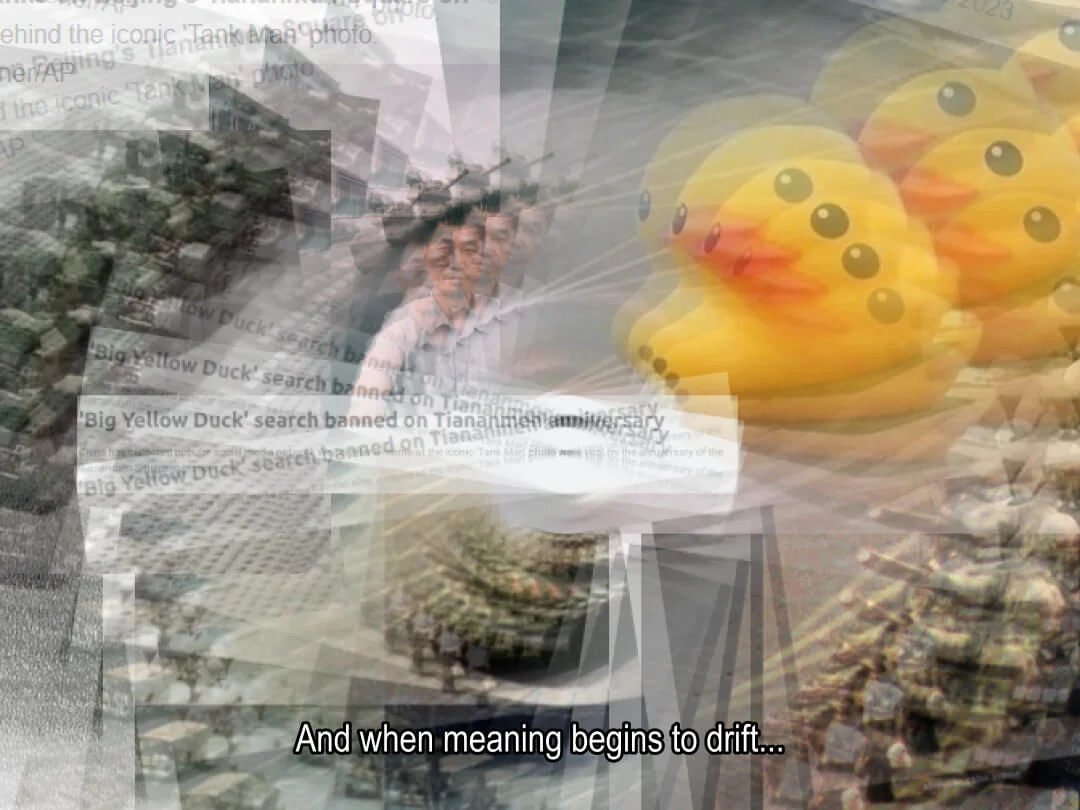
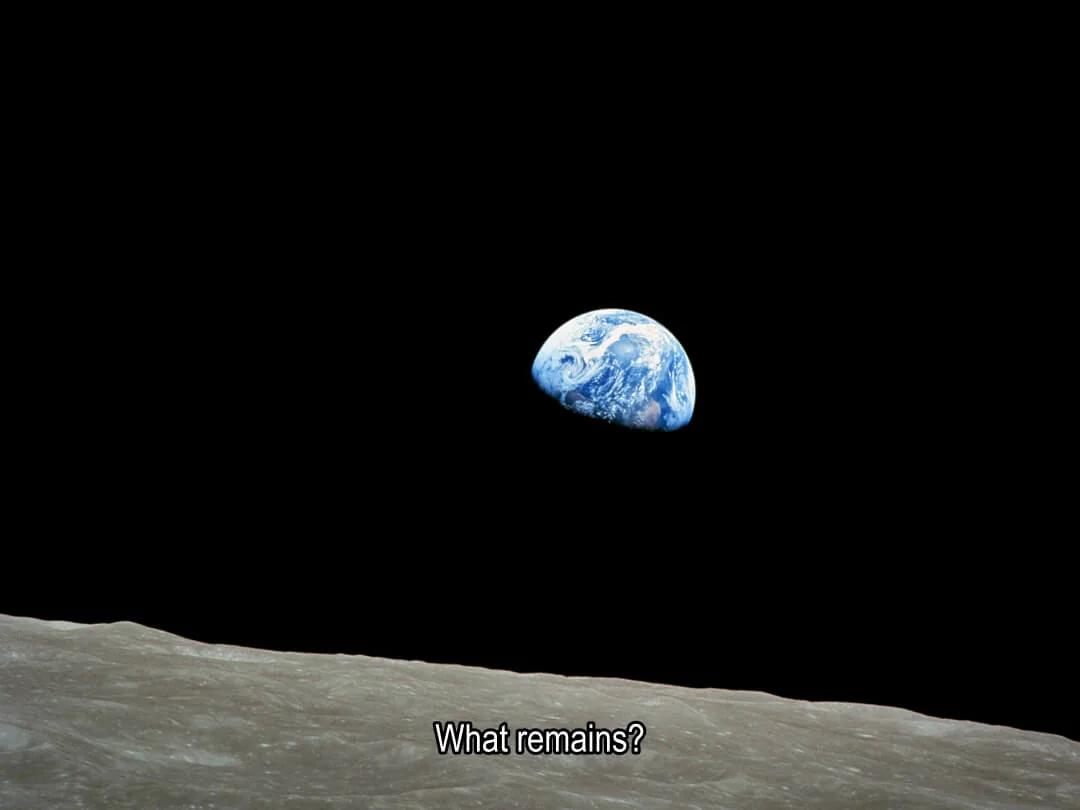
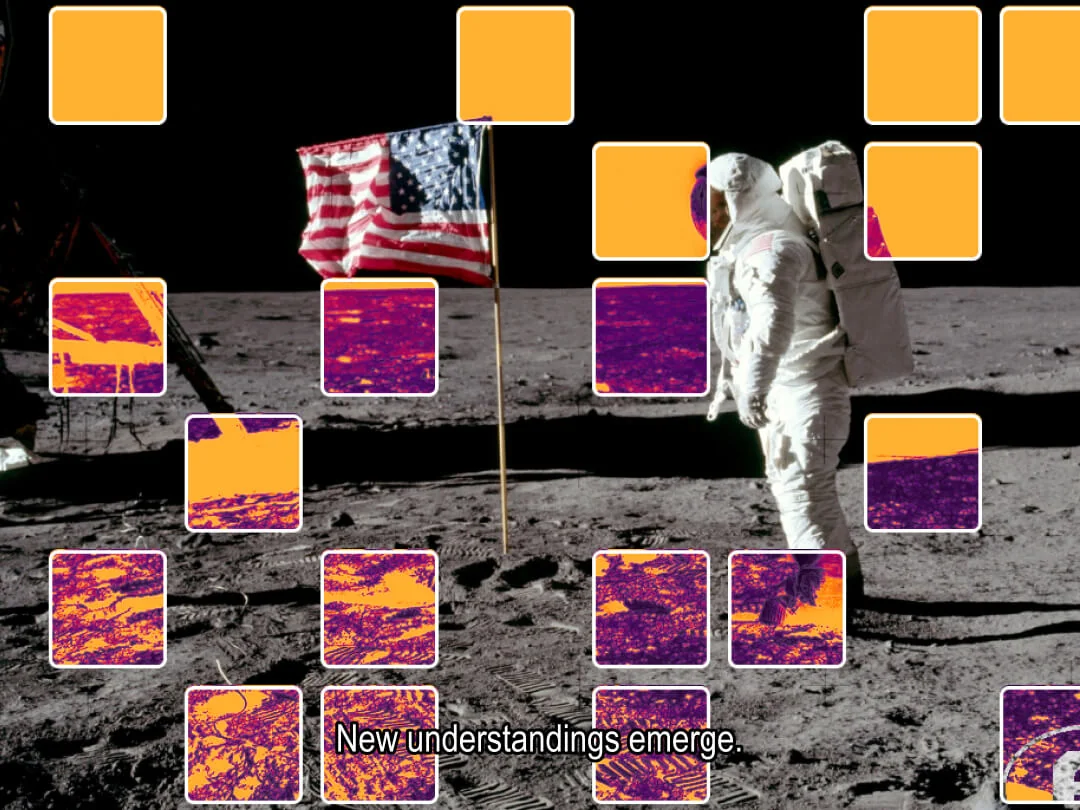
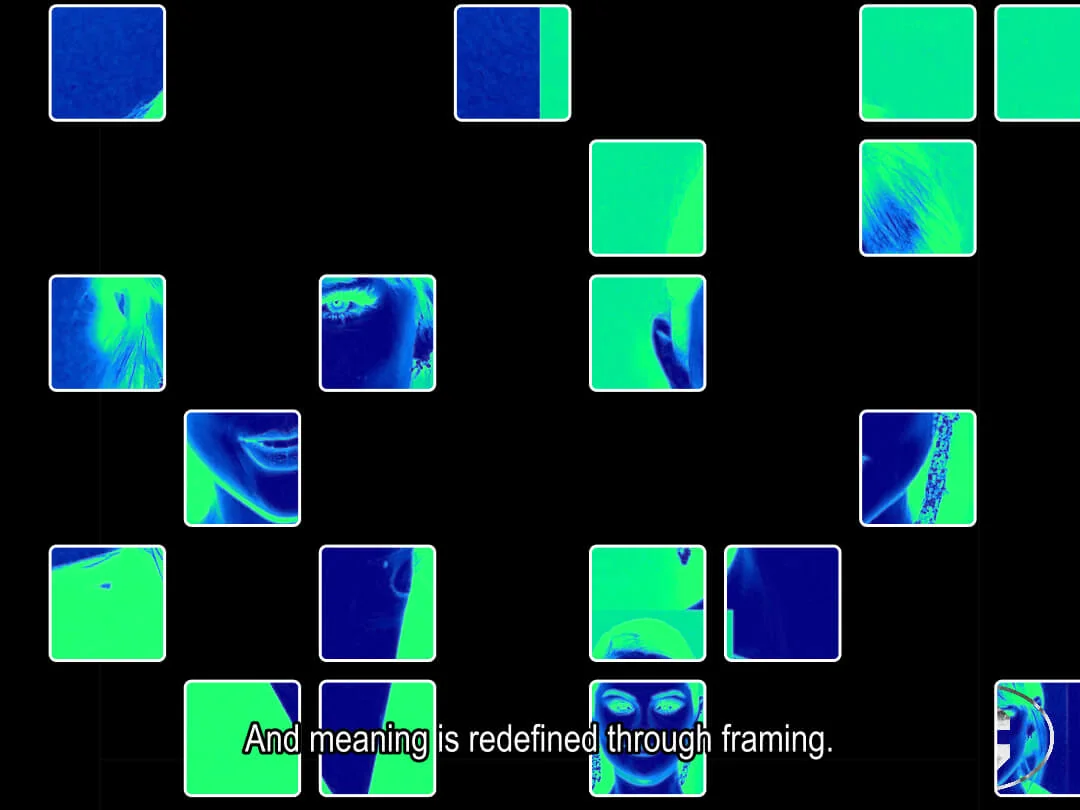
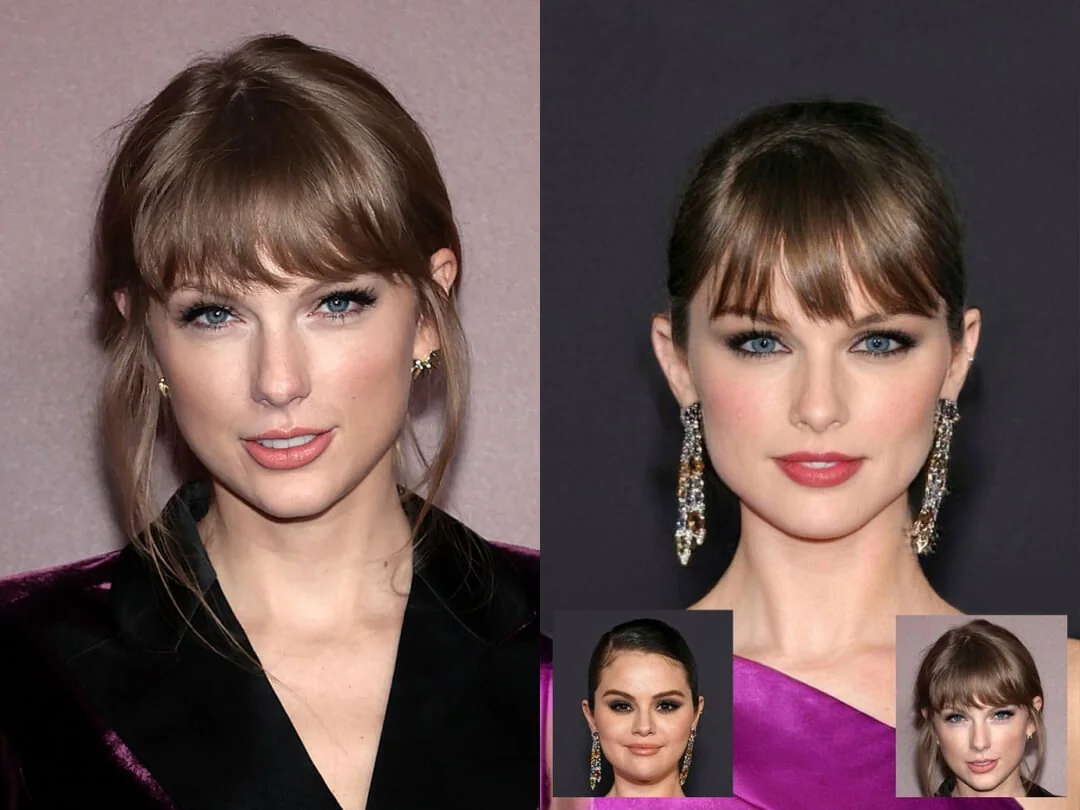
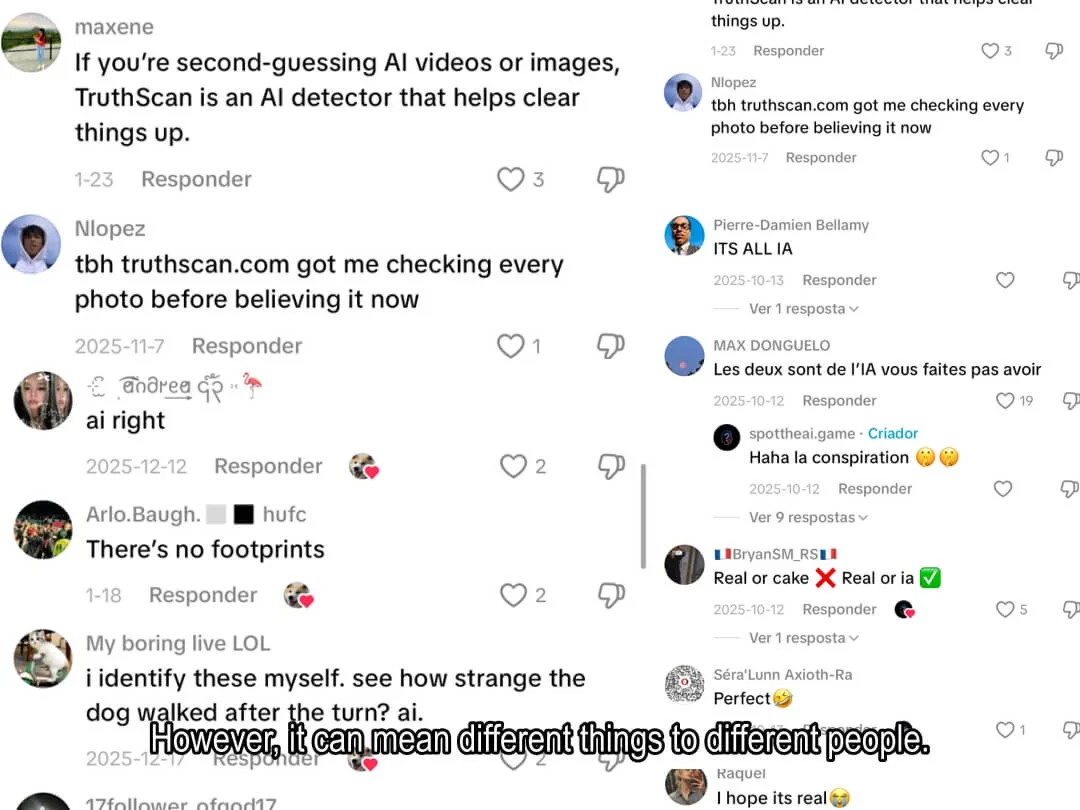
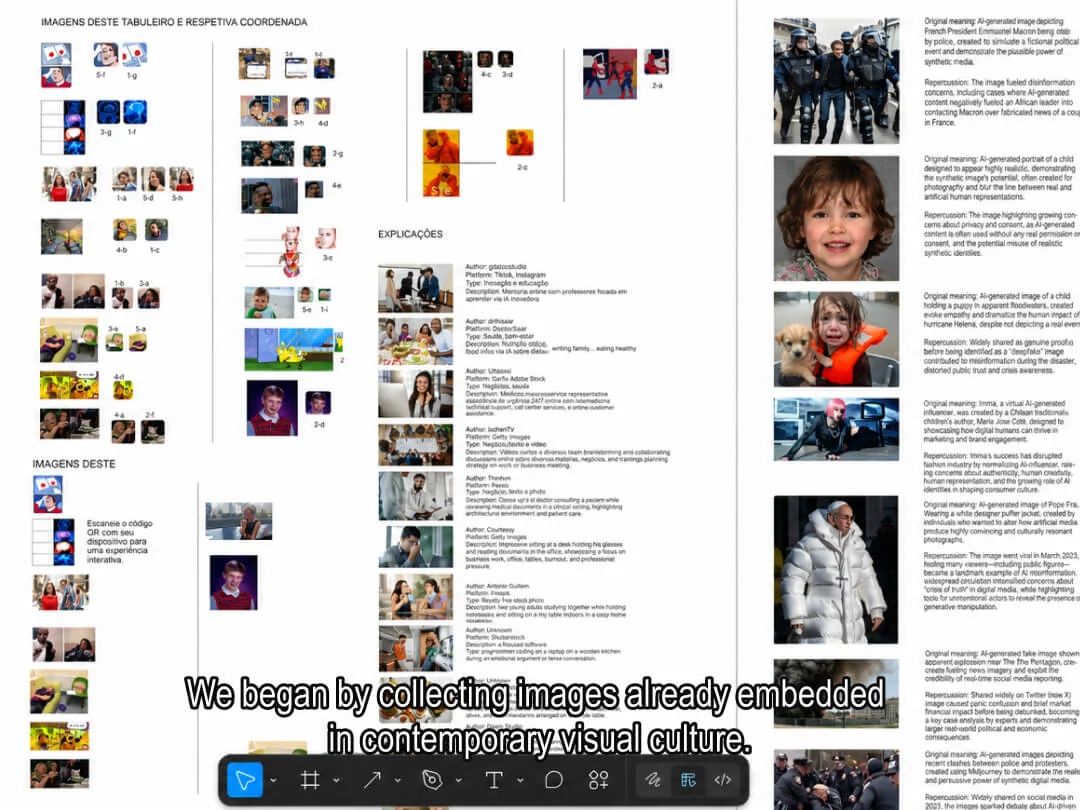
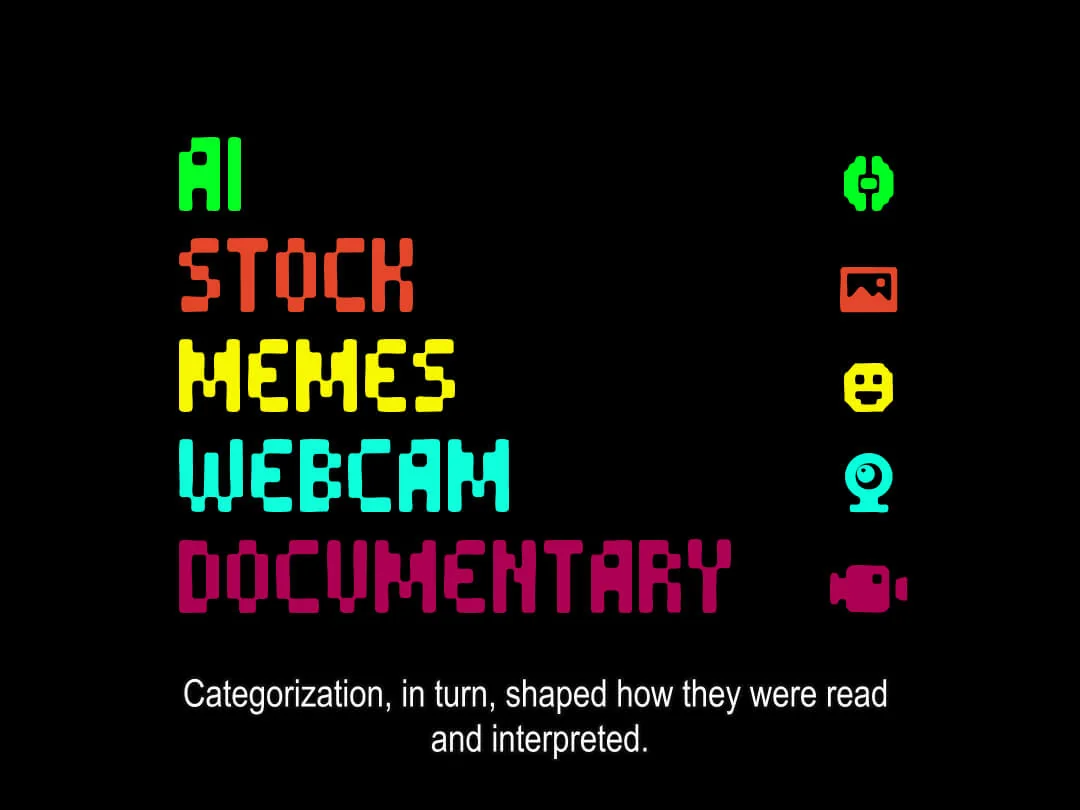
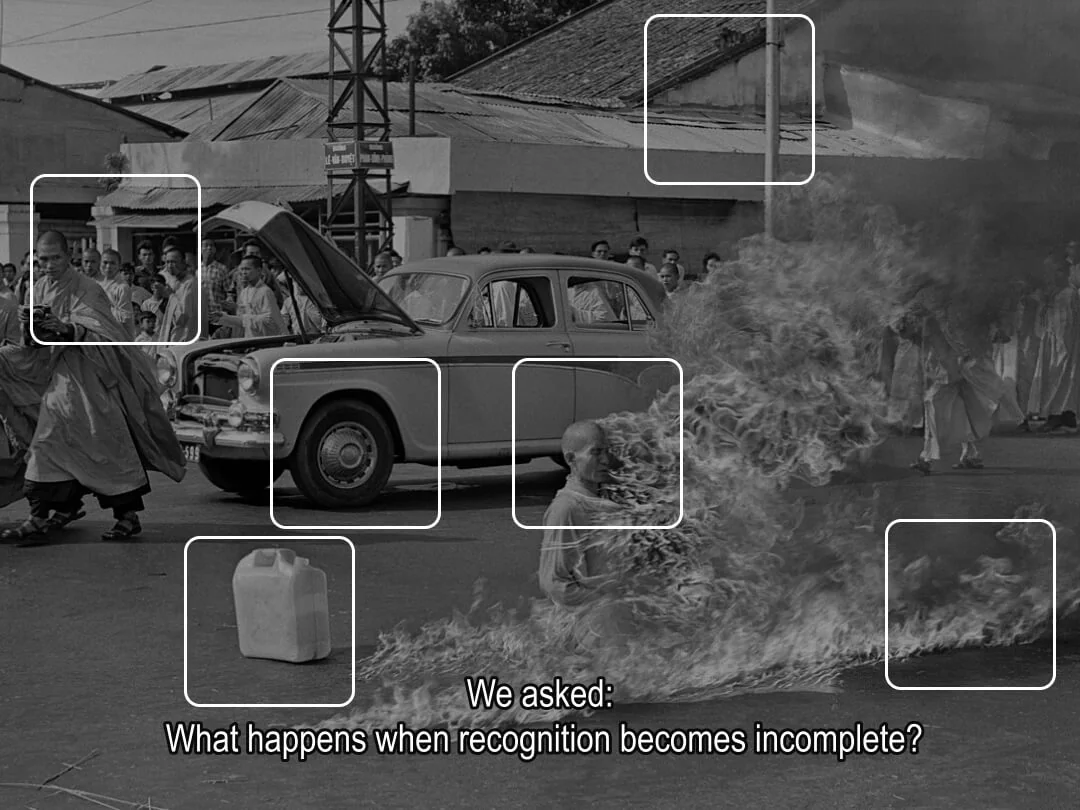
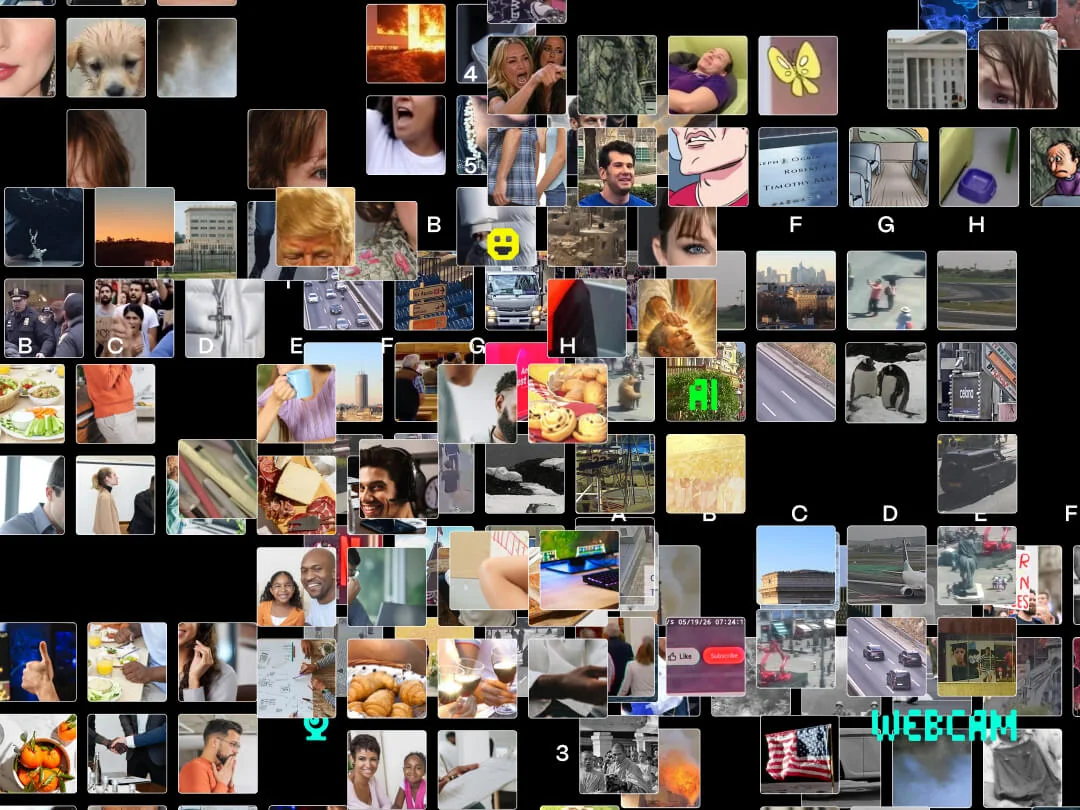
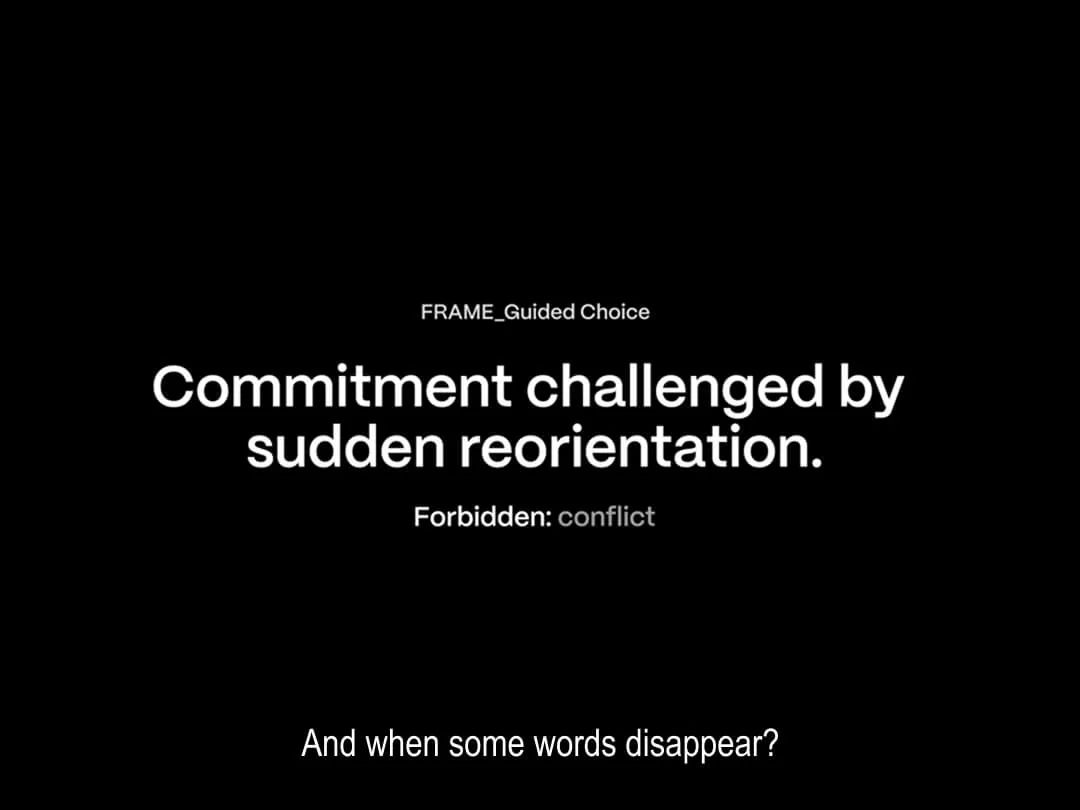
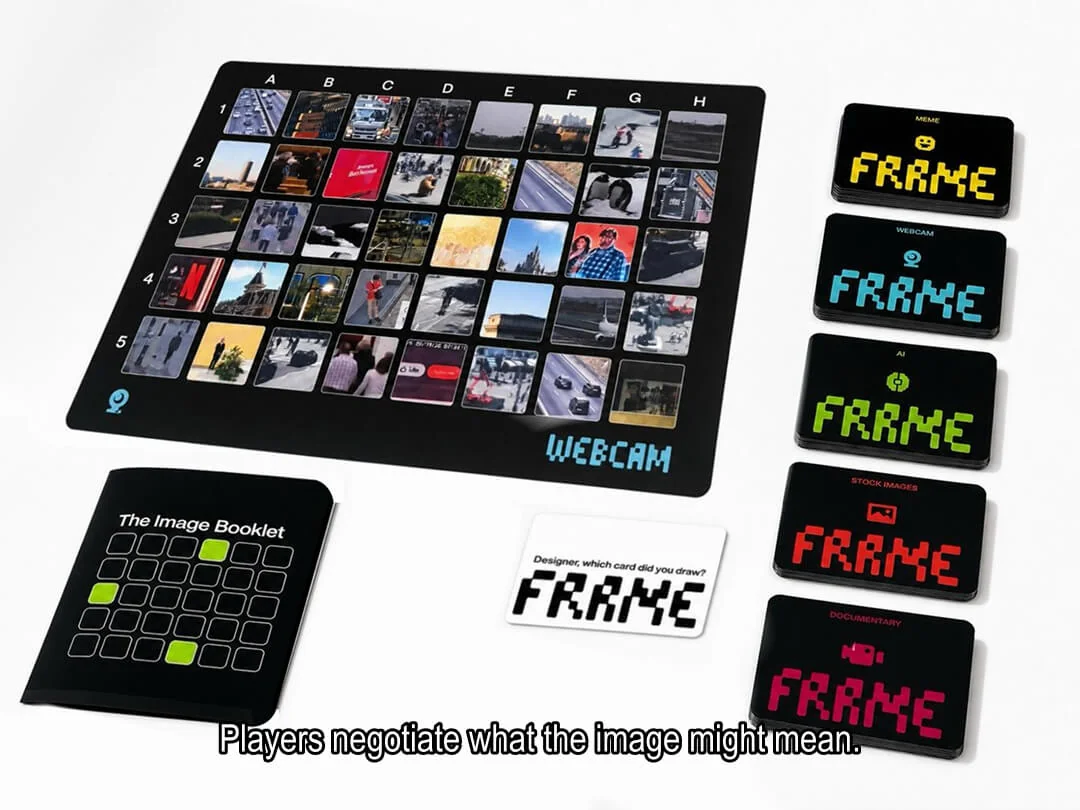
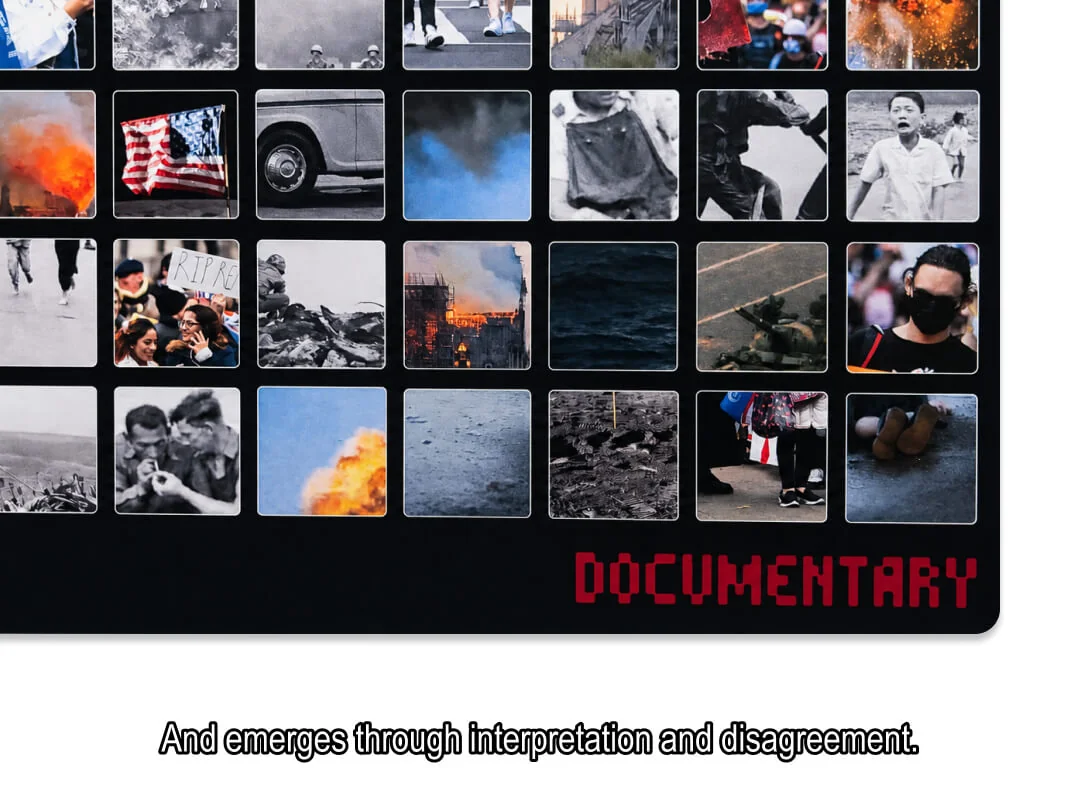
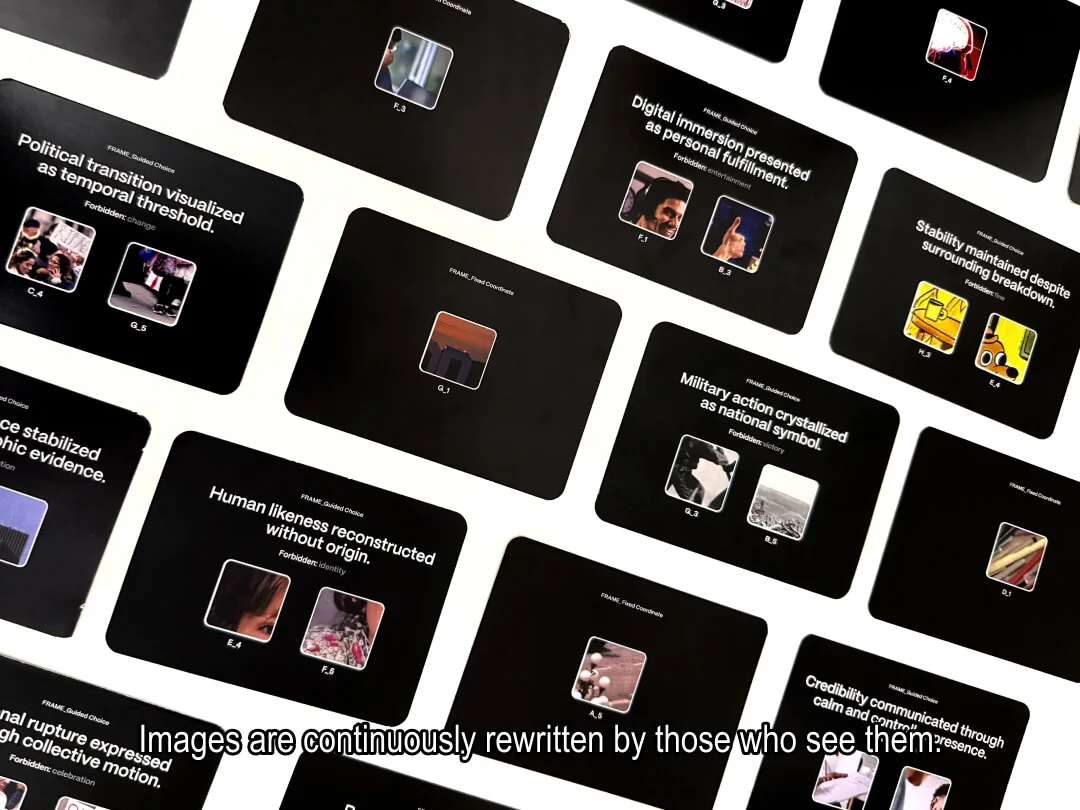
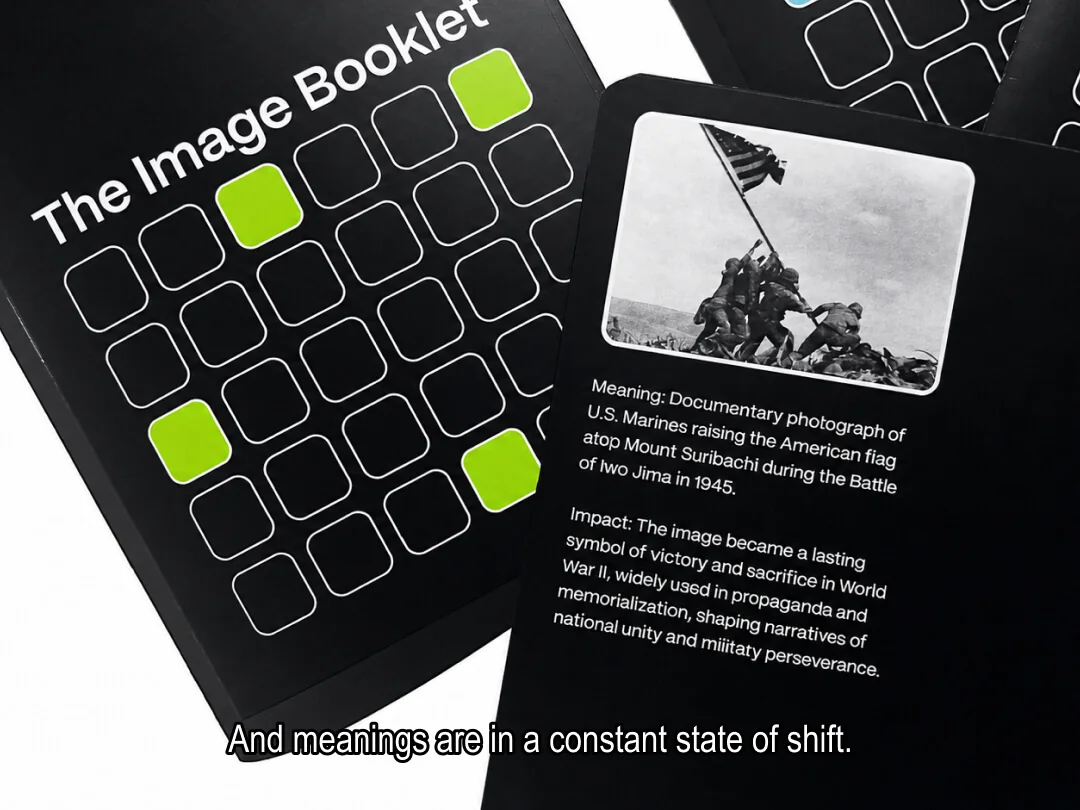
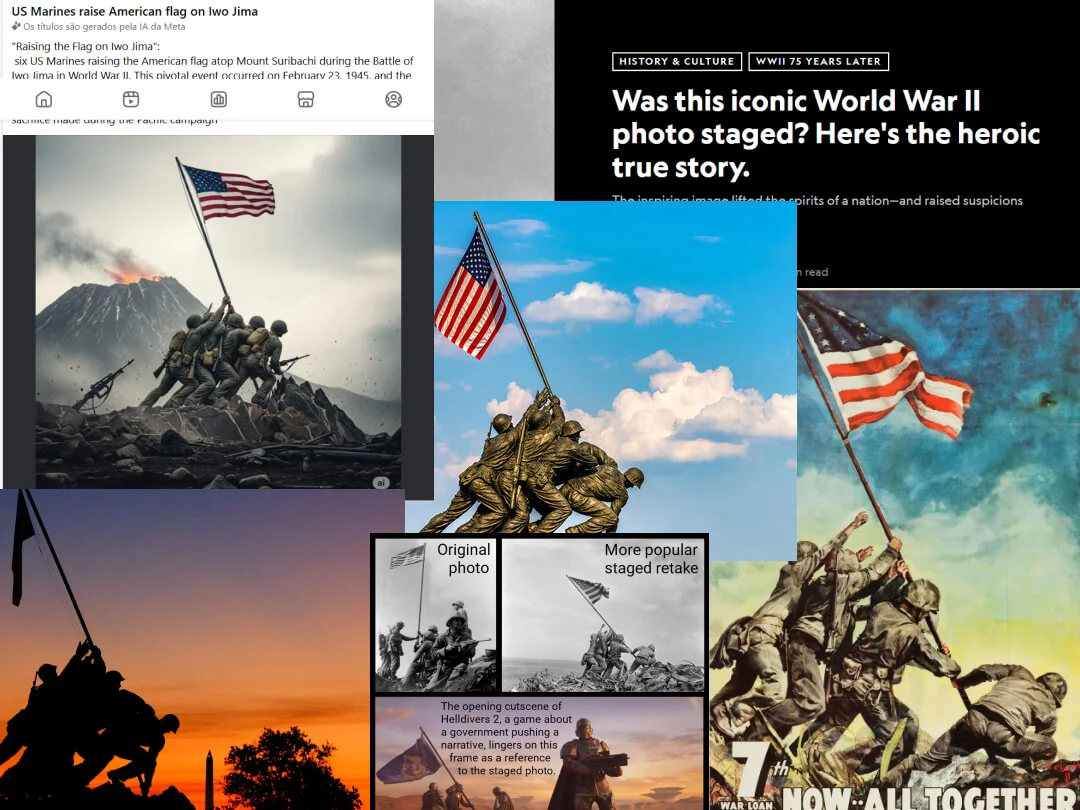
A Designer at the End of Control investigates how images lose control over their meaning as they circulate within contemporary visual culture. Created with specific intentions, images are continuously copied, cropped, reused, recontextualized, and reinterpreted by different audiences, platforms, and contexts. Throughout this process, their meaning becomes unstable, negotiated, and often detached from the original context and intentions of their creators.

Building on this condition, the project questions the relationship between authorship, circulation, and interpretation, proposing a reflection on how we construct meaning from the images we consume daily. Rather than understanding images as stable or transparent objects, it approaches them as entities in constant transformation, shaped by social, technological, and cultural systems.

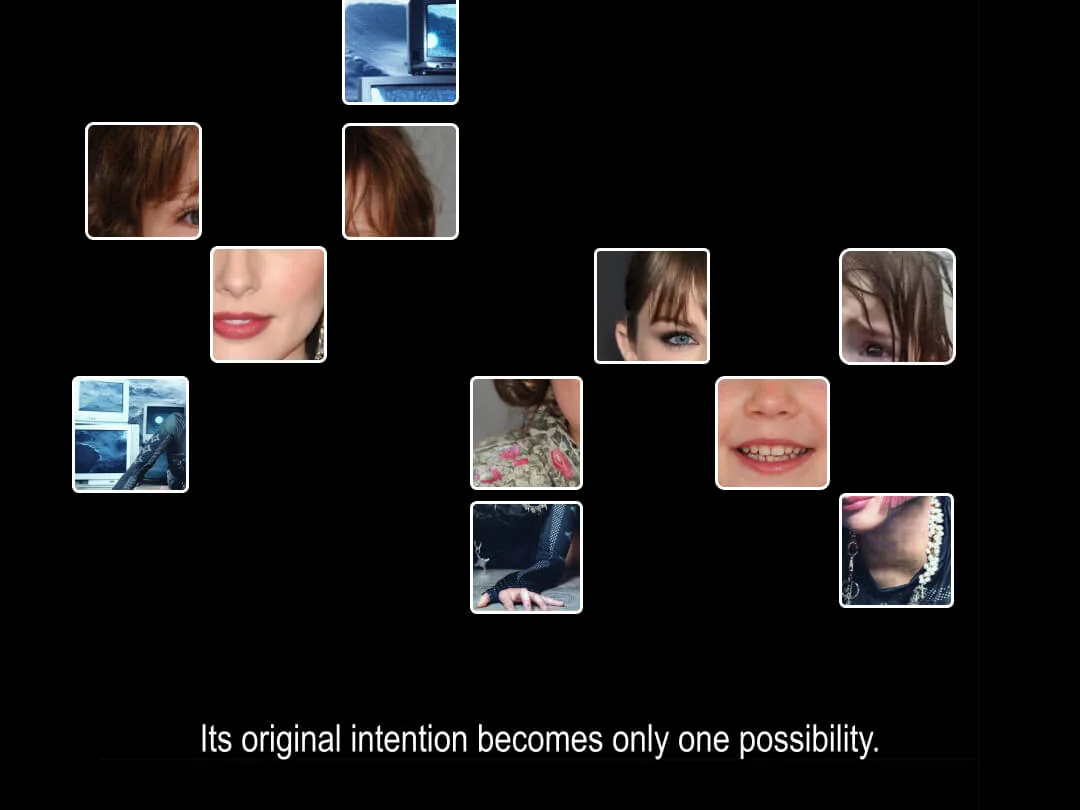
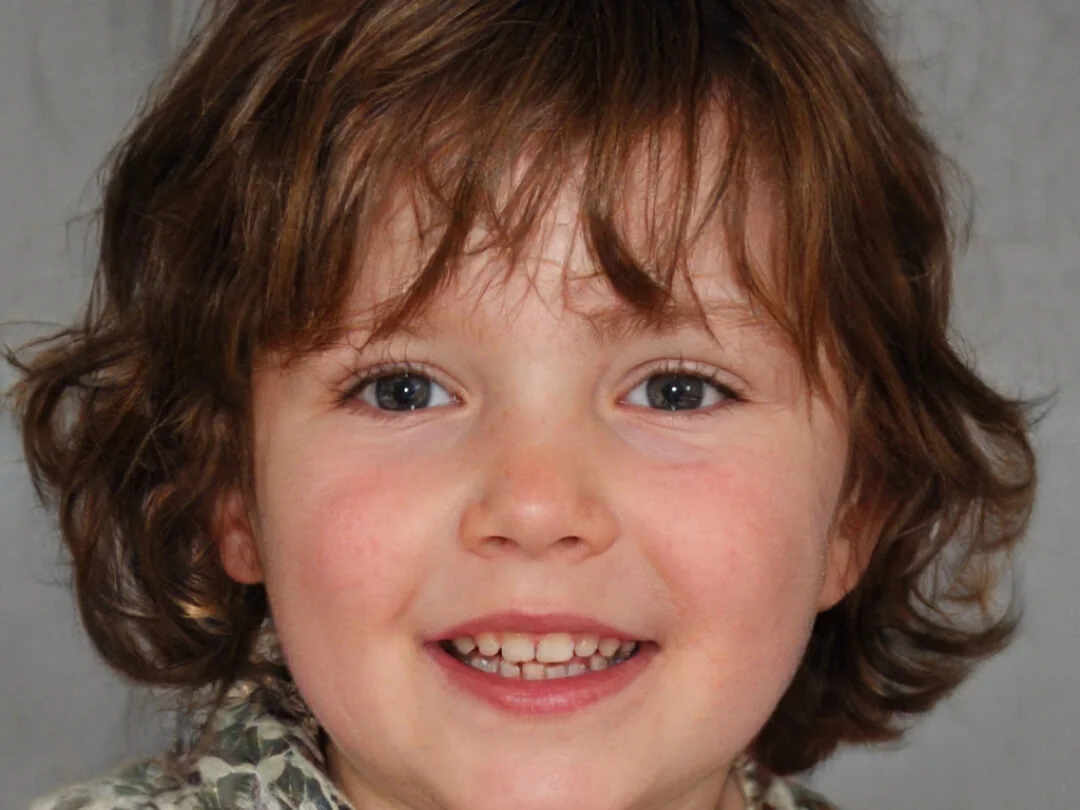
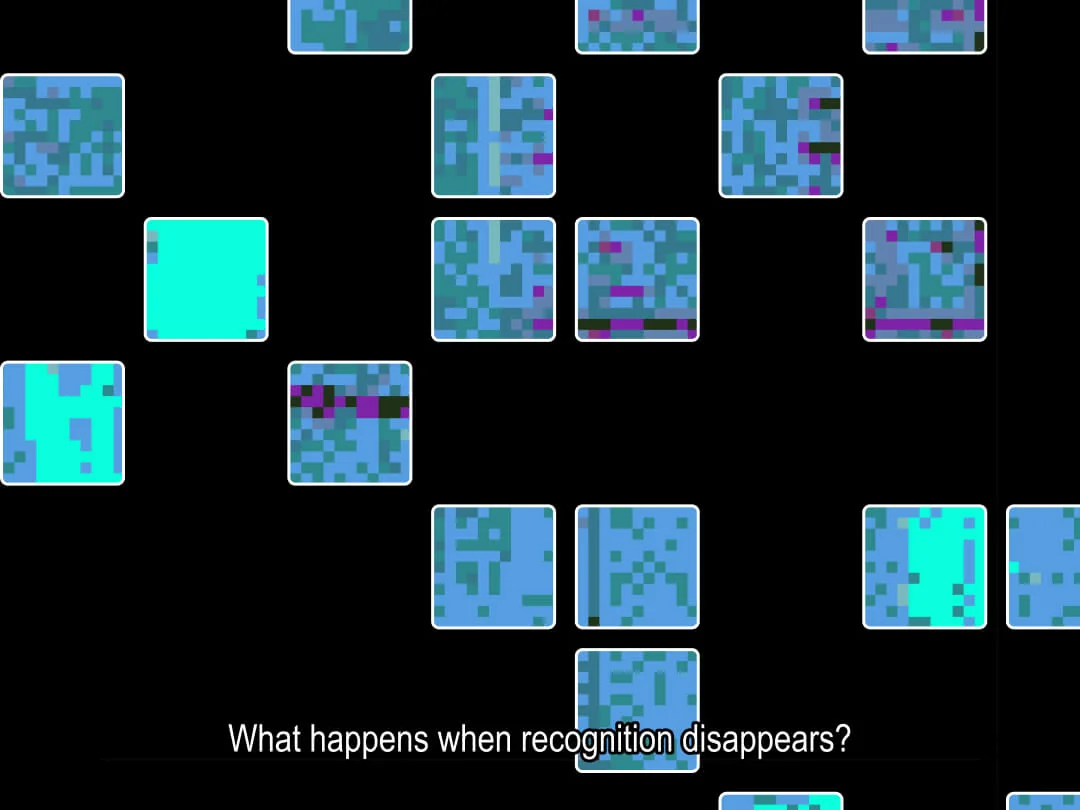
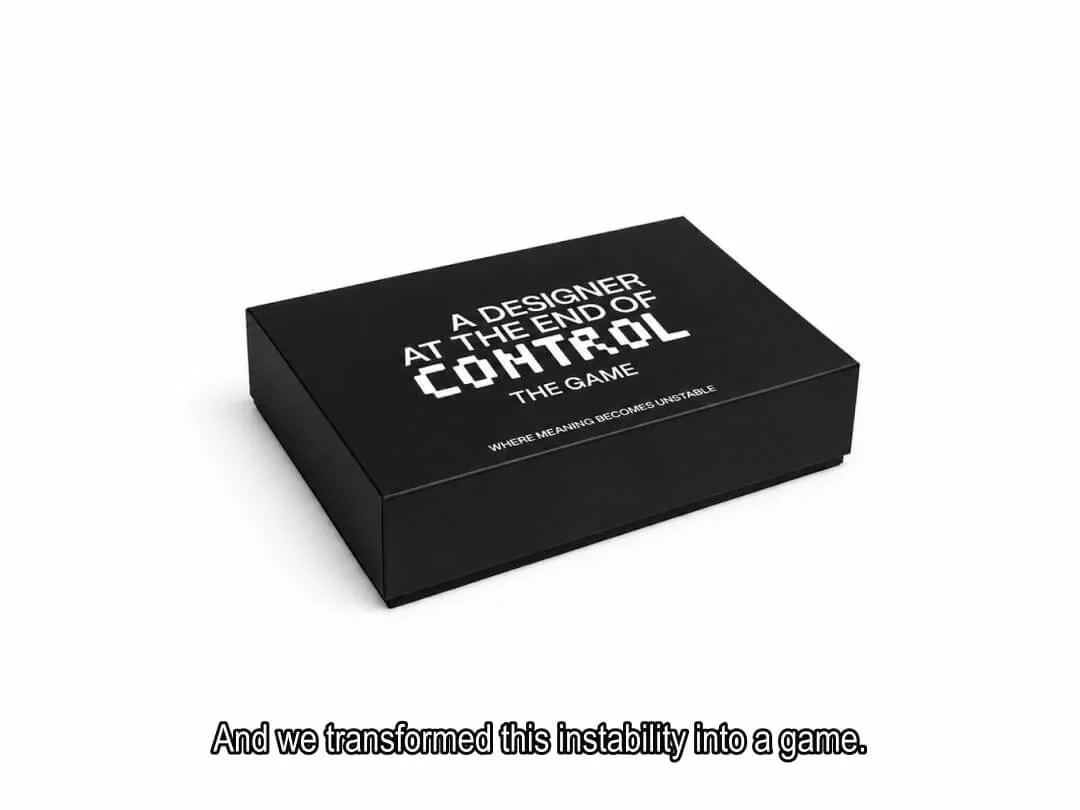
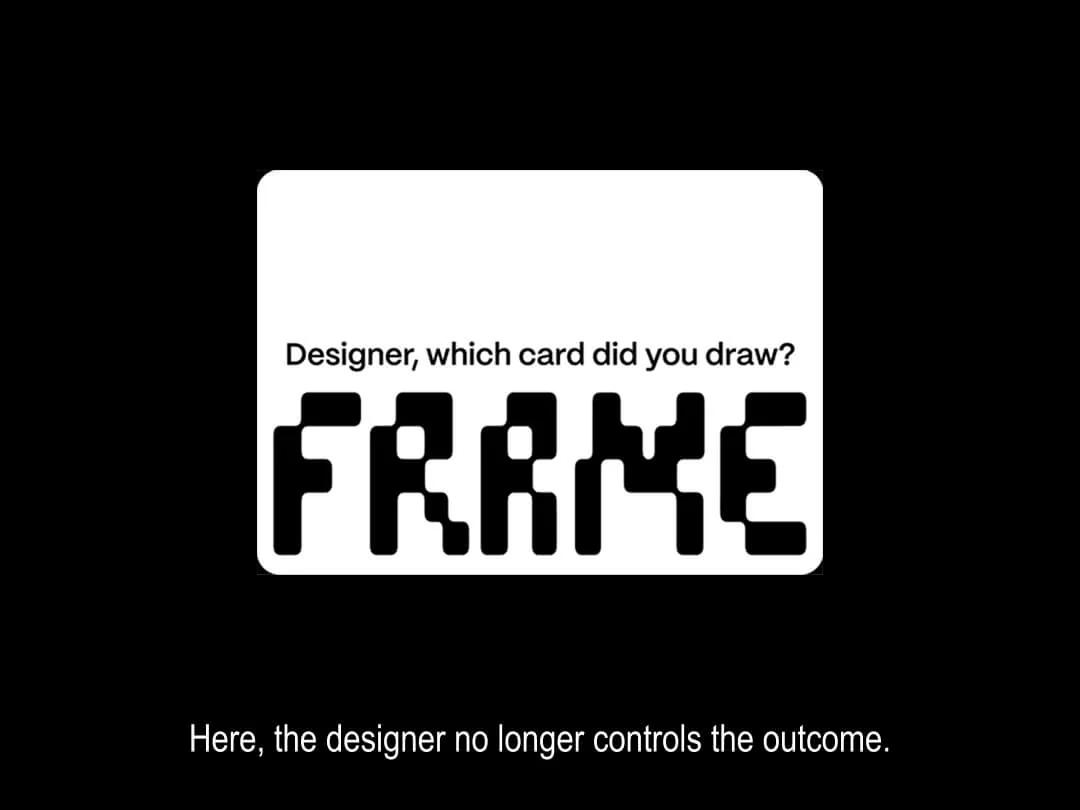
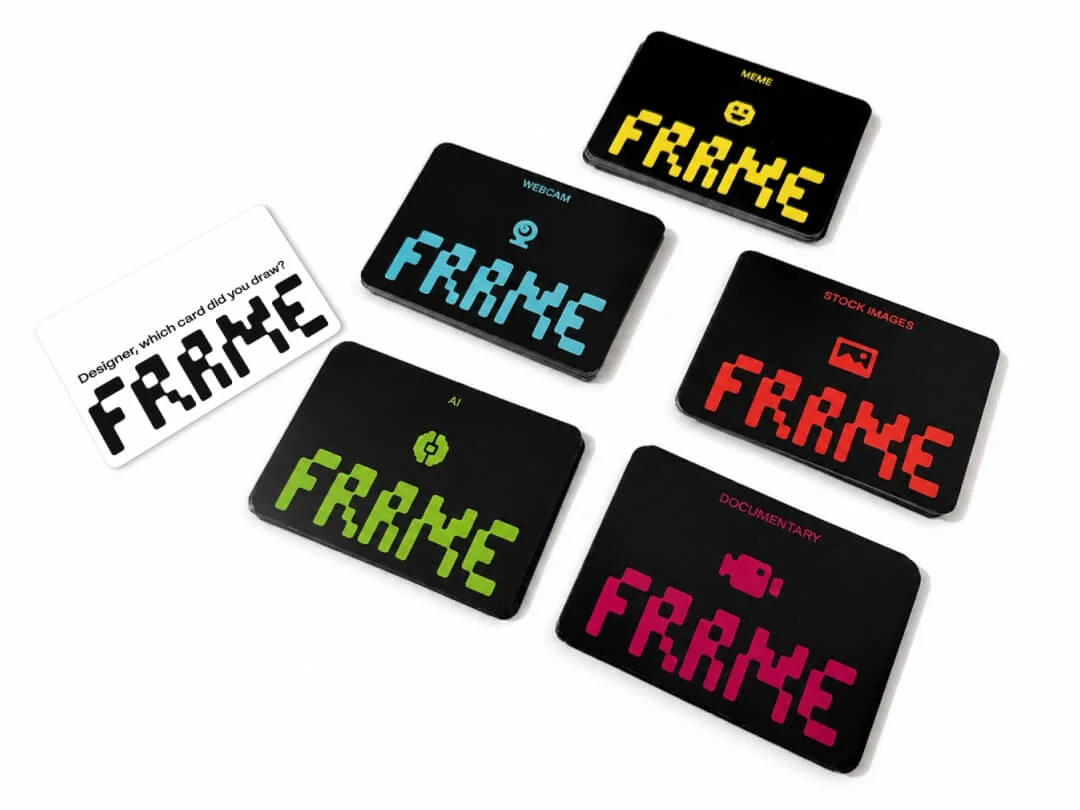
Fragmentation emerges as a central research strategy, disrupting immediate recognition and revealing the ambiguous nature of visual interpretation. The project takes the form of a board game that invites participants to confront uncertainty, discuss possible readings, and recognize that meaning does not reside solely within the image itself, but also within the contexts and discourses that surround it.

PROJECT BY Eva Cabrita
Marta Caeiro
Martim Carvalho
Sara Ferreira

close
close
close
close
close
close
You are here

A Designer at the End of… is a collective project that begins with a question nobody fully answers — how does a designer position themselves against the forces that shape what they study and practise? It explores the tensions and contradictions of contemporary Communication Design: the pressure to specialise, the gap between urgency and daily work, the paradox of a discipline that can apparently do everything and its opposite.

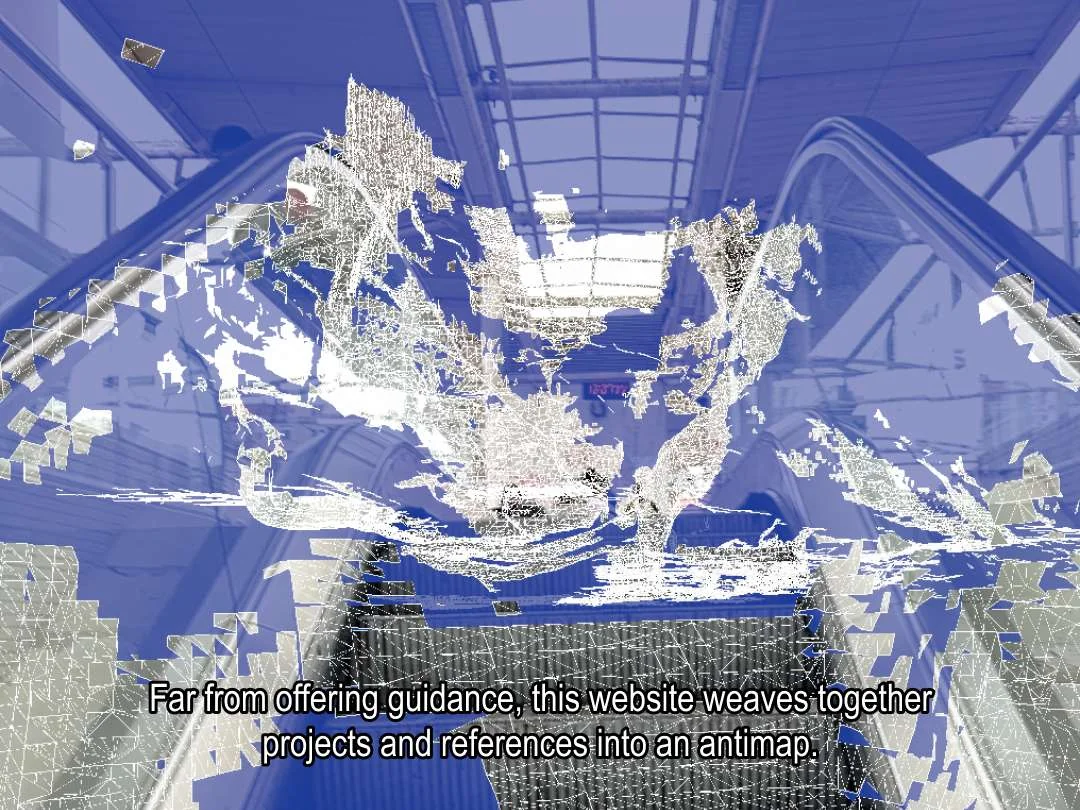
Nowhere–Elsewhere emerges from that unresolved place. This website has no map, no suggested path — projects surface through drift and chance across an infinite plane. The uncertainty is not incidental. It is the condition.

FBAUL · BACHELOR'S DEGREE IN COMMUNICATION DESIGN · COMMUNICATION DESIGN VI · 2025/26

Website DESIGN & IMPLEMENTATION David Sardinha
Diogo Mira
Francisca Fernandes
Lúcia Costa

MENTORING Afonso de Matos
António Nicolas
Rui Silva
Sofia Gonçalves

SPECIAL THANKS Sara Orsi with the coding support

DC FELLOW GRADUATES 2025/26 Afonso Quintela, Ana Belchior, Andreia Fonseca, Anita Pereira, Beatriz Farias, Beatriz Moreira, Bruna Rogeiro, Carolina Costa, Carolina Miguel, Catarina André, Clara Neves, David Sardinha, Denisa Iuliana, Diogo Mira, Ellen Damazio, Eva Cabrita, Helena Sena, Inês Simón, Inês Campos, Inês Martinho, Inês Lopes, Isa Goulart, João Afonso, Jorgina Silva, Julei luliana, Laura Gageiro, Laura Costa, Lourenço Camões, Lúcia Costa, Madalena Fonte-Santa, Madalena Leitão, Mafalda Preto, Marcos Rodrigues, Marcos Afonso, Margarida Calafate, Margarida Silva, Margarida Fundo, Maria Ceregeiro, Maria Fonseca, Maria Francisca Fernandes, Maria Ribeiro, Maria Teixeira da Silva, Mariana Gouveia, Mariana Reis, Mariana Santos, Mariana Costa Silva, Mariana Coelho, Mariana Santos Silva, Marta Bica, Marta Bello, Marta Caeiro, Martim Carvalho, Matilde Caldeira, Olha Cherneha, Patricia Chambel, Pedro Ribeiro, Ricardo Xavier, Ricardo Machaqueiro, Rita Martins, Salete Correia, Sara Frazão, Sara Lopes, Sara Sousa, Sara Ferreira, Selma Pina, Sofia Santos, Tábata Muzy, Teresa Soares, Tomás Simões, Vasco Carrilho, Vasco Guerreiro, Vera Mendes, Vicente Romão